Ever bitten into potato latkes that steam more than they crunch? You know the drill: soggy centers and limp edges that disappoint every time. This recipe fixes that with one overlooked step that delivers restaurant-style golden crispness.
Here’s why it works. Potatoes release tons of moisture when grated, turning your pan into a steamer instead of a fryer. However, a quick wring-out changes everything, locking in that satisfying snap.
The secret lies in squeezing until starch separates slightly. You’ll see it happen, and that’s your cue for fluffy insides with shatteringly crisp outsides. Trust me, it’s game-changing.
Why Moisture Control Defines Crispy Potato Latkes
Water’s Role in Soggy vs. Crispy Results
Grated potatoes dump out water fast, thanks to broken cell walls. That liquid pools in your pan, so instead of frying hot and fast, everything steams. In addition, excess moisture blocks the Maillard reaction, the magic behind those deep golden edges.
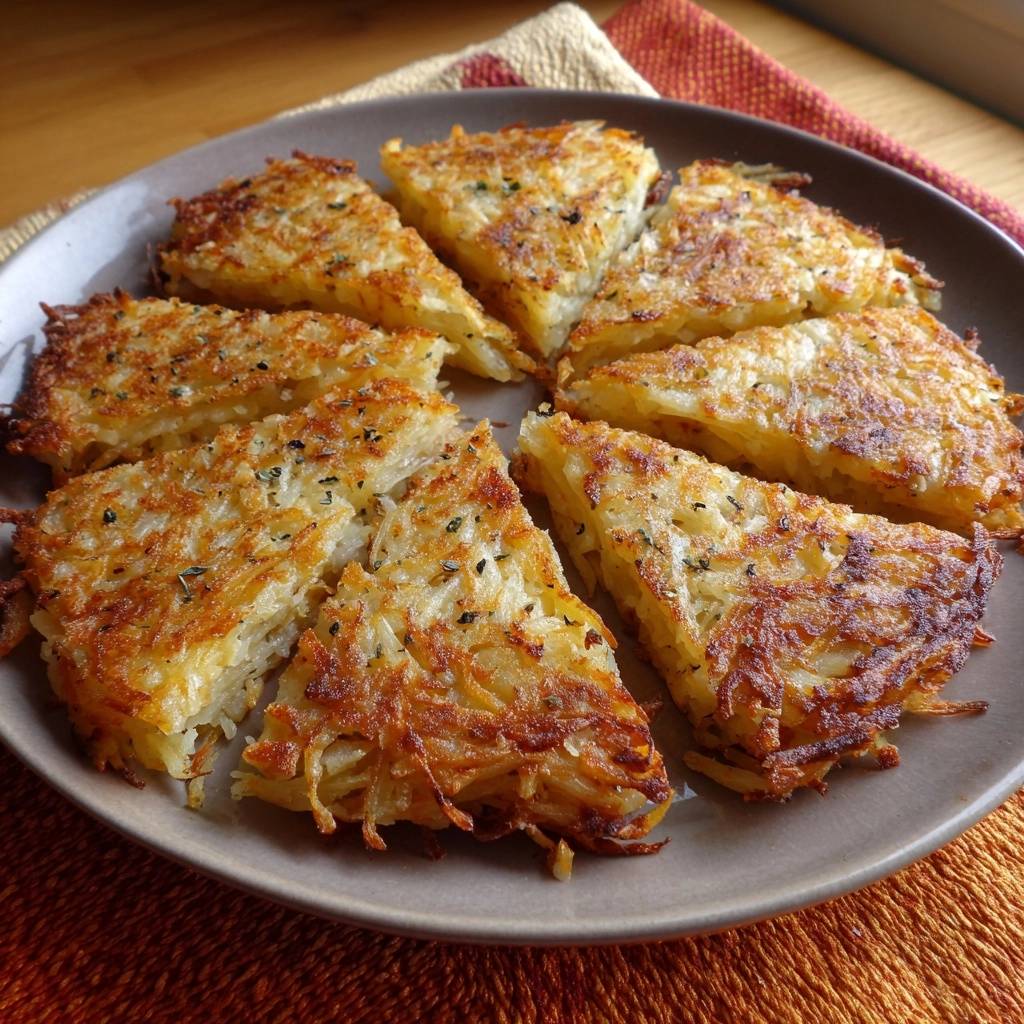
Picture wet gratings: they clump and stay pale. Dry ones? They sizzle immediately, forming a lacy crust. Therefore, control the water, and you control the crunch.
Most cooks skip this, rushing to the pan. Don’t. That five-minute drain makes all the difference.
For an even better crunch, see this guide to crispy potato latkes.
Starch Separation for Fluffy Interiors
Squeezing doesn’t just remove water; it pulls out free starch too. This starch forms a natural binder, holding your latkes together without gumminess. Compare it to sad hash browns that fall apart, lacking that matrix.
Here’s a quick test: after wringing, the potatoes look nearly dry with a light starch dust. That’s perfect for tender, airy centers.
Pro tip: if they’re still too wet, give another squeeze. You’ll taste the fluffiness.
Selecting Russet Potatoes for Ultimate Crispness
Why Russets Excel in Crispy Potato Latkes
Russets win because they’re high-starch, low-moisture champs. Four large ones yield about two pounds of grated goodness, perfect for one big pancake. Waxy varieties like reds? They stay soft and sad.
Pick firm ones in fall for peak starch. Therefore, your latkes crisp up reliably.
Seasonal tip: avoid sprouts or green spots; they taste bitter.
Prepping Potatoes Without Oxidation
Peel first, then grate on the large box grater holes for fluffy shreds. Food processors mush them fine, killing texture. Sprinkle salt right away to draw moisture and fight browning.
If they gray a bit, no panic; it won’t affect taste. However, work fast into the towel step.
Grate in batches to keep things manageable.
Moisture-Wringing Technique for Crispy Potato Latkes
Salting to Draw Out Excess Liquid
Toss grated potatoes with half a teaspoon kosher salt in a towel-lined colander. Osmosis pulls water out in five minutes, way better than flimsy paper towels. You’ll see liquid pooling below.
Visual cue: potatoes soften and glisten. That’s readiness.
This preps them perfectly for the squeeze.
For even better results with your crispy potato latkes, make sure to squeeze out all the excess moisture.
Squeezing Dry: The No-Soggy Essential
Gather towel edges, twist over the sink, and wring hard. Aim for nearly dry shreds with starch flecks. Weak grip? Press against the counter for leverage.
Discard that cloudy liquid; it’s the crispness thief. Now you’re set.
Equipment Choices for Perfect Crispy Potato Latkes
Nonstick Skillet’s Heat Retention Edge
A 10-inch nonstick shines here, preventing sticks since potatoes dry out first. Cast iron works too, but use more oil. Heat to shimmering, around 350-375°F if you’ve got a thermometer.
Test by flicking water; it should dance. Therefore, even browning every time.
Nonstick’s slick surface lets crust form without tearing.
Spatulas and Towels You Can’t Skip
Grab a thin metal spatula to loosen the crisp bottom gently. For flipping, use two wide ones for safety. Kitchen towel squeezes best; cheesecloth tears easier.
Paper towels drain post-cook. Skip these, and crispness suffers.
Cooking Crispy Potato Latkes Step by Step
Heating Oil for Even Golden Browning
Crank medium-high, add quarter cup vegetable oil, and swirl. Neutral oil stays stable hot; olive smokes bitter. When it shimmers, spread potatoes even, press to half-inch thick.
Sprinkle top with remaining salt. Press firm for unity. You’ll hear sizzles start.
Pro tip: add oil edges if it looks dry later.
First Side: 8-10 Minutes Undisturbed
Leave it alone for deep golden crispness. Edges bubble and lift slightly when ready. Slide spatula under to loosen; it glides if dry enough.
Salt penetrates now for even flavor. Patience pays off here.
Flipping and Second Side Perfection
Two spatulas make the flip foolproof. Drizzle more oil if needed, then cook another 8-10 minutes. Both sides match in crunch.
Drain on paper towels. Hot off the pan, they’re peak bliss.
Wedge Cutting, Salting, and Garnishing
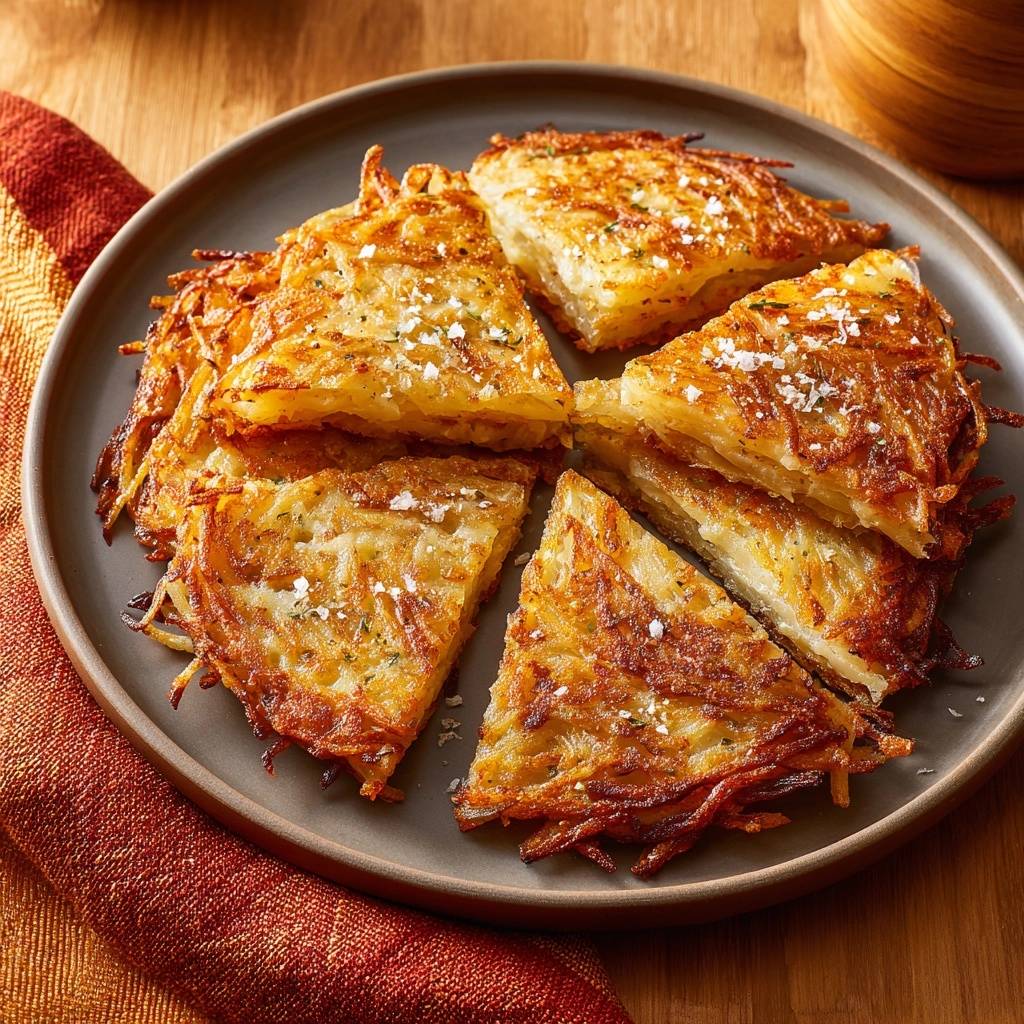
Slice into wedges while warm. Hit with flaky sea salt for pop; it’s coarser than kosher. Chopped dill or parsley adds fresh green punch.
Serve immediately. Crunch fades fast.
Avoiding Pitfalls in Crispy Potato Latkes
Skipping the Squeeze: Instant Fix
No squeeze means steamy, pale messes. Rescue by cooking longer on lower heat, but it’s tough. Prevention: always wring twice if needed.
Checklist: salt, drain, squeeze, then pan. Follow that, succeed every time.
Overcrowding and Heat Fluctuations
One big pancake crisps evenly; small piles steam. Medium-high holds steady; drop heat if smoking. Resting empty pan cools it too much.
Adjust flame as needed. Even heat equals even gold.
Potato Variety and Grating Errors
Waxy potatoes flop soft; russets rule. Fine grater holes make mush. Swap to Yukon Golds if desperate, but expect less crunch.
Large holes only. Texture first.
History of Crispy Potato Latkes Tradition
Hanukkah Origins and Oil Miracle
Latkes trace to Eastern European Jews, celebrating Hanukkah’s oil miracle. One day’s worth lasted eight, so frying in oil honors it. They evolved from medieval shredded pancakes.
Fried foods symbolize that endurance. Crispy edges nod to tradition’s joy.
Families gather, frying batches late into the night.
Modern Twists on Classic Shredded Pancakes
In the U.S., russets amp up crispness over old-world varieties. Some skip onions or eggs for purity. Regional spots add twists, but basics endure.
Your kitchen, your rules. Keep it simple for best results.
Flavor Variations for Crispy Potato Latkes
Herb and Spice Infusions
Mix thyme or chives into potatoes pre-squeeze. Smoked paprika dusts edges pre-flip for warmth. Fresh dill stays classic.
Go light; crunch stars. Experiment post-mastery.
Cheese and Veggie Swaps
Blend grated zucchini for moisture balance. Sweet potatoes sweeten mildly. Sprinkle parmesan before second flip; it crisps cheesy.
Vegan? Stick to oil. Variety keeps it fun.
Pairing Sides with Crispy Potato Latkes
Creamy Dips and Yogurt Sauces
Applesauce cuts richness with tart sweetness. Mix yogurt, lemon, garlic for cool tang. Labneh thickens it creamy.
Crunch meets smooth. Perfect bite.
Salad and Protein Companions
Arugula salad adds peppery bite. Smoked fish or fried eggs top for heartiness. Holiday plates shine with these.
Balance the fry fest.
Round Out Your Meal
Since you enjoyed these potato latkes, consider these other potato dishes for your next meal.
- For a loaded potato option with a taco twist, try these loaded taco stuffed baked potatoes with crispy skin.
- If you’re looking for another hearty potato bake, these loaded taco baked potatoes offer a similar satisfying experience.
Storing and Reheating Crispy Potato Latkes
Make-Ahead and Freezer Methods
Cool fully, then airtight container up to three days fridge. Freeze stacks between parchment up to a month. Thaw overnight before reheating.
Don’t refreeze cooked ones. Crispness holds decently.
Reheating Without Losing Crisp
Oven at 400°F, 5-7 minutes on wire rack revives best. Skillet with splash oil works too. Microwave? Soggy doom.
Hot and quick restores snap.
Troubleshooting Crispy Potato Latkes Issues
Why Won’t They Crisp Up?
Moisture’s the culprit usually; squeeze harder next time. Low heat steams; crank it medium-high. Skimp on oil? Add more.
Common fixes: dry fully, heat right, oil plenty. You’ll nail it.
Fixing Uneven Browning
Rotate pan halfway. Refresh oil mid-flip. Even heat prevents spots.
Latkes Falling Apart on Flip
Starch didn’t bind; squeeze extracted too much or potatoes too wet. Press firmer initially. Starch flecks signal good.
Too Salty or Bland Finish
Salt layers matter: half pre, half top. Flaky post-cook boosts without overkill. Taste batter if needed.
FAQ
How do I store leftovers of Crispy Potato Latkes?
Cool them completely on a wire rack first, then store in an airtight container in the fridge for up to three days. For freezing, layer stacks between parchment paper in a freezer bag; they keep up to one month without losing much texture. Thaw in the fridge overnight before reheating to avoid sogginess.
Why are my latkes soggy and not crispy?
Excess moisture from skipping the squeeze is the top issue; potatoes steam instead of fry, preventing browning. Always salt, drain five minutes, and wring until nearly dry with starch visible. Low heat or insufficient oil compounds it, so use medium-high and a generous quarter cup that shimmers hot.
Can I substitute russet potatoes in Crispy Potato Latkes?
Russets are best for high starch and low moisture, but Yukon Golds work decently if firm; expect slightly softer results. Avoid waxy reds or whites, as they hold water and stay gummy. Stick to starchy varieties, and squeeze extra hard to compensate.
What’s the best way to reheat Crispy Potato Latkes for maximum crunch?
Preheat oven to 400°F, place on a wire rack over a baking sheet, and heat 5-7 minutes until hot and crisp. Alternatively, skillet over medium with a teaspoon oil per side revives edges perfectly. Never microwave; it steams them soft instantly.
Why do my latkes fall apart when flipping?
Not enough starch binding from insufficient squeezing or loose pressing; the pancake needs firm compaction to half-inch thick. Ensure visible starch after wringing, and use two spatulas for a confident flip. If it breaks, patch and cook undisturbed longer to set.
Can I make smaller individual latkes instead of one big pancake?
Yes, drop quarter-cup mounds into hot oil, flatten to half-inch, and cook 4-5 minutes per side. They crisp faster but watch for steaming if crowded; do batches. Single large one evens heat better for beginners, though.

Potato Latkes
Course: Side DishCuisine: JewishDifficulty: easy4
servings15
minutes20
minutes240
kcal35
MinutesSick of potato latkes that steam instead of crisp up? This recipe nails restaurant-style crunch with a fluffy inside using one simple moisture-busting step every home cook overlooks.
Ingredients
4 large russet potatoes (about 2 pounds)
1 teaspoon kosher salt, divided
1/4 cup vegetable oil, plus more if needed
Fresh dill or parsley, chopped, for garnish
Flaky sea salt, for sprinkling
Directions
- Peel and grate the potatoes using the large holes of a box grater. Place in a clean kitchen towel or cheesecloth-lined colander over a bowl. Sprinkle with 1/2 teaspoon kosher salt and toss lightly. Let sit 5 minutes to draw out moisture.
- Gather the towel edges and squeeze firmly over the sink, twisting to wring out as much liquid as possible, until potatoes are nearly dry and starch separates slightly. This is the no-soggy secret: excess water turns latkes steamy and soft, but squeezing removes it for guaranteed crisp edges and tender centers. Discard liquid.
- Heat a 10-inch nonstick skillet over medium-high heat. Add 1/4 cup oil and swirl to coat. When shimmering, spread grated potatoes evenly in pan, pressing into a compact 1/2-inch thick pancake with a spatula. Sprinkle top with remaining 1/2 teaspoon kosher salt.
- Cook undisturbed 8 to 10 minutes until deep golden and crisp on bottom. Slide a thin spatula under to loosen (it won’t stick if dry). Carefully flip using two spatulas. Add more oil if needed. Cook 8 to 10 minutes more until second side is crispy.
- Transfer to a paper towel-lined plate to drain. Cut into wedges. Sprinkle with flaky salt and garnish with dill. Serve hot for ultimate crunch.
Notes
- The key to crispy latkes is squeezing out as much moisture as possible from the grated potatoes using a kitchen towel.