There is truly nothing more frustrating than slicing into a seemingly perfect quiche only to find the crust bottom has turned into a soggy mess. I developed this
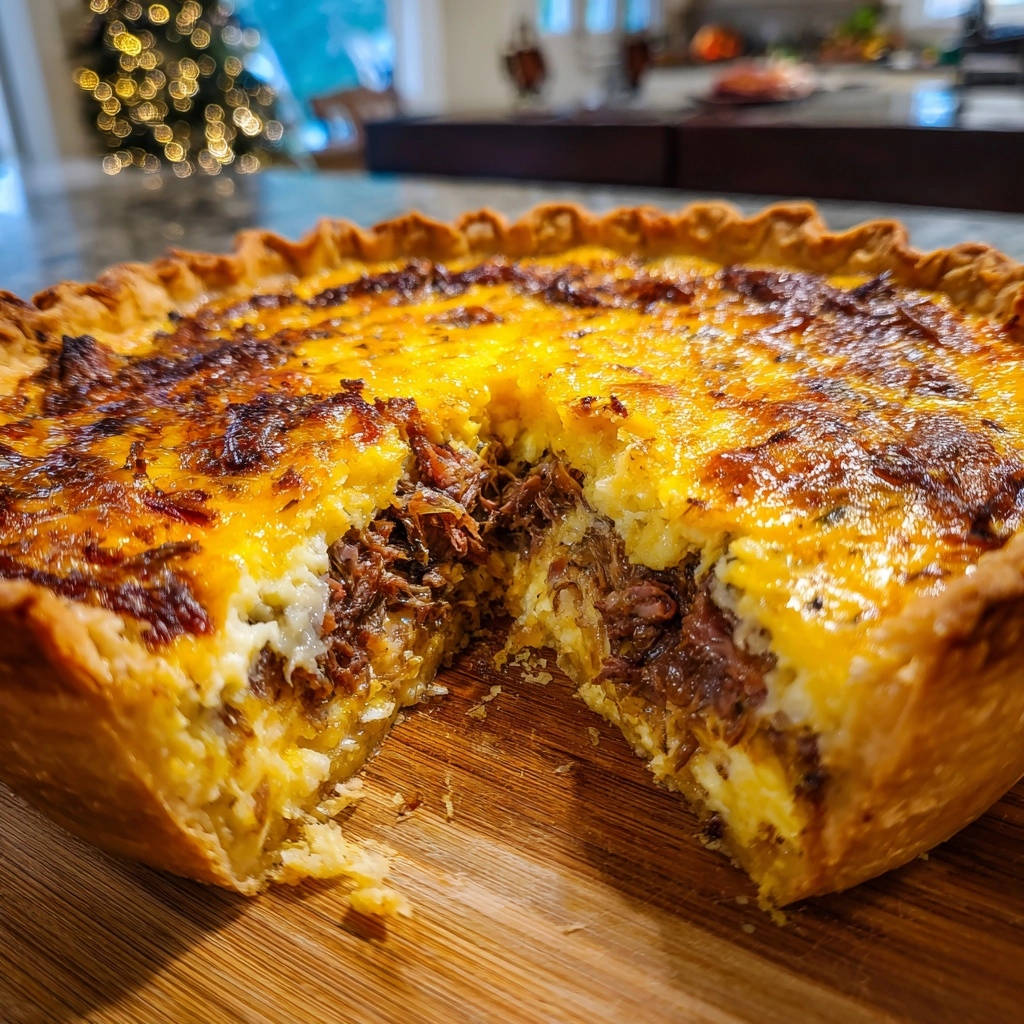
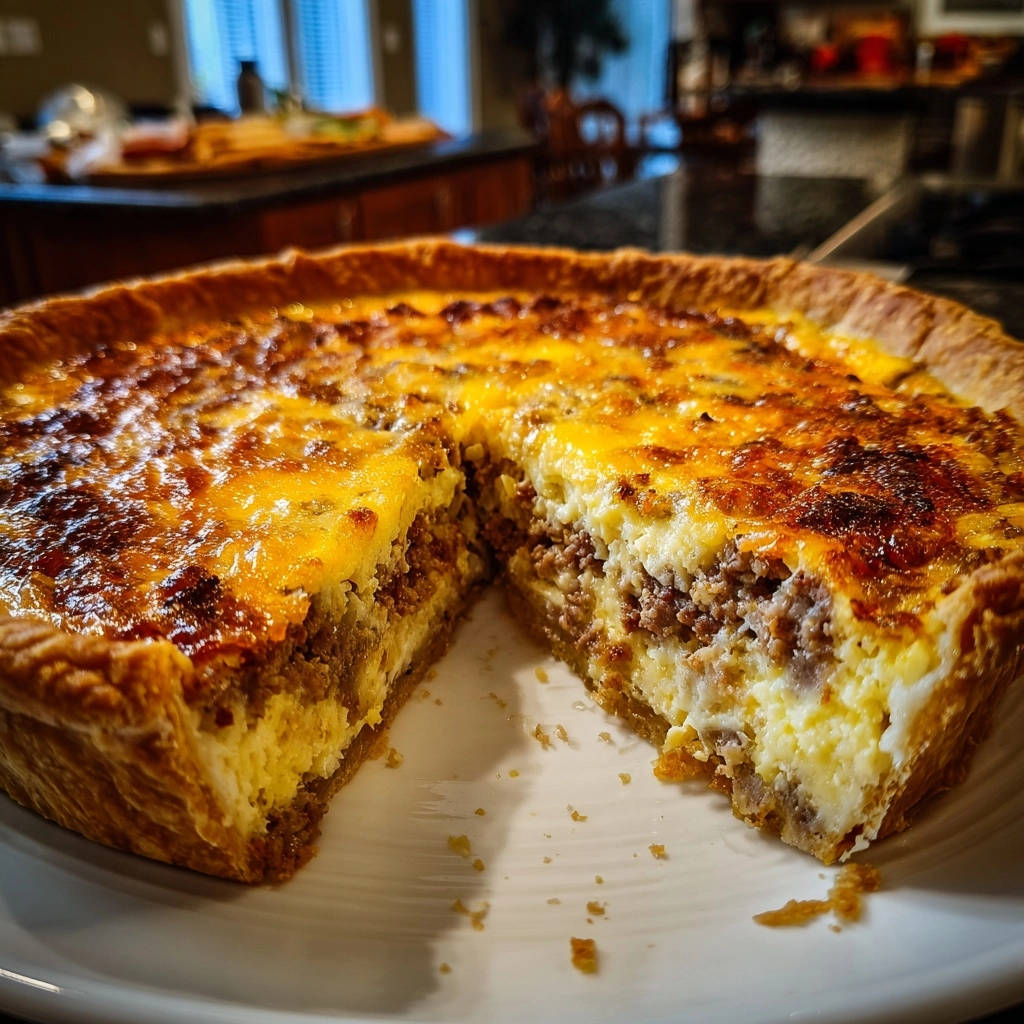
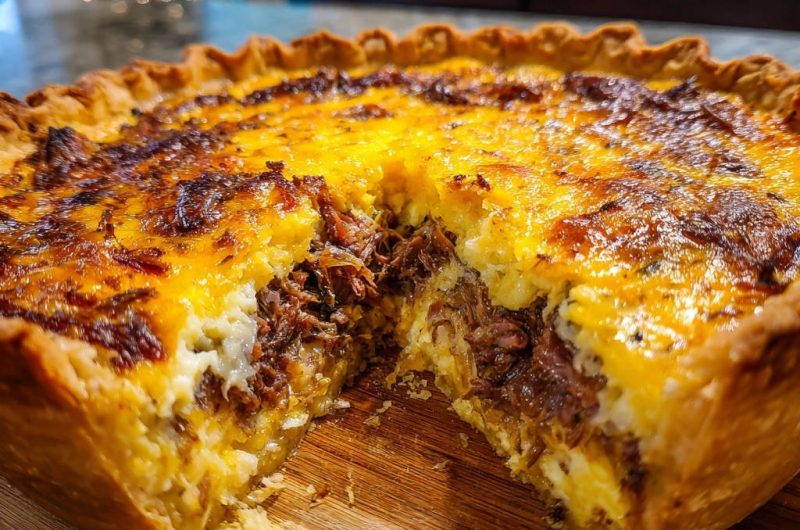
Deep Dish Savory Pulled Beef Quiche recipe specifically to solve that problem, combining rich, slow-cooked beef with a deeply flavorful custard set within a guaranteed flaky, crisp shell.
This technique, centered around a meticulous two-stage blind bake, builds the foundational structure needed to support a substantial, savory filling, ensuring every bite delivers both texture and exquisite flavor.
The Anti-Soggy Bottom Technique: Guaranteed Flaky Deep Dish Crust
Soggy crust happens when the moisture from the wet custard filling seeps into the raw or partially baked dough during the cooking process.
The solution is a layered defense mechanism that locks out moisture before the filling even touches the pastry.
We achieve this with two critical steps: a full, two-part blind bake to thoroughly dry and seal the crust, followed by a protective layer of shredded cheese that acts as an impermeable moisture barrier.
Utilizing a deep dish crust is essential here; it provides the structural integrity and generous volume needed to hold the copious amounts of savory pulled beef and rich custard without overflowing.
Ingredients Overview: Flavor, Texture, and the Essential Moisture Barrier
The Deep Dish Advantage: Crust Requirements
A deep dish shell is significantly taller and wider than a standard crust, which means it requires a dough that is both robust and durable.
Whether you choose a store-bought crust for convenience or a sturdy homemade shortcrust, ensure the dough is cold and has sufficient depth to accommodate the filling without spillover.
The Star Filling: Pulled Beef and Caramelized Onions
Seasoned, slow-cooked brisket or chuck roast provides an unmatched depth of flavor and tender texture that elevates this from a simple quiche to a hearty meal.
The inclusion of half a cup of sweet, deeply caramelized onions is non-negotiable, providing necessary sweetness that balances the saltiness of the beef and sharp cheddar.
Building the Perfect Custard Base
We rely exclusively on heavy cream, not milk, because its higher fat content prevents the custard from weeping and helps it set into a luxurious, stable structure.
Using four large eggs creates the necessary protein matrix, while proper whisking ensures the final custard is light, not dense.
Dried thyme is the essential aromatic, tying the savory beef flavors together, complemented only by simple salt and black pepper.
The Crucial Cheese Moisture Barrier
Sharp cheddar cheese serves a dual purpose: its pungent flavor beautifully complements the beef, and most importantly, it melts rapidly against the hot crust.
This initial melt creates a sealed layer of fat and dairy solids that physically prevents the liquid egg mixture from contacting the flaky pastry base, completely eliminating sogginess.
Essential Tools for Deep Dish Savory Pulled Beef Quiche Success
Deep Dish Pie Plate: The extra height of this plate is crucial for holding the volume of the pulled beef and rich custard.
Pie Weights or Dried Beans: Necessary during the first stage of blind baking to hold the crust edges in place and prevent the dough from shrinking down the sides of the plate.
Whisk and Mixing Bowls: A large bowl for assembling the custard and a strong whisk are needed to ensure the heavy cream and eggs are fully homogenized and slightly aerated.
Wire Cooling Rack: Essential for proper air circulation beneath the quiche after baking, which stops residual heat from the plate from causing the base to steam and soften.
The Expert Method: Crafting Your Deep Dish Savory Pulled Beef Quiche
Step-by-Step Deep Dive into Blind Baking Perfection
-
Preheat and Prepare the Crust:
Preheat the oven to 375°F. Prick the bottom and sides of the crust thoroughly with a fork-this technique, known as docking, prevents large air bubbles from forming under the crust.
Line the shell with parchment paper and fill it completely with your chosen pie weights, ensuring they press firmly into the corners and sides.
-
The Two-Stage Blind Bake:
Bake the weighted crust for 15 minutes. This sets the dough structure.
Crucially, remove the weights and parchment, then return the empty crust to the oven for an additional 10 minutes until the bottom looks dry, matte, and lightly golden. This final stage completely dries the pastry, sealing it against the liquid.
Allow the shell to cool slightly while you prepare the remaining components; filling a very hot crust can lead to an unevenly cooked custard.
Layering Flavor: The Cheese Moisture Barrier and Custard Preparation
-
Establishing the Moisture Barrier and Filling Base:
Sprinkle 1/2 cup of the sharp cheddar directly onto the bottom of the warm crust.
This initial layer melts immediately upon baking, creating the essential protective seal before you evenly distribute the cooked, shredded beef and caramelized onions on top.
-
Preparing the Fluffy Custard:
In a medium bowl, whisk together the eggs, heavy cream, thyme, salt, and pepper.
Whisk vigorously until the mixture is completely combined and slightly frothy, which indicates that a small amount of air has been incorporated, aiding in a lighter, less dense final set.
Final Assembly and Achieving the Ideal Set
-
Gently Pour and Top:
Gently pour the prepared custard mixture over the savory fillings in the pie shell.
For that same smooth pour, try our creme brulee cheesecake for a crack-free finish.
Pour slowly and steadily to ensure the liquid disperses evenly without disturbing the foundational beef and onion layers.
Sprinkle the remaining 1 cup of cheddar cheese over the top of the quiche for a beautiful golden finish.
-
The Final Bake and Temperature Reduction:
Reduce the oven temperature to 350°F immediately after assembly.
This lower temperature ensures the custard cooks slowly and evenly from the center outward, preventing the edges from scorching or the top from setting too quickly while the middle remains raw.
Bake for 30 to 35 minutes; if the crust edges start to brown too aggressively, loosely cover them with strips of foil.
-
Cooling is Essential:
Remove the quiche from the oven and immediately place it on a wire rack.
Allowing it to cool for at least 15 minutes is critical, as this resting period finishes the cooking via residual heat and permits the custard’s protein structure to firm up cleanly, preventing the quiche from weeping upon slicing.
Chef’s Secrets: Troubleshooting and Elevating Your Quiche Experience
How to Test for Doneness (Beyond Just Looking)
The visual cue is a golden top, but the true test is the “jiggle test.” Gently tap the side of the pie plate.
The edges should be fully set and firm, and only the dead center (about the size of a quarter) should show a very slight, barely perceptible wobble.
Alternatively, insert a thin, sharp knife about an inch from the edge; it should come out clean. Avoid testing the center, as this can break the setting structure.
Flavor Variations: Simple Swaps to Customize Your Pulled Beef Quiche
For a richer, nuttier profile, swap the sharp cheddar for Gruyère or Emmenthal cheese.
Smoked Gouda provides a deep, smoky undertone that beautifully complements the pulled beef.
To add vegetables, fold in one cup of lightly sautéed spinach (drained thoroughly) or roasted red peppers into the beef and onion base before adding the custard.
Preventing the “Mushroom Top”: Why Custard Overflows
The custard tends to puff up dramatically (the “mushroom top”) and sometimes spill if the quiche is overfilled, or if the oven temperature is too high initially.
Ensure you follow the precise deep dish measurements, and always reduce the heat to 350°F for the main bake to allow the custard to set gently.
Make Ahead, Storage, and Reheating Best Practices
Can I Prepare the Quiche Shell or Filling in Advance?
Yes, preparing components ahead of time makes assembly quick and easy. The crust can be fully blind-baked, cooled, and stored at room temperature for up to 24 hours.
The pulled beef and caramelized onions can be made up to two days in advance and kept refrigerated in airtight containers.
Storing and Reheating Leftovers for Optimal Texture
Store cooled leftover slices of your Deep Dish Savory Pulled Beef Quiche in an airtight container in the refrigerator for up to four days.
For reheating, the oven is strongly preferred over the microwave to preserve the flaky crust. Reheat slices at 300°F for 10-15 minutes until warmed through, or use a toaster oven for extra crispness.
Quick Answers: Your Deep Dish Quiche Questions Solved
Why is My Custard Watery or Separating?
A watery or separated custard is usually a sign that the quiche was either sliced too early, preventing the proteins from fully setting, or that heavy cream was substituted with a lower-fat milk, introducing excess moisture.
Always allow the full 15 minutes of resting time on the wire rack.
What if I don’t have pie weights?
Effective substitutes for pie weights include dried beans (pinto or navy are excellent), uncooked rice, or granulated sugar.
Ensure the substitute material completely fills the parchment-lined crust to support the sides during the initial blind bake.
Can I make this recipe in a standard pie plate?
While the method of blind-baking and the cheese barrier can be applied to any crust, the ingredient quantities listed here are designed specifically for the depth of a deep dish pan.
If using a standard pie plate, you must reduce the amounts of beef, onions, and custard by approximately one-third to prevent significant overflow during baking.
Ready to Bake? Share Your Deep Dish Savory Masterpiece
Mastering the anti-soggy technique means you can finally create a quiche that is as impressive structurally as it is flavorful.
Try this reliable recipe for Deep Dish Savory Pulled Beef Quiche and enjoy the hearty, crispy-crusted results-a guaranteed crowd-pleaser for brunch or dinner.
Don’t forget to utilize that essential cheese layer!
Pulled Beef Quiche
Course: Main CourseCuisine: American/French-inspiredDifficulty: medium8
servings30
minutes55
minutes550
kcal85
minutesSay goodbye to soggy bottoms! This recipe teaches the essential technique for achieving a flaky, crisp crust every time. Loaded with seasoned shredded beef, sharp cheddar, and sweet caramelized onions, this deep dish savory quiche is perfect for breakfast, brunch, or dinner.
Ingredients
1 standard 9-inch deep dish pie crust (store-bought or homemade)
2 cups cooked, shredded beef (brisket or chuck roast, seasoned)
1.5 cups shredded sharp cheddar cheese, divided
1/2 cup caramelized onions
4 large eggs
1.5 cups heavy cream
1 teaspoon dried thyme
1/2 teaspoon salt
1/4 teaspoon black pepper
Directions
- Prepare the Crust for Blind Baking (The Anti-Soggy Bottom Technique): Preheat the oven to 375 degrees F. Prick the bottom and sides of the pie shell thoroughly with a fork. Line the crust with parchment paper and fill completely with pie weights or dried beans.
- Initial Blind Bake: Bake the crust for 15 minutes. Carefully remove the parchment paper and weights. Return the empty crust to the oven and bake for an additional 10 minutes until the bottom looks dry and lightly golden. This step is critical; baking the crust fully before adding the wet filling seals the dough and prevents moisture absorption. Let the shell cool slightly.
- Layer the Filling: Sprinkle 1/2 cup of the sharp cheddar cheese directly onto the bottom of the baked crust. This layer acts as a moisture barrier between the wet custard and the crust. Top the cheese layer with the shredded beef and the caramelized onions, distributing the filling evenly across the bottom.
- Prepare the Custard: In a medium bowl, whisk together the eggs, heavy cream, thyme, salt, and pepper until completely combined and slightly frothy.
- Assemble and Bake: Gently pour the egg mixture over the fillings inside the pie shell. Ensure the liquid distributes evenly. Sprinkle the remaining 1 cup of cheddar cheese over the top of the quiche.
- Final Baking: Reduce the oven temperature to 350 degrees F. Bake for 30 to 35 minutes, or until the center is set and the top is golden brown. If the edges of the crust start to darken too quickly, cover them lightly with foil strips.
- Cooling and Serving: Remove the quiche from the oven and allow it to cool on a wire rack for at least 15 minutes before slicing and serving. This resting time finishes the internal cooking process and helps the custard set cleanly.
Notes
- Follow the critical blind baking steps to ensure a perfectly crisp, non-soggy bottom crust.