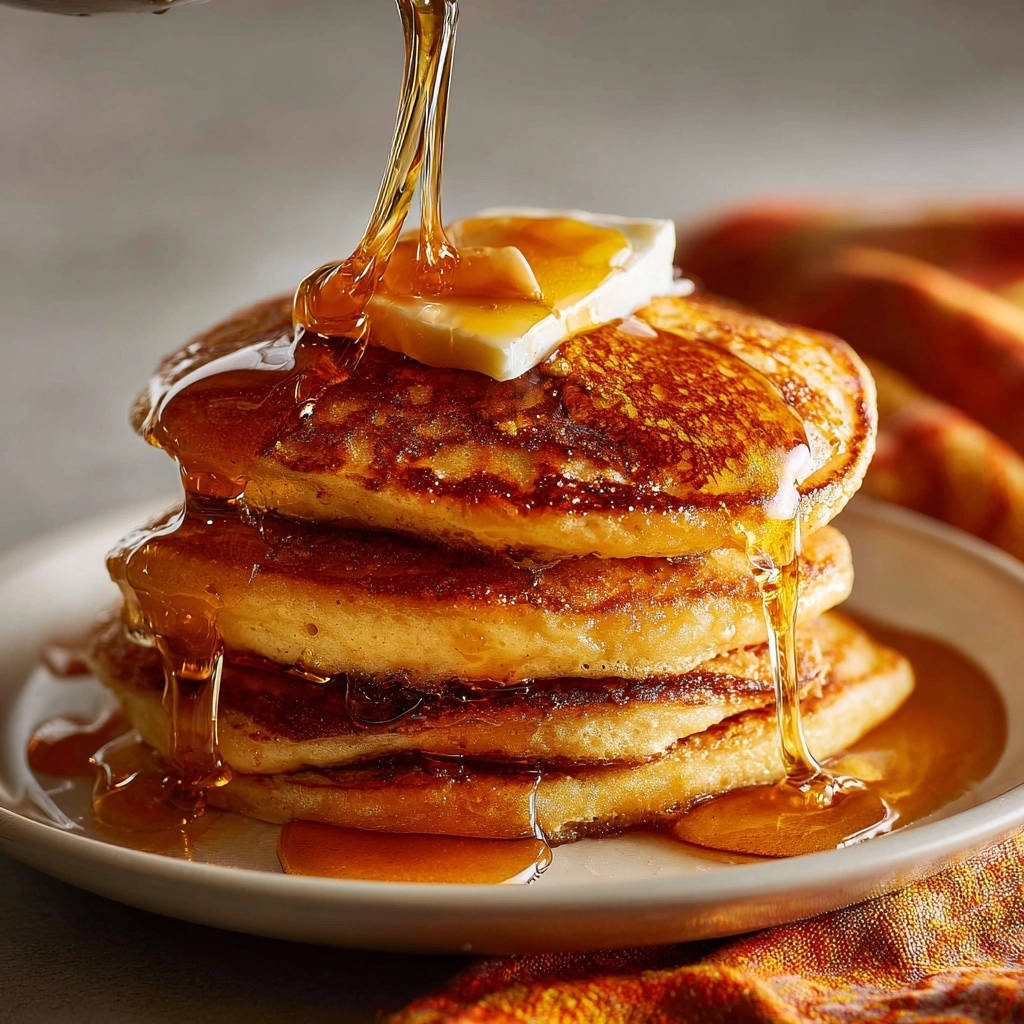
For years, I struggled with making truly perfect pancakes-they were often flat, gummy, or inconsistently cooked. The breakthrough came when I realized the secret to achieving genuine Diner-Style Fluffy Pancakes wasn’t a magic ingredient, but a precise, counterintuitive mixing technique.
This foolproof recipe guarantees maximum lift and tenderness by prioritizing lumps over smoothness, delivering stacks so airy and golden, you’ll never use a boxed mix again.
Beyond the Box: What Makes This Recipe So Reliable?
The common mistake is to mix pancake batter until it is perfectly smooth, which is precisely what leads to dense, rubbery flapjacks. This recipe instructs you to stop mixing while flour pockets are still visible, preventing gluten from developing.
Gluten is the protein responsible for chewiness; by gently folding the batter and leaving those desirable lumps, we keep the texture tender. This minimal mixing, combined with a crucial rest period, is the “Overmixing Antidote” that unlocks fluffy perfection.
The Building Blocks of Better Batter: A Closer Look at Ingredients
Flour Power and Consistency
Standard all-purpose flour works beautifully for this recipe. For an incredibly light, cloud-like texture, lightly sift the flour before measuring to prevent packing.
The starch content in the flour absorbs the liquid during the rest period, further enhancing the thickness and tenderness of the final pancake texture.
Why Fresh Baking Powder Is Non-Negotiable
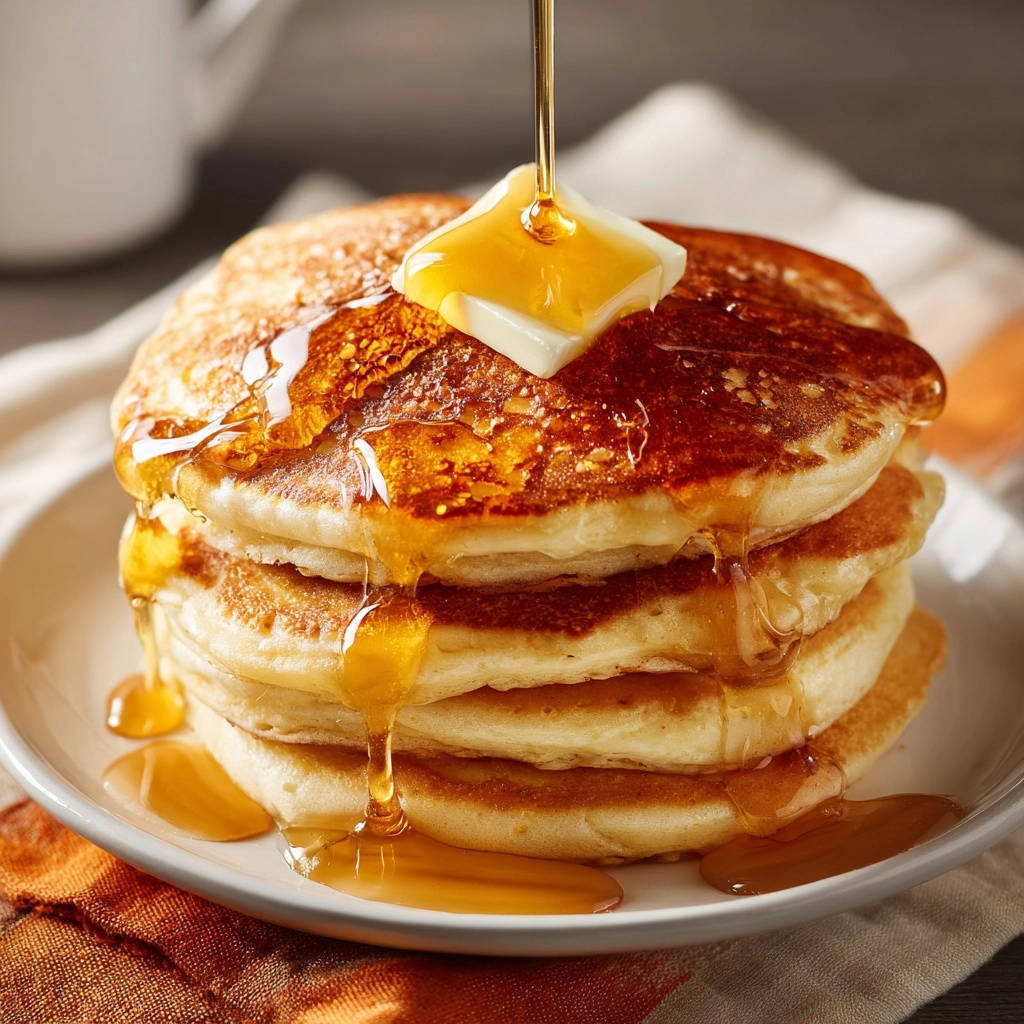
Baking powder is your primary leavening agent and must be fresh to guarantee maximum lift. If your powder is older than six months, the chemical reaction that creates CO2 bubbles will be weak.
Test your baking powder by dropping a half-teaspoon into hot water; it should immediately fizz vigorously, confirming it has the power necessary to achieve that desirable “diner height.”
Choosing the Right Dairy and Fat
Whole milk is preferred because its higher fat content contributes to a richer flavor and a more tender, moister crumb structure in the finished stacks.
Melted unsalted butter adds unparalleled flavor depth compared to oil. Ensure the melted butter is cooled slightly before mixing so it doesn’t scramble the egg.
Kitchen Essentials for Diner-Style Fluffy Pancakes Success
The Right Griddle or Skillet
A heavy-bottomed cast iron skillet or a quality non-stick griddle ensures heat is distributed evenly. Consistent, steady heat is essential for even browning and internal cooking.
The Whisk vs. The Spatula
Use a whisk only for combining the dry ingredients and the wet ingredients separately. Once combined, switch to a wide rubber spatula or wooden spoon for gentle folding to prevent overmixing.
Measuring Tools
Always use the spoon-and-level method for measuring flour and baking powder. Scooping directly from the bag compacts the flour, resulting in a cup that contains too much dry ingredient and a dense final product.
Mastering the Method: Your Step-by-Step Guide to Maximum Lift
Preparing the Foundation: Dry Mix Integrity
In a large bowl, whisk the flour, sugar, baking powder, and salt together vigorously for about 30 seconds.
Thoroughly combining these dry ingredients ensures the salt and leavening agents are distributed evenly, guaranteeing consistent texture in every pancake.
Combining the Liquids
In a separate bowl, lightly whisk the milk and egg until just broken up and combined.
Gently incorporate the slightly cooled melted butter. Minimal mixing here ensures the wet ingredients are ready to go without incorporating excessive air.
Crucial Step 3: The Overmixing Antidote (Embracing the Lumps)
Pour the wet mixture into the center of the dry ingredients and, using your spatula, fold them together only until the dry streaks are mostly gone-typically 10 to 12 light folds.
Stop immediately when you still see small pockets or streaks of flour. These lumps are undeveloped gluten pockets that will hydrate during the rest, ensuring incredibly light and fluffy Diner-Style Fluffy Pancakes.
Resting the Batter for Activation and Relaxation
Allow the batter to rest undisturbed at room temperature for 5 to 10 minutes.
This dual-action rest period allows the gluten to relax completely and gives the baking powder time to start its initial activation before it hits the heat.
Prepping the Heat Source
Heat your griddle or non-stick skillet over medium heat. Too high a heat will burn the outside before the center cooks.
Test the heat by flicking a small drop of water onto the surface; it should instantly sizzle and evaporate, indicating perfect readiness.
Portioning and Waiting for the Visual Cues
Lightly grease the surface with butter or oil and pour 1/4 cup of batter per pancake, ensuring they are well-separated.
Cook for 2 to 3 minutes, watching carefully for bubbles to rise to the surface, pop, and leave a permanent hole; this is the definitive visual cue that the base is set and ready to flip.
The Perfect Flip and Finish
Flip the pancakes using a thin spatula and cook for another 1 to 2 minutes until they are gorgeously golden brown on the second side and fully cooked through.
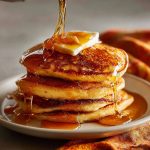
Serve immediately, stacked high, to enjoy the maximum volume and warmth of these perfect brunch treats.
Sweet Treats to Complement Your Pancakes
Round out your breakfast or brunch with these delightful baked goods.
- For a moist and flavorful experience, try this Almond Syrup Cake, bringing a warm, nutty sweetness.
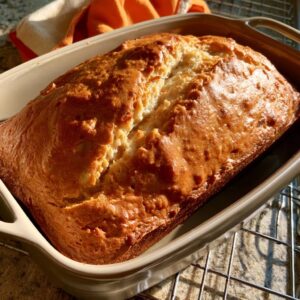
- If you enjoy bright citrus notes, the Orange Glazed Loaf Cake offers a zesty counterpoint to fluffy pancakes.
Secrets from the Griddle: Elevating Your Pancake Game
The Temperature Management Trick
Maintain consistent medium heat throughout the cooking process. If your griddle starts smoking between batches, wipe it clean and temporarily remove it from the heat for 30 seconds before continuing.
Cleaning Between Batches
Buttered griddles accumulate small specks of burned butter or flour, which transfer to the next pancake batch, creating dark spots.
Between batches, use a folded paper towel held with tongs to quickly and lightly wipe the griddle surface clean before adding the next round of butter or oil.
Uniformity is Key
Use a specific measuring cup (like the 1/4 cup measure) or an ice cream scoop to portion the batter.
Consistent sizing ensures that all pancakes cook at the same rate, preventing undercooked centers or burned edges within the same batch.
For perfectly cooked centers in your breakfast creations, check out these sausage pancake breakfast bites.
The High-Altitude Adjustment
At very high altitudes, leavening agents react more quickly. You may need to slightly reduce the baking powder (by 1/4 teaspoon) and slightly increase the liquid (milk) to compensate for the faster rate of gas expansion.
Troubleshooting Common Pancake Problems (And How to Fix Them)
Why Are My Diner-Style Fluffy Pancakes Flat and Dense?
The primary culprit is almost always overmixing, which develops the toughening gluten strands.
Another common cause is using old, inactive baking powder; always check your leavening agent’s freshness before starting the recipe.
My Edges Are Burning Before the Center Cooks
The heat setting on your stovetop is likely too high, or your griddle is not thick enough to distribute the heat evenly.
Reduce the heat to medium-low. Too much sugar in the recipe can also cause premature caramelization and burning; always follow the recommended ingredient ratios.
The Batter Is Too Thick or Too Runny
If the batter seems too thick after resting, stir in milk one tablespoon at a time until it flows easily from the spoon, but is still thick enough to hold its shape.
If the batter is too runny, let it rest for a few extra minutes to allow the flour to hydrate fully, or, as a last resort, gently fold in a single teaspoon of flour.
Stack ‘Em High: Creative Toppings and Serving Suggestions
Savory Twists for Brunch
Pancakes don’t have to be purely sweet. Try folding crispy, finely crumbled bacon bits into the batter before cooking.
Serve the cooked pancakes topped with a dusting of fresh chives and a perfectly soft-cooked or fried egg for a unique brunch dish.
Gourmet Fruit Combinations
Elevate simple fruit by caramelizing sliced bananas in butter and brown sugar before spooning them over the stack.
For a tart counterpoint, simmer frozen berries with a tablespoon of sugar and lemon juice to create an irresistible warm berry compote.
For a similar warm, spiced treat, try warm cinnamon swirl coffee cake.
Warming Syrup Alternatives
Move beyond standard maple syrup by topping your fluffy stacks with creamy honey butter, made by whipping together equal parts softened butter and warm honey.
A homemade salted caramel sauce or rich dark chocolate ganache makes these breakfast treats feel decadent and special.
Storing Your Stacks: Make-Ahead Tips and Reheating Methods
Can I Make the Batter Ahead of Time?
It is not recommended to mix the complete batter more than an hour ahead, as the baking powder will lose its power and result in flat pancakes.
For convenience, whisk the dry ingredients together and store them airtight, and mix the wet ingredients and keep them refrigerated overnight; combine them just before cooking.
The Best Way to Store Cooked Pancakes
Cool leftover pancakes completely on a wire rack before freezing.
Stack them with squares of parchment paper between each one, place them in a freezer bag, and freeze for up to three months.
Reheating Without Drying Them Out
The best method for reheating is in a toaster oven or standard oven set to 350°F (175°C) for about 5 to 7 minutes.
If using a microwave, wrap the stack in a damp paper towel and heat in 30-second increments to retain moisture and prevent them from becoming chewy.
Quick Answers: Your Top Questions About Diner-Style Fluffy Pancakes
Can I Use Non-Dairy Milk Alternatives?
Yes, non-dairy milks like oat or soy milk work as excellent substitutes in this recipe.
Be aware that leaner alternatives like almond milk may result in a slightly less rich flavor and marginally thinner pancake.
Is It Better to Cook Pancakes in Butter or Oil?
Whole butter imparts wonderful flavor, but it contains milk solids that burn quickly and can leave dark, unattractive specks.
The optimal choice is clarified butter (ghee) or a high smoke point neutral oil like grapeseed, which offers fat for browning without the burning risk.
Why Do I Need to Rest the Batter?
Resting the batter serves two critical functions: it allows the gluten that may have formed during the minimal mixing to fully relax, ensuring tenderness.
Crucially, the rest allows the flour to fully absorb the liquid and gives the baking powder time to hydrate, preparing it for the explosive lift needed when hitting the hot griddle.
Time to Indulge: Share Your Diner-Style Fluffy Pancakes Success
This method-embracing the lumps and allowing for that brief, crucial rest-is the only way to achieve true, non-gummy, sky-high diner perfection at home.
Prepare to enjoy the ultimate weekend breakfast. Try this recipe for Diner-Style Fluffy Pancakes this week, stack them as high as you dare, and share your delicious success!
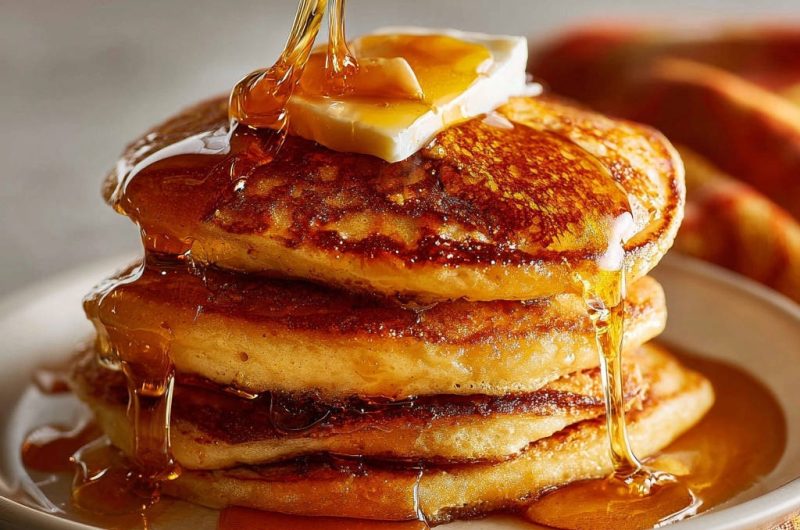
Fluffy Pancakes
Course: BreakfastCuisine: AmericanDifficulty: easy4
servings10
minutes10
minutes350
kcal20
minutesAchieve perfect diner height and tenderness every time with this simple method. The secret lies in one small, often-ignored step: stopping the mixing process while the batter is still lumpy. This guarantees maximum lift and a beautifully tender texture!
Ingredients
1 1/2 cups all-purpose flour
2 tablespoons granulated sugar
1 tablespoon baking powder (fresh is key!)
1/2 teaspoon salt
1 1/4 cups milk (whole milk preferred)
1 large egg
2 tablespoons unsalted butter, melted, plus extra for the griddle
Maple syrup and butter, for serving
Directions
- Prepare the Dry Mix In a large bowl, whisk together the flour, sugar, baking powder, and salt. Make sure these dry ingredients are well combined; this ensures the leavening is evenly distributed.
- Prepare the Wet Mix In a separate medium bowl, whisk together the milk and the egg until just combined. Gently pour in the 2 tablespoons of melted butter and whisk lightly.
- The Overmixing Antidote Crucial Step Combine the wet and dry ingredients. Pour the wet mixture directly into the center of the dry mixture. Using a spatula or wooden spoon, fold the ingredients together only until the flour is mostly incorporated. You MUST stop mixing while there are still small lumps of flour visible (approximately 10 to 12 folds). Overmixing develops the gluten and leads to dense, gummy pancakes. Lumps are your friends here!
- Rest the Batter Let the batter rest at room temperature for 5 to 10 minutes. This allows the gluten to relax further and gives the baking powder time to start activating, guaranteeing maximum lift when they hit the heat.
- Cook Evenly Heat a nonstick skillet or griddle over medium heat. Lightly grease the pan with a small pat of butter or a very light swipe of oil. The pan is ready when a drop of water quickly evaporates.
- Portion and Flip Pour 1/4 cup of batter per pancake onto the heated griddle. Cook for 2 to 3 minutes, or until bubbles start to appear across the surface and the edges look set. The key is to wait for those bubbles to pop and the hole to remain open before flipping.
- Finish Cooking Flip the pancakes and cook for another 1 to 2 minutes until golden brown and cooked through. Serve immediately, stacked high, topped with butter and plenty of warm maple syrup.
Notes
- Do not overmix the batter. Lumps are crucial for maximum fluffiness!