I know the disappointment of craving a soulful stew, only to encounter tough, chewy beef. After years of trial and error, I finally perfected my technique for this Hearty Beef Stew & Noodles, ensuring every bite is melt-in-your-mouth tender.
This isn’t just any stew; it’s a testament to slow cooking and includes incredibly fresh, homemade noodles that elevate it into an unforgettable, deeply satisfying meal. Prepare to discover the ultimate comfort food that truly delivers on its promise of warmth and flavor.
If you enjoy building a rich beef flavor, try this hearty beef sweet potato stew next.
Why This Stew & Homemade Noodles Will Be Your New Favorite
Mastering Melt-in-Your-Mouth Beef
This recipe focuses on the foundational steps that guarantee tender beef every time. From crucial browning techniques to a patient, slow braise, we eliminate tough meat frustrations.
The result is beef that practically melts in your mouth, soaking up all the rich, savory flavors of the stew.
The Undeniable Appeal of Homemade Noodles
While store-bought noodles are an option, homemade noodles truly elevate this dish. Their fresh, slightly chewy texture provides the perfect counterpoint to the rich stew.
Crafting them from scratch adds a special touch, making this Hearty Beef Stew & Noodles an incredibly rewarding culinary experience.
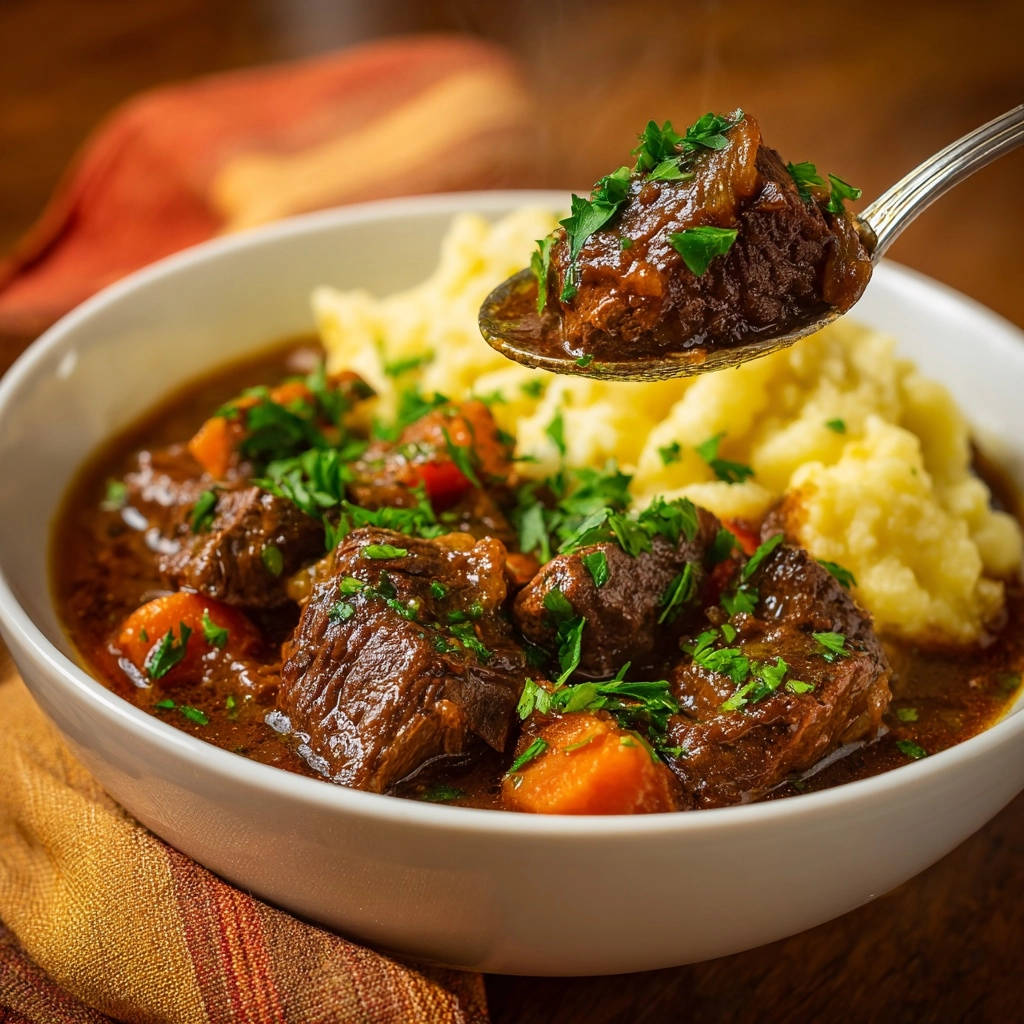
A Complete Meal: Comfort in Every Spoonful
This dish is designed to be a complete, nourishing meal. It’s packed with protein, vegetables, and carbohydrates, making it incredibly satisfying.
Perfect for chilly evenings, family dinners, or whenever you need a bowl of pure, heartwarming comfort.
Gather Your Gear: Essential Tools for Stew Success
The Mighty Dutch Oven (or Heavy-Bottomed Pot)
A heavy-bottomed pot, ideally a Dutch oven, is indispensable for this recipe. Its excellent heat retention and even distribution are crucial for proper searing and the long, slow braise.
This ensures the beef cooks consistently and becomes incredibly tender without scorching.
Noodle Making Made Easy: Spaetzle Maker or Colander
For homemade noodles, a spaetzle maker is ideal for quickly shaping the dough. If you don’t have one, a colander with large holes works perfectly as a simple alternative.
These tools make the noodle-making process surprisingly easy and efficient.
Basic Kitchen Essentials You’ll Need
Sharp knife and cutting board for vegetable and beef prep.
Large bowls for mixing ingredients.
Measuring cups and spoons for accurate proportions.
Wooden spoon or spatula for stirring and scraping the pot.
Slotted spoon for removing cooked noodles.
The Heart of the Dish: Key Ingredients for Tender Stew
For the Unbeatable Beef Stew Base
Beef Chuck: This cut, with its excellent marbling, is specifically chosen for its ability to transform into succulent, fall-apart tender pieces through slow braising. Cutting it into 1 1/2 inch cubes ensures optimal browning and even cooking.
Flavorful Vegetables: Fresh yellow onion and carrots form a sweet and savory foundation. They add essential flavor depth and texture to the stew.
Broth & Thickener: Low-sodium beef broth provides a rich liquid base, allowing you to control the seasoning. All-purpose flour creates a classic roux for a beautifully thickened, velvety sauce.
Signature Spices: Dried thyme infuses the stew with its classic, earthy warmth, while a bay leaf adds a subtle, aromatic complexity that deepens over the long cook time.
Crafting Your Own Tender Noodles From Scratch
All-Purpose Flour: This is the fundamental building block for your noodles, providing structure and that desirable chewy yet tender bite.
Eggs & Milk: Eggs act as a binding agent, enriching the dough and contributing to the noodles’ smooth texture. Milk adds moisture and a subtle richness.
Salt: Essential for seasoning both the noodle dough itself and the water they cook in, ensuring every component of your meal is flavorful.
Your Step-by-Step Journey to Hearty Beef Stew & Noodles
- The Secret to Tender Beef: Sear & Set Aside
Thoroughly pat beef cubes dry; this is non-negotiable for achieving a proper, flavorful sear rather than steaming. Heat oil in a Dutch oven and sear the beef in batches until deeply browned and a rich crust forms on all sides.
This crucial browning step locks in moisture and develops incredible foundational flavor for the entire stew. Remove the browned beef to a plate and set aside.
- Sauté Aromatics
Reduce heat to medium. Add the chopped onion to the pot and cook, stirring occasionally, until it softens and becomes translucent, about 5-7 minutes. Stir in the carrots and cook for another 3 minutes, allowing their flavors to meld.
- Build the Roux for a Velvety Sauce
Sprinkle the all-purpose flour evenly over the sautéed vegetables. Cook, stirring constantly, for 1 minute. This creates a roux, which will beautifully thicken your stew as it simmers, ensuring a smooth, luxurious texture.
- Deglaze and Add Liquids
Slowly pour in the beef broth and water, continuously scraping the bottom of the pot with a wooden spoon. This vital step deglazes the pan, releasing all the flavorful browned bits (fond) from the bottom, which adds tremendous depth to your stew.
- Return Beef & Season the Stew
Return the browned beef to the pot, nestling it into the liquid. Stir in the salt, black pepper, dried thyme, and the bay leaf. Ensure the beef is mostly submerged; if not, add a little more broth or water to cover it.
- Low and Slow: The Braising Magic
Bring the stew to a gentle simmer, then reduce the heat to low, cover the pot tightly, and cook for 2 1/2 to 3 hours. The long, slow braise is the true magic, transforming the beef into fall-apart tender perfection. Check the liquid level periodically, adding a splash more if it seems too low.
- Prepare the Homemade Noodles
While the stew finishes cooking, prepare your noodles. In a medium bowl, whisk together the flour and salt. In a separate small bowl, whisk the eggs and milk until well combined. Pour the wet ingredients into the dry and stir until a thick, shaggy batter forms; do not overmix.
- Cook the Fresh Noodles
Bring a large pot of salted water to a rolling boil. Using a spaetzle maker or a colander with large holes, press the noodle batter directly into the boiling water in small batches. Cook for 2 to 3 minutes, or until the noodles float to the surface. Remove with a slotted spoon and drain, then repeat with the remaining batter.
- Final Seasoning Check & Bay Leaf Removal
Once the stew is cooked and the beef is tender, taste it and adjust the seasonings if necessary. Remember to remove and discard the bay leaf before serving, as its purpose has been fulfilled.
- Serve & Garnish with Freshness
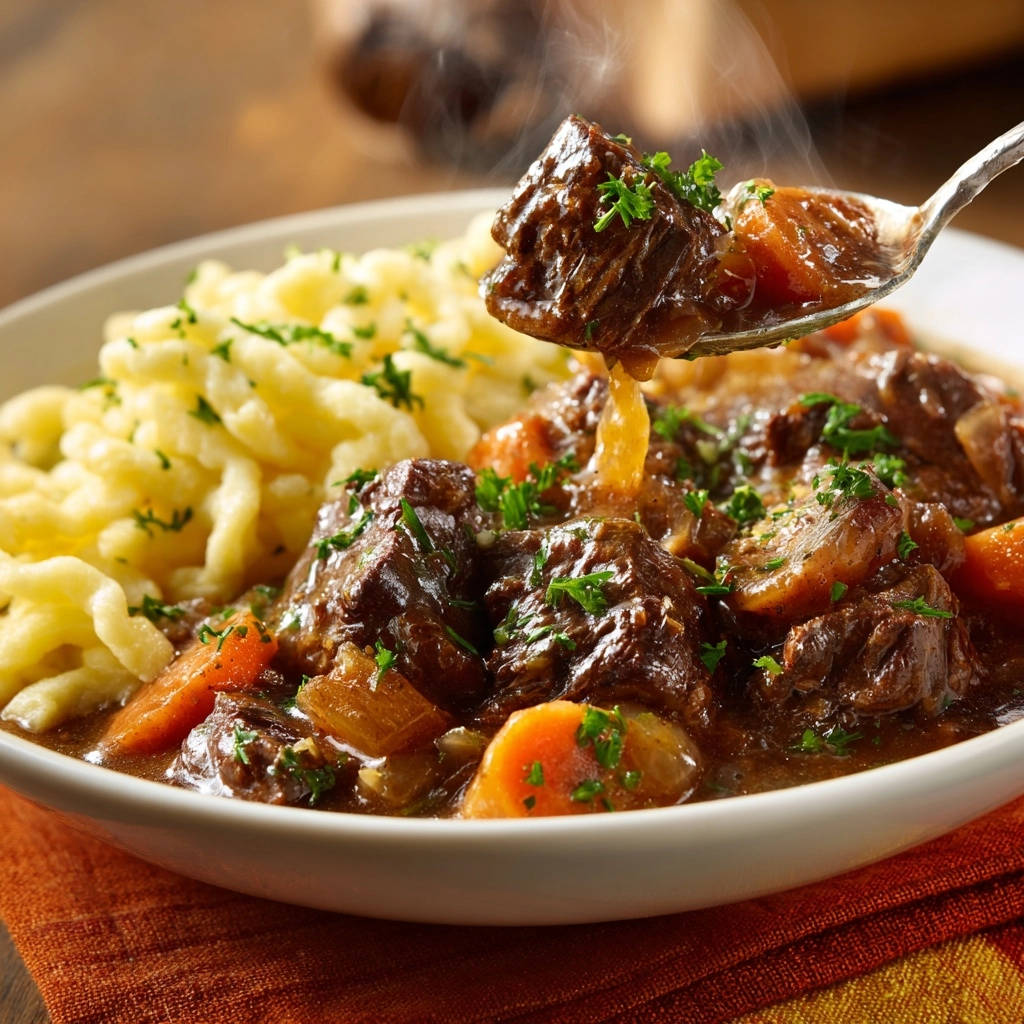
Ladle the incredibly hearty beef stew generously over the freshly cooked homemade noodles. Garnish with a sprinkle of fresh chopped parsley for a bright, aromatic finish and a pop of color.
Chef’s Secrets: Elevating Your Hearty Beef Stew & Noodles
Don’t Skip the Drying and Browning: Patting the beef dry is non-negotiable for a perfect sear. This deep browning creates a rich, umami depth that permeates the entire stew and cannot be replicated.
Patience with the Braise: The long, slow cooking time is the absolute key to achieving truly tender meat. Don’t rush it; allow the low, gentle heat to work its magic and break down the tough fibers.
Noodle Consistency is Key: The noodle batter should be thick enough to hold its shape but still pourable. If it’s too thin, add a little more flour; if too thick, a splash of milk will help reach the right consistency.
Taste as You Go: Always taste your stew before serving and adjust salt and pepper to your preference. Different brands of beef broth have varying sodium levels, making this step crucial for perfect seasoning.
Fresh Herbs Make a Difference: While dried thyme is used for cooking, fresh parsley as a garnish adds a burst of brightness, freshness, and aromatic appeal that beautifully elevates the entire dish.
Solving Common Stew & Noodle Conundrums
My Beef Isn’t Tender!
If your beef is still tough after the recommended cooking time, it simply needs more time. Continue to simmer it on low heat, covered, until it reaches fork-tender perfection. Ensure the liquid level remains adequate throughout this extended cooking.
The Stew is Too Thin/Thick
If the stew is too thin, uncover the pot for the last 30 minutes of cooking to allow some liquid to evaporate. Alternatively, mix a tablespoon of cornstarch with a tablespoon of cold water, then stir it into the simmering stew to thicken. If too thick, simply add a splash more beef broth or water until your desired consistency is reached.
Noodles Are Sticky or Gummy
Ensure you’re cooking the noodles in small batches to avoid overcrowding the pot, which can lower the water temperature and prevent even cooking. Always make sure the water is at a rolling boil before adding noodles, and be careful not to overcook them; they only need 2-3 minutes.
Flavor Falls Flat
This usually indicates insufficient seasoning. After cooking, taste and add more salt and pepper as needed to bring out the flavors. A squeeze of lemon juice or a dash of Worcestershire sauce can also brighten and deepen the overall taste. Ensure you’re using a good quality beef broth as a base.
Your Hearty Beef Stew & Noodles Questions Answered
Can I Use Other Cuts of Beef?
While beef chuck is highly recommended for its marbling and consistently tender results after slow cooking, you could use other cuts specifically labeled for braising. Avoid leaner cuts like sirloin or round, as they tend to dry out and remain tough in a stew.
How Can I Make This Gluten-Free?
For the stew component, substitute the all-purpose flour with a gluten-free all-purpose flour blend or cornstarch for thickening. For the homemade noodles, you would need a specialized gluten-free noodle recipe or opt for store-bought gluten-free noodles, as the flour-egg-milk ratio is very specific.
Can I Prepare This Ahead of Time?
Absolutely! Beef stew often tastes even better the next day as the flavors have more time to meld and deepen. Prepare the stew fully, then store it in an airtight container in the refrigerator for up to 3-4 days. For the best texture, cook the homemade noodles fresh just before serving.
What Are Good Substitutes for Fresh Parsley?
If fresh parsley isn’t available, fresh chives or even a small sprinkle of dried parsley can work as a garnish. However, the vibrant freshness and bright flavor of fresh herbs are truly hard to beat in this dish. Consider omitting if no suitable fresh alternative is at hand.
Serving Suggestions & Smart Storage Solutions
Perfect Pairings for Your Comfort Meal
This hearty meal is quite complete with its tender beef and homemade noodles. However, a simple green side salad with a light vinaigrette or some crusty bread for soaking up every last drop of the rich gravy would be delightful complements.
Storing Leftovers for Future Enjoyment
Allow the stew to cool completely before transferring it to an airtight container. Store it in the refrigerator for up to 3-4 days. If possible, store any leftover noodles separately, or gently combine them if you plan to reheat them together.
Freezing for Long-Term Deliciousness
The beef stew freezes exceptionally well, making it perfect for meal prep. Portion cooled stew into freezer-safe containers or heavy-duty freezer bags and freeze for up to 3 months. Thaw overnight in the refrigerator before reheating gently on the stovetop. It’s best to cook fresh noodles when serving thawed stew.
Share Your Hearty Beef Stew & Noodles Masterpiece!
Now that you have the secrets to creating an incredibly tender, flavorful Hearty Beef Stew & Noodles, it’s time to bring this comfort to your kitchen. This recipe promises not just a meal, but a truly satisfying culinary experience.
Embrace the warmth, the rich flavors, and the joy of homemade goodness. We’d love to see your creations! Share your masterpiece and tell us about your experience in the comments below.
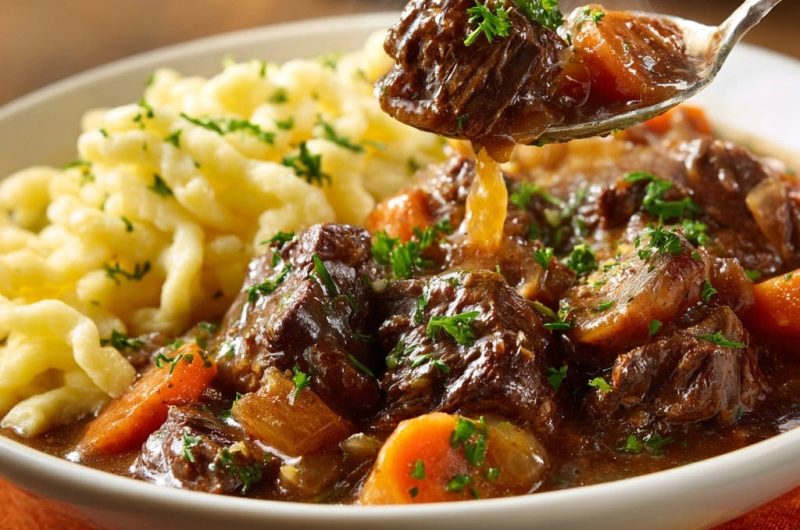
Beef Stew
Course: Soups-StewsCuisine: AmericanDifficulty: medium6
servings30
minutes3
hours650
kcal210
minutesCraving a warm, comforting beef stew with tender, melt-in-your-mouth meat? This recipe delivers, cracking the code to perfectly tender beef every time. Paired with homemade noodles, it’s a truly satisfying meal.
Ingredients
2 pounds beef chuck, cut into 1 1/2 inch cubes
2 tablespoons vegetable oil
1 large yellow onion, chopped
3 carrots, peeled and cut into 1 inch pieces
4 cups beef broth (low sodium)
1/2 cup water
2 tablespoons all purpose flour
1 teaspoon salt
1/2 teaspoon black pepper
1 teaspoon dried thyme
1 bay leaf
Fresh parsley, chopped, for garnish
For the noodles:
2 cups all purpose flour
2 large eggs
1/2 cup milk
1/2 teaspoon salt
Directions
- The Secret to Tender Beef: Pat the beef cubes thoroughly dry with paper towels. This is crucial! In a large Dutch oven or heavy bottomed pot, heat 1 tablespoon of vegetable oil over medium high heat until shimmering. Working in batches to avoid overcrowding the pan (which steams the meat instead of browning it), sear the beef cubes on all sides until deeply browned and a rich crust forms. This browning step locks in moisture and develops incredible flavor. Remove browned beef to a plate and set aside. Repeat with remaining beef, adding more oil if needed.
- Reduce heat to medium. Add the chopped onion to the pot and cook, stirring occasionally, until softened, about 5 to 7 minutes. Stir in the carrots and cook for another 3 minutes.
- Sprinkle the flour over the vegetables and cook, stirring constantly, for 1 minute. This creates a roux that will thicken your stew beautifully.
- Slowly pour in the beef broth and 1/2 cup of water, scraping the bottom of the pot with a wooden spoon to release any browned bits. Bring to a simmer.
- Return the browned beef to the pot. Add the salt, black pepper, dried thyme, and bay leaf. Ensure the meat is mostly submerged in the liquid. If not, add a little more broth or water.
- Bring the stew back to a gentle simmer, then reduce heat to low, cover the pot tightly, and cook for 2 1/2 to 3 hours, or until the beef is fork tender and practically falls apart with gentle pressure. Check periodically to ensure liquid level is adequate; add a splash more if it seems too low. The long, slow braise is what truly transforms the meat.
- While the stew finishes cooking, prepare the noodles. In a medium bowl, whisk together the flour and salt. In a separate small bowl, whisk the eggs and milk. Pour the wet ingredients into the dry and stir until a thick, shaggy batter forms.
- Bring a large pot of salted water to a rolling boil. Using a spaetzle maker or a colander with large holes, press the noodle batter directly into the boiling water in small batches. Cook for 2 to 3 minutes, or until the noodles float to the surface. Remove with a slotted spoon and drain. Repeat with remaining batter.
- Taste the stew and adjust seasonings if necessary. Remove and discard the bay leaf.
- Ladle the hearty beef stew over the freshly cooked noodles. Garnish generously with fresh chopped parsley before serving.
Notes
- The secret to tender beef is thoroughly patting the meat dry and searing it deeply. A long, slow braise ensures the beef is fork-tender.