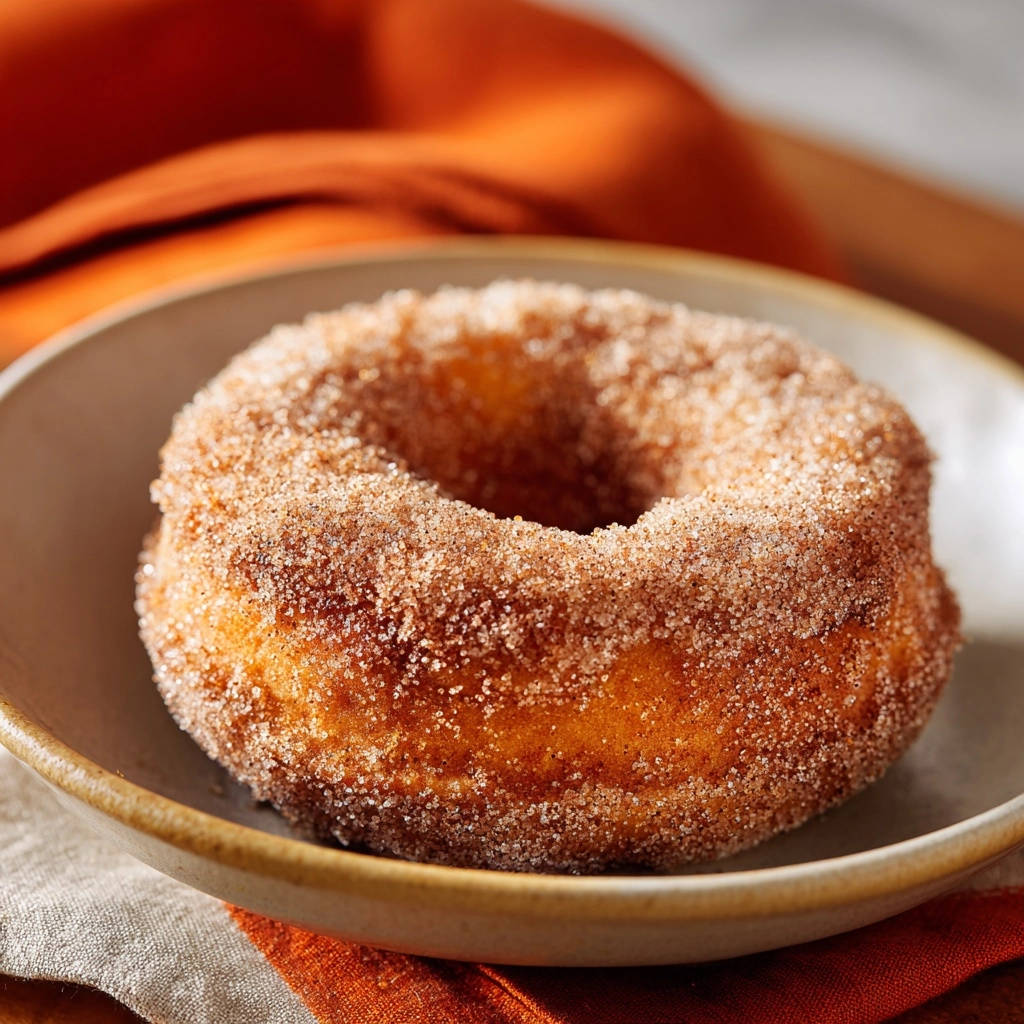
Making light, airy donuts at home can feel like a culinary challenge, often leading to dense or unexpectedly greasy results. I’ve spent years perfecting this recipe to solve those very dilemmas, transforming a tricky treat into a truly delightful baking experience.
This method guarantees perfectly fluffy, golden Homemade Cinnamon Sugar Donuts every time, without any of that dreaded greasiness. Get ready to bake a batch of pure joy that will impress everyone.
The Secret to Light & Non-Greasy Homemade Cinnamon Sugar Donuts
This recipe isn’t just another set of instructions; it’s a carefully honed process designed for optimal texture and flavor. We’ve pinpointed the exact techniques that elevate homemade donuts from good to absolutely unforgettable.
Why This Recipe Delivers Unbeatable Fluffiness
Our recipe utilizes a crucial double-rise technique, allowing the yeast ample time to develop the dough’s structure. This method ensures an incredibly airy interior and a delicate, cloud-like texture that melts in your mouth.
Each rise contributes distinctively to the final lightness, preventing any hint of denseness. It’s the secret behind a truly exceptional, tender donut.
The “No Grease” Guarantee: Frying Without the Fuss
The key to non-greasy donuts lies in precise oil temperature management, a factor often overlooked. We guide you through maintaining the ideal frying temperature, ensuring your donuts cook quickly and evenly without absorbing excess oil.
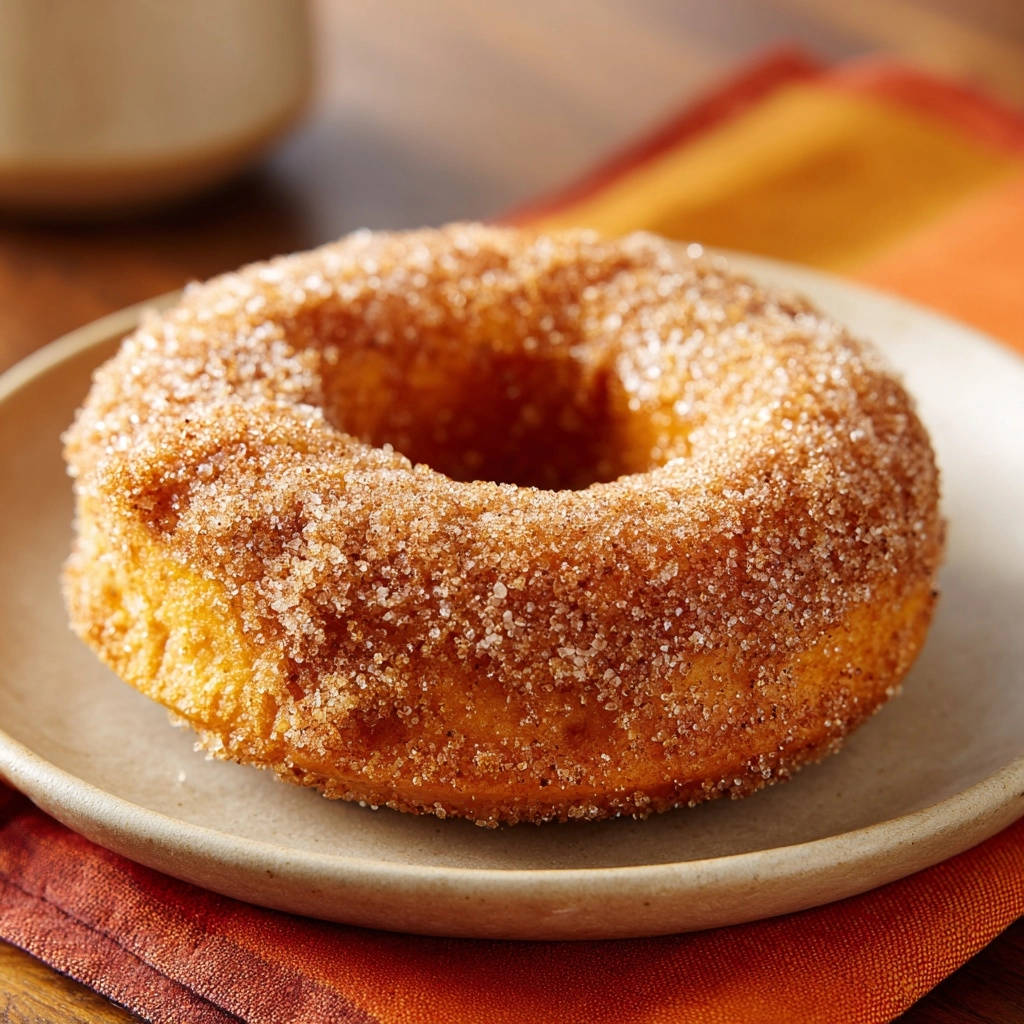
Frying in small batches also prevents temperature drops, which can lead to soggy results. This meticulous approach guarantees a clean, crisp finish every time.
Quick & Easy: Minimal Effort for Maximum Flavor
While yeast dough requires some patience for rising, the hands-on time for these Homemade Cinnamon Sugar Donuts is surprisingly minimal. The steps are straightforward, designed for home bakers of all skill levels.
You’ll be rewarded with a batch of warm, perfectly coated donuts that taste infinitely better than anything store-bought. The process is incredibly satisfying, yielding maximum flavor with manageable effort.
More Sweet Treats
If you enjoyed these homemade cinnamon sugar donuts, you might like these other breakfast and dessert ideas.
- For another delightful cinnamon sugar creation, consider making Cinnamon Sugar Jam-Filled Waffles for a different texture.
- If you love the idea of fried dough, these Fluffy Fried Dough Bites offer a similar satisfying experience.
Essential Ingredients for Your Fluffy Donut Journey
The quality and proper use of each ingredient are paramount to achieving the perfect donut. Let’s explore the role of each component in creating your ultimate treat.
Dough Foundation: Flour & Leavening
All-Purpose Flour: This forms the primary structure of our donuts, offering the ideal balance of gluten for tenderness without being too chewy. Sifting isn’t strictly necessary, but it can help incorporate air.
Active Dry Yeast: The powerhouse behind our donuts’ airy rise, active dry yeast needs to be fresh and properly activated. It feeds on sugar to produce the gas that creates those beautiful pockets of air.
Dairy & Enrichments: Milk, Butter & Egg
Warm Milk: Used to activate the yeast, milk should be gently warmed to 105-115°F (40-46°C). This temperature is crucial for waking up the yeast without killing it, while also adding richness to the dough.
Unsalted Butter, Melted: Butter enriches the dough, contributing to a soft, tender crumb and adding a subtle depth of flavor. Using unsalted butter allows you to control the overall salt content precisely.
Large Egg: An egg provides structure, moisture, and extra richness to the dough. It also contributes to the beautiful golden-brown color during frying.
Sweetness & Balance: Granulated Sugar & Salt
Granulated Sugar (Dough): A small amount of sugar in the dough not only sweetens it but also acts as food for the yeast, aiding in a strong, consistent rise. It’s a key component in the fermentation process.
Salt: Salt is vital for balancing the sweetness and enhancing the overall flavor profile of the donuts. It also plays a role in regulating yeast activity, ensuring a controlled rise.
The Iconic Coating: Cinnamon-Sugar Blend
Granulated Sugar (Coating): This forms the irresistible, sweet, and slightly crunchy exterior of your Homemade Cinnamon Sugar Donuts. Its fine granules adhere perfectly to the warm fried surface.
Ground Cinnamon: The star of the coating, ground cinnamon provides its signature warm, aromatic spice. Use a high-quality, fresh cinnamon for the most vibrant flavor.
Oil Selection for Frying Success
Vegetable Oil for Deep Frying: A neutral-flavored oil with a high smoke point is essential for deep frying. Canola, sunflower, or refined peanut oil are excellent choices as they won’t impart unwanted flavors to your donuts.
You’ll need at least 3 to 4 inches of oil in your pot to ensure the donuts can float and cook evenly.
Gearing Up: Must-Have Tools for Donut Success
Having the right equipment on hand makes the donut-making process smooth and enjoyable. These tools are essential for achieving professional-level results at home.
Mixing & Rising Essentials
You will need a large mixing bowl for combining ingredients and allowing the dough to rise. A sturdy whisk or wooden spoon is perfect for initial mixing.
Plastic wrap or a clean kitchen towel is crucial for covering the dough during its rising periods. This prevents the dough from drying out and creates the warm, humid environment yeast loves.
Shaping Your Perfect Rings
A dedicated donut cutter is ideal for creating perfectly uniform rings and holes. Alternatively, you can use two different-sized round cutters (a 3-inch for the donut and a 1-inch for the hole).
A lightly floured surface, such as a clean countertop or pastry board, is necessary for kneading and rolling out the dough without sticking.
The Frying Authority: Thermometer & Pot
A reliable candy or deep-fry thermometer is absolutely non-negotiable for this recipe. It ensures you maintain the precise oil temperature needed for non-greasy, perfectly cooked donuts.
A large, heavy-bottomed pot or Dutch oven provides even heat distribution and sufficient depth for safe deep frying. Its heavy construction helps stabilize oil temperature.
Finishing Touches: Draining & Coating
A wire rack set over paper towels is essential for draining excess oil from the fried donuts. This allows air to circulate, keeping them crisp and preventing sogginess.
A wide, shallow dish is perfect for easily rolling your warm donuts in the cinnamon-sugar coating. This design ensures maximum coverage with minimal fuss.
Your Path to Homemade Cinnamon Sugar Donuts Perfection: A Detailed Guide
Crafting these delectable Homemade Cinnamon Sugar Donuts is a rewarding process. Follow these steps carefully, paying attention to the nuanced details for truly outstanding results.
- Activate Your Yeast: The First Spark of Fluffiness
In a large bowl, combine 1/2 cup warm milk (105-115°F), 2 and 1/4 teaspoons active dry yeast, and 1 teaspoon of the 1/4 cup granulated sugar. Stir gently and allow it to sit undisturbed for 5 to 10 minutes.
A foamy layer on the surface indicates your yeast is active and ready to work its magic, confirming it’s alive and potent.
- Build the Wet Foundation: Enriching the Dough
To the activated yeast mixture, add 1/4 cup melted unsalted butter, 1 large egg, the remaining 1/4 cup granulated sugar, and 1/2 teaspoon salt. Whisk these wet ingredients thoroughly until they are well combined and smooth.
This creates a cohesive and rich base for your donut dough, ensuring all flavors are evenly distributed.
- Forming the Dough: From Shaggy to Smooth
Gradually incorporate 2 and 1/4 cups all-purpose flour, adding it 1/2 cup at a time. Mix with a sturdy wooden spoon until a shaggy dough begins to form and pulls away from the sides of the bowl.
This indicates most of the flour has been absorbed, preparing the dough for the next stage of development.
- Gentle Kneading for Elasticity (Avoid Overworking!)
Turn the dough out onto a lightly floured surface. Knead the dough gently but consistently for about 5 to 7 minutes until it becomes smooth and elastic to the touch.
It’s crucial to avoid overworking the dough, as excessive kneading can develop too much gluten, leading to tough and dense donuts rather than light and airy ones.
- The Crucial First Rise: Developing Airy Texture
Lightly oil a clean bowl and place the kneaded dough inside, turning it once to ensure it’s fully coated. Cover the bowl securely with plastic wrap or a clean kitchen towel.
Allow the dough to rise in a warm, draft-free place for 1 to 1.5 hours, or until it has visibly doubled in size. This initial rise is fundamental for achieving the desired airy, open texture in your Homemade Cinnamon Sugar Donuts.
- Punch Down & Shape: Preparing for Perfection
Once risen, gently punch down the dough to release the accumulated air. On a lightly floured surface, roll the dough evenly to approximately 1/2 inch thickness.
Use a donut cutter or two different sized round cutters (a 3-inch for the donut and a 1-inch for the hole) to carefully cut out your donuts and their accompanying holes.
- The Vital Second Rise: Ensuring a Fluffy Crumb
Carefully transfer the cut donuts to a parchment-lined baking sheet, ensuring there’s ample space between each one to prevent sticking as they expand. Loosely cover them again with plastic wrap or a kitchen towel.
Allow them to undergo a second rise for another 30 to 45 minutes, or until they appear noticeably puffy. This second rise is absolutely critical for developing a truly light and fluffy crumb, contributing significantly to the final texture.
- Mastering Oil Temperature: The Golden Rule for Non-Greasy Donuts
This is the single most important step for achieving non-greasy, non-dense donuts. In a large, heavy-bottomed pot or Dutch oven, heat at least 3 to 4 inches of vegetable oil over medium heat.
Monitor the temperature closely with a candy or deep-fry thermometer, maintaining a consistent 350-360°F (175-180°C). If the oil is too cool, donuts will absorb too much fat and become greasy; if too hot, they will brown too quickly on the outside and remain raw and dense inside.
- Fry in Batches: Prevent Overcrowding & Temperature Drops
Carefully lower 2 to 3 donuts into the hot oil at a time using a slotted spoon or spider. It’s imperative not to overcrowd the pot.
Overcrowding will significantly drop the oil temperature, leading to greasy donuts and uneven cooking. Frying in small batches ensures consistent temperature and even golden-brown results.
- Golden & Puffed: The Perfect Fry
Fry the donuts for approximately 1.5 to 2 minutes per side, until they are beautifully golden brown and visibly puffed. Use a slotted spoon or spider to carefully flip them halfway through.
Keep a close eye on them to prevent over-browning, as cooking times can vary slightly with oil temperature fluctuations.
- Drain Excess Oil: Ready for Coating
Once fried to perfection, remove the donuts from the oil and immediately place them on a wire rack that’s set over paper towels. This setup allows any excess oil to drain away efficiently.
Proper draining is crucial for achieving that desirable non-greasy appeal and a pleasant mouthfeel.
- The Signature Cinnamon-Sugar Coating: While Warm
While the donuts are still warm from frying, combine the remaining 1/2 cup granulated sugar and 1 teaspoon ground cinnamon in a shallow dish. Mix them thoroughly to create your signature coating.
Roll each warm donut generously in this cinnamon-sugar mixture until it is fully coated. The warmth helps the sugar adhere perfectly, creating that iconic sweet and spiced exterior.
For those who enjoy this sweet cinnamon sugar coating, you might also appreciate learning to make crispy cinnamon sugar apple rings.
- Serve Immediately & Savor the Homemade Delight!
For the ultimate experience, serve your perfectly light, fluffy, and non-greasy Homemade Cinnamon Sugar Donuts immediately. They are at their absolute best when fresh and warm.
If you enjoy this grease-free method, you’ll also love our fluffy powdered sugar donuts.
Prepare for rave reviews and the sheer satisfaction of enjoying a truly homemade treat!
Chef’s Secrets: Mastering Your Dough and Fry for Perfect Results
Beyond the steps, a few expert insights can elevate your donut-making game. These crucial tips ensure consistent success and truly spectacular Homemade Cinnamon Sugar Donuts.
The Power of Proper Yeast Activation
Ensuring your yeast is alive and actively bubbling before adding other ingredients is non-negotiable. If your mixture doesn’t foam, your yeast might be old or the milk temperature was incorrect.
Using fresh yeast and the correct milk temperature (105-115°F) sets the stage for a vigorous and reliable rise, crucial for airy donuts.
Don’t Overwork the Dough: A Golden Rule
Gentle kneading is key for developing just enough gluten for structure without making the donuts tough. Overworking dough builds excessive gluten, resulting in a dense, bread-like texture rather than a tender, fluffy one.
Knead only until the dough is smooth and elastic, then resist the urge to continue, trusting the process.
Understanding the Double Rise: Why It Matters
The first rise allows the yeast to develop flavor and create bulk, establishing the primary air pockets. The second rise, after shaping, is critical for achieving the final light, open, and fluffy crumb structure.
This dual proofing process ensures optimal aeration and contributes significantly to the melt-in-your-mouth texture of the finished donuts.
The Precision of Oil Temperature Control
Maintaining a consistent oil temperature of 350-360°F is the single most important factor for non-greasy donuts. Too cool, and the donuts soak up oil; too hot, and they burn outside while remaining raw inside.
Invest in a good deep-fry thermometer and adjust your heat meticulously. This attention to detail pays off with perfectly cooked, golden-brown results.
Optimal Dough Thickness for Even Frying
Rolling the dough to a consistent 1/2-inch thickness is essential for even cooking. Dough that is too thin will cook too quickly and may become tough, while overly thick dough might not cook through properly.
Uniform thickness ensures each donut fries consistently, achieving that perfect internal fluffiness and external crispness.
Coating Warm: Why Timing is Everything
Coating your Homemade Cinnamon Sugar Donuts while they are still warm, immediately after draining, is crucial. The residual heat helps the granulated sugar adhere beautifully, slightly melting it into a delectable crust.
If the donuts cool too much, the cinnamon sugar won’t stick effectively, leading to a less satisfying coating.
Donut Dilemmas Solved: Common Issues and Quick Fixes
Even expert bakers encounter challenges. Here’s how to troubleshoot common donut issues and ensure your next batch of Homemade Cinnamon Sugar Donuts is flawless.
Problem: My Donuts Are Dense and Heavy
This often stems from inactive yeast, insufficient rising time, or overworking the dough during kneading. Ensure your yeast is fresh and the milk temperature for activation is correct.
Allowing the dough its full two rising periods in a warm environment is crucial. Also, remember to knead gently, stopping as soon as the dough is smooth and elastic.
Problem: My Donuts Are Greasy and Oily
Greasy donuts are almost always a result of incorrect oil temperature – specifically, oil that’s too cool. Overcrowding the pot also drops the temperature significantly.
Always use a thermometer to maintain 350-360°F, fry in small batches, and drain immediately on a wire rack over paper towels.
Problem: Donuts Burned Outside, Raw Inside
This issue indicates that your frying oil was too hot. The high temperature rapidly browns the exterior before the inside has a chance to cook through.
Lower your stove’s heat and recheck the oil temperature with your thermometer, aiming for that consistent 350-360°F range.
Problem: My Donuts Didn’t Rise Enough
Several factors can cause a poor rise: inactive yeast, a too-cold environment for proofing, or inadequate kneading initially. Check yeast freshness and milk temperature.
Place your dough in a truly warm, draft-free spot for rising. A slightly warm oven (turned off) can work wonders. Ensure initial kneading developed enough gluten.
Serving, Storing, and Customizing Your Delicious Creations
Once you’ve mastered the art of Homemade Cinnamon Sugar Donuts, you’ll want to know how to best enjoy them and even experiment with new variations.
Serving Suggestions: Elevate the Experience
These warm, fluffy Homemade Cinnamon Sugar Donuts are perfect with a steaming cup of coffee or tea for breakfast or brunch. They make an irresistible dessert on their own or alongside a scoop of vanilla ice cream.
Consider arranging them on a platter for a crowd-pleasing party treat. Their simple elegance is universally adored.
Storage Tips: Keeping Them Fresh
Homemade donuts are best enjoyed the day they are made. If you have leftovers, store them in an airtight container at room temperature for up to 1-2 days.
While they won’t be as soft and fresh as day one, they’ll still be delicious. Avoid refrigerating, as it can dry them out.
Make-Ahead Options: Plan Your Donut Day
You can prepare the donut dough the night before and let it undergo its first rise slowly in the refrigerator overnight. This cold fermentation can even enhance the flavor.
The next morning, simply bring the dough to room temperature for about 30-60 minutes before punching it down, shaping, and proceeding with the second rise and frying.
Creative Variations to Explore
While cinnamon sugar is classic, don’t hesitate to customize your donuts! You could try rolling them in plain powdered sugar for a simple elegance.
For a richer twist, dip them in a simple vanilla glaze or a chocolate ganache. A sprinkle of colorful sprinkles or mini chocolate chips on top of glaze adds playful flair.
Your Top Questions About Homemade Cinnamon Sugar Donuts, Answered!
Here are quick answers to some frequently asked questions, designed to give you even more confidence in your donut-making endeavors.
Can I Bake These Donuts Instead of Frying?
While you can bake donut-shaped dough, the texture will be significantly different. Baked donuts tend to be more cake-like, lacking the characteristic light, airy, and slightly crispy exterior of a fried yeast donut.
This recipe is specifically designed for frying to achieve its signature fluffy perfection.
Can I Use Gluten-Free Flour?
Yes, you can substitute gluten-free all-purpose flour blends, but be aware the texture will vary. Gluten-free dough can be trickier to handle and may not achieve the exact same elasticity and rise as traditional flour.
Look for blends designed for yeast baking and be prepared for a slightly denser result, but still delicious.
How Long Do Homemade Donuts Last?
Homemade donuts are truly at their peak when served fresh, within hours of frying. They will remain enjoyable for about 1 to 2 days when stored in an airtight container at room temperature.
Beyond that, they tend to dry out and lose their ideal texture.
What’s the Best Way to Reheat Them?
To refresh leftover donuts, warm them gently. A quick 10-15 seconds in the microwave can soften them, but be careful not to overheat, which can make them tough.
Alternatively, place them in a preheated oven at 250°F (120°C) for 5-7 minutes until just warm through.
Why is the Second Rise So Important?
The second rise, or proofing, after the donuts are cut, is crucial for achieving their ultimate lightness and airy crumb. It allows the yeast to produce a final burst of gas, expanding the dough before frying.
This expansion prevents a dense interior and contributes significantly to the fluffy, tender texture you expect from exceptional Homemade Cinnamon Sugar Donuts.
Indulge in Homemade Bliss: Share Your Cinnamon Sugar Masterpiece!
You now possess the secrets to crafting the most delightful Homemade Cinnamon Sugar Donuts-light, fluffy, and never greasy. The satisfaction of pulling a fresh batch from your kitchen is truly unparalleled.
Don’t just dream of these golden treats; make them a reality. Dive into this recipe, savor every step, and prepare to delight your taste buds and those of your loved ones. We can’t wait to hear about your donut triumph!
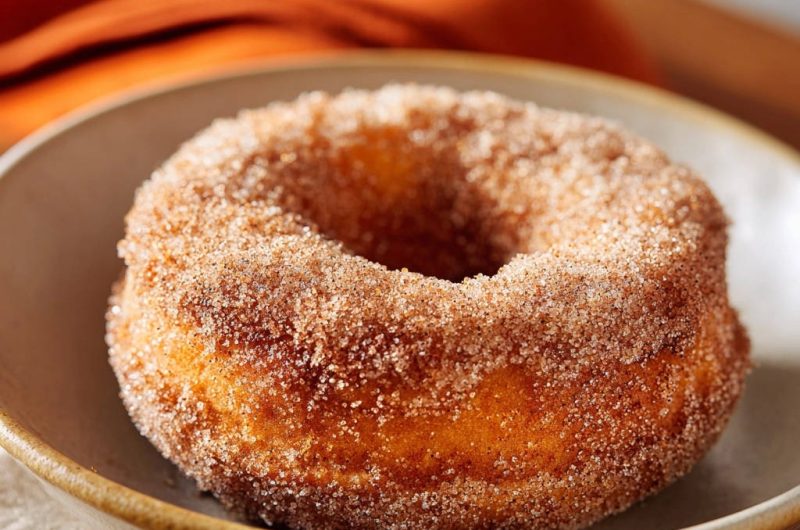
Donuts
Course: DessertCuisine: AmericanDifficulty: medium12
donuts30
minutes15
minutes350
kcal120
minutesSay goodbye to heavy, oily homemade donuts! This recipe shares the secret to perfectly light, golden, and non-greasy cinnamon sugar donuts every single time. Enjoy warm, fluffy results that truly hit the spot.
Ingredients
2 and 1/4 teaspoons active dry yeast (one standard packet)
1/2 cup warm milk (about 105-115F / 40-46C)
1/4 cup granulated sugar, plus 1/2 cup for coating
1/4 cup unsalted butter, melted
1 large egg
1/2 teaspoon salt
2 and 1/4 cups all-purpose flour, plus more for dusting
Vegetable oil, for deep frying
1 teaspoon ground cinnamon
Directions
- In a large bowl, combine the warm milk, yeast, and 1 teaspoon of the 1/4 cup granulated sugar. Stir gently and let it sit for 5 to 10 minutes until foamy. This shows your yeast is active.
- To the yeast mixture, add the melted butter, egg, the remaining 1/4 cup granulated sugar, and salt. Whisk everything together until well combined.
- Gradually add the all-purpose flour, 1/2 cup at a time, mixing with a wooden spoon until a shaggy dough forms. Turn the dough out onto a lightly floured surface.
- Knead the dough gently for about 5 to 7 minutes until it becomes smooth and elastic. Avoid overworking it, which can lead to dense donuts.
- Place the dough in a lightly oiled bowl, turning once to coat. Cover the bowl with plastic wrap or a clean kitchen towel and let it rise in a warm place for 1 to 1.5 hours, or until it has doubled in size. This crucial step creates the airy texture.
- Once risen, gently punch down the dough to release the air. Roll the dough out on a lightly floured surface to about 1/2 inch thickness. Use a donut cutter or two different sized round cutters (one 3-inch, one 1-inch) to cut out your donuts and donut holes.
- Carefully transfer the cut donuts to a parchment-lined baking sheet, leaving some space between them. Cover them loosely and let them rise again for another 30 to 45 minutes, or until visibly puffy. This second rise is vital for a light, fluffy crumb.
- This is the most important step for non-greasy, non-dense donuts: In a large, heavy-bottomed pot or Dutch oven, heat at least 3 to 4 inches of vegetable oil over medium heat to a consistent 350-360F (175-180C). Use a candy or deep fry thermometer to monitor the temperature closely. If the oil is too cool, your donuts will absorb too much fat and become greasy and heavy. If it’s too hot, they will brown too quickly on the outside and remain raw and dense inside.
- Carefully lower 2 to 3 donuts into the hot oil at a time. Do not overcrowd the pot, as this will drop the oil temperature and lead to greasy donuts.
- Fry the donuts for about 1.5 to 2 minutes per side, until golden brown and puffed. Use a slotted spoon or spider to carefully flip them.
- Remove the fried donuts and immediately place them on a wire rack set over paper towels to drain any excess oil.
- While the donuts are still warm, in a shallow dish, combine the remaining 1/2 cup granulated sugar and 1 teaspoon ground cinnamon. Roll each donut in the cinnamon sugar mixture until fully coated.
- Serve immediately and enjoy your perfectly light and non-greasy homemade donuts!
Notes
- Maintain oil temperature at 350-360F (175-180C) for non-greasy, perfectly cooked donuts.