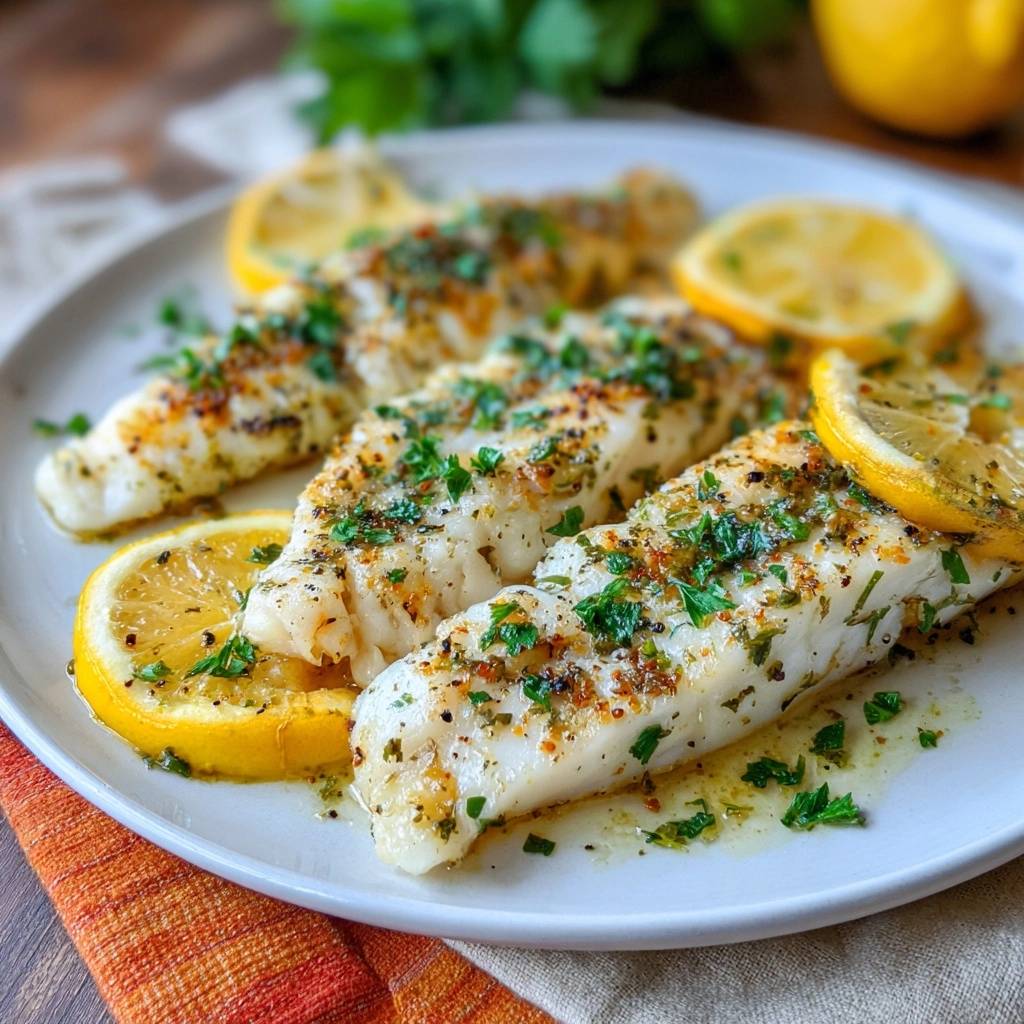
Why Lemon Pepper Fish Transforms Weeknight Dinners
Picture this: you crave lemon pepper fish, but end up with dry, tough fillets that no amount of sauce can save. It happens because most home cooks skip the crucial dry pat and low-heat trap. This recipe fixes that with a high-heat sear that creates a golden crust in under 15 minutes, locking in every bit of moisture for flaky perfection.
Therefore, you’ll get restaurant-quality lemon pepper fish without the wait or the bill. In addition, it’s packed with lean protein and vitamin C from fresh lemons, making it a smart weeknight win. The science of crusting seals juices inside, so each bite bursts with bright, zesty flavor.
For another way to get perfectly cooked fish, check out this crispy sesame cod.
Here’s the pro tip that sets this apart: pat those fillets extra dry before seasoning. That simple step stops steaming and starts searing, guaranteeing moist lemon pepper fish every time.
For a similar citrusy sear, try this lemon butter pan-seared cod.
Selecting Ideal Fish Fillets for Lemon Pepper Fish
You want white fish fillets around 6 ounces each for even cooking in lemon pepper fish. Thicker ones hold up better to the high-heat sear without drying out. However, avoid super thin pieces; they overcook fast.
Fresh beats frozen when possible, but frozen works fine if you thaw properly. Look for fillets with firm flesh that springs back when pressed. Therefore, skip any with a fishy smell or dull color.
Best White Fish Varieties Explained
Cod brings a mild flavor and firm texture that stays intact after searing lemon pepper fish. Tilapia offers a budget-friendly, flaky bite that soaks up the lemon and pepper perfectly. In addition, both create that ideal crust without falling apart.
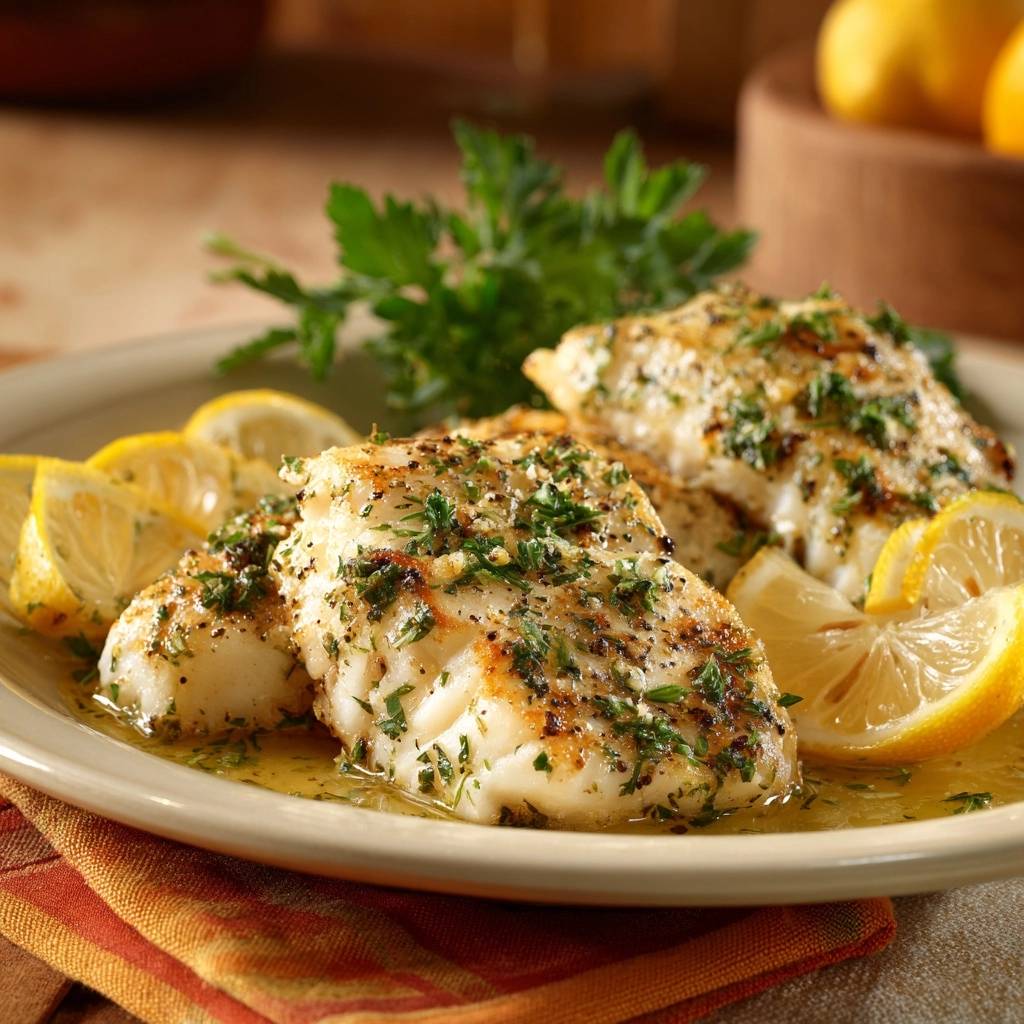
Freshness Checks for Superior Results
Sniff for a clean ocean scent, not ammonia. Check for translucent flesh with no brown spots. For frozen lemon pepper fish fillets, thaw overnight in the fridge, then pat extra dry to remove excess water.
Key Ingredients That Build Lemon Pepper Fish Flavor
Start with 4 white fish fillets, like cod or tilapia, for their neutral base that highlights the lemon pepper fish seasoning. Two lemons provide juice for infusion and slices for garnish; the acid tenderizes gently. Finely chop 1/4 cup fresh parsley, as it adds brightness dried versions can’t match.
Coarse black pepper, 1 teaspoon, gives bold pops of heat, while 1/2 teaspoon salt enhances natural flavors. Finally, 2 tablespoons olive oil fuels the high-heat sear. These ratios balance zest and savoriness perfectly.
Lemon’s Dual Role in Moisture Lock
Fresh lemon juice drizzled off-heat creates light steam that infuses flavor without drying lemon pepper fish. Slices on the plate add bursts of brightness. The acidity breaks down proteins slightly for tenderness.
Coarse Pepper vs Fine for Bold Crust
Coarse black pepper clings better during the sear, forming spicy nuggets in your lemon pepper fish crust. Fine grinds burn easily. Skip toasting; fresh grind delivers the punch.
Science of Searing Lemon Pepper Fish Perfectly
The Maillard reaction happens fast at high heat on a dry surface, browning sugars and proteins for that golden crust in searing lemon pepper fish. Patting fillets dry prevents steam, which traps moisture outside. Therefore, juices stay locked in.
Olive oil’s smoke point handles the heat without breaking down. Aim for 145F internal; that’s when fish flakes but remains moist. Post-sear, moisture migrates evenly for flaky texture.
Pro tip: if your skillet smokes too much, lower to medium-high. This keeps the sear controlled and your lemon pepper fish perfect.
High-Heat Crust Formation Breakdown
In the first 3 minutes, edges turn opaque as proteins denature. The crust builds undisturbed, trapping moisture inside your lemon pepper fish. Peek only once; flipping too soon ruins it.
Why 145F Internal Temp Wins
At 145F, lemon pepper fish flakes easily but stays juicy. Thermometers beat guessing; over 150F dries it out. Use the fork test as backup: gentle separation means done.
Step-by-Step: Patting Dry and Seasoning Phase
Grab paper towels and pat each side of your lemon pepper fish fillets thoroughly, even twice if needed. This removes surface moisture so they sear, not steam. Season both sides generously with salt and coarse pepper right before cooking.
Salt draws out any lingering moisture, which evaporates in the heat. Therefore, do this step last to avoid soggy fish. Your fillets are now prepped for crisp perfection.
Step-by-Step: High-Heat Skillet Sear Technique
Heat 2 tablespoons olive oil in a large nonstick skillet over medium-high until it shimmers, about 1 minute. Add fillets presentation-side down first. Sear undisturbed for 3 minutes; you’ll smell the toasty crust forming as edges opaque up.
Gently flip with a thin spatula. Sear the other side 2-3 minutes until it flakes. Nonstick prevents sticking better than stainless for clean release in searing lemon pepper fish. Total time: 5-6 minutes for moist results.
Recognizing the Golden Crust Edge
Look for a deep golden edge lifting slightly from the pan in your sear lemon pepper fish. If it darkens too fast, drop the heat a notch. Opaque edges signal flip time.
Step-by-Step: Lemon Juice Finish and Plating
Off heat, drizzle with juice from one lemon immediately; it steams lightly to infuse finishing lemon pepper fish without cooking further. Sprinkle chopped parsley evenly. Let rest 1 minute for juices to settle.
Plate with lemon slices and parsley sprigs for that fresh pop. Serve right away so the flakiness shines. Pro tip: warm plates keep it hot longer.
Avoiding Common Mistakes in Lemon Pepper Fish
Skipping the dry pat leads to steamy, pale lemon pepper fish instead of crusty bliss. Low heat boils the fish rather than searing it. Therefore, crank it high and trust the timer.
Overflipping tears the delicate flesh. Also, resting too long post-sear lets heat carryover dry it out. Fix by plating immediately after the lemon finish.
Fixing Overcooked Dry Fillets
If your lemon pepper fish overcooks, drizzle extra lemon juice and cover briefly to steam moisture back in. Prevention beats rescue: watch the clock and temp closely next time.
Skillet Too Crowded? Solutions
Cook in batches for 4 fillets to avoid steaming. Heat rebuilds fast between rounds. This keeps every piece of lemon pepper fish crispy-edged.
Flavor Variations for Lemon Pepper Fish
Swap parsley for dill in lemon pepper fish for a herby twist that pairs with the citrus. Add smoked paprika for warmth or garlic powder before searing. Lime juice brightens it further.
Try orange slices for subtle sweetness. For vegan lemon pepper fish, press firm tofu the same way; it crisps up beautifully. Keep the dry pat and high heat for moisture.
Garlic Herb Lemon Pepper Upgrade
Mince 2 garlic cloves and sprinkle post-flip in your lemon pepper fish. It blooms in the residual heat without burning. Pairs great with thyme too.
Perfect Pairings for Lemon Pepper Fish
Pair lemon pepper fish with quinoa salad for nutty texture that soaks up juices. Roasted asparagus adds charry contrast. Sparkling water with lemon echoes the brightness.
Couscous fluffs it up quick. These sides balance the zesty acidity without overpowering.
Quick Veggie Sides That Complement
Sear asparagus in the same skillet after fish; 4 minutes with salt. Blanch green beans 2 minutes, then toss with olive oil. Both crisp up to match your lemon pepper fish.
What to Try Next
Round out your meal with these complementary vegetable dishes.
- Enjoy the sweet, caramelized notes of honey roasted root vegetables, a great match for the bright lemon pepper flavors.
- Get a satisfying crunch with these crispy butter baby potatoes, which offer a lovely texture contrast.
Lemon Pepper Fish Nutrition and Health Benefits
Each serving of lemon pepper fish packs 30g lean protein from white fish, plus omega-3s for heart health. Lemons boost vitamin C for immunity. It’s low-cal at under 250 calories.
Therefore, it’s ideal for weight management or keto diets. Swap tilapia for wild cod to amp up nutrients.
Expert FAQ: Mastering Lemon Pepper Fish
Can Frozen Fillets Work?
Yes, thaw frozen lemon pepper fish fillets fully in the fridge overnight. Pat extra dry to remove thaw water, then follow the recipe. They’ll sear just as well.
Grill Instead of Skillet?
Grill lemon pepper fish over high direct heat, 3 minutes per side. Oil grates well and close the lid for even cooking. Aim for 145F still.
Storage and Reheating Tips?
Store leftover lemon pepper fish in an airtight container in the fridge up to 2 days. Reheat gently in a covered skillet with a splash of water to steam, or microwave on low. Don’t freeze; texture turns mushy.
Why Is My Lemon Pepper Fish Dry?
Dryness comes from skipping the pat-dry or low-heat cooking, causing steaming instead of searing. Always pat twice, use medium-high heat, and hit 145F exactly. The crust seals moisture in.
Can I Bake Lemon Pepper Fish?
Bake at 425F on a parchment-lined sheet for 10-12 minutes. Pat dry, oil lightly, and broil last minute for crust. It works but lacks skillet sear depth.
What If I Don’t Have Coarse Pepper?
Use fresh cracked black pepper from a grinder for similar bite in lemon pepper fish. Avoid pre-ground; it fades. Double up slightly for punch.
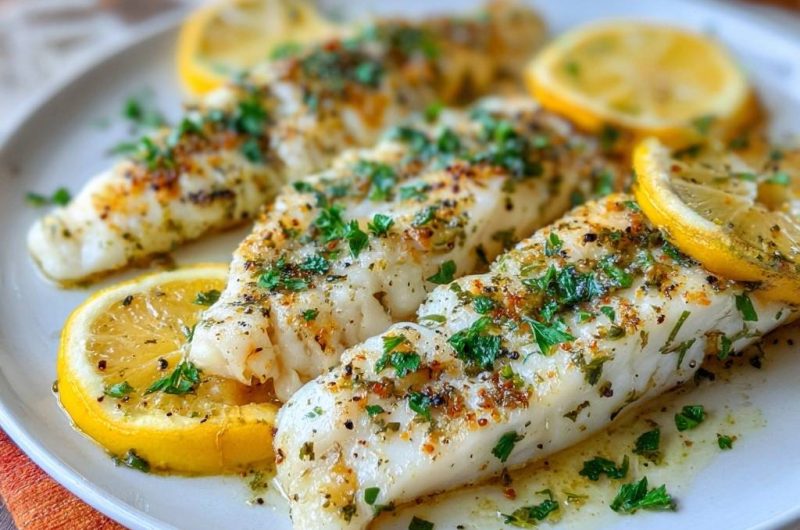
Lemon Pepper Fish
Course: Main CourseCuisine: AmericanDifficulty: easy4
servings5
minutes8
minutes250
kcal13
MinutesDry fish ruins dinner every time, but this foolproof sear technique pats the fillets extra dry, blasts high heat for a quick crust, and finishes with lemon juice to lock in juices for flaky, moist perfection.
Ingredients
4 white fish fillets (such as cod or tilapia, about 6 ounces each)
2 lemons (1 juiced, 1 sliced into wedges and thin rounds)
1/4 cup fresh parsley, finely chopped (plus extra sprigs for garnish)
1 teaspoon coarse black pepper
1/2 teaspoon salt
2 tablespoons olive oil
Directions
- Pat fish fillets completely dry with paper towels. This removes surface moisture so they sear instead of steam, preventing dryness. Season both sides generously with salt and black pepper.
- Heat olive oil in a large nonstick skillet over medium-high heat until shimmering hot (about 1 minute). Add fillets presentation-side down first. Sear undisturbed for 3 minutes until golden crust forms and edges turn opaque. This high-heat blast seals in moisture fast.
- Flip fillets gently. Sear other side 2 to 3 minutes until just opaque and flakes easily with a fork (internal temp 145F). Total cook time keeps it moist, no overcooking.
- Remove from heat. Drizzle immediately with juice from 1 lemon and sprinkle chopped parsley. The acid steams lightly to infuse flavor without drying.
- Plate with lemon slices and parsley sprigs. Serve right away for peak flakiness. Enjoy moist, restaurant-worthy fish every single time!
Notes
- Pat fish extra dry for the best sear. Use a nonstick skillet and high heat to seal in moisture. Serve immediately for peak flakiness.