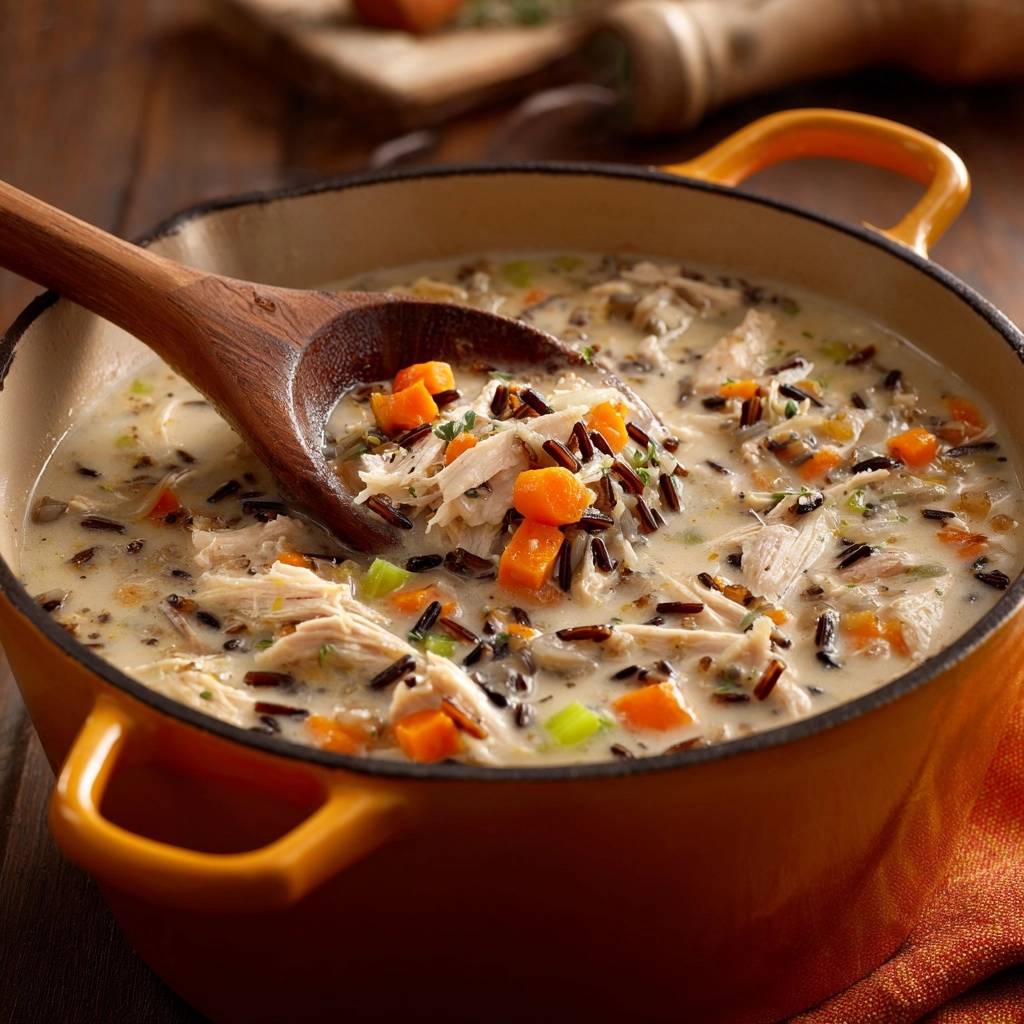
Most people think they’ve had a great wild rice soup until they encounter the dreaded “watery broth” syndrome. You know the one—where the rice and chicken sink to the bottom of a thin, grayish liquid that lacks any real body. It’s disappointing when you’re craving a bowl that feels like a warm hug, but instead, you get something that feels like a missed opportunity.
The secret to a restaurant-grade bowl isn’t just adding more cream; it’s all about the starch timing and a specific roux-to-simmer ratio. By mastering a simple velouté technique, you create a velvety base that actually clings to the wild rice and shredded chicken. This method ensures every single spoonful is rich, hearty, and perfectly emulsified, providing a luxurious mouthfeel that stays consistent from the first bite to the last.
I’ve found that the biggest mistake home cooks make is rushing the rice or dumping flour directly into the big pot. To get that professional finish, you have to treat the thickening process as its own special step. This 55-minute recipe, coming in at about 380 calories per serving, will change how you view homemade soup forever. Let’s get into the science of why this works so well.
The Anatomy of 100% Wild Rice
When you head to the grocery store, you’ll likely see “Wild Rice Blends” sitting right next to the 100% wild rice. For this recipe, you must choose the pure stuff. Wild rice isn’t actually rice at all; it’s the seed of a semi-aquatic grass native to North America. It has a chewy outer husk and a smoky, nutty flavor that a standard white rice blend simply cannot replicate.
The reason blends fail in a long-simmered soup is the difference in cook times. White or jasmine rice will turn into mush long before the wild rice is even edible. You are looking for the “bloom”—that specific moment when the dark husk finally splits open to reveal a tender, white interior. This bloom provides the perfect texture and ensures the rice has absorbed enough broth to be flavorful.
Using 100% wild rice also adds a beautiful visual contrast to the creamy base. The dark, long grains look stunning against the pale, velvety broth. Because it’s a sturdy seed, it holds its shape even after reheating, making it the superior choice for meal prepping or leftovers. It provides a structural integrity that makes the soup feel like a full meal rather than a side dish.
Essential Components for a Velvety Base
Building a deep flavor profile starts with your liquid gold: the chicken broth. I always recommend using a low-sodium chicken broth because it gives you total control over the salt levels. As the soup simmers and reduces, the flavors concentrate; if you start with a full-sodium broth, you might end up with a salt lick by the time the rice is tender.
The “Holy Trinity” of aromatics—carrots, celery, and onion—forms the backbone of the soup. Dicing these finely ensures they soften at the same rate as the rice blooms. These vegetables release natural sugars that balance the savory notes of the chicken. When you sauté them or simmer them slowly, they create a foundational sweetness that you can’t get from spices alone.
Speaking of spices, dried thyme and poultry seasoning are your best friends here. While I love fresh herbs, dried herbs are actually preferred for long simmers. They have a concentrated oil content that stands up to the heat, infusing the liquid with a deep, woody aroma. The poultry seasoning adds a hint of sage and black pepper that rounds out the “Sunday dinner” vibe of the dish.
Selecting and Preparing the Chicken Breast
Boneless, skinless chicken breasts are the ideal choice for this specific poaching method. While thighs are great for roasting, the lean breast meat shreds into beautiful, long strands that catch the creamy sauce perfectly. By poaching the chicken directly in the simmering broth, you aren’t just cooking the meat; you’re also enriching the soup base.
As the chicken simmers, it releases protein collagen into the liquid, which adds a subtle richness to the broth before you even add the cream. This keeps the meat incredibly moist and tender. If you were to sear the chicken first, you’d get a different flavor, but poaching ensures that “melt-in-your-mouth” texture that defines a classic wild rice soup.
Phase One: The Long Simmer and Bloom
Patience is the most important ingredient in the first twenty minutes. You want to bring your chicken broth to a full, rolling boil before adding the uncooked wild rice. This initial heat shock helps the rice start the softening process. Once the rice is in, immediately drop the heat to a low simmer and cover the pot tightly.
Thermal physics plays a role here; you need a consistent, gentle heat to penetrate the tough outer hull of the rice. If the heat is too high, the liquid will evaporate before the rice is ready. If it’s too low, the rice will stay crunchy. You’re looking for a gentle bubble—just enough to keep the grains moving but not enough to break them apart prematurely.
After twenty minutes, the rice won’t be finished, but it will be ready for company. This is the stage where the grains have softened enough to allow the vegetables and chicken to join the pot without overcooking them. If you add the veggies too early, they’ll turn to baby food by the time the rice is tender. Timing is everything for a perfect texture.
Phase Two: Poaching and Shredding Techniques
Once you’ve added the chicken and vegetables, another twenty-minute simmer begins. During this window, the chicken breasts will cook through gently. You can check the internal temperature with a meat thermometer; you’re aiming for 165°F. Once they hit that mark, pull them out immediately. Overcooked chicken becomes rubbery, even in a soup.
Now comes the shredding. While some people use a stand mixer to shred chicken, I strongly advise using two forks for this soup. You want “shaggy” edges on your chicken pieces. These rough surfaces are much better at “grabbing” the thickened broth than clean, cubed pieces of meat would be. It creates a more cohesive texture where the chicken and broth feel like one unit.
While the chicken rests and you shred it, take a look at your rice. It should be starting to bloom. You’ll see the dark skins curling back to reveal the white centers. This is the visual cue that you’re ready to move on to the thickening phase. If the rice is still tightly closed and hard, give it another five to ten minutes before proceeding.
The Secret to Non-Watery Soup: The Velouté Method
This is the technical heart of the recipe. To avoid a thin soup, we use a roux—a cooked mixture of equal parts butter and flour. In a separate small saucepan, melt your unsalted butter and whisk in the flour. This creates a paste that will act as the structural support for your entire soup. Without this, the cream will just sit on top of the broth.
You must cook this roux for at least three minutes over medium heat. You are looking for the “blonde” stage, where the mixture smells slightly nutty and loses that raw, pasty flour scent. This step is non-negotiable. If you don’t cook the flour long enough, your soup will have a grainy, floury aftertaste that ruins the delicate flavors of the thyme and chicken.
The chemistry here is fascinating. The fat in the butter coats the flour particles, preventing them from clumping when they hit the liquid. This creates a stable emulsion. By cooking it to a blonde color, you’re developing flavor while maintaining the maximum thickening power of the starch. It’s the difference between a “homemade” soup and a “chef-quality” masterpiece.
Tempering the Thickener for a Smooth Finish
Never dump your dry roux directly into the big Dutch oven! This is how you get lumps. Instead, use the “tempering” method. Slowly whisk about two cups of the hot broth from your main pot into the butter-flour mixture. Add it a half-cup at a time, whisking vigorously until a smooth, thick liquid forms. This is technically a velouté.
By creating this intermediate concentrated base, you ensure that the thickener integrates perfectly into the larger pot. It equalizes the temperature and consistency, so when you finally pour it back into the main soup, it disappears instantly into a smooth, creamy cloud. No lumps, no clumps—just a perfectly uniform, velvety texture.
Integrating the Cream and Final Emulsion
With the thickened base back in the main pot and the shredded chicken returned to its home, it’s time for the finishing touch: the heavy cream. Always add the cream at the very end. If you boil heavy cream for too long, it can break or curdle, especially if there’s any acidity in the soup. Stir it in over low heat and watch the transformation.
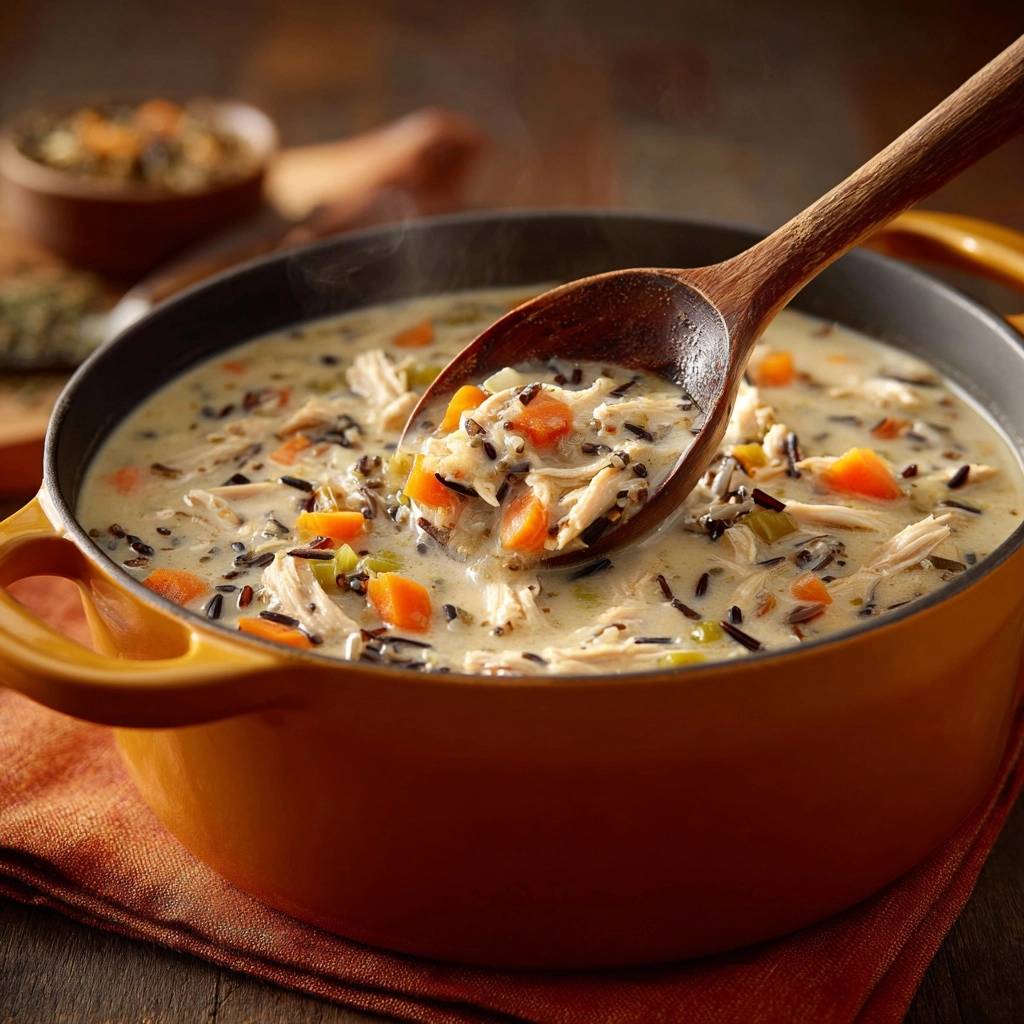
The soup will shift from a translucent brown to a rich, ivory color. Simmer it for another five to ten minutes. This final simmer allows the starches to fully hydrate and the flavors to marry. You’ll notice the soup thickening significantly during this time. It should be thick enough to coat the back of a spoon beautifully.
If the soup feels too thick for your liking, don’t panic. You can easily thin it out with a splash more broth or a little milk. However, remember that wild rice soup is meant to be hearty. It should feel substantial, with the rice and chicken suspended in the liquid rather than falling to the bottom of the bowl. Season generously with salt and pepper at this stage.
Troubleshooting Common Texture Issues
If your rice is still tough after the allotted time, it usually means the simmer wasn’t quite hot enough or your rice was particularly old. Simply add an extra half-cup of broth and keep simmering with the lid on. Wild rice is forgiving; it just needs time and moisture to eventually yield and bloom.
If you find the soup has become too salty, perhaps from using a different brand of broth, try the potato trick. Drop a peeled, halved potato into the soup for ten minutes; it will absorb some of the excess salt. Alternatively, adding a bit more heavy cream or a splash of water can help dilute the saltiness without ruining the texture.
In the rare event that your soup looks separated or “broken,” it’s usually because the heat was too high after adding the cream. You can often fix this by removing it from the heat and whisking in a tablespoon of cold butter. The cold fat helps re-emulsify the liquid. If the chicken feels dry, it was likely over-poached; next time, pull it out as soon as it hits 165°F.
Flavor Variations and Ingredient Swaps
Once you’ve mastered the base, you can start playing with flavors. A popular addition is sautéed mushrooms. If you go this route, sauté them in the butter before adding the flour for your roux. The earthy, umami notes of cremini or shiitake mushrooms pair perfectly with the smokiness of the wild rice.
For those looking for a different fat profile, you can substitute the heavy cream with a thick cashew cream. To do this, blend soaked cashews with a bit of water until completely smooth. It provides a similar richness and works well with the roux method. You still get that velvety finish without the heavy dairy feel.
If the soup feels a bit “heavy” on the palate, a tiny splash of lemon juice or a pinch of lemon zest right before serving can work wonders. The acidity cuts through the fat of the butter and cream, brightening the entire dish. It doesn’t make the soup taste like lemon; it just makes the other flavors pop more vibrantly.
Optimal Side Dish Pairings
A soup this rich needs a side dish that offers a bit of contrast. A thick slice of crusty sourdough bread is the classic choice. The tanginess of the sourdough and the crunchy crust are perfect for dipping into the velvety broth. It’s the ultimate vessel for making sure you don’t leave a single drop in the bowl.
If you want something lighter, a sharp arugula salad with a simple lemon vinaigrette is a fantastic pairing. The peppery bite of the arugula and the acidity of the dressing cut right through the creaminess of the soup, refreshing your palate between bites. It keeps the meal from feeling too one-dimensional.
Roasted root vegetables, like parsnips or carrots with a bit of honey glaze, also complement the nutty flavors of the wild rice. The caramelization on the vegetables adds a different kind of sweetness that plays well with the savory thyme and poultry seasoning in the soup base. It turns a simple bowl of soup into a full, multi-textured feast.
Storage, Reheating, and Freezing Protocols
Wild rice is a thirsty grain. As the soup sits in the fridge, the rice will continue to absorb the liquid. Don’t be surprised if your leftovers look more like a thick porridge the next day! This is completely normal. When reheating, simply add a splash of chicken broth or water to the pot to restore that original creamy consistency.
For storage, keep the soup in an airtight container in the refrigerator for up to three to four days. When reheating on the stove, use low heat. If you microwave it, do so in short bursts and stir frequently to ensure the cream doesn’t separate. The flavors actually tend to deepen overnight, making the leftovers arguably better than the first day.
Freezing cream-based soups can be tricky because the dairy can take on a grainy texture once thawed. If you plan to freeze this, the best method is to follow the recipe up until the point of adding the cream. Freeze the base, then thaw and add the fresh cream while reheating. If you must freeze the finished soup, thaw it slowly in the fridge and whisk it well while reheating to help the emulsion reform.
Expert Tips for Professional Presentation
Presentation is the final step in elevating this dish. I always recommend serving this soup in pre-warmed bowls. A cold bowl will suck the heat right out of the emulsion, causing it to thicken too quickly at the table. Just a minute in a warm oven or a quick rinse with hot water makes a huge difference.
For a garnish, keep it simple but high-quality. A fresh crack of black pepper adds a nice bite, while a tiny drizzle of extra virgin olive oil can add a beautiful sheen to the surface. If you want a pop of color, micro-greens or a very fine mince of fresh parsley provide a fresh contrast to the deep, earthy tones of the soup.
Finally, consider the bowl itself. A wide, shallow bowl allows the beautiful colors of the carrots and the dark wild rice to be seen clearly. It makes the portion look generous and highlights the “suspension” of the ingredients in that perfect, velvety broth you worked so hard to create. It’s a meal that looks just as good as it tastes.
Frequently Asked Questions
How do I store leftovers and does this freeze well?
Store leftovers in an airtight container in the refrigerator for up to 4 days. The rice will absorb liquid as it sits, so you’ll need to add a splash of broth when reheating. Freezing is possible, but the cream may separate or become slightly grainy. For best results, freeze the soup before adding the heavy cream, then add the cream fresh when you reheat it.
Why is my wild rice still crunchy after 40 minutes?
Wild rice is a hardy seed and can sometimes take longer depending on its age or the specific harvest. If it’s still crunchy, it hasn’t “bloomed” yet. Continue simmering on low with the lid on, adding an extra 1/2 cup of broth if the liquid is getting too low. It will eventually split open and soften.
Can I use a wild rice blend instead of 100% wild rice?
It is not recommended for this specific recipe. Blends usually contain white or brown rice which cooks much faster than wild rice. By the time the wild rice is tender, the other rice in the blend will have turned to mush, ruining the texture of the soup. Stick to 100% wild rice for the best results.
Why did my soup turn out thin instead of creamy?
This usually happens if the roux (the butter and flour mixture) wasn’t cooked long enough or if the tempering step was skipped. The roux needs that 3-minute cook time to develop its thickening power. Also, ensure you allow the soup to simmer for the final 10 minutes after adding the cream, as this is when the final thickening occurs.
Can I use chicken thighs instead of breasts?
Yes, you can certainly use boneless, skinless chicken thighs. They are very forgiving and stay moist. However, they won’t shred into the same long, shaggy strands as breast meat. If using thighs, you may want to dice them into small bite-sized pieces instead of shredding them for a better aesthetic.
For a different chicken preparation, explore one-pan crispy chicken rice.
What can I use if I don’t have heavy cream?
You can substitute heavy cream with half-and-half or whole milk, but the soup will not be as rich or thick. If using milk, you may want to increase the flour in your roux by an extra tablespoon to compensate for the loss of fat-based thickness. Avoid using skim milk as it is likely to curdle.
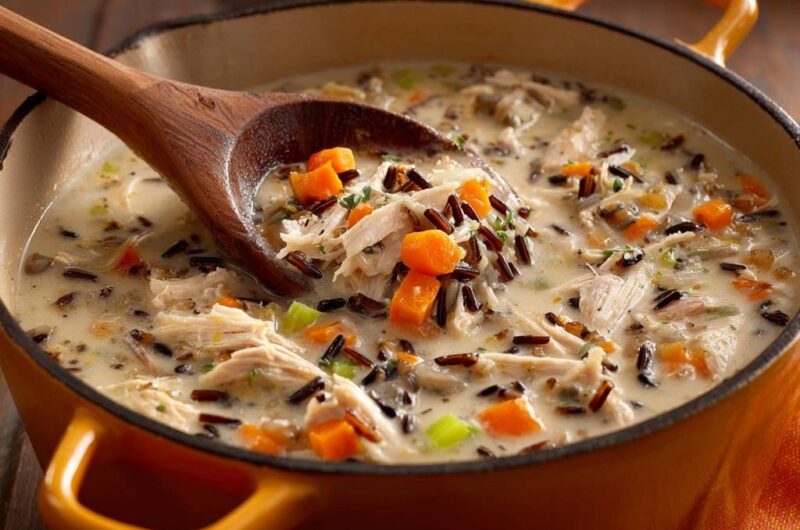
Chicken Wild Rice Soup
Course: Main CourseCuisine: AmericanDifficulty: medium6
servings15
minutes55
minutes380
kcal70
MinutesThis hearty soup features tender shredded chicken and wild rice in a rich, emulsified broth. By tempering a flour and butter roux with hot broth before adding it to the pot, the soup achieves a perfect consistency that suspends the ingredients beautifully.
Ingredients
1 pound boneless skinless chicken breasts
1 cup uncooked 100% wild rice (not a blend, for maximum texture)
1 cup carrots, diced
1 cup celery, diced
1 medium onion, finely chopped
6 cups low-sodium chicken broth
6 tablespoons unsalted butter
1/2 cup all-purpose flour
1 cup heavy cream
2 cloves garlic, minced
1 teaspoon dried thyme
1/2 teaspoon poultry seasoning
Salt and black pepper to taste
Directions
- In a large Dutch oven, combine the chicken broth and the uncooked wild rice. Bring to a boil, then reduce heat to low, cover, and simmer for 20 minutes.
- Add the whole chicken breasts, carrots, celery, onion, garlic, thyme, and poultry seasoning to the pot. Cover and continue to simmer for another 20 minutes.
- Remove the chicken breasts to a plate and shred with two forks. Set aside. Check the rice; it should be tender and starting to “bloom” (split open to reveal the white interior).
- To solve the watery soup problem, create the thickening base in a separate small saucepan. Melt the butter over medium heat and whisk in the flour. Cook for 3 minutes, whisking constantly, until it smells nutty and reaches a blonde color.
- Slowly whisk 2 cups of the hot liquid from the main pot into the flour mixture to create a thick, smooth velouté. This tempered base ensures the thickener integrates perfectly without clumping.
- Pour this thickened mixture back into the main Dutch oven, stirring constantly. Add the shredded chicken back into the pot.
- Stir in the heavy cream and simmer on low for 5-10 more minutes. The soup will transform from a thin broth into a rich, creamy consistency that perfectly suspends the wild rice and chicken. Season generously with salt and pepper before serving. The chicken is done when it reaches 165°F (74°C) in the thickest part.
Notes
- Use 100 percent wild rice rather than a blend for the best texture. The secret to the thick consistency is the separate roux preparation which prevents the soup from becoming thin or separating.