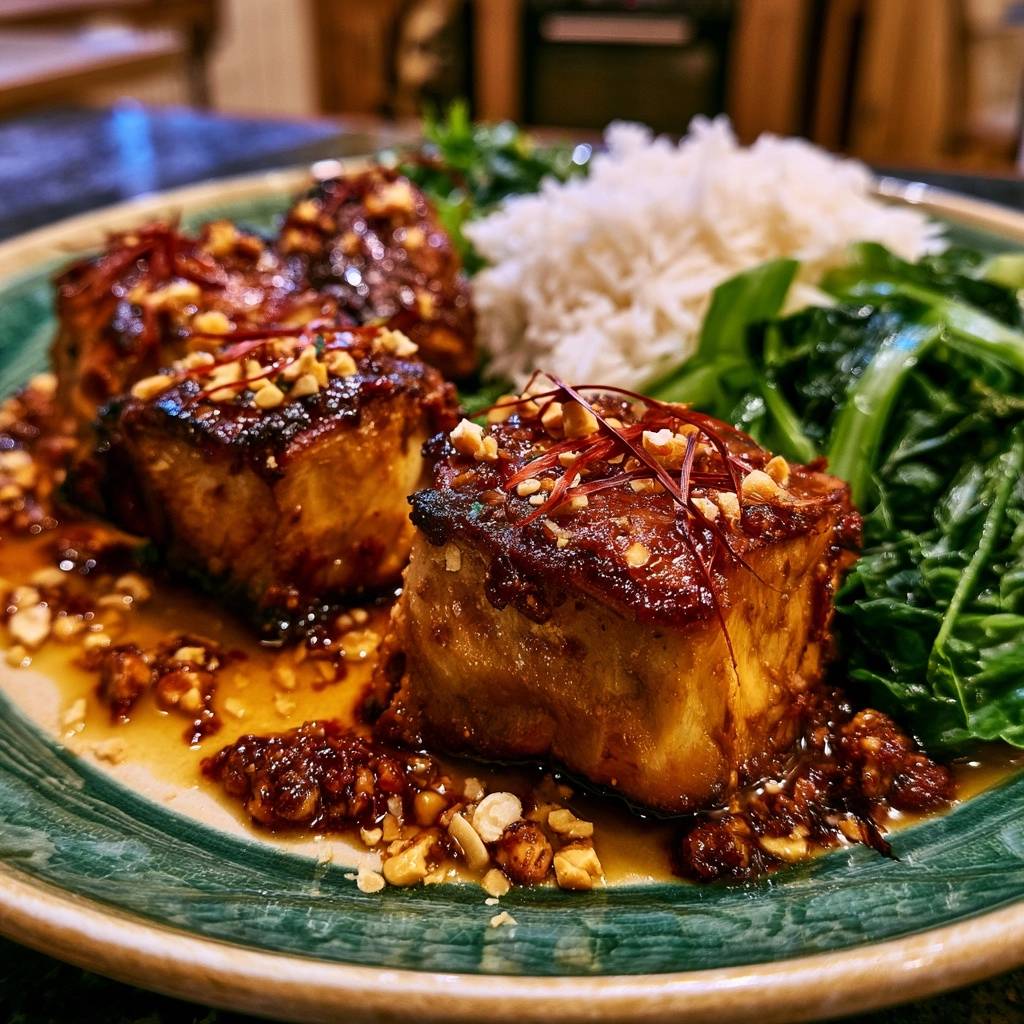
If you’ve ever bitten into a piece of tofu only to find it mushy, bland, or watery, you aren’t alone. Most home cooks struggle with the “soggy tofu” stigma because they treat this protein like meat rather than the moisture-dense sponge it actually is. These Crispy Glazed Tofu Steaks change the game by focusing on a shatter-crisp exterior that gives way to a tender, custard-like interior.
The secret lies in the “steak” cut rather than the traditional small cubes. By slicing the tofu into thick, wide slabs, you create a massive surface area for caramelization and heat retention. This larger footprint allows the tofu to develop a sturdy crust that won’t fall apart when you toss it in a bubbling, savory glaze. It’s the ultimate textural contrast that makes even the most skeptical eaters ask for seconds.
Achieving this restaurant-quality finish requires a bit of patience and a specific technique. You can’t just throw wet tofu into a pan and hope for the best. The magic happens when you combine proper moisture removal with a high-heat sear. I’m telling you, once you hear that first crunch against your fork, you’ll never go back to those sad, soft cubes again.
The Physics of Moisture and Tofu Texture
Tofu is essentially a protein-rich matrix holding a significant amount of water. If you don’t remove that water, it turns into steam the moment it hits the hot oil. This steam pushes the coating away from the protein, resulting in a soggy, peeling mess. To get that “steak” feel, you must manage the water activity within the soy protein cells.
Extra-firm tofu is the only viable choice for this preparation. It has the lowest water content and the densest cellular structure, which allows it to hold its shape under the weight of a heavy skillet. Firm tofu might work in a pinch, but it often crumbles during the searing phase. Silken or soft tofu should be avoided entirely here, as they lack the structural integrity to survive a shallow fry.
Why Pressing is Non-Negotiable
Pressing your tofu for at least 20 minutes is the most critical step in this entire process. When you apply steady pressure, you’re expelling the internal brine that prevents the starch from sticking. A quick 5-minute press only dries the surface, but a full 20-minute session ensures the interior is dense enough to provide a meaty bite.
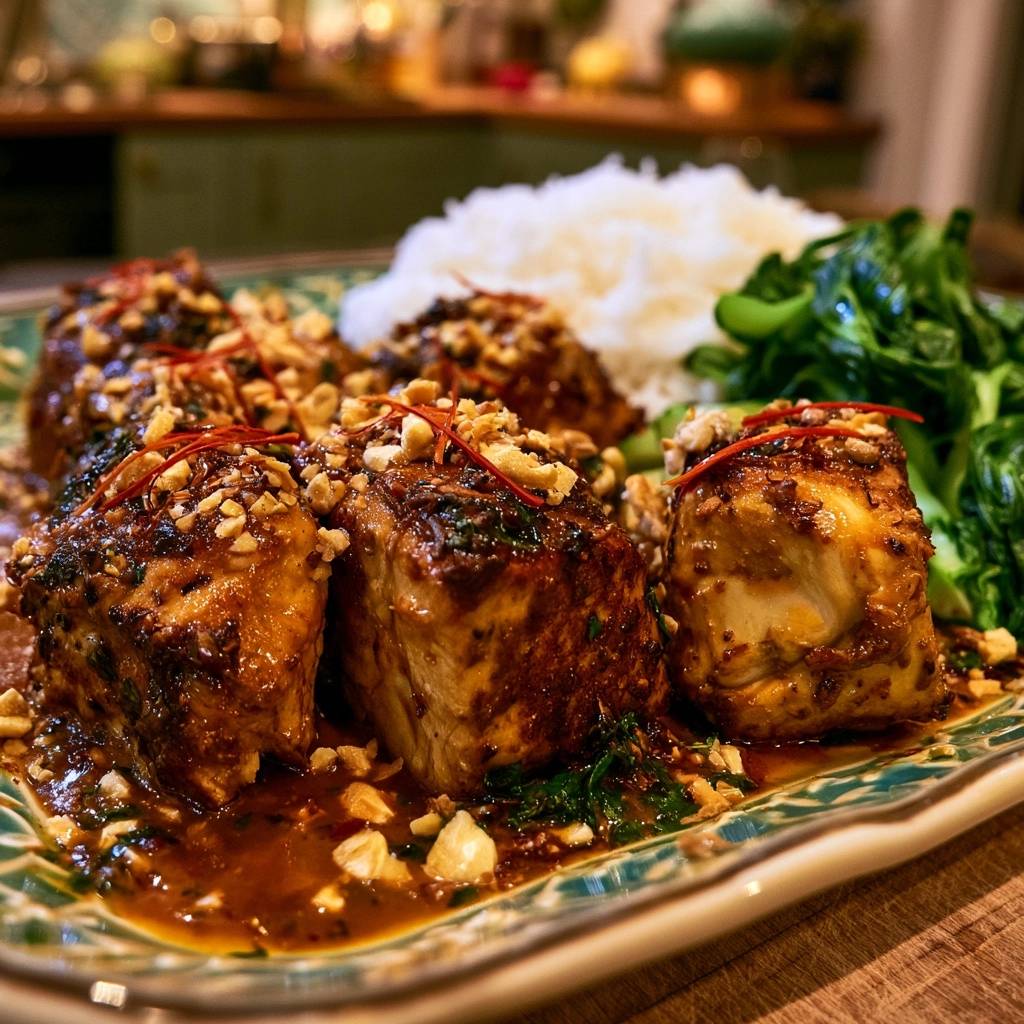
I usually wrap my slabs in a clean kitchen towel and stack a heavy cast-iron skillet on top. You’ll actually see the towel darken as it absorbs the moisture. This patience pays off because a drier steak sears faster and develops a much deeper golden color. If you skip this, the tofu will effectively “boil” in its own juices in the pan, and you’ll lose that crispiness.
The Role of Cornstarch in Surface Dehydration
Cornstarch is the unsung hero of gluten-free crispiness. Unlike all-purpose flour, which can become gummy when it touches moisture, cornstarch creates a “frizzled” barrier. It absorbs any residual surface water and fries into a thin, glass-like shell that protects the tofu from the liquid glaze later on.
When you dredge the steaks, make sure to press the starch firmly into every nook and cranny. You want a visible, chalky coating that looks almost like a dry desert floor. Shake off the excess so you don’t end up with clumps in the oil. This starch layer acts as an insulator, keeping the inside moist while the outside turns into a crunchy armor.
Essential Components for the Savory Glaze
A great glaze is a balance of four pillars: umami, sweetness, heat, and aromatics. We use soy sauce for that deep salty base, while honey or maple syrup provides the sugar needed for a sticky reduction. The chili garlic sauce adds a fermented tang and a slow-building heat that cuts through the richness of the fried exterior.
Quality matters here, especially with your aromatics. Freshly grated ginger has a bright, peppery bite that powdered ginger simply cannot replicate. Similarly, using real honey or maple syrup is vital because the natural sugars have a specific viscosity. These sugars are what allow the sauce to “lacquer” onto the tofu rather than just sliding off into the bottom of the plate.
Selecting the Right Soy Base
I recommend using a standard all-purpose soy sauce or a high-quality tamari for this recipe. Light soy sauce is often too salty and lacks the body needed for a thick glaze, while dark soy sauce can be overly earthy and bitter if reduced too far. A balanced soy sauce provides enough sodium to season the tofu deeply without overwhelming the other flavors.
If you’re watching your salt intake, you can use a low-sodium version, but you may need to simmer the glaze for an extra 30 seconds. The salt content actually helps the sauce emulsify with the fats in the pan. This creates a glossy, professional finish that looks like it came out of a high-end bistro kitchen.
Aromatic Foundations: Ginger and Garlic
You want to mince your garlic and ginger as finely as possible—almost into a paste. Large chunks of garlic are prone to burning when they hit the high-heat oil, which leaves a bitter aftertaste. A fine mince ensures the aromatics integrate fully into the liquid, coating every millimeter of the tofu steak.
If you have a microplane, use it! The goal is to have the ginger and garlic melt into the sauce as it bubbles. This way, you get the punch of flavor in every bite without the unpleasant texture of raw, crunchy garlic bits. It makes the final glaze feel much more refined and cohesive.
Step-by-Step: Achieving the Perfect Sear
The cooking phase is where most people get nervous, but the key is heat management. You need enough oil to coat the bottom of the pan, and it must be shimmering before the tofu goes in. If the oil isn’t hot enough, the cornstarch will just soak up the fat and become greasy instead of crispy.
Phase 1: The Initial Shallow Fry
Once your oil is shimmering, carefully lay the tofu steaks into the pan, laying them away from you to prevent any oil splashes. Now, here is the hardest part: do not touch them. You need to let them sit undisturbed for at least 4 minutes. This allows the Maillard reaction to work its magic, creating that dark, golden-brown crust.
If you try to flip them too early, the crust will stick to the pan and tear away. Use a thin metal spatula to gently peek under one corner. If it lifts easily and looks like a toasted marshmallow, it’s ready to flip. Sear the other side until it’s equally firm and resonant when tapped with your tongs.
Phase 2: Deglazing and Emulsification
Once the tofu is crispy on both sides, pour in your whisked sauce. It will hiss and bubble immediately—this is exactly what you want. The liquid deglazes the pan, picking up all those flavorful browned bits from the bottom. As the water in the sauce evaporates, the sugars and cornstarch residue begin to emulsify.
Spoon the bubbling liquid over the steaks constantly. You’ll see the sauce transform from a thin liquid into a thick, dark lacquer in about 60 to 90 seconds. The sauce should cling to the tofu like a second skin. If it gets too thick too fast, just add a teaspoon of water to loosen it back up.
Phase 3: Incorporating the Peanut Crunch
We add the crushed peanuts in two stages for a reason. Throwing half of them into the pan while the sauce is bubbling allows them to soften slightly and become part of the glaze. They take on the salty-sweet flavor of the soy and honey, adding a chewy, nutty element to the coating.
The second half of the peanuts goes on as a garnish right before serving. This provides that raw, sharp crunch that contrasts with the sticky glaze. It’s a simple trick that adds a layer of complexity to the dish, making it feel much more thoughtful than a standard stir-fry.
Troubleshooting Common Tofu Obstacles
If your tofu is sticking to the pan, your heat is likely too low or you didn’t use enough oil. A non-stick or well-seasoned cast-iron skillet is your best friend here. Always wait for the oil to shimmer; if a tiny pinch of cornstarch doesn’t sizzle instantly when dropped in, the pan isn’t ready.
If the coating is falling off, the tofu was likely too wet before you dredged it. Make sure you press it thoroughly and coat it in starch immediately before frying. If the glaze tastes burnt, you probably let the honey-based sauce sit on high heat for too long. Next time, pull the pan off the burner the second the sauce looks thick and glossy.
Strategic Pairings for a Balanced Plate
Because the glaze is so rich and savory, you need neutral and bitter sides to balance the palate. Steamed jasmine rice is the perfect vessel because its floral aroma and soft texture soak up any extra sauce. It acts as a “reset” button between those intense, flavorful bites of tofu.
For greens, I love sautéed bok choy or Chinese broccoli. The slight natural bitterness of these vegetables cuts right through the sweetness of the honey. A quick sear in the same pan you used for the tofu (after wiping it out) keeps the meal simple and ensures the flavors stay within the same family.
Garnish Mastery: Chili Threads and Texture
To really give this dish a professional look, use chili threads, also known as sil-gochu. These are fine, ruby-red strands of dried chili that offer a very mild, smoky heat. They aren’t nearly as spicy as red pepper flakes, so you can use them generously for a beautiful pop of color.
You can usually find them at Asian grocery stores or online. If you can’t find them, thinly sliced green onions or a sprinkle of toasted sesame seeds work well too. The goal is to add a final layer of visual interest and a hint of freshness to the dark, glazed steaks.
Storage and Reheating for Maximum Crunch
Tofu is notoriously difficult to keep crispy once it’s been refrigerated. The glaze will naturally soften the crust over time. If you have leftovers, store them in an airtight container for up to three days. However, whatever you do, stay away from the microwave! It will turn your beautiful tofu steaks into rubbery sponges.
The best way to revive the crunch is in an air fryer or a toaster oven at 375°F for about 5 to 8 minutes. This high, dry heat reactivates the starch and crisps the glaze back up. If you’re using a skillet to reheat, add a tiny drop of oil and keep the heat medium-low so the sugars in the glaze don’t burn before the center is warm.
Expert Tips for Tofu Success
Can I use an Air Fryer instead of a skillet?
Yes, you can air fry the starched tofu steaks at 375°F for about 15-18 minutes, flipping halfway through. However, you won’t get the same deep caramelization as a skillet. You’ll still need to simmer the glaze in a separate small pan and toss the crispy tofu in it at the very end to get that sticky, lacquered finish.
What is the best substitute for honey?
Maple syrup is a fantastic 1:1 substitute and adds a lovely woody undertone. Agave nectar also works well. If you only have brown sugar, mix it with a tablespoon of water before adding it to the soy sauce to ensure it dissolves properly and doesn’t crystallize into hard bits in the pan.
How do I prevent the garlic from burning?
The “late addition” technique is your best bet. Don’t sauté the garlic in the oil before adding the liquid. Instead, whisk the minced garlic directly into the soy sauce mixture. When the liquid hits the pan, it buffers the temperature, allowing the garlic to cook and release its aroma without ever reaching the burning point.
Is it possible to over-press tofu?
While it’s hard to do in 20 minutes, pressing tofu for more than 2 hours can actually make it too dry and crumbly. You want to remove the excess brine, but you still want the interior to be supple. The sweet spot is usually between 20 and 40 minutes for the perfect steak-like density.
Crispy Glazed Tofu Steaks
Course: Main CourseCuisine: Asian FusionDifficulty: easy2
servings20
minutes15
minutes35
Minutes410
kcalAsian Fusion
Ingredients
1 block extra-firm tofu (14-16 oz)
3 tablespoons cornstarch
3 tablespoons vegetable oil (for shallow frying)
1/4 cup soy sauce
1 tablespoon honey or maple syrup
1 tablespoon chili garlic sauce or sambal oelek
1 teaspoon grated ginger
1 clove garlic, minced
1/2 cup roasted peanuts, roughly crushed
1 teaspoon chili threads (sil-gochu)
2 cups steamed jasmine rice
1 bunch sautéed bok choy or Chinese broccoli
Directions
- The most critical step to prevent sogginess is pressing the tofu. Slice the block into 4 large, thick rectangular “steaks” rather than small cubes. Place them between several layers of paper towels or a clean kitchen towel. Put a heavy skillet or weighted plate on top for at least 20 minutes to squeeze out excess water.
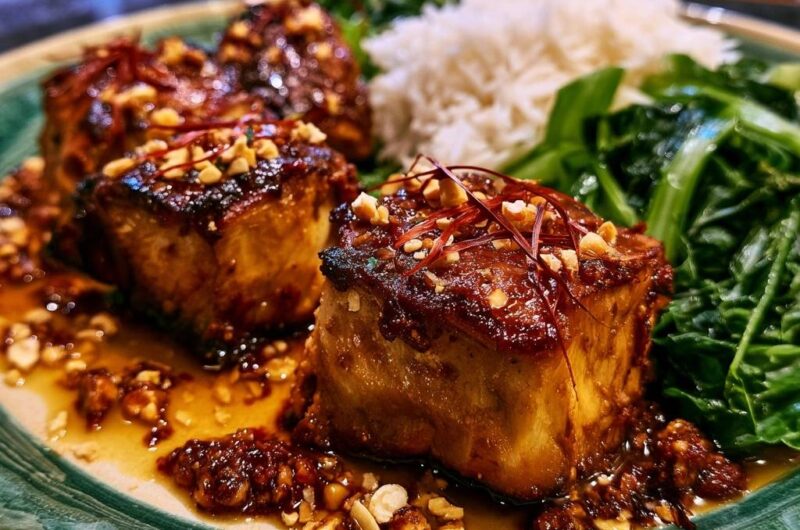
- Once dry, dredge the steaks in cornstarch, pressing it firmly into all sides to create a thick coating. Shake off any excess. This starch layer is what creates the visible golden-brown crust seen in the image.
- Heat the vegetable oil in a non-stick or cast-iron skillet over medium-high heat. Once the oil is shimmering, carefully place the tofu steaks in the pan. Sear undisturbed for 4-5 minutes per side. Do not flip until a dark, golden-brown crust has formed.
- While the tofu sears, whisk together the soy sauce, honey, chili garlic sauce, ginger, and garlic in a small bowl.
- Once the tofu is crispy on all sides, pour the sauce into the pan. Immediately add half of the crushed peanuts into the sauce. Turn the heat to high for 60-90 seconds, spooning the bubbling sauce over the tofu. The sauce will reduce into a thick, sticky glaze that clings to the crust.
- Plate the tofu steaks alongside the steamed rice and greens. Pour the remaining thickened glaze and peanut bits from the pan over the tofu. Top generously with the remaining crushed peanuts and chili threads for the signature professional finish.
Notes
- The secret to the crust is pressing the tofu for at least 20 minutes and using cornstarch for dredging. Ensure the oil is shimmering before adding the tofu to prevent sticking and ensure crispiness.