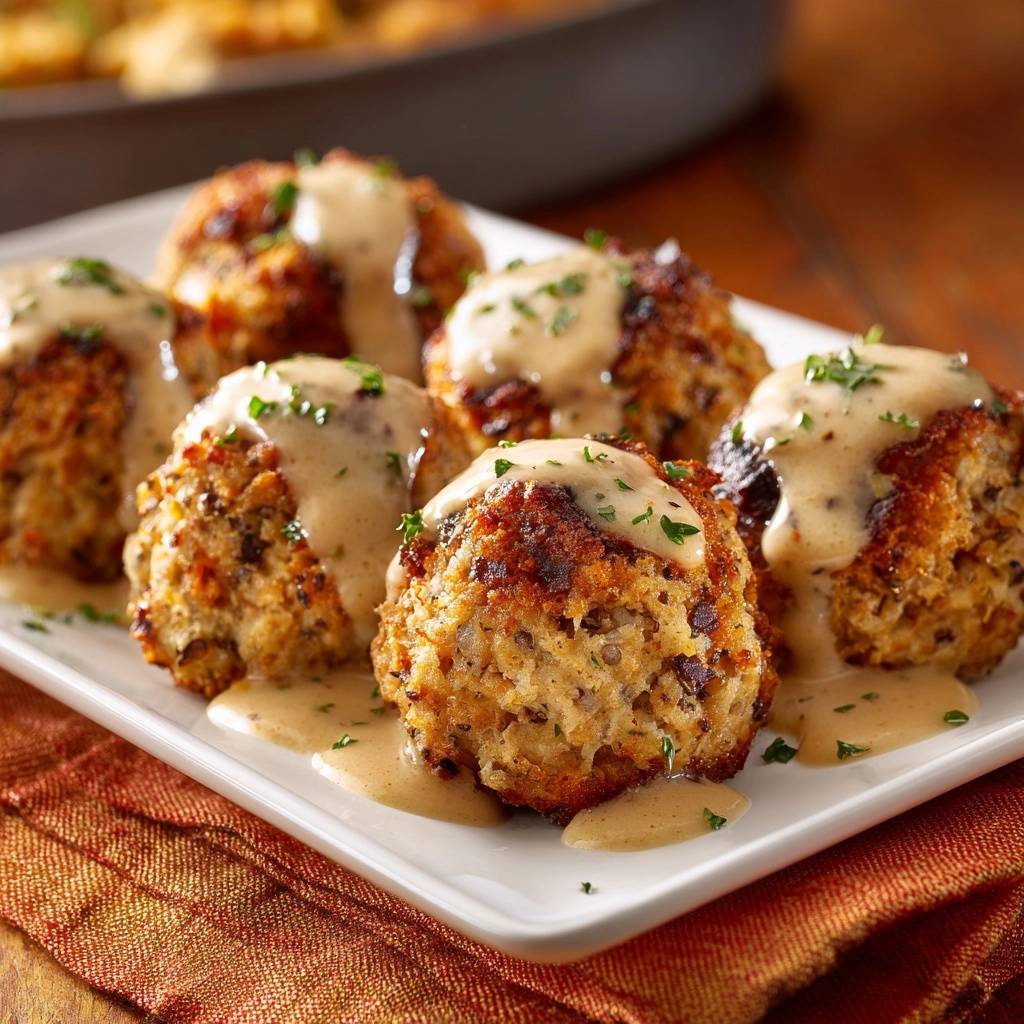
Forget every rubbery, flavorless turkey meatball you’ve ever endured. Most people avoid ground turkey because it has a reputation for drying out the second it touches a hot pan, but we’re changing that narrative today. The secret lies in a beautiful contrast of textures: a deeply caramelized, crunchy exterior that gives way to a center so tender it practically melts.
While baking meatballs is convenient, it often results in a gray, unappealing surface and a spongy middle. By choosing to pan-sear, you’re utilizing the Maillard reaction to create complex, savory flavors that you simply can’t get from an oven. This method transforms lean poultry into a gourmet meal that rivals any traditional beef or lamb recipe.
The real trick to this recipe’s success is the moisture barrier we build before the meat even hits the heat. I’ve found that a milk-soaked panade is the ultimate insurance policy against “turkey toughness.” It keeps the proteins from tightening up into a bouncy ball, ensuring every bite is succulent and rich.
The Science of the Panade for Moisture
If you’ve ever wondered why some meatballs feel like lead weights while others are light and airy, the answer is usually a panade. A panade is a mixture of a starch—in this case, panko breadcrumbs—and a liquid like whole milk. When you let these two sit together, the starch molecules swell and create a gel-like paste that coats the meat fibers.
In lean meats like turkey, the proteins want to bond tightly together as they cook, squeezing out their natural juices. The panade acts as a physical spacer between those proteins. It prevents them from over-linking, which keeps the texture soft. Furthermore, the milk adds a touch of fat and calcium that helps tenderize the meat from the inside out.
Using panko specifically is a pro move because its flaky, jagged structure absorbs more liquid than fine, sandy breadcrumbs. This creates a more robust moisture reservoir. When the meatballs hit the hot oil, the exterior crisps up beautifully, but the interior stays protected by that hydrated starch barrier. It’s a simple chemical fix for a common kitchen frustration.
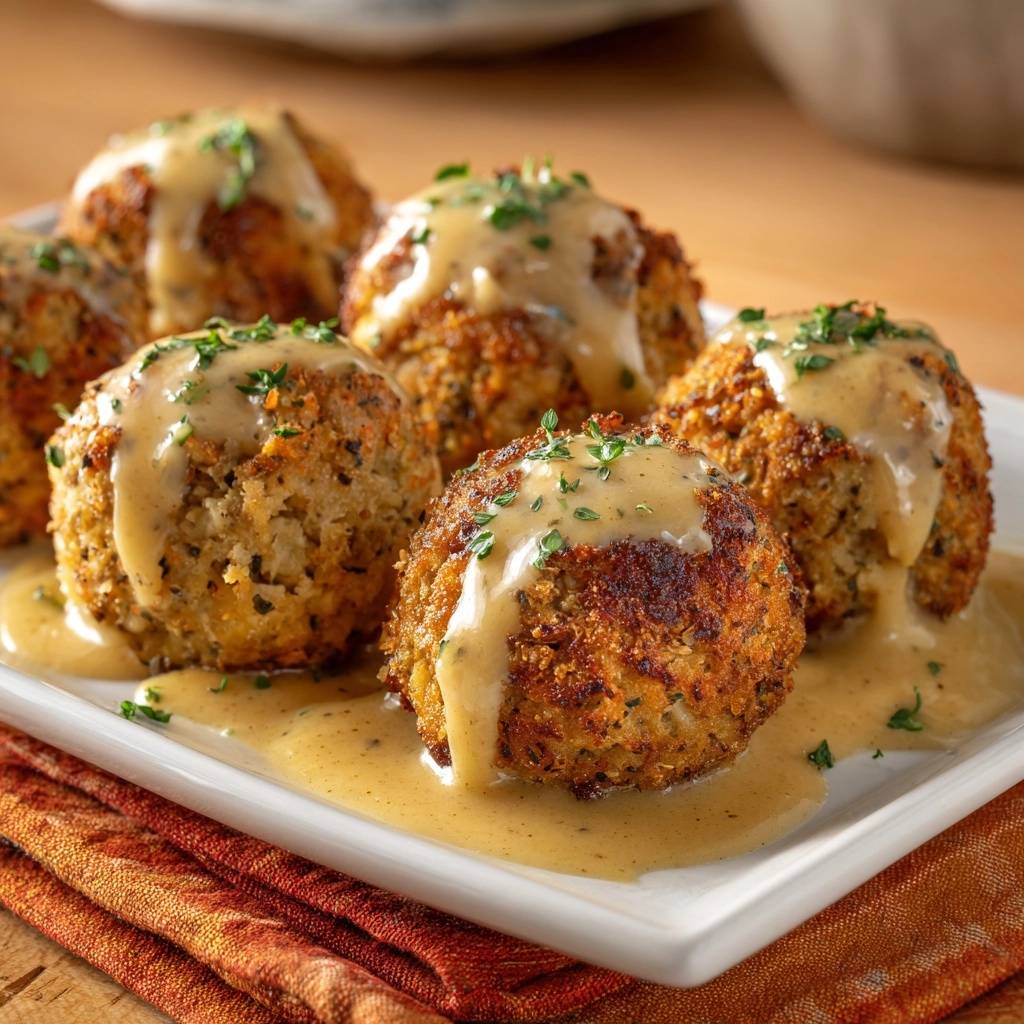
Essential Components for Crispy Pan-Seared Turkey Meatballs
Success starts at the grocery store, and for this dish, the fat ratio is everything. You want to look for 93% lean ground turkey rather than the 99% fat-free variety. That small amount of extra fat provides the necessary lubrication for a juicy mouthfeel and helps the exterior brown more effectively in the skillet.
Parmesan cheese serves a dual purpose here. Beyond its salty, nutty punch, it acts as a structural binder. As the cheese melts and then crisps against the pan, it contributes to that “shatter-crisp” crust we’re looking for. Always use freshly grated parmesan if you can; the pre-shredded stuff is coated in potato starch which can interfere with the texture.
Choosing the Right Ground Turkey Blend
If you use 99% lean turkey, you’re essentially cooking pure protein with almost zero moisture. It will likely turn out crumbly and dry regardless of your technique. The 93% lean blend contains just enough dark meat to provide flavor and a better sear. This fat content is what allows the meatball to develop a golden-brown crust without the center becoming sawdust.
Aromatics and Seasoning Ratios
Fresh garlic is non-negotiable for that sharp, aromatic bite that cuts through the richness of the gravy. However, I prefer dried oregano for the meatball mixture itself. Dried herbs have a more concentrated, earthy backbone that stands up well to high-heat frying. Fresh herbs can sometimes scorch and turn bitter in a hot skillet, whereas dried oregano blooms beautifully in the oil.
Step-by-Step: Hydrating the Panade and Mixing
Start by mixing your panko and milk in a small bowl and let it sit for a full 10 minutes. You’re looking for a thick, hydrated paste that looks almost like oatmeal. If you rush this step, the dry breadcrumbs will actually pull moisture *out* of the meat instead of providing it. Patience here pays off in the final texture.
When it’s time to combine the turkey with the panade and seasonings, use a light touch. I always suggest using your hands rather than a spoon. You want to gently fold the ingredients together until they are just combined. If you squeeze or over-knead the mixture, you’ll break down the meat proteins too much, resulting in a dense, rubbery meatball that feels industrial rather than homemade.
Techniques for Shaping and Uniform Sizing
Aim for spheres about 1.5 inches in diameter, roughly the size of a golf ball. This size is the “sweet spot” for turkey. It’s large enough to maintain a juicy center but small enough that the outside doesn’t burn before the inside reaches a safe temperature. Using a spring-loaded cookie scoop ensures every meatball is the same size, which means they’ll all finish cooking at the exact same time.
Achieving the Perfect Sear in the Skillet
To get that restaurant-quality crust, you need the right pan and the right heat. A cast-iron skillet or a heavy-bottomed stainless steel pan is ideal because they hold heat exceptionally well. When you add the meatballs, the pan temperature will naturally drop; a heavy pan minimizes this dip, ensuring the searing starts immediately.
Heat your oil until it’s shimmering and just starting to wisps of smoke. Carefully place the meatballs in the pan, and then—this is the hard part—don’t touch them for at least two minutes. They need that uninterrupted contact with the heat to develop a crust. If you try to flip them too early, they’ll stick to the pan and tear.
Managing Heat and Avoiding Crowding
Never crowd the pan. If the meatballs are touching, they will steam each other rather than sear. This results in a gray, mushy exterior. Cook them in two batches if necessary. This keeps the oil temperature high and allows the moisture to evaporate quickly, which is the key to that deep, golden-brown color.
Internal Temperature and Safety Standards
Turkey must reach an internal temperature of 165°F to be safe to eat. Use an instant-read thermometer to check the largest meatball in the batch. Insert it through the side to avoid breaking the crust on the top. Once they hit 160°F, you can pull them out; the “carry-over cooking” will bring them up to the final 165°F while they rest on the plate.
Building the Rich Pan Gravy Base
After you remove the meatballs, you’ll see dark, caramelized bits stuck to the bottom of the pan. That is “fond,” and it’s pure flavor gold. Don’t wash the pan! Wipe out any excess burnt oil, but keep those brown bits. Melt your butter right on top of them, then whisk in the flour to create your roux.
Those flavorful browned bits are the base for many great sauces, like the one in these festive cranberry glazed meatballs.
Cook the roux for about two minutes. You’re looking for a light tan color and a nutty aroma. This toasts the flour and removes that “raw” taste. This base is what gives the gravy its body and ensures it’s smooth rather than grainy. It’s the foundation of a sauce that tastes like it’s been simmering for hours.
Deglazing and Emulsifying the Sauce
Slowly pour in your broth while whisking constantly. This “slow-pour” technique prevents lumps from forming. As the liquid hits the hot pan, it will lift the fond off the bottom, incorporating all that roasted turkey flavor into the sauce. Adding a splash of heavy cream at the end provides a silky mouthfeel that perfectly balances the lean meat.
Troubleshooting Common Turkey Meatball Issues
If your meatballs are falling apart, it’s usually a binding issue. Make sure your egg was large enough and that your panade was a thick paste, not a liquid. If the mixture feels too wet to roll, chill it in the fridge for 20 minutes to firm up the fats and starches before shaping.
Lack of browning usually means the pan wasn’t hot enough or you moved the meatballs too soon. Remember, moisture is the enemy of a sear. If the turkey was very wet when it came out of the package, pat it dry with a paper towel before mixing. For dry centers, the culprit is almost always overcooking. Trust your thermometer and pull them the moment they hit the safety zone.
Optimal Side Dish Pairings
These meatballs are rich and savory, so they pair beautifully with starches that can soak up the extra gravy. A pile of buttery mashed potatoes is the classic choice, but al dente egg noodles offer a lovely textural contrast. If you want something lighter, roasted root vegetables like carrots and parsnips bring a natural sweetness that complements the savory oregano and garlic.
For more one-pan wonders with chicken, discover these Skillet Cheesy Chicken Meatballs.
Storage, Reheating, and Meal Prep Strategies
You can store cooked meatballs in an airtight container in the fridge for up to four days. To preserve the crispy exterior when reheating, avoid the microwave if possible. Instead, place them in a skillet over medium-low heat with a tiny splash of broth and cover them for a few minutes. This steams the center while keeping the outside from getting soggy.
What to Try Next
Round out your meal with these complementary dishes that go well with turkey meatballs.
- For a comforting foundation, serve your meatballs alongside creamy mashed potatoes.
- Add a fresh, crisp element with crispy asparagus bundles.
Expert Tips for Success
How should I store leftovers?
Store the meatballs and gravy in an airtight container in the refrigerator for up to 4 days. For the best texture, store the gravy separately if possible, though it isn’t strictly necessary. I don’t recommend freezing the gravy as the heavy cream can separate and become grainy, but the cooked meatballs freeze beautifully for up to 3 months.
Why did my meatballs turn out tough or rubbery?
This usually happens for two reasons: over-mixing the meat or skipping the panade. When you over-work ground turkey, the proteins cross-link and create a dense, bouncy texture. Always mix until the ingredients are just combined. Also, ensure you use 93% lean turkey; 99% lean is simply too dry for this searing method.
Can I use a different type of breadcrumb?
Yes, you can use regular Italian breadcrumbs, but you may need to adjust the milk. Regular crumbs are finer and denser than panko, so start with 3 tablespoons of milk and add more if the paste is too dry. For a gluten-free option, gluten-free panko works perfectly as a 1:1 substitute.
What is the best oil for searing meatballs?
Use a neutral oil with a high smoke point, such as avocado oil, canola oil, or grapeseed oil. Avoid extra virgin olive oil for the searing phase, as it can smoke and turn bitter at the temperatures required to get a good crust. Save the butter for the gravy where the heat is more controlled.
My gravy is too thin, how do I fix it?
If the gravy hasn’t thickened enough after simmering for 5 minutes, let it cook for another 2-3 minutes to reduce the liquid. If it’s still too thin, mix a teaspoon of cornstarch with a tablespoon of cold water and whisk it into the simmering sauce. It will thicken almost instantly. Remember that the gravy will also thicken naturally as it cools slightly.
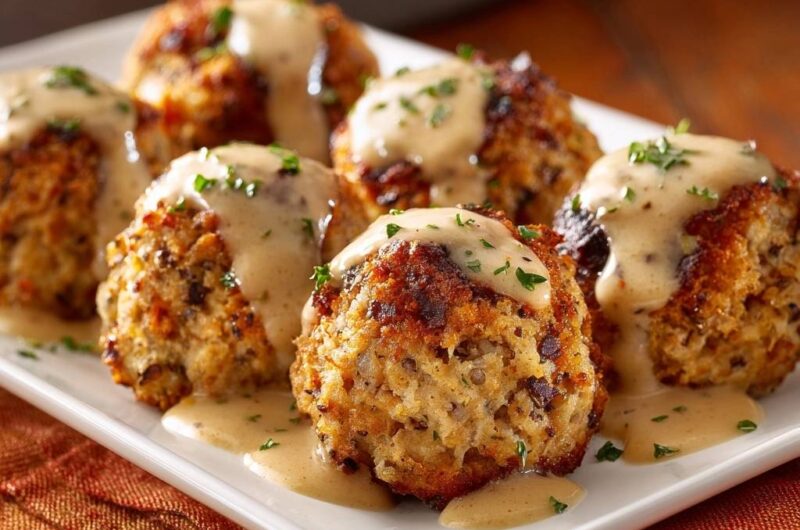
Turkey Meatballs
Course: Main CourseCuisine: AmericanDifficulty: easy4
servings15
minutes20
minutes340
kcal35
MinutesThese turkey meatballs solve the problem of dry poultry by using a panko and milk panade for moisture. They are pan-seared for a golden-brown exterior and finished with a savory cream gravy and fresh parsley.
Ingredients
1 pound ground turkey (93% lean preferred)
1/2 cup panko breadcrumbs
1/4 cup whole milk
1 large egg, beaten
1/4 cup finely grated parmesan cheese
2 cloves garlic, minced
1 teaspoon dried oregano
1/2 teaspoon onion powder
1/2 teaspoon salt
1/4 teaspoon black pepper
3 tablespoons neutral oil (for frying)
Fresh parsley, finely chopped for garnish
For the Creamy Gravy:
2 tablespoons butter
2 tablespoons all-purpose flour
1.5 cups beef or mushroom broth (for deep color)
1/4 cup heavy cream
1/2 teaspoon Worcestershire sauce
Salt and pepper to taste
Directions
- In a small bowl, combine the panko breadcrumbs and milk. Let this sit for 5 to 10 minutes until it forms a thick, hydrated paste. This panade is the essential step to ensure your meatballs never turn out dry.
- In a large mixing bowl, combine the ground turkey, the soaked panade, egg, parmesan, garlic, oregano, onion powder, salt, and pepper.
- Use your hands to gently mix until just combined. Do not overwork the meat; over-mixing leads to a dense, rubbery texture.
- Roll the mixture into 1.5-inch balls (about the size of a golf ball).
- Heat 3 tablespoons of oil in a large non-stick or cast-iron skillet over medium heat. Once the oil is shimmering, add the meatballs in batches to avoid crowding.
- Sear the meatballs for 8-10 minutes, turning frequently, until they have a deep golden-brown crust on all sides and the internal temperature reaches 165°F. Remove meatballs and set aside on a plate.
- Wipe out the excess oil from the skillet but keep the browned bits. Melt butter in the same skillet over medium heat. Whisk in flour and cook for 1-2 minutes until it smells nutty.
- Slowly whisk in the broth and Worcestershire sauce. Simmer for 3-5 minutes until the sauce thickens enough to coat the back of a spoon. Stir in the heavy cream and season with salt and pepper.
- Arrange the crispy meatballs on a platter. Drizzle the warm gravy generously over the centers, allowing it to drip down the sides as pictured. Garnish with a heavy sprinkle of fresh parsley and serve immediately.
Notes
- Do not overwork the meat when mixing to avoid a dense and rubbery texture. The panade is the essential step to ensure the turkey remains moist.