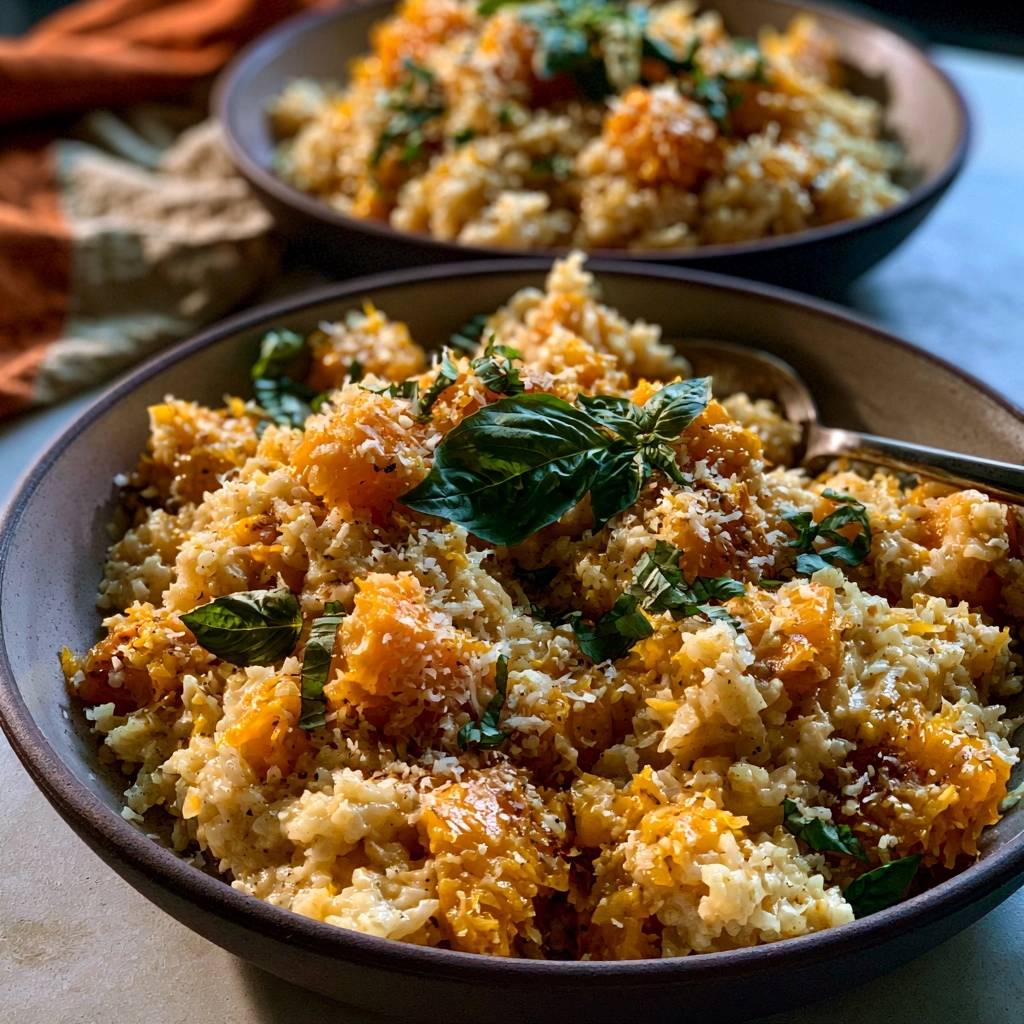
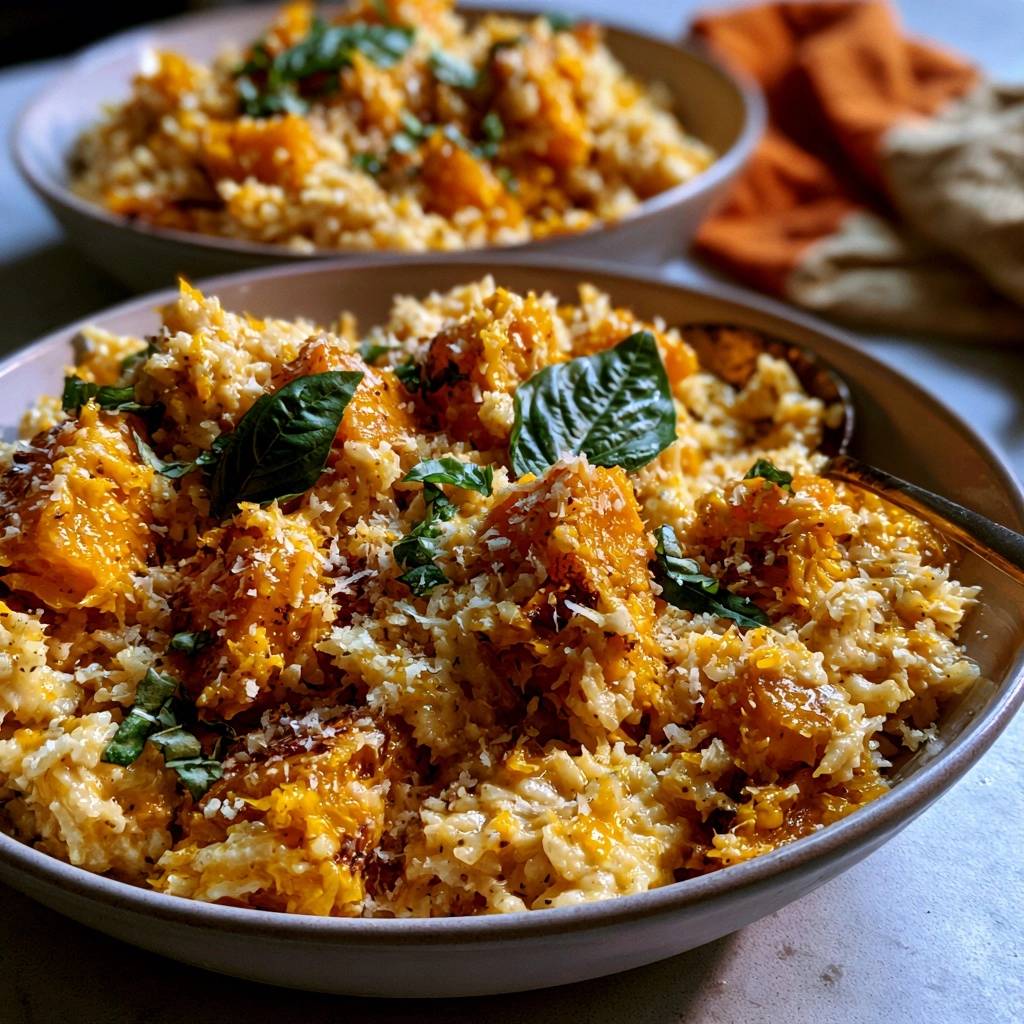
Imagine a bowl of risotto where every single grain of rice is coated in a silky, golden emulsion, yet remains firm and distinct to the bite. You aren’t looking for a heavy, porridge-like mush. Instead, you want that classic “all’onda” texture—the way the rice ripples like a gentle wave when you tilt the plate. This Roasted Butternut Squash Risotto is a masterclass in that specific balance, pairing the earthy sweetness of caramelized squash with the savory, nutty depth of perfectly toasted rice.
Most home cooks struggle with risotto because it often turns into a gummy, sticky paste that feels heavy on the palate. However, achieving restaurant-quality results is actually about understanding the science of starch rather than just standing over a stove for an hour. By roasting the squash separately and mastering the “tostatura” phase, you can create a dish that feels light, vibrant, and sophisticated.
The real secret to success lies in the temperature of your liquid. If you add cold broth to your hot rice, you shock the grain, causing the outside to fall apart while the inside stays raw and crunchy. Keeping your vegetable broth at a steady simmer on the burner next to your pan ensures a smooth, even release of starch every single time.
The Anatomy of a Non-Gummy Risotto
To understand why risotto behaves the way it does, you have to look at the rice grain itself. Varieties like Arborio and Carnaroli are packed with two types of starch: amylose and amylopectin. Amylopectin is the sticky stuff on the outside that creates the creamy sauce, while amylose stays tucked inside to keep the grain’s shape. If you overwork the rice or use the wrong heat, these starches break down too quickly, resulting in that dreaded gluey texture.
This recipe focuses on preserving the structural integrity of every grain. We use a technique called “mantecatura” at the very end, which is the Italian art of finishing the dish. Instead of just stirring in cheese, you are vigorously emulsifying cold butter and Parmesan into the remaining liquid. This creates a glossy, pourable sauce that suspends the rice rather than binding it into a solid block.
Selecting the Right Rice: Arborio vs. Carnaroli
Arborio is the most common rice you’ll find in US grocery stores, and it’s wonderful for a plush, creamy finish. However, if you can find Carnaroli, grab it. Chefs often call it the “king of rice” because it has a higher starch content and a firmer core that is much harder to overcook. When shopping, look for a package where the grains are uniform and not broken; those tiny white fragments in the bottom of the bag will cook faster than the whole grains and create an uneven texture.
The Role of Temperature in Starch Release
You must keep your vegetable broth at a low simmer in a separate saucepan throughout the entire cooking process. When hot broth hits the hot rice, it encourages the starch to swell and release gradually. If you use cold liquid, the temperature of the pan drops, the cooking stops, and the rice grains “blow out,” becoming mushy on the exterior while remaining chalky in the center.
Essential Components for Roasted Butternut Squash Risotto
Every ingredient in this dish serves a functional purpose beyond just flavor. We deglaze the pan with broth and a splash of lemon juice because that acidity is vital for cutting through the natural sugars of the squash and the richness of the butter. Without that sharp note, the dish can feel one-dimensional and overly heavy.
Choosing and Prepping the Butternut Squash
When you’re at the market, look for a butternut squash with a long, thick neck. The neck is solid flesh, whereas the bulbous bottom contains all the seeds and stringy bits. Peeling and cubing the squash into 1/2 inch pieces is the “golden ratio” for this recipe. This size allows the edges to caramelize beautifully in the oven while remaining large enough to stay intact when you fold them into the rice later.
Aromatics and Fats: The Flavor Foundation
We use a combination of olive oil and unsalted butter to start the base. The oil allows for a higher cooking temperature, while the butter provides that essential dairy fat for flavor. Yellow onions are the best choice here because they melt into the background, providing sweetness without the sharp bite of white onions or the color bleed of red ones. A tiny pinch of nutmeg acts as the “bridge” spice, pulling the savory Parmesan and sweet squash together into one cohesive profile.
Phase One: Achieving Maximum Caramelization
Roasting the squash is the first step toward building deep flavor. We want to trigger the Maillard reaction, which is the chemical process that browns the natural sugars in the vegetable. By roasting the squash separately at a high heat, we ensure it develops a concentrated flavor and a slightly chewy exterior that provides a great textural contrast to the creamy rice.
The Importance of High-Heat Roasting
Preheating your oven to 400°F is non-negotiable. This high temperature blasts the moisture out of the squash quickly, allowing the edges to turn golden and crisp. If you were to cook the squash directly in the rice, it would simply boil and dissolve into a puree, turning your entire risotto orange and making the texture thick and heavy.
Phase Two: The Tostatura and Deglazing Process
The “tostatura,” or toasting phase, is the most critical technical step in the entire recipe. After your onions are soft, you add the dry rice to the fat in the pan. You aren’t just warming it up; you are actually frying the exterior of the grain. This creates a protective barrier that prevents the rice from absorbing liquid too fast and falling apart.
Why Toasting Prevents Gummy Rice
As you stir the dry rice for those 3-4 minutes, watch the edges. They will start to look translucent, like little crystals, while the center remains a pearly, opaque white. This “seals” the starch. If you skip this, the rice will release its starch all at once the moment the broth hits the pan, leading to a sticky mess rather than a silky sauce.
Deglazing with Broth and Lemon
Once the rice is toasted, pour in the broth and lemon juice. It will hiss and steam, releasing a wonderful aroma. Stir constantly until the liquid is almost entirely gone, leaving only the bright acidity that balances the dish. This step also helps scrape up any flavorful bits stuck to the bottom of the pot.
Phase Three: The Gradual Hydration Method
Now comes the rhythmic part of the process. Adding the broth one ladle at a time is what coaxes the starch out of the rice. You want to follow the “80% absorption” rule: wait until the rice has soaked up most of the liquid before adding the next scoop. If you drown the rice in broth all at once, you’re just boiling it, and you’ll lose that signature creaminess.
The Agitation Technique: How Much Stirring is Enough?
There is a common myth that you have to stir risotto every single second without stopping. That’s not true! You need frequent agitation to create friction between the grains, which rubs the starch off into the sauce. However, stirring too aggressively can actually break the grains. A gentle, consistent stir every minute or so is plenty to get that perfect consistency.
Judging the Al Dente “Bite”
Start tasting your rice around the 18-minute mark. You are looking for a grain that is tender all the way through but still has a firm “bite” at the very center. If it feels chalky or sticks to your teeth, it needs another ladle of broth. Remember, the risotto should still look a bit loose and “soupy” when you turn off the heat, as it will continue to thicken as you add the cheese.
Phase Four: Mantecatura and Final Assembly
Mantecatura is where the magic happens. Take the pot off the heat entirely. This is crucial because high heat can cause the cheese to become stringy or the butter to separate. By adding the cold butter and Parmesan to the slightly cooled rice, you create a stable, creamy emulsion that coats every grain like velvet.
Folding in the Roasted Squash
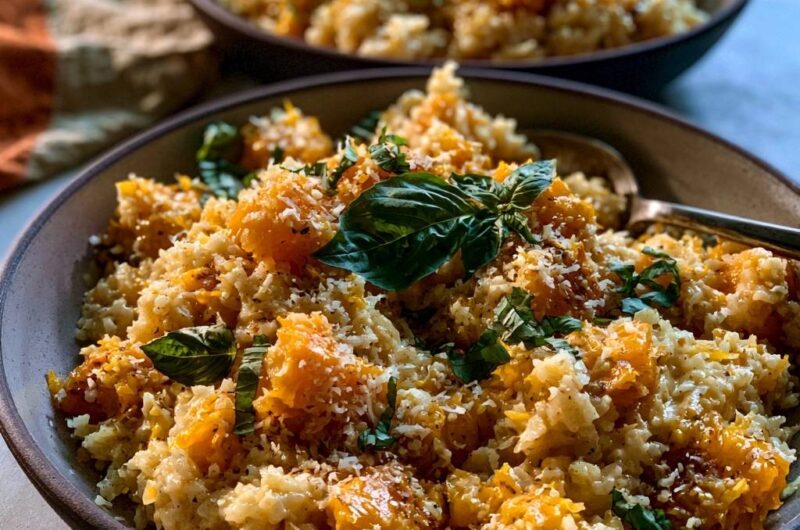
Use a wide spatula to gently fold in about three-quarters of your roasted squash. You want to be careful not to smash the cubes; seeing those distinct orange pieces against the white rice makes for a beautiful presentation. Save the remaining quarter of the squash to nestle on top of the bowls right before serving.
The Final Seasoning: Nutmeg and Basil
Fresh basil should be torn by hand and added at the very last second. If you cook the basil, it will turn black and lose its peppery freshness. That final dusting of nutmeg might seem small, but it elevates the squash’s sweetness and adds a professional “hidden” flavor that will have your guests wondering what your secret ingredient is.
Troubleshooting Common Risotto Failures
If your risotto feels too dry or stiff, don’t panic. Simply stir in a tiny splash of hot broth or even a tablespoon of hot water right before serving to loosen it up. If it’s too salty, it’s likely because your broth reduced too much; next time, try using a low-sodium broth or diluting your stock with a bit of water.
To save a batch that is starting to turn gummy, stop stirring immediately. Add a final splash of liquid, fold in your butter and cheese very gently, and serve it right away. The more you work a gummy risotto, the stickier it becomes. Speed is your friend when the texture starts to go south.
What to Do if the Rice is Still Hard
If you run out of broth and the rice is still crunchy, you can use hot water. Just make sure it is boiling. Adding cold water will ruin the texture you’ve worked so hard to build. Add the water in very small increments—half a ladle at a time—until the rice reaches that perfect al dente stage.
Correcting a “Soup-Like” Consistency
If you accidentally added too much liquid at the end, don’t keep cooking it, or the rice will turn to mush. Instead, take it off the heat and add an extra handful of finely grated Parmesan. The cheese acts as a thickener and will help bind the excess liquid into a creamy sauce as you stir vigorously.
Expert Tips for Professional Presentation
For the best experience, serve your risotto in wide, shallow bowls rather than deep ones. This allows the rice to spread out “all’onda” style. Always warm your bowls in a low oven or with a bit of hot water before plating. Risotto loses its perfect texture the moment it starts to cool down, so a warm bowl buys you extra time to enjoy that silky consistency.
Flavor Variations and Ingredient Swaps
If you want to change things up, try swapping the basil for fried sage leaves. Sage and butternut squash are a classic autumnal pairing, and the crunch of the fried leaves adds another layer of texture. For a dairy-free version, you can use a high-quality vegan butter and nutritional yeast, though the texture will be slightly less glossy than the traditional version.
Frequently Asked Questions
Can I use brown rice for this recipe?
No, brown rice will not work for traditional risotto. It lacks the high surface starch (amylopectin) necessary to create a creamy sauce. Brown rice also takes much longer to cook and has a chewy bran layer that prevents the grains from ever achieving that silky, emulsified texture.
Can I make this in a slow cooker or Instant Pot?
While you can find recipes for “dump and start” risotto, the texture will never be the same. The creaminess of risotto comes from the physical agitation of stirring and the gradual addition of liquid. Pressure cooking or slow cooking often results in rice that is either unevenly cooked or unpleasantly mushy.
How do I reheat leftovers without it becoming a brick?
Risotto firms up significantly in the fridge as the starches set. To reheat, place the rice in a small skillet with a splash of water or broth. Heat it over medium-low, stirring gently to break up the clumps, until it regains its loose, creamy consistency. Avoid the microwave if possible, as it tends to make the rice rubbery.
Can I use frozen butternut squash?
You can use frozen squash in a pinch, but the texture will be softer. Frozen vegetables are blanched before freezing, which breaks down their cell walls. If using frozen, roast them directly from frozen at 425°F to try and get some caramelization, but be aware they may be more prone to breaking apart when folded into the rice.
Can I use white wine vinegar instead of lemon juice?
Yes, a splash of white wine vinegar in the broth works too. The goal is to provide acidity to the dish. Without that acidic component, the butternut squash and butter can make the dish taste flat and overly sweet.
Optimal Side Dish Pairings
Since this risotto is quite rich and creamy, you want to pair it with something bright and acidic. A simple arugula salad tossed in a sharp lemon vinaigrette is the perfect palate cleanser. Alternatively, roasted balsamic Brussels sprouts offer a nice bitterness that cuts through the sweetness of the squash, making for a well-rounded and satisfying meal.
Roasted Butternut Squash Risotto
Course: Main CourseCuisine: ItalianDifficulty: easy4
servings15
minutes40
minutes55
Minutes410
kcalItalian
Ingredients
1 medium butternut squash, peeled and cubed into 1/2 inch pieces
2 cups Arborio or Carnaroli rice
5 to 6 cups vegetable broth, kept at a low simmer
1/2 cup broth plus 1 teaspoon lemon juice
1/2 cup freshly grated Parmesan cheese, plus extra for garnish
3 tablespoons olive oil
3 tablespoons unsalted butter, divided
1 small yellow onion, finely diced
3 cloves garlic, minced
1/2 teaspoon kosher salt
1/2 teaspoon cracked black pepper
1/4 teaspoon nutmeg
Fresh basil leaves, torn and whole for garnish
Directions
- Roast the Squash: Preheat your oven to 400°F. Toss the butternut squash cubes with 1 tablespoon of olive oil, salt, and pepper. Spread in a single layer on a baking sheet. Roast for 20-25 minutes until the edges are caramelized and golden. Set aside.
- Sauté Aromatics: In a wide, heavy-bottomed pot or saucier, heat the remaining olive oil and 1 tablespoon of butter over medium heat. Add the onion and cook until translucent and soft (about 5 minutes). Add the garlic and cook for 1 minute until fragrant.
- The Anti-Gummy Step (Tostatura): Add the dry rice to the pan. Stir constantly for 3-4 minutes. You are looking for the edges of the rice to become translucent while the center remains pearly white. This toasts the starch on the surface of the grain, creating a barrier that prevents the rice from breaking down into mush.
- Deglaze: Pour in the broth and lemon juice. Stir constantly until the liquid has been fully absorbed by the rice. This adds acidity to balance the richness of the squash.
- The Hydration Phase: Begin adding the simmering broth one ladle at a time. The broth must be hot to prevent “shocking” the rice, which causes uneven cooking. Stir frequently-this agitation releases just enough starch to create a silky sauce without making it gummy. Wait until the liquid is 80% absorbed before adding the next ladle.
- Finishing the Texture: Continue for 18-22 minutes until the rice is tender but still has a firm “bite” (al dente). You may not need all the broth. Turn off the heat while the risotto still looks slightly loose; it will thicken as it sits.
- The Mantecatura: Vigorously stir in the remaining 2 tablespoons of butter, the Parmesan cheese, and the nutmeg. Gently fold in 3/4 of the roasted butternut squash, keeping the cubes intact as shown in the image.
- Garnish and Serve: Spoon the risotto into warm bowls. Top with the remaining roasted squash cubes, a generous sprinkle of grated Parmesan, and fresh basil. Serve immediately while the texture is light and fluid.
Notes
- The secret to avoiding gummy risotto is the Tostatura phase and using hot broth to maintain a consistent temperature during the hydration phase.