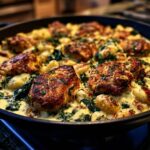
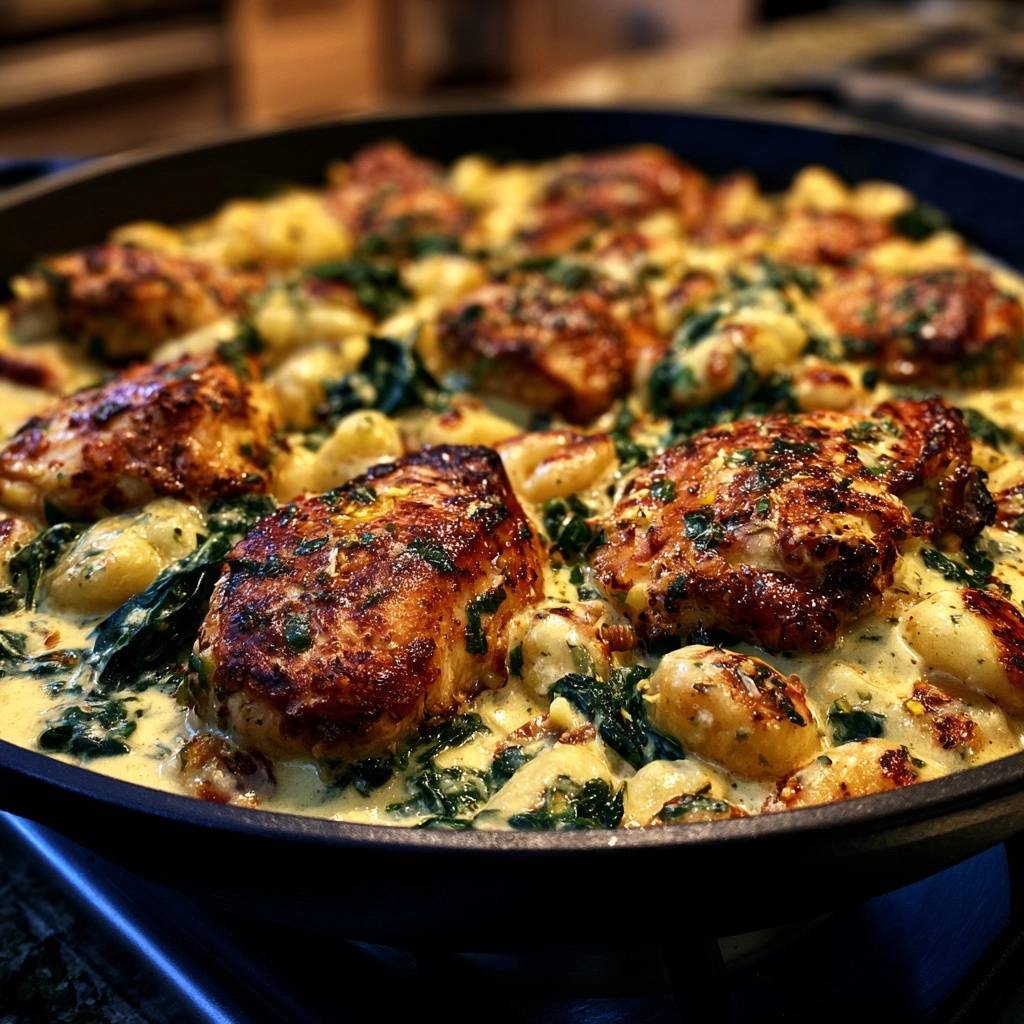
Forget everything you know about heavy, water-logged pasta dishes that leave you feeling weighed down. This Creamy Garlic Chicken and Gnocchi Skillet is a masterclass in textural contrast, featuring succulent seared chicken and gnocchi that actually has a bite. Most people make the mistake of boiling their gnocchi until it becomes a gummy, flavorless mess, but we’re flipping the script by using a dry-sear method that creates a golden, toasted exterior.
The beauty of this dish lies in its one-pan philosophy, where every ounce of flavor stays exactly where it belongs. By cooking everything in a single heavy skillet, you capture the savory drippings from the chicken to toast the gnocchi and build a velvety sauce. It’s a sophisticated meal that feels like a high-end bistro order, yet it comes together in about half an hour with minimal cleanup.
The secret to success here is the “pan-fry” technique for the gnocchi. Instead of dropping them into boiling water, you toss them directly into the hot skillet with the chicken fat. This creates a protective, crispy shell that prevents the potato dumplings from absorbing too much cream and turning into mush. You’ll get a pillowy center and a toasted crust that holds up beautifully against the rich garlic sauce.
Essential Components for the Perfect Skillet Sauce
Quality ingredients are the backbone of this recipe, starting with the protein. While many reach for chicken breasts, I highly recommend boneless skinless thighs for this skillet. Thighs contain more intramuscular fat, which means they stay juicy and tender even after a hard sear and a simmer in the sauce. They provide a much more forgiving window for cooking than leaner cuts.
When it comes to the cheese, put down the green shaker bottle and grab a block of real Parmesan. Freshly grated Parmesan cheese contains no anti-clumping agents, which are notorious for making sauces feel gritty or sandy. Real cheese melts into a smooth, luxurious emulsion that clings to the gnocchi. It provides that salty, nutty backbone that balances the sweetness of the heavy cream.
Speaking of cream, heavy cream is essential for a stable sauce that won’t “break” or separate under heat. While you might be tempted to use milk, the higher fat content in heavy cream ensures the sauce stays thick and velvety without needing a flour-based roux. It creates a rich mouthfeel that carries the flavors of garlic and herbs across your palate.
Selecting the Right Gnocchi: Shelf-Stable vs. Refrigerated
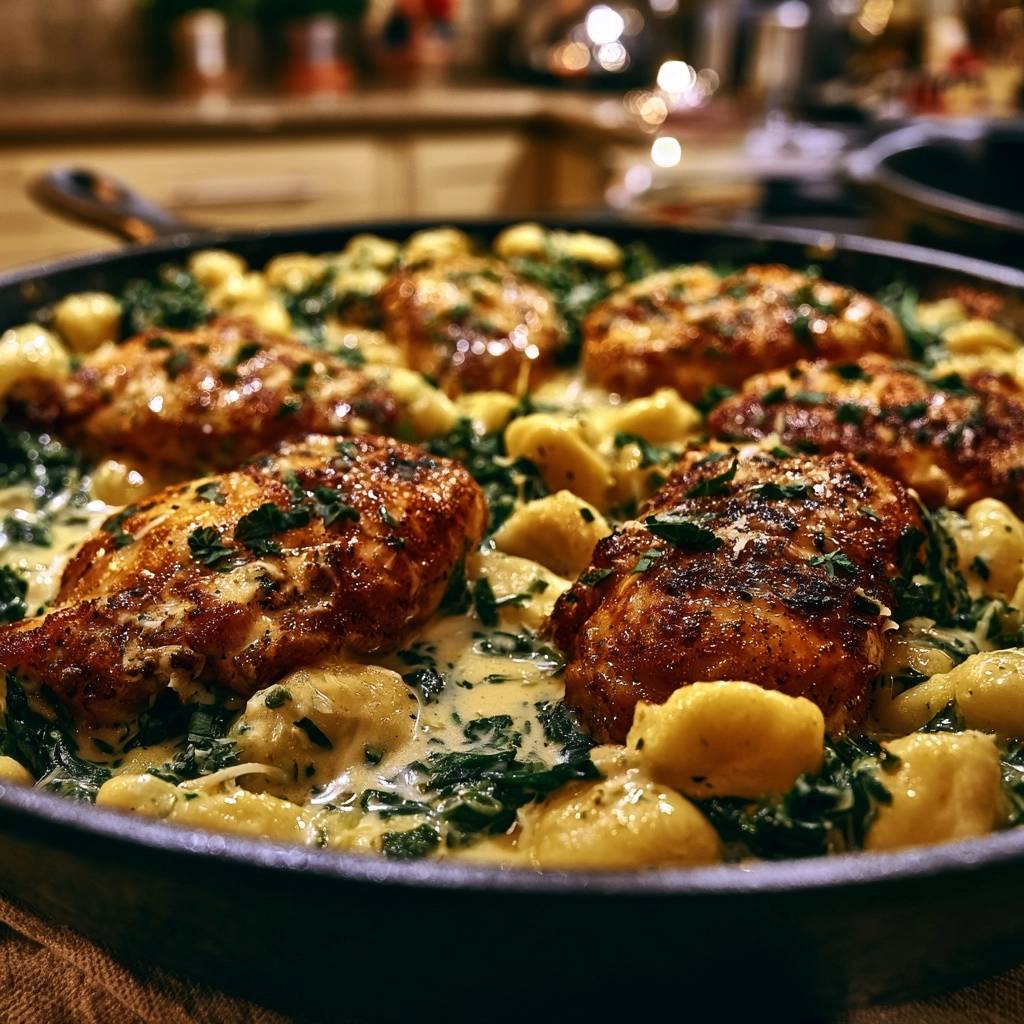
You can find gnocchi in the pasta aisle (shelf-stable) or the dairy case (refrigerated), and both work wonderfully for this searing method. Shelf-stable versions are often a bit firmer, which makes them very easy to handle in a hot pan. Refrigerated gnocchi tend to be softer and more delicate, so they may require a slightly gentler touch when tossing.
However, if you happen to have a bag of frozen gnocchi, you must thaw them completely and pat them dry before they hit the skillet. Adding frozen dumplings directly to hot oil will cause the temperature to drop and create steam. Steam is the enemy of a good sear, and it will lead to the very gumminess we are trying to avoid.
The Role of Aromatics and Spices
The flavor profile of this dish is built on layers of warmth and earthiness. Smoked paprika is the “hidden” hero here, providing a subtle wood-fired depth and a beautiful copper hue to the chicken. Dried oregano adds a classic Mediterranean herbal note that cuts through the richness of the dairy, ensuring the dish doesn’t feel one-dimensional.
Fresh garlic is absolutely non-negotiable because the pre-minced jars often have a bitter, acidic aftertaste that can ruin a cream sauce. I also love adding a pinch of red pepper flakes. They don’t make the dish “spicy” in a traditional sense, but they provide a necessary spark of heat that wakes up the heavy cream and keeps the flavors bright.
The Science of Searing: Avoiding Gummy Gnocchi
Understanding the Maillard reaction is the key to a professional-level skillet meal. When you sear the chicken over medium-high heat, the proteins and sugars on the surface transform into a complex, savory crust. This isn’t just for looks; that crust represents a massive concentration of flavor that eventually dissolves into the sauce, creating what chefs call “fond.”
The real magic happens when you introduce the gnocchi to that same hot pan. Gnocchi are primarily made of potato starch, which undergoes gelatinization when it hits liquid. If you boil them, they absorb water and become soft. However, by pan-frying them in the rendered chicken fat first, you create a hydrophobic barrier on the outside of each dumpling.
This toasted exterior acts like a shield. When you finally pour in the cream and broth, the gnocchi can’t soak up the liquid too quickly. Therefore, they stay firm and “tender-crisp” rather than dissolving into the sauce. This technique ensures that every bite has a distinct texture, making the dish feel much more intentional and high-quality than a standard pasta bake.
Step-by-Step: Preparing the Chicken and Gnocchi
Phase 1: Developing the Golden Chicken Crust
Before the chicken ever touches the pan, you must pat it dry with paper towels. Any moisture on the surface of the meat will turn into steam, which prevents that beautiful browning we’re after. Once seasoned, lay the thighs into the shimmering oil and leave them alone. Resist the urge to peek or move them for at least four minutes.
You are looking for a deep, mahogany-colored crust that releases easily from the pan. If the chicken feels stuck, it usually means it hasn’t finished forming that crust yet. Give it another minute, and it will eventually pull away cleanly. Once both sides are seared and the internal temperature hits 165°F, move them to a plate to rest so the juices can redistribute.
Phase 2: Pan-Frying Gnocchi in Rendered Fat
Now comes the most satisfying part of the process. Do not wipe out the pan! Those brown bits left behind by the chicken are pure gold. Add a little more oil or butter if the pan looks dry, then toss in your gnocchi. You’ll hear a lively sizzle as the potato starch begins to crisp up in the residual chicken fat.
Keep the gnocchi moving frequently so they don’t burn, but give them enough contact time to puff up and turn golden. You’ll notice they start to look slightly translucent and then develop a beautiful toasted color. This phase usually takes about five minutes, and the aroma of toasted potato and chicken fat is absolutely incredible.
Phase 3: Deglazing and Building the Cream Sauce
Once the gnocchi are toasted, it’s time to build the sauce. Add your garlic and red pepper flakes, stirring constantly for just 30 seconds so the garlic softens without scorching. Pour in the chicken broth first. Use a wooden spoon to scrape the bottom of the pan, lifting up all that flavorful fond into the liquid.
Next, pour in the heavy cream and lower the heat. As the liquid begins to simmer, stir in the Parmesan and spinach. The cheese will melt into the cream, creating a stable emulsion, while the spinach will wilt down into vibrant green ribbons. This is where the sauce transforms from a thin liquid into a thick, glossy coating that hugs every piece of gnocchi.
Troubleshooting Common Skillet Cooking Issues
If you find that your sauce has become too thick before you’re ready to serve, don’t panic. Simply stir in a tablespoon or two of chicken broth or water to loosen it back up. Cream sauces continue to thicken as they sit, so it’s always better to have it a little thinner than you think you need right before serving.
If your cheese appears to be clumping rather than melting, your heat is likely too high. Dairy and cheese prefer a gentle simmer; high heat can cause the proteins to tighten and separate. To fix this, remove the pan from the heat entirely and whisk vigorously until the sauce smooths out. For undercooked chicken, simply slice it and let it simmer in the sauce for an extra few minutes.
Flavor Variations and Dietary Adjustments
This recipe is a fantastic canvas for seasonal variations. If you want more earthy depth, try sautéing sliced cremini mushrooms along with the gnocchi. For a Mediterranean twist, stir in some chopped sun-dried tomatoes or artichoke hearts during the final simmer. These additions provide a nice acidic pop that cuts through the cream.
If you are looking for a slightly lighter version, you can substitute half-and-half for the heavy cream. However, because half-and-half has less fat, it is more prone to curdling. To prevent this, whisk a teaspoon of cornstarch into the cold half-and-half before adding it to the pan. This will help stabilize the sauce and give it the thickness you’d otherwise lose.
Optimal Side Dishes for Creamy Skillet Meals
Because this dish is quite rich and savory, I always pair it with something bright and acidic. A simple arugula salad tossed in a sharp lemon vinaigrette is the perfect palate cleanser. The peppery greens and citrus juice cut right through the garlic cream sauce, making every bite of the chicken and gnocchi feel fresh again.
Roasted vegetables are another great option, especially balsamic-glazed Brussels sprouts or charred broccoli. The slight bitterness of these vegetables provides a great counterpoint to the sweetness of the cream. And of course, a piece of crusty sourdough bread is essential for mopping up every last drop of that garlic sauce from the bottom of your bowl.
Storage and Reheating for Best Texture
Cream-based dishes can be tricky to reheat because the fat tends to separate, leaving you with a greasy mess. To avoid this, store your leftovers in an airtight container in the fridge for up to three days. When you’re ready for round two, avoid the microwave if possible, as it tends to make the gnocchi rubbery and the sauce oily.
Instead, place the leftovers in a small skillet over low heat. Add a splash of chicken broth or a tablespoon of water to help “re-emulsify” the sauce. Stir gently and constantly until everything is warmed through. Note that this dish does not freeze well; the texture of the gnocchi becomes grainy and the cream sauce will break upon thawing.
Expert Tips for Skillet Success
Why a Heavy-Bottomed Pan is Non-Negotiable
A heavy-bottomed skillet, like cast iron or heavy stainless steel, is vital for this recipe because it holds heat evenly. Thin pans often have “hot spots” that can cause your garlic to burn or your cream to scorch in certain areas while staying cold in others. A heavy pan ensures that the chicken sears uniformly and the sauce simmers steadily.
Cast iron is particularly great here because it retains heat so well that you can often turn the burner off and let the residual heat finish wilting the spinach. Stainless steel is also an excellent choice because it allows you to see the color of the fond more clearly, making it easier to judge when the chicken is perfectly seared.
Managing the Spinach Volume
When you first add three cups of fresh spinach to the pan, it will look like an overwhelming mountain of greens. Don’t worry! Spinach is mostly water and will shrink down to a fraction of its size within sixty seconds. The key is to chop it roughly so you don’t end up with long, stringy pieces that are hard to eat.
Add the spinach at the very end of the cooking process. You want it to just barely wilt so it retains its bright green color and fresh flavor. If you cook it too long, it will turn a dull olive drab and lose its structural integrity. As soon as the leaves have collapsed into the sauce, the dish is ready to be served.
How to Scale for Large Groups
If you’re cooking for a crowd and need to double this recipe, the most important rule is to work in batches. Never overcrowd the pan during the chicken-searing or gnocchi-toasting phases. If there are too many items in the skillet, the moisture won’t be able to escape, and your food will steam instead of browning.
Sear the chicken in two groups, then toast the gnocchi in two groups. Once everything is browned, you can combine it all in a large pot or a very deep braiser to build the sauce. This extra bit of effort ensures that every person gets those crispy, toasted edges and juicy chicken that make this dish so special.
Frequently Asked Questions
How do I store leftovers and can I freeze this?
Store any leftovers in an airtight container in the refrigerator for up to 3 days. I do not recommend freezing this dish. Potato gnocchi often becomes grainy and mushy after freezing and thawing, and the heavy cream sauce will likely separate and lose its velvety texture when reheated from frozen.
Why did my gnocchi turn out mushy or gummy?
This usually happens if the gnocchi were boiled before being added to the pan or if the skillet wasn’t hot enough during the pan-frying stage. To ensure a firm texture, always add the gnocchi to the pan dry and cold. Make sure they develop a visible golden-brown crust in the fat before you add any liquid like broth or cream.
Can I use chicken breasts instead of thighs?
Yes, you can use chicken breasts, but you must be very careful not to overcook them. Since breasts are leaner, they can become dry and rubbery quickly. I suggest slicing them into smaller pieces before searing to shorten the cook time, and removing them from the pan the second they reach an internal temperature of 165°F.
What can I use if I don’t have heavy cream?
The best substitute is half-and-half mixed with a little cornstarch (about 1 teaspoon per cup) to help it thicken. You could also use whole milk, but the sauce will be much thinner and less rich. Avoid using fat-free milk or non-dairy milks like almond milk, as they often lack the fat content to create a stable, creamy emulsion and may curdle.
Do I need to boil the gnocchi first?
Absolutely not! In fact, boiling them first is exactly what causes the gummy texture we want to avoid. This recipe is designed for “dry” gnocchi straight from the package. The pan-frying step cooks them through while creating a crispy exterior, and the final simmer in the cream sauce softens the center to a perfect pillowy consistency.
Is there a way to make this sauce thicker?
The sauce will naturally thicken as the Parmesan cheese melts and the liquid reduces. If you still want it thicker, let it simmer for an extra 2-3 minutes uncovered before adding the chicken back in. You can also add a bit more grated Parmesan, which acts as a natural thickening agent while adding more savory flavor.
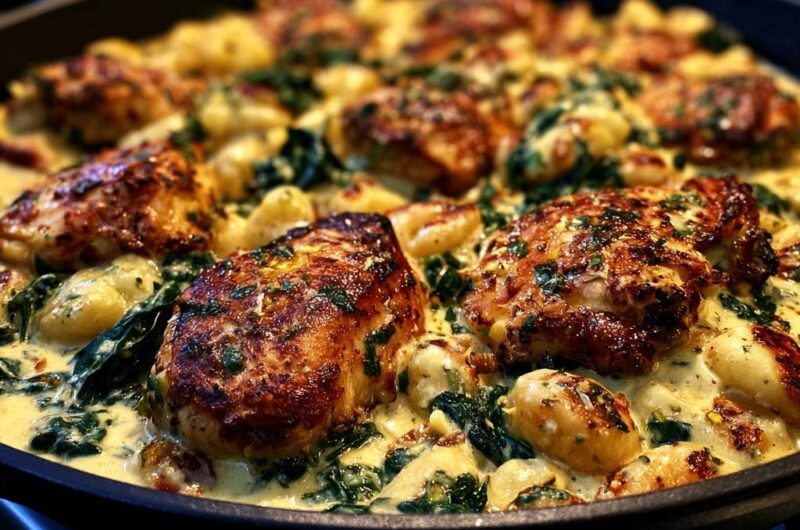
Creamy Garlic Chicken and Gnocchi Skillet
Course: Main CourseCuisine: AmericanDifficulty: easy4
servings10
minutes25
minutes35
Minutes580
kcalAmerican
Ingredients
1.5 pounds boneless skinless chicken thighs
16 ounces shelf-stable or refrigerated potato gnocchi
3 cups fresh baby spinach, roughly chopped
1.5 cups heavy cream
1/2 cup low-sodium chicken broth
4 cloves garlic, minced
1/2 cup freshly grated parmesan cheese
1 teaspoon dried oregano
1 teaspoon smoked paprika
1/2 teaspoon red pepper flakes (optional)
3 tablespoons olive oil or unsalted butter
Salt and black pepper to taste
Directions
- Pat the chicken thighs dry. Season both sides generously with salt, pepper, smoked paprika, and oregano.
- Heat 2 tablespoons of olive oil in a large, heavy-bottomed skillet over medium-high heat. Once shimmering, add the chicken thighs. Sear for 6-7 minutes per side until a deep golden-brown crust forms and the chicken is cooked through (internal temp 165°F). Remove chicken from the pan and set aside on a plate.
- Do not wipe out the pan. Add the remaining tablespoon of oil or butter. Add the dry gnocchi directly into the hot chicken fat. Sauté for 4-6 minutes, tossing frequently, until the gnocchi are puffed and have a visible golden-brown crust. This “pan-frying” method prevents the gnocchi from becoming gummy when the liquid is added.
- Reduce heat to medium. Add the minced garlic and red pepper flakes; sauté for 30 seconds until fragrant.
- Pour in the chicken broth first, using a wooden spoon to scrape up all the browned bits (fond) from the bottom of the pan.
- Pour in the heavy cream and bring to a gentle simmer. Stir in the parmesan cheese and chopped spinach. Continue to stir for 1-2 minutes until the sauce thickens slightly and the spinach is fully wilted.
- Slice the chicken into thick strips or leave whole, then nestle them back into the skillet. Let the dish simmer for an additional 2 minutes. This allows the gnocchi to finish softening in the center while maintaining their toasted exterior.
- Serve immediately directly from the skillet while the sauce is velvety and the gnocchi is perfectly tender-crisp.
Notes
- The key to avoiding gummy gnocchi is to sauté them dry in the pan until golden before adding any liquid. Use a heavy-bottomed skillet for the best sear on the chicken.