
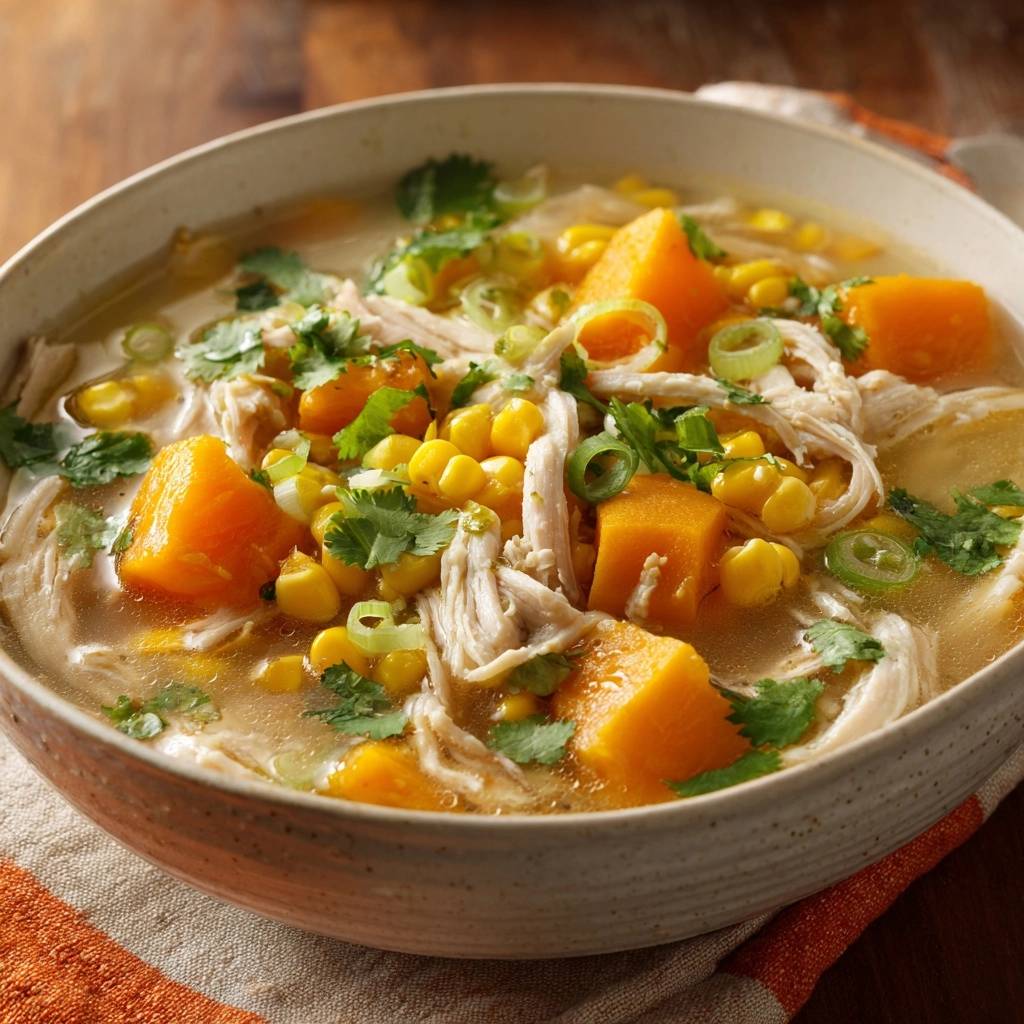
Most chicken soups end up as a bowl of disappointment where the vegetables turn into a flavorless paste and the chicken feels like chewing on rubber. You’ve likely experienced that “mushy” texture where every ingredient blends into a singular, soft mess. This Hearty Chicken and Sweet Potato Soup changes that narrative by focusing on structural integrity and vibrant, distinct flavors.
The secret lies in the contrast between the earthy sweetness of the potatoes and the savory depth of the seared chicken. Instead of a long, slow simmer that breaks down cell walls, this 25-minute method uses precision timing to keep every bite interesting. You get a broth that tastes like it’s been simmering for hours, but with vegetables that still have a delightful snap.
The real trick to this recipe’s success is the staggered simmering technique. By searing the chicken whole first, you lock in moisture and create a caramelized base of flavor that a standard boiled soup simply can’t match. This isn’t just about cooking ingredients; it’s about managing heat to ensure the sweet potatoes stay tender-crisp while the chicken remains incredibly juicy.
The Science of Texture in Chicken and Sweet Potato Soup
Understanding why vegetables turn to mush is the first step toward becoming a better cook. Sweet potatoes are packed with pectin, a natural “glue” that holds their cells together. When you subject them to a violent, rolling boil for too long, that pectin dissolves completely, leaving you with a grainy, cloudy broth and falling-apart tubers.
This recipe utilizes a “Staggered Simmering” technique to protect those cell walls. By adding the potatoes only after the broth has reached a gentle simmer, you control the rate of heat penetration. You want the starch to hydrate and soften without the entire structure collapsing into the liquid. It’s the difference between a refined soup and a vegetable puree.
Furthermore, a rolling boil is the absolute enemy of tender chicken. High heat causes the protein fibers in chicken breasts to contract violently, squeezing out all their internal moisture. This process, known as protein denaturation, happens rapidly at 212°F. By keeping the pot at a low simmer, you poach the meat gently, allowing it to reach the safe internal temperature of 165°F without becoming tough or stringy.
Essential Components for a Robust Broth
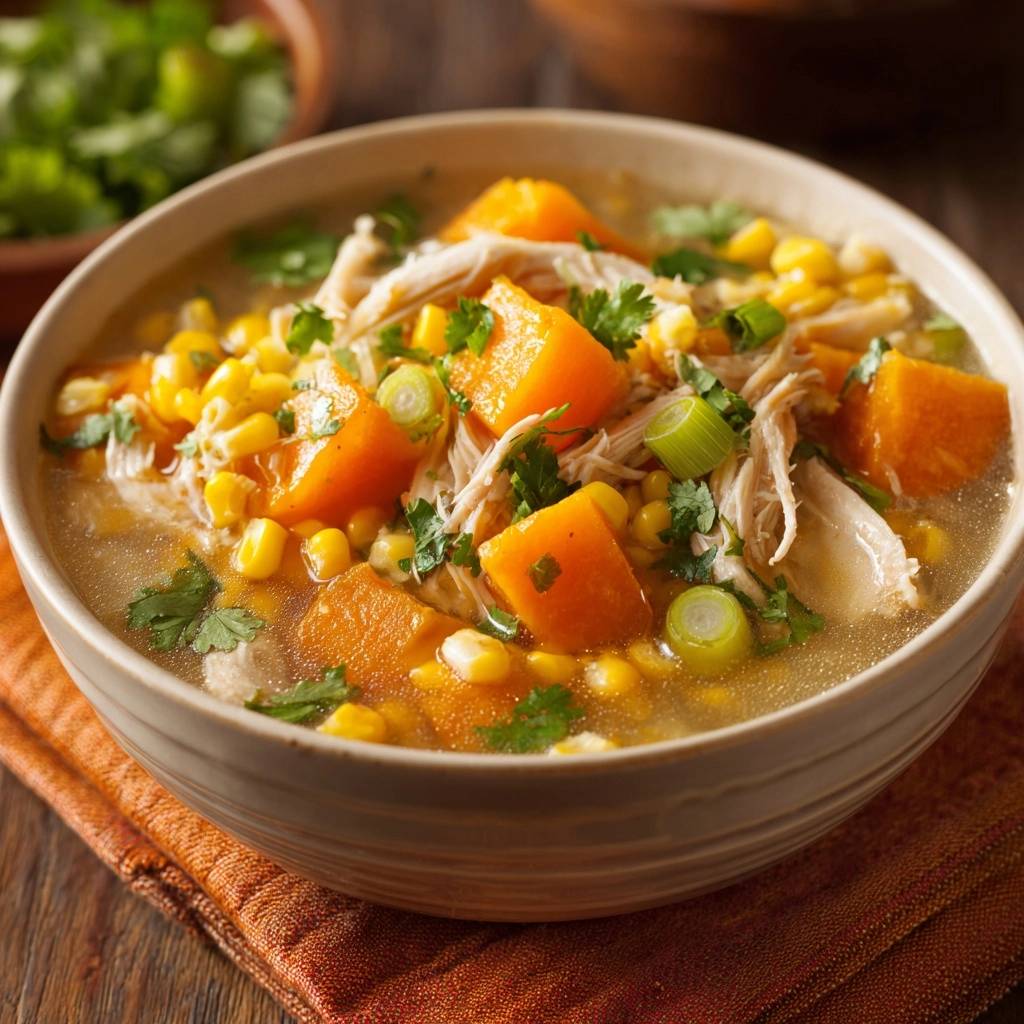
Since this soup cooks quickly, you can’t rely on long hours to develop flavor, so your starting ingredients must be top-tier. Using a high-quality chicken stock is non-negotiable here. While water is a fine solvent, a rich stock provides a gelatinous mouthfeel and a savory backbone that carries the sweetness of the potatoes.
I prefer boneless skinless chicken breasts for this specific poaching method because they absorb the flavors of the broth beautifully. When seared correctly, they provide enough fat to carry the aromatics without making the soup feel greasy. It’s a clean, lean protein choice that highlights the freshness of the other ingredients.
Don’t underestimate the power of your dry seasonings. Garlic powder and black pepper aren’t just afterthoughts; they build a base layer of flavor during the searing phase. This “toasts” the spices in the olive oil, waking up their oils before the liquid even hits the pan. This ensures the savory notes are baked into the meat rather than just floating on top of the water.
Selecting the Right Sweet Potato Variety
When you’re at the grocery store, look for Jewel or Garnet sweet potatoes. These varieties have a deep orange flesh and a higher moisture content that holds up well during a 12-minute simmer. They maintain their square edges and provide a creamy interior that contrasts perfectly with the savory broth. Avoid the lighter-skinned “dry” varieties, which can turn chalky when boiled.
Fresh vs. Frozen Corn: Maintaining the Snap
Both fresh and frozen corn work beautifully in this recipe, but the timing is what matters most. Corn is added in the final three minutes because the kernels only need to be heated through. If you cook corn for too long, the skins become tough and chewy. Adding them at the end ensures they stay “snappy” and provide little bursts of sweetness in every spoonful.
Step-by-Step: Searing and Poaching for Maximum Flavor
To get professional results, you need to treat the cooking process as a series of intentional phases. This isn’t a “dump and go” recipe; it’s a guided transformation of simple ingredients into a complex meal.
Phase 1: The Maillard Reaction and Searing
Start by heating your olive oil until it shimmers. When you place the seasoned chicken breasts into the pot, you should hear a loud sizzle immediately. This is the Maillard reaction in action, where proteins and sugars react to create that beautiful golden-brown crust. Sear them whole to keep the interior protected from the direct heat of the pan.
Make sure you don’t crowd the pot. If the chicken pieces are touching, they will steam instead of sear, and you’ll miss out on that deep, roasted flavor. You’re looking for a rich, mahogany color on both sides. This crust will eventually dissolve into the broth, giving it a darker color and a much more intense savory profile.
Phase 2: Deglazing and the Gentle Simmer
Once the chicken is seared, pour in your stock. You’ll notice brown bits stuck to the bottom of the pot; this is called the “fond,” and it’s pure flavor gold. Use a wooden spoon to scrape those bits up as the liquid heats. The stock acts as a solvent, pulling all that caramelized goodness into the soup base.
As the liquid begins to bubble, turn the heat down. You want to see small, lazy bubbles breaking the surface, not a violent churn. This transition from searing to simmering is the most critical part of the process. It ensures the chicken finishes cooking in a gentle environment, which keeps the meat tender and easy to shred later.
Phase 3: The Precision Vegetable Additions
Drop your sweet potato cubes into the pot and set a timer for 10 minutes. At this point, the potatoes are the star. You can test for doneness by piercing a cube with a paring knife; it should slide in with just a tiny bit of resistance. If the knife slides through like butter, they are done and should be removed from the heat immediately.
While the potatoes finish, shred your chicken. I recommend pulling the meat into thick, rustic strands rather than cutting it into uniform cubes. These irregular shapes have more surface area to soak up the broth, and the texture is much more satisfying. Toss the chicken and corn back in for a final three-minute warm-up to marry the flavors together.
Troubleshooting Common Soup Consistency Issues
If you find that your broth has reduced too much and the soup looks more like a stew, simply splash in an extra half-cup of stock or water. This often happens if your simmer was a bit too aggressive. Don’t worry if the potatoes were cut too small and started to soften; you can mash a few of them against the side of the pot to create a naturally thickened, “creamy” base.
If you’re enjoying the sweet potato in this soup, you might also enjoy these crispy thyme sweet potato fries.
If you accidentally overcook the chicken, the best fix is to shred it as finely as possible. Smaller shreds will absorb more of the liquid, which helps mask any dryness. Whatever you do, never let the soup come back to a boil once you’ve added the green onions and cilantro. High heat will turn those bright herbs gray and bitter in seconds.
Flavor Variations and Dietary Adjustments
This soup is a fantastic canvas for different flavor profiles. While the base recipe is classic and comforting, you can easily pivot the ingredients to suit your mood or what’s currently in your pantry.
Infusing Heat and Spice
If you like a bit of a kick, add a pinch of red pepper flakes or a finely diced jalapeño during the searing phase. The hot oil will toast the peppers and distribute the heat evenly throughout the entire pot. This creates a beautiful “back-of-the-throat” warmth that complements the sweetness of the potatoes perfectly.
Creamy vs. Clear Broth Options
For those who prefer a richer, “chowder-style” experience, you can stir in a half-cup of heavy cream or coconut milk at the very end. This transforms the soup into something much more decadent. The fats in the cream help to mellow out the spices and make the sweet potato flavor feel even more prominent and dessert-like.
Optimal Pairings for a Complete Meal
To round out the meal, I love serving this with a thick slice of crusty sourdough bread. The acidity of the bread is a great foil for the sweet and savory notes of the soup. It’s also the perfect tool for soaking up every last drop of that golden broth from the bottom of the bowl.
If you want something lighter, a simple bitter green salad—think arugula or kale—with a sharp lemon vinaigrette works wonders. The citrus cuts through the richness of the chicken and potatoes, refreshing your palate between bites. For a bit of crunch, try topping your bowl with toasted pumpkin seeds or a few crushed tortilla chips right before serving.
Storage, Reheating, and Meal Prep Strategy
This soup stores beautifully in the fridge for up to four days, but there is one thing to keep in mind: sweet potatoes are like sponges. They will continue to absorb the broth as they sit overnight. When you go to reheat your leftovers, you might find that the soup has thickened significantly.
The best way to reheat is on the stovetop over low heat. Add a splash of water or stock to loosen it back up to your desired consistency. Avoid the microwave if possible, as it can heat the chicken unevenly and make it rubbery. As for freezing, I generally don’t recommend it for this specific recipe. Sweet potatoes can become grainy and lose their structural integrity once thawed and reheated.
Expert Tips for Professional Results
If you want to swap the chicken breasts for thighs, go for it! Just keep in mind that thighs have a higher fat content and may take an extra 5 minutes of simmering to become tender. The flavor will be slightly richer, which some people prefer. Just make sure to trim any excess skin or fat before searing to keep the broth clear.
To keep your cilantro and green onions looking vibrant, always stir them in after the heat is turned off. The residual heat of the soup is more than enough to soften them and release their aroma without destroying their color. If you find the broth tastes a bit flat, it usually needs a pinch more salt or a tiny squeeze of lime juice to brighten the flavors.
While you might be tempted to use a slow cooker, it’s much harder to keep the “no mushy veggies” promise in a crockpot. The long, slow heat tends to break down the potatoes into a soft mash. If you’re looking for that perfect tender-crisp texture and juicy chicken, the stovetop method is truly the way to go.
How should I store leftovers?
Store the soup in an airtight container in the refrigerator for up to 4 days. Because the sweet potatoes will absorb some of the liquid as they sit, you may need to add a splash of chicken stock or water when reheating to bring it back to your preferred consistency.
Why is my chicken dry even though it’s in a soup?
Chicken becomes dry when it is boiled too hard or cooked for too long. The high heat causes the muscle fibers to tighten and squeeze out moisture. To fix this, ensure you are only simmering the broth gently and remove the chicken as soon as it reaches an internal temperature of 165°F.
Can I use a different type of potato?
Yes, you can use Yukon Gold potatoes if you prefer a less sweet flavor. They hold their shape well during simmering. However, avoid Russet potatoes, as they are very starchy and will likely fall apart and make the broth cloudy.
What can I use if I don’t have fresh cilantro?
If you aren’t a fan of cilantro or don’t have any on hand, fresh flat-leaf parsley is an excellent substitute. It provides a similar pop of green color and a fresh, earthy flavor that complements the sweet potatoes without the polarizing taste of cilantro.
How do I prevent the sweet potatoes from getting mushy?
The key is the size of the cut and the cooking time. Ensure your cubes are at least 1 inch thick so they don’t cook too fast. Start checking them at the 10-minute mark with a fork; they should be tender but still hold their square shape firmly.
Can I make this soup thicker?
If you prefer a thicker consistency, take a ladle full of the sweet potatoes and a bit of broth, blend them together, and stir the mixture back into the pot. This creates a naturally thick, creamy base without needing to add flour or cornstarch.
Chicken and Sweet Potato Soup
Course: Main CourseCuisine: AmericanDifficulty: easy4
servings15
minutes25
minutes320
kcal40
MinutesThis recipe solves the problem of mushy vegetables and rubbery chicken by using a specific searing and poaching method. By controlling the heat and timing, the sweet potatoes maintain their texture while the broth develops a deep, rich flavor.
Ingredients
1.5 lbs boneless skinless chicken breasts
2 large sweet potatoes, peeled and cut into 1-inch cubes
2 cups sweet corn kernels (fresh or frozen)
6 cups high-quality chicken stock
3 green onions, thinly sliced
1/2 cup fresh cilantro, chopped
1 tablespoon olive oil
1 teaspoon salt
1/2 teaspoon black pepper
1/2 teaspoon garlic powder
Directions
- Heat the olive oil in a large pot over medium-high heat. Season the whole chicken breasts with salt, pepper, and garlic powder. Sear the chicken for 3 minutes per side until golden brown. This creates a Maillard reaction that adds depth to the broth.
- Pour in the chicken stock, scraping the bottom of the pot to release the browned bits. Bring the liquid to a gentle simmer. Do not let it reach a rolling boil, as high heat toughens chicken proteins.
- Add the sweet potato cubes to the simmering broth. Cover and cook for 10 to 12 minutes.
- Using tongs, remove the chicken breasts to a cutting board. Check that they are cooked through (internal temp 165°F). Shred the meat into thick strands using two forks. The meat will be incredibly moist because it was poached gently.
- Add the shredded chicken and the corn kernels back into the pot. Simmer for only 3 more minutes. This short window ensures the corn stays snappy and the potatoes hold their clean, square edges without breaking down into the broth.
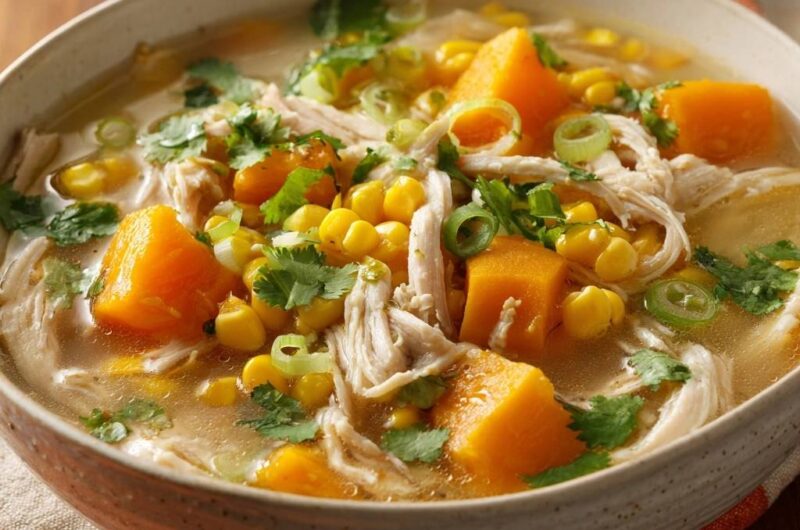
- Turn off the heat immediately. Stir in the sliced green onions and fresh cilantro. Serving the soup the moment the heat is off preserves the bright green color of the herbs and the structural integrity of the vegetables as shown in the image.
Notes
- Avoid a rolling boil to keep the chicken tender. Adding herbs at the very end preserves their bright color and fresh flavor.