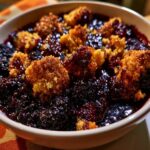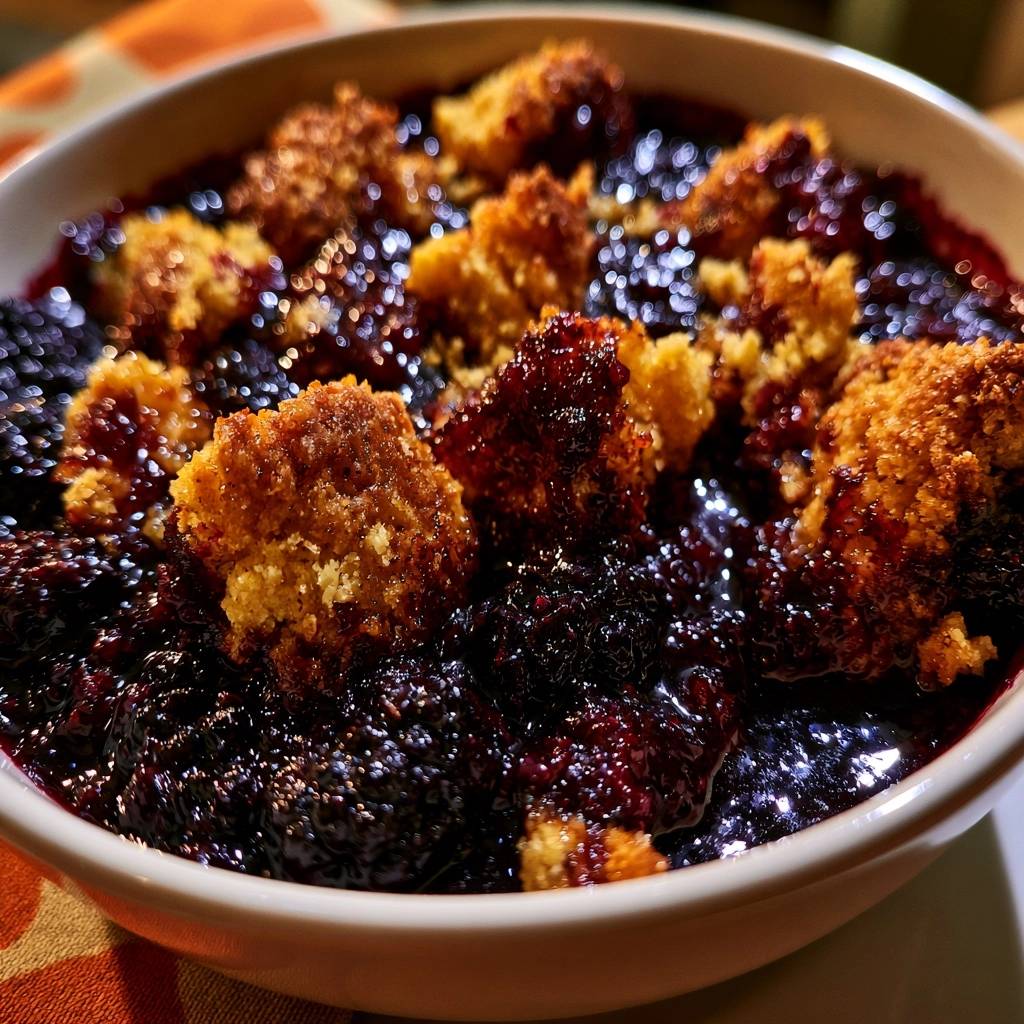
Imagine pulling a bubbling dish from the oven where the fruit is a deep, jammy purple and the topping looks like a cluster of golden, craggy islands. Most people struggle with cobblers because they end up with a “soggy bottom” where the dough dissolves into a mushy paste. This recipe changes that by focusing on structural integrity and a specific layering technique that keeps the fruit thick and the biscuit topping incredibly crisp.
The secret to a legendary cobbler isn’t just the fruit; it’s how you handle the moisture. By pre-thickening the berries and using a jagged-clump method for the dough, you create a dessert with distinct textures. You get that satisfying crunch on top, a fluffy middle, and a rich, thickened sauce that clings to the berries instead of running all over the plate.
I’ve found that the real trick to professional results is the cornstarch maceration. If you just toss berries and sugar together and bake immediately, the juice stays thin and soaks right into your dough. Letting the berries sit with cornstarch for ten minutes creates a slurry that gelatinizes the moment it hits the heat, protecting your biscuit topping from becoming a gummy mess.
The Anatomy of a Perfect Fruit Cobbler
An Old Fashioned Blackberry Cobbler is a far cry from a modern “dump cake” or a thin-crusted crumble. While a crumble uses oats and a crisp uses nuts or flour rubbings, a true cobbler features a sweetened biscuit dough dropped over the fruit. The name comes from the “cobbled” appearance of the dough, which should look like a rustic stone path once it finishes baking.
The goal is a specific ratio of two parts fruit to one part biscuit. You want enough jammy filling to satisfy that fruit craving, but the biscuit must be substantial enough to hold its own. The sensory experience should hit three notes: the initial snap of turbinado sugar, the buttery fluff of the cooked dough, and the tart, velvety explosion of the blackberries.
Essential Components for Old Fashioned Blackberry Cobbler
Quality ingredients are the backbone of this dish. Fresh blackberries are the gold standard because they hold their shape better under high heat. However, if you’re using frozen berries, make sure to thaw them completely and drain the excess liquid before starting. This prevents the filling from becoming a soup that overwhelms the cornstarch.
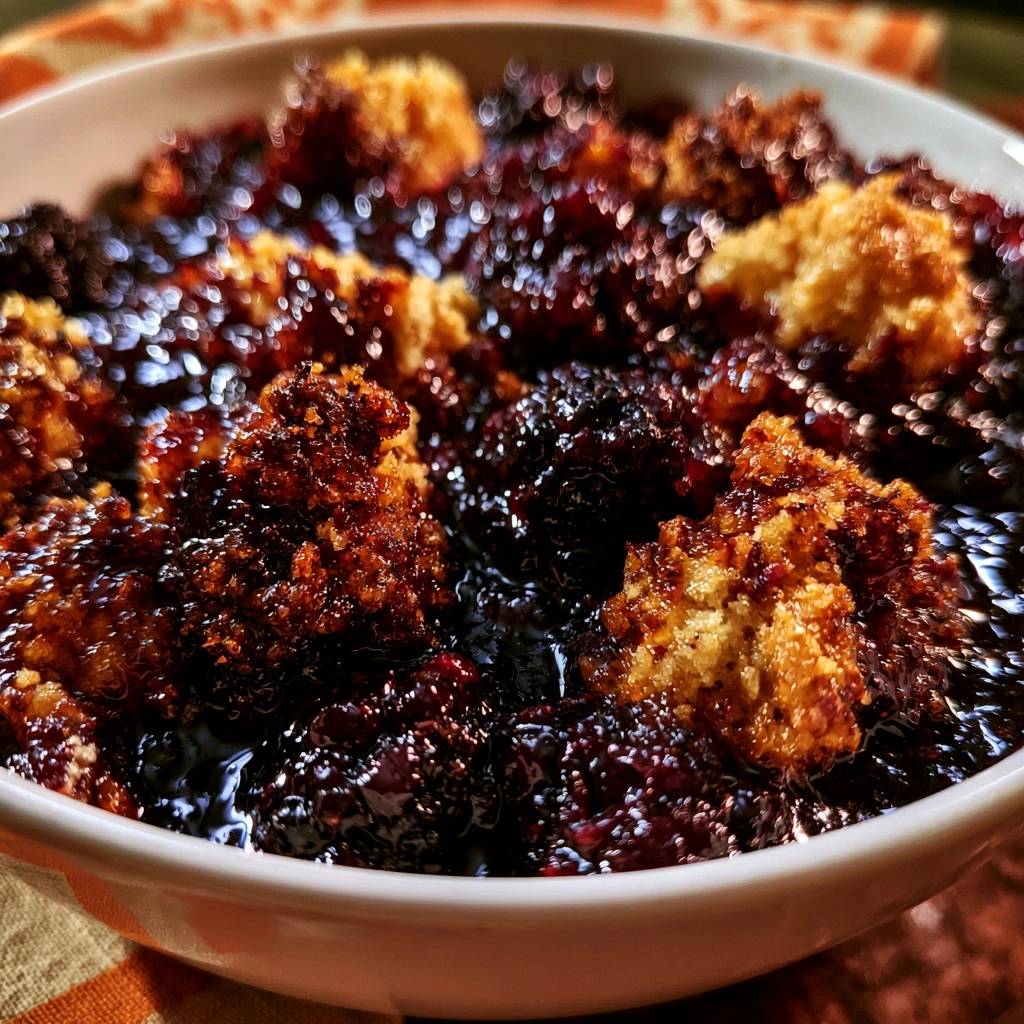
The sugar is intentionally split between the filling and the dough. We use half a cup in the berries to draw out their natural juices and another half cup in the dough to ensure the biscuit isn’t bland. Cornstarch acts as our primary stabilizer; without it, the blackberry juice remains too thin to support the weight of the dough clumps.
For the best flavor, use whole milk rather than skim. The higher fat content contributes to a tender crumb in the biscuit. If you find yourself without whole milk, you can use heavy cream for an even richer result, but avoid water-based substitutes as they will make the topping tough and bread-like.
Selecting and Preparing Fresh Blackberries
When shopping, look for berries that are deep black with no hint of red, as red berries are often quite tart. They should be plump and firm to the touch. To wash them, place them in a colander and spray them gently with cool water, then pat them dry with a paper towel immediately. Excess water on the surface of the fruit will throw off your starch-to-liquid ratio.
The addition of lemon juice is a small but vital step. It provides a bright acidity that cuts through the heavy sugar and brings out the floral notes of the blackberries. It also reacts with the baking powder in the dough to help the biscuits rise, ensuring they stay light and airy rather than sinking into the fruit.
The Role of Cold Fats in Biscuit Toppings
The temperature of your butter is the single most important factor for a flaky topping. You must use cold, unsalted butter straight from the fridge. When you work cold butter into the flour, you create tiny pebbles of fat. In the hot oven, the water in these butter bits evaporates instantly, creating steam pockets that puff up the dough.
If your butter is room temperature or melts while you’re mixing, it will simply soak into the flour. This results in a heavy, greasy, and dense topping that feels more like a leaden cookie than a light biscuit. If your kitchen is particularly warm, pop the flour and butter mixture into the freezer for five minutes before adding the milk.
The Science of Preventing a Soggy Cobbler Base
The “soggy bottom” happens because of a process called maceration. When sugar touches fruit, it draws out the water through osmosis. In a standard oven, this water boils and turns the bottom of your dough into a wet paste. To fight this, we use cornstarch as a thickening agent that activates at approximately 144°F.
By tossing the berries with sugar and cornstarch ten minutes before baking, you allow the sugar to start pulling the juice out early. This juice mixes with the cornstarch to form a coating. As the cobbler bakes, this coating thickens into a glossy gel that traps the moisture, keeping it away from the underside of the biscuits and ensuring they bake through completely.
Step-by-Step: Preparing the Blackberry Filling
Start by tossing your berries with the lemon juice, cornstarch, and the first half-cup of sugar. During the ten-minute rest, you’ll notice the berries start to look shiny and a thick, cloudy liquid begins to pool at the bottom of the bowl. This is exactly what you want to see.
Don’t be tempted to skip this rest period. This time allows the cornstarch to fully hydrate. If the starch is still dry when it goes into the oven, it might clump together, leaving you with white streaks in your filling and a sauce that never properly sets. The goal is a uniform, purple slurry that coats every berry.
Technique: Mixing and Dropping the Biscuit Dough
When you combine the dry ingredients with the butter, aim for a texture that looks like coarse crumbs or small peas. Once you pour in the milk and vanilla, use a fork to stir just until the flour disappears. Overmixing develops gluten, which turns a tender biscuit into a tough, rubbery one. The dough should be thick and slightly sticky.
Instead of smoothing the dough over the fruit like a lid, drop it in small, irregular clumps. These “jagged” edges are the secret to a great crust. They create more surface area for the oven’s heat to hit, which leads to more browning and a much better crunch. It also allows steam from the fruit to escape through the gaps, preventing the topping from getting steamed and soft.
Baking for Maximum Texture and Golden Color
Set your oven to 375°F and ensure it is fully preheated before the dish goes in. This high heat is necessary to trigger the baking powder and set the structure of the biscuits quickly. You are looking for the fruit to be bubbling vigorously in the center, not just around the edges. This bubbling indicates the cornstarch has reached the temperature needed to thicken.
The topping should transition from a pale white to a deep, toasted golden brown. If the fruit is bubbling but the top looks pale, leave it in for another five minutes. The turbinado sugar on top will caramelize, providing a dark brown sparkle and a distinct “crack” when you bite into it. This contrast between the crunchy lid and the soft fruit is the hallmark of a perfect bake.
Why the 15-Minute Cooling Period is Mandatory
It is incredibly tempting to scoop into a hot cobbler the second it leaves the oven, but you must wait. The filling is essentially a molten fruit preserve at this stage. As the temperature drops slightly during the 15-minute rest, the pectin in the fruit and the cornstarch work together to finish the thickening process.
If you serve it immediately, the sauce will be thin and watery, running to the bottom of the bowl and leaving the berries looking dry. Waiting allows the juices to transform into a cohesive, jam-like sauce that clings to the fruit and the biscuit. This rest period also allows the flavors to mellow and balance, making the blackberry taste much more prominent.
Troubleshooting Common Blackberry Cobbler Issues
If your topping is cooked but the fruit still feels hard, your berries might have been underripe. Next time, add an extra tablespoon of sugar to the filling to help soften the fruit. If the filling is too tart, you can balance it by serving it with a very sweet vanilla ice cream, which neutralizes the sharp acidity of the berries.
For biscuits that are doughy in the center, the most common culprit is dropping the dough clumps too large. Keep your dough drops to about the size of a golf ball. If they are too big, the outside burns before the middle can cook through. Also, ensure your oven is truly at 375°F; a cool oven will result in a pale, undercooked dough every time.
Flavor Variations and Seasonal Swaps
This master recipe works beautifully with other stone fruits and berries. You can swap the blackberries for raspberries or blueberries using the exact same measurements. If you want to try peaches, peel and slice them first, and perhaps add a pinch of cinnamon or nutmeg to the flour mixture to complement the warmer flavors of the stone fruit.
For a flavor boost, try adding a teaspoon of freshly grated lemon zest to the biscuit dough. This mirrors the lemon juice in the filling and adds a fragrant, citrusy aroma to every bite. You can also swap the vanilla extract for almond extract if you want a more “bakery-style” flavor profile that pairs exceptionally well with blackberries.
Serving Suggestions and Temperature Pairing
The classic way to serve this is warm, but not piping hot. The heat of the cobbler is the perfect foil for something cold and creamy. A scoop of high-quality vanilla bean ice cream is the traditional choice, as it melts into the nooks and crannies of the jagged biscuit topping, creating a sort of “creamed fruit” effect.
If you prefer something less sweet, try a dollop of cold, lightly sweetened whipped cream or even a pour of heavy cream. For a final touch of elegance, a tiny bit of fresh lemon zest grated over the top right before serving can brighten the entire dish and make the deep purple of the blackberries pop visually.
Storage and Reheating for Optimal Crispness
Store any leftovers in an airtight container in the refrigerator for up to three days. Do not leave it on the counter, as the moisture from the fruit will cause the topping to soften very quickly. While you can eat it cold, this cobbler is much better when the butter in the biscuit is warmed back up.
Avoid the microwave for reheating, as it will turn the biscuit topping into a rubbery, soft mess. Instead, place the desired portion in an oven-safe dish and heat it at 350°F for about 10 to 12 minutes. This recrisps the sugar crust and restores the fluffy texture of the biscuit, making it taste almost as good as the day it was baked.
How do I store leftover blackberry cobbler?
You should store leftovers in an airtight container in the refrigerator for up to 3 days. Because of the high moisture content in the blackberries, the topping will naturally soften over time. To restore the original texture, avoid the microwave and reheat portions in the oven at 350°F for about 10 minutes until the topping is crisp again.
Why is my cobbler filling so runny?
A runny filling usually happens for two reasons: either the cornstarch didn’t reach a high enough temperature to activate, or the fruit wasn’t allowed to rest after baking. Ensure the filling is bubbling in the center of the dish before removing it from the oven. Most importantly, let the cobbler sit for at least 15 minutes before serving so the starches can set as they cool.
Can I use frozen blackberries for this recipe?
Yes, you can use frozen blackberries, but you must thaw them completely and pat them dry first. Frozen fruit releases significantly more water than fresh fruit. If you don’t drain the excess liquid, the filling will be too watery and may overflow the baking dish. You might also need to add an extra 5 minutes to the baking time to account for the colder fruit.
What can I use if I don’t have cornstarch?
If you are out of cornstarch, you can substitute it with all-purpose flour, but you will need to double the amount. Use 4 tablespoons of flour in the filling instead of 2 tablespoons of cornstarch. Keep in mind that flour will result in a slightly cloudier, more opaque sauce compared to the clear, glossy finish that cornstarch provides.
Why is my biscuit topping tough and hard?
Toughness is almost always caused by overworking the dough. When you add the milk to the flour and butter, stir only until the streaks of flour disappear. If you keep mixing, you develop gluten, which creates a bread-like texture instead of a tender biscuit. Additionally, make sure your butter is very cold when you start; warm butter leads to a dense, heavy crust.
Can I make this cobbler ahead of time?
You can prepare the dry biscuit mix and the fruit separately a few hours in advance, but do not combine them until you are ready to bake. If the dough sits on the wet fruit for too long before entering the oven, it will absorb the moisture and become soggy. For the best results, assemble the layers and bake immediately for that perfect texture contrast.
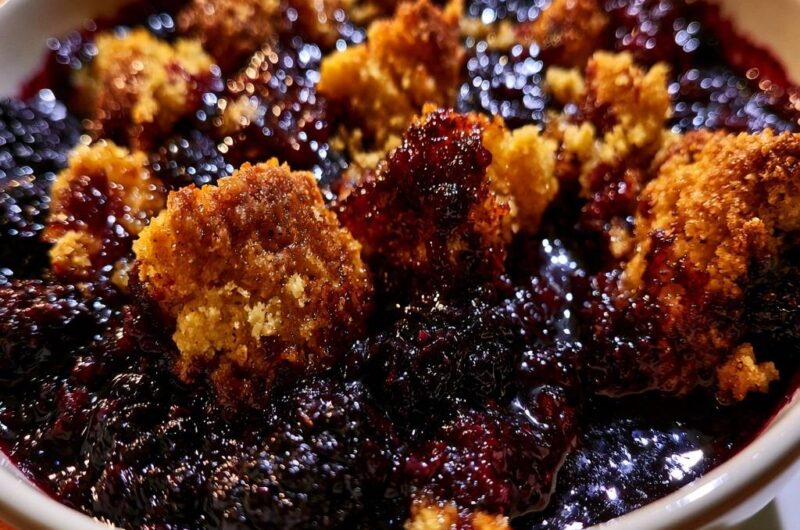
Old Fashioned Blackberry Cobbler
Course: DessertCuisine: AmericanDifficulty: easy6
servings15
minutes45
minutes60
Minutes340
kcalAmerican
Ingredients
5 cups fresh blackberries
1 cup granulated sugar, divided
1 tablespoon lemon juice
2 tablespoons cornstarch
1.5 cups all-purpose flour
2 teaspoons baking powder
1/2 teaspoon salt
1/2 cup cold unsalted butter, cubed
1/2 cup whole milk
1 teaspoon vanilla extract
1 tablespoon turbinado sugar for topping
Directions
- Preheat your oven to 375 degrees F.
- To solve the soggy bottom issue, you must pre-thicken the fruit. In a large bowl, toss the blackberries with 1/2 cup of granulated sugar, lemon juice, and cornstarch. Let this sit for 10 minutes. The cornstarch is the secret to turning thin juice into a thick, jam-like consistency that won’t soak into the dough.
- In a separate bowl, whisk together the flour, remaining 1/2 cup sugar, baking powder, and salt.
- Use a pastry cutter or your fingers to work the cold butter into the flour mixture until it resembles coarse crumbs. Cold butter is essential; if the butter melts before it hits the oven, the topping will be heavy and dense.
- Stir in the milk and vanilla extract just until a thick dough forms. Do not overmix.
- Pour the fruit mixture into a greased baking dish.
- Instead of spreading the dough in one flat sheet, drop small, jagged clumps of dough over the fruit. This creates more surface area for the heat to circulate, ensuring the bottom of the biscuit cooks through while the top gets crunchy.
- Sprinkle the turbinado sugar over the dough clumps for extra crunch.
- Bake for 40 to 45 minutes until the fruit is bubbling and the topping is a deep golden brown. Let it cool for 15 minutes before serving to allow the sauce to fully set.
Notes
- Using cold butter is essential for a light and flaky topping. Let the cobbler cool for 15 minutes after baking to allow the fruit sauce to set properly.