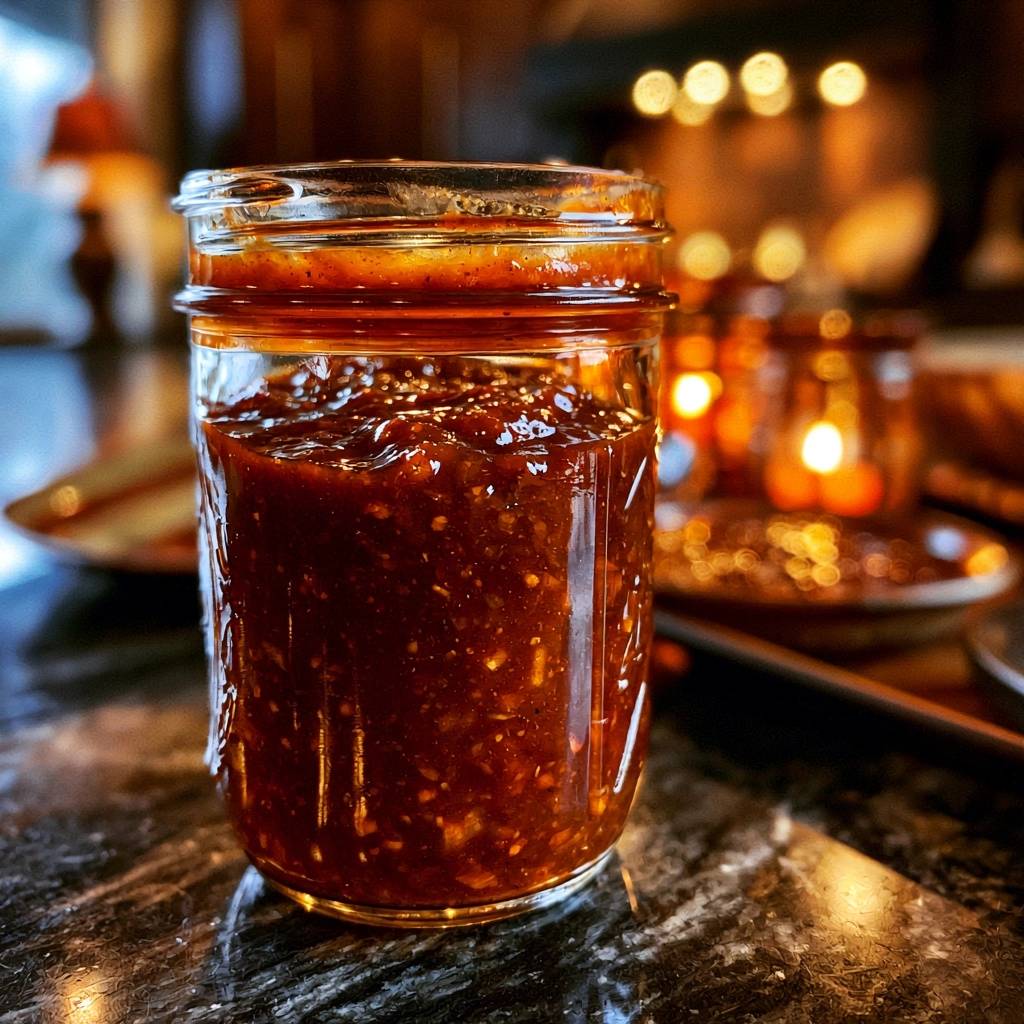
Stop settling for store-bought sauces that slide right off your ribs and leave a sad puddle on the plate. Most homemade BBQ sauces fail because they rely on high-moisture ingredients without a proper reduction or texture base. You want a sauce that clings to the meat like a heavy velvet coat, not something that runs like water the moment it hits the heat.
The secret to a truly professional-grade sauce isn’t just the ingredients; it’s the technique of building a flavor foundation. By starting with sautéed aromatics and committing to a slow reduction, you create a concentrated, chunky-style glaze. This method ensures every bite delivers a punch of smoke and sweetness rather than a diluted vinegar tang.
I’ve found that the real trick to that “skyscraper” quality—where the sauce stands tall on the spoon—is the open-pot simmer. While it’s tempting to put a lid on to prevent splatters, you need that steam to escape to thicken the natural pectins in the ketchup. This process transforms a simple mixture into a robust, glossy masterpiece that outperforms any bottled brand on the shelf.
The Science of Viscosity: Why Most Sauces Fail
Understanding why a sauce stays put or runs away comes down to basic kitchen chemistry. When you mix ketchup, vinegar, and honey, you’re dealing with a high water content that naturally wants to spread out. If you don’t cook that excess moisture off, the heat of the grill will only make the sauce thinner as the sugars melt, leading to that dreaded watery mess.
Evaporation is your best friend when you’re aiming for a thick, clingy consistency. As the sauce simmers, the water molecules turn to steam and leave the pot, which concentrates the sugars, acids, and spices. This concentration doesn’t just improve the texture; it deepens the color from a bright tomato red to a sophisticated, dark mahogany.
Furthermore, the ketchup base contains pectin, a natural thickening agent found in tomatoes. However, pectin needs time and a gentle heat to properly bond with the added sugars and acids. If you rush the process with high heat, you risk breaking the emulsion or scorching the sugars, which results in a bitter, thin liquid rather than a rich glaze.
Essential Components for a Smoky Homemade BBQ Sauce
Quality ingredients are the backbone of this recipe, and how you prep them matters just as much as the measurements. I always reach for a yellow onion because it has a higher sugar content than white onions. When finely minced and sautéed, these onions melt into the sauce, providing a subtle sweetness and a professional, “craft” texture you can’t get from a powder.
Apple cider vinegar acts as the essential bright counterpoint to the heavy sweetness of the brown sugar and honey. It provides that necessary “zing” that cuts through the richness of grilled meats. Make sure your brown sugar is firmly packed into the measuring cup; those extra bits of molasses are vital for the deep, earthy undertones and the sticky finish we’re looking for.
Honey adds a different kind of sweetness than sugar, offering a floral note and a glossy sheen that makes the meat look incredible under the light. When combined with the Worcestershire sauce, you get a complex savory-sweet balance. The Worcestershire brings the umami, acting as a bridge between the bright vinegar and the deep, smoky paprika.
Choosing Your Fat: Butter vs. Oil
Choosing between butter and oil depends on the final vibe you want for your BBQ. Butter adds a certain silkiness and a rich, rounded mouthfeel that makes the sauce feel luxurious. It helps mellow out the sharp edges of the vinegar, creating a more “gourmet” profile that works beautifully on chicken or brisket.
On the other hand, a neutral oil like canola or vegetable oil has a higher smoke point and stays out of the way of the spices. Oil is a better carrier for the fat-soluble compounds in the smoked paprika and cayenne pepper. If you want the spices to be the absolute star of the show with a cleaner finish, go with oil.
The Role of Aromatics in Texture
Using fresh onion and garlic instead of dried powders is the single biggest upgrade you can make. When you finely mince these aromatics, they create tiny “bits” throughout the sauce. These aren’t just for flavor; they provide a tactile, chunky characteristic that signals to your guests that this sauce was made from scratch.
As these aromatics cook down in the sauce, they soften until they almost disappear into the base, but they leave behind a structural body. This body helps the sauce “grip” the uneven surface of a rack of ribs or a charred chicken breast. It’s the difference between a thin syrup and a hearty, artisanal glaze.
Step-by-Step: Building the Flavor Foundation
The first five minutes of cooking are the most important for the final flavor profile. You’ll start by “sweating” your onions in the fat over medium heat. You aren’t looking for a hard sear or dark caramelization here; you want them to become translucent and soft. This gentle cooking releases their natural sweetness without adding a burnt flavor.
Once the onions are soft, add the minced garlic. This is a high-stakes moment because garlic burns incredibly fast, and burnt garlic will ruin the entire batch with a bitter aftertaste. Stir it constantly for exactly 60 seconds. You’ll know it’s ready when the kitchen suddenly smells like a five-star steakhouse.
Immediately after that minute is up, whisk in your liquid ingredients. This stops the garlic from cooking further and begins the process of melding the flavors. The transition from the sharp smell of raw vinegar to the sweet, smoky aroma of the simmering base is one of the best parts of making this recipe.
The Reduction Phase: Achieving the Perfect Cling
Now comes the part that requires a little patience: the reduction. You must keep the heat low. A rolling boil is the enemy of a good BBQ sauce because it can cause the sugars to break down and the sauce to separate. You want a very gentle simmer, where just a few bubbles break the surface every second.
Leaving the pot uncovered is non-negotiable. We are intentionally trying to get rid of the water. Over the course of 20 to 25 minutes, you will actually see the volume of the sauce drop slightly in the pan. This is exactly what you want. The sauce will transform from a thin, watery liquid into a thick, heavy syrup.
As the water evaporates, the flavors become more concentrated. The smoky paprika becomes more pronounced, and the cayenne starts to provide a steady, back-of-the-throat warmth. Stir the pot every few minutes, making sure to scrape the bottom and corners. Sugars love to settle and burn, so keeping things moving is key to a smooth result.
Testing the Consistency
How do you know when to stop? Use the “Spoon Test.” Dip a cold metal spoon into the simmering sauce and pull it out. The sauce should coat the back of the spoon in a thick, even layer. If you run your finger through the sauce on the spoon, the path should stay clean and sharp without the sauce running back into the gap.
This is known as the “nappe” consistency. Keep in mind that the sauce will continue to thicken significantly as it cools. If it looks just a tiny bit thinner than your ideal bottled sauce while it’s still hot, it’s probably perfect. Once it hits room temperature, those sugars and pectins will set firmly.
Troubleshooting Common BBQ Sauce Issues
If you find your sauce has a bit too much kick, don’t panic. You can easily balance excess heat by whisking in an extra tablespoon of honey or brown sugar. The sweetness acts as a foil to the capsaicin in the peppers. Conversely, if it feels too cloying, a tiny splash of extra apple cider vinegar can brighten it right back up.
If the sauce becomes too thick—perhaps you simmered it a few minutes too long—simply whisk in a tablespoon of water or apple juice at a time until you reach the desired flow. To prevent scorching in the first place, always use a heavy-bottomed saucepan. Thin pots have “hot spots” that will burn the sugar before the rest of the sauce even gets warm.
If you notice the sauce looks grainy, it usually means the brown sugar didn’t fully dissolve. This often happens if the heat was too low or the sauce wasn’t stirred enough at the beginning. To fix this, keep the sauce on low heat and continue whisking until the texture smooths out and the sugar crystals disappear.
Flavor Variations and Heat Adjustments
This smoky base is incredibly versatile, and you can tweak it to match your favorite regional style. For a “Carolina-Style” twist, double the apple cider vinegar and add a tablespoon of yellow mustard. This creates a tangier, sharper sauce that is legendary on pulled beef.
If you prefer a “Kansas City” style, increase the brown sugar and add a tablespoon of molasses. This will result in a darker, sweeter, and even thicker sauce that caramelizes beautifully on the grill. For the heat seekers, swap the cayenne for a finely minced chipotle pepper in adobo sauce to add both fire and an extra layer of smokiness.
Optimal Pairings for Smoky Homemade BBQ Sauce
While ribs and brisket are the obvious choices, this sauce is a workhorse in the kitchen. The high acidity and smoky depth make it the perfect partner for fatty meats like beef ribs, as the vinegar cuts right through the richness. It also makes a fantastic glaze for roasted chicken; just brush it on during the last 10 minutes of cooking to prevent the sugars from burning.
Don’t limit yourself to just meat, though. This sauce is an incredible base for a BBQ chicken pizza or as a bold dip for crispy sweet potato fries. I’ve even used it as a topping for a classic meatloaf to give it a modern, smoky upgrade. The chunky texture adds a rustic feel to any dish it touches.
Storage, Aging, and Food Safety
This is one of those rare recipes that actually tastes better the next day. As the sauce sits in the fridge, the sharp edges of the vinegar mellow out, and the liquid smoke and spices fully permeate the base. I highly recommend making this at least 24 hours before your big cookout.
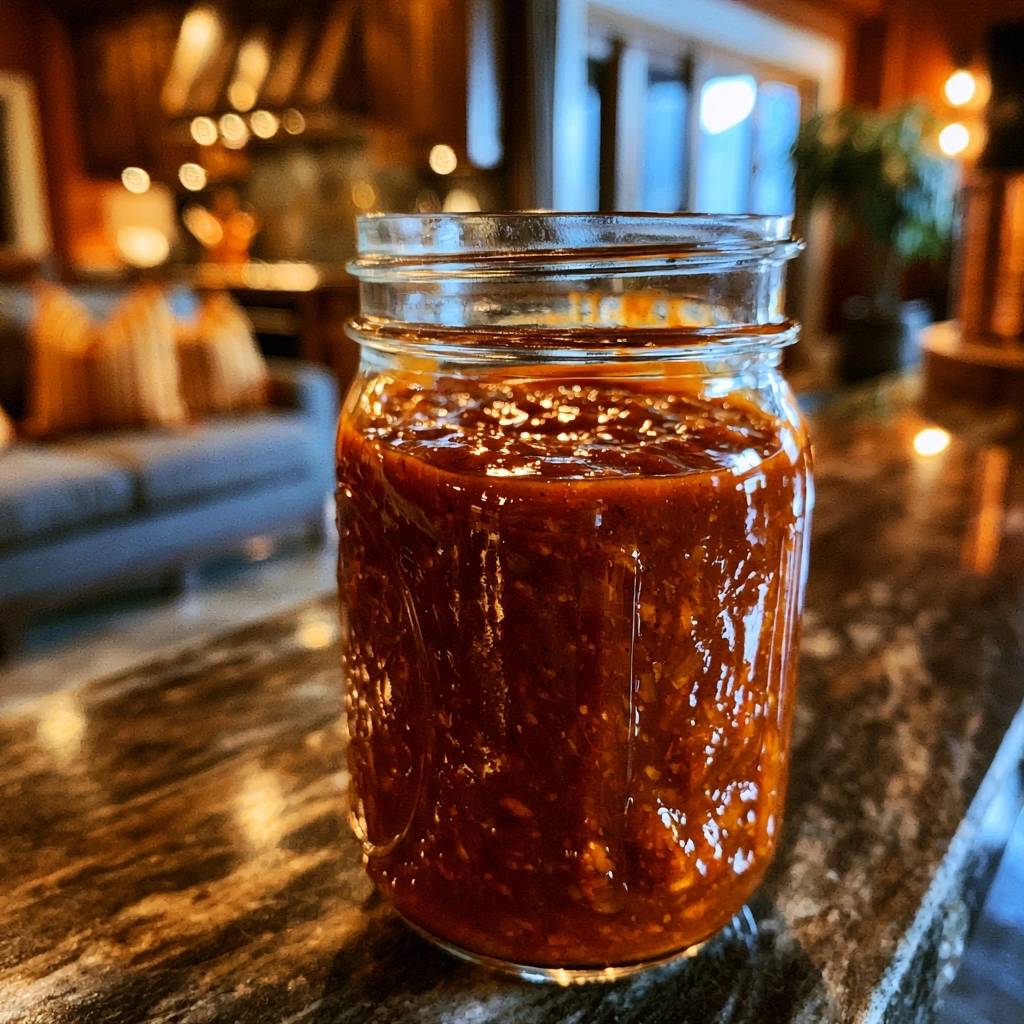
Store the sauce in a glass jar rather than plastic. Plastic can sometimes absorb the strong smells of the onions and vinegar, and glass keeps the flavor much cleaner. It will stay fresh and delicious in the refrigerator for up to two weeks. Because of the high sugar and acid content, it’s quite stable, but always keep it chilled when not in use.
Expert Tips for the Best Results
Can I substitute honey for maple syrup?
Yes, you can definitely use maple syrup as a 1:1 replacement for honey. It will change the flavor profile slightly, adding a distinct woody sweetness that pairs exceptionally well with lamb chops or smoked turkey. Just ensure you’re using real maple syrup rather than pancake syrup for the best results.
Why is my sauce grainy?
Graininess is almost always caused by undissolved sugar. This happens if the sauce doesn’t reach a high enough temperature during the initial mixing phase or if it isn’t whisked thoroughly. To prevent this, make sure the sauce reaches a gentle simmer and keep whisking until you can no longer feel any grit against the bottom of the pan.
Is liquid smoke necessary?
While not strictly necessary, liquid smoke provides that “outdoor pit” flavor that is hard to achieve on a standard stovetop. If you prefer not to use it, you can increase the smoked paprika or use a chipotle pepper in adobo. These provide a more natural, earthy smokiness that is less intense than the liquid version.
Can I freeze this sauce for long-term storage?
Absolutely. This sauce freezes remarkably well because it doesn’t contain dairy or ingredients that separate easily. Store it in a freezer-safe bag or container for up to three months. When you’re ready to use it, let it thaw in the fridge overnight and give it a good stir to restore the consistency.
How do I make this a smooth sauce instead of chunky?
If you prefer a perfectly smooth, restaurant-style sauce without the bits of onion and garlic, simply run the finished (and slightly cooled) sauce through a high-speed blender or use an immersion blender directly in the pot. Afterward, you can pass it through a fine-mesh strainer to remove any remaining solids for a silky-smooth finish.
Smoky Homemade BBQ Sauce
Course: Sauces and CondimentsCuisine: AmericanDifficulty: easy16
servings10
minutes30
minutes40
Minutes65
kcalAmerican
Ingredients
2 cups tomato ketchup
1/2 cup apple cider vinegar
1/4 cup brown sugar, packed
2 tablespoons honey
1/2 small yellow onion, very finely minced (to match visual texture)
3 cloves garlic, minced
1 tablespoon butter or oil
1 tablespoon smoked paprika
1 tablespoon Worcestershire sauce
1 teaspoon black pepper
1/2 teaspoon cayenne pepper
1/2 teaspoon liquid smoke (optional, for extra depth)
Directions
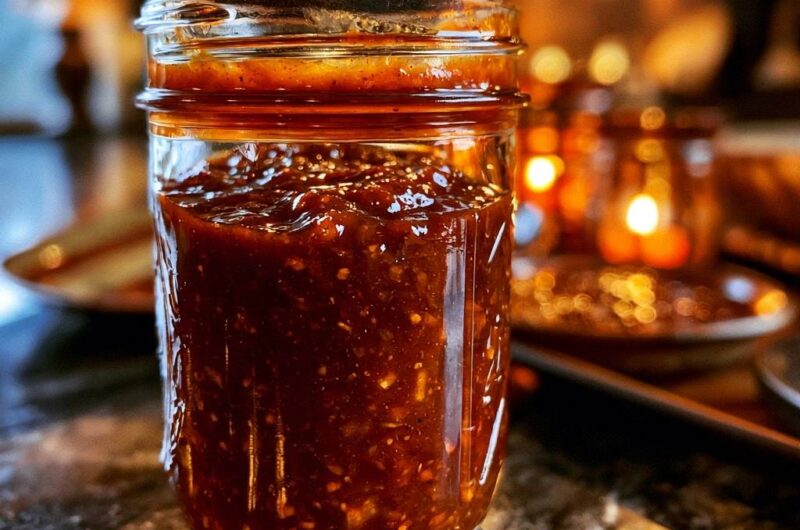
- Build the Texture: In a medium heavy-bottomed saucepan, heat the butter or oil over medium heat. Add the finely minced onion and sauté for 5-7 minutes until translucent and slightly golden. Add the minced garlic and cook for 1 minute more until fragrant. This creates the visible “bits” and thick body seen in the sauce.
- Combine: Add the ketchup, apple cider vinegar, brown sugar, honey, smoked paprika, Worcestershire sauce, black pepper, and cayenne. Whisk until the sugar is completely dissolved and the spices are fully integrated.
- The Reduction: To solve the watery sauce problem, bring the mixture to a very gentle simmer. Do not let it reach a rolling boil, as high heat can break the emulsion and cause the sugars to scorch.
- Thicken: Reduce the heat to low. Simmer uncovered for 20 to 25 minutes. This open-pot simmering is the secret to evaporation; it allows the excess water from the vinegar and ketchup to escape, naturally thickening the sauce into a rich, chunky glaze.
- Test: Stir every 5 minutes to ensure the bottom does not stick. You will know it is ready when the sauce is dark, glossy, and coats the back of a metal spoon without running off.
- Cool and Set: Remove from heat and let the sauce cool completely in the pan. The sauce will continue to thicken significantly as it reaches room temperature.
- Store: Transfer to a glass jar and refrigerate. For the best flavor depth, let it sit overnight before using on your favorite grilled meats. The flavors will meld and the texture will become even more robust.
Notes
- For the best flavor depth, let the sauce sit in the refrigerator overnight before using. This allows the spices to fully integrate and the texture to become more robust.