What Makes New Orleans Beignets Unique
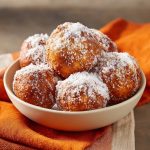
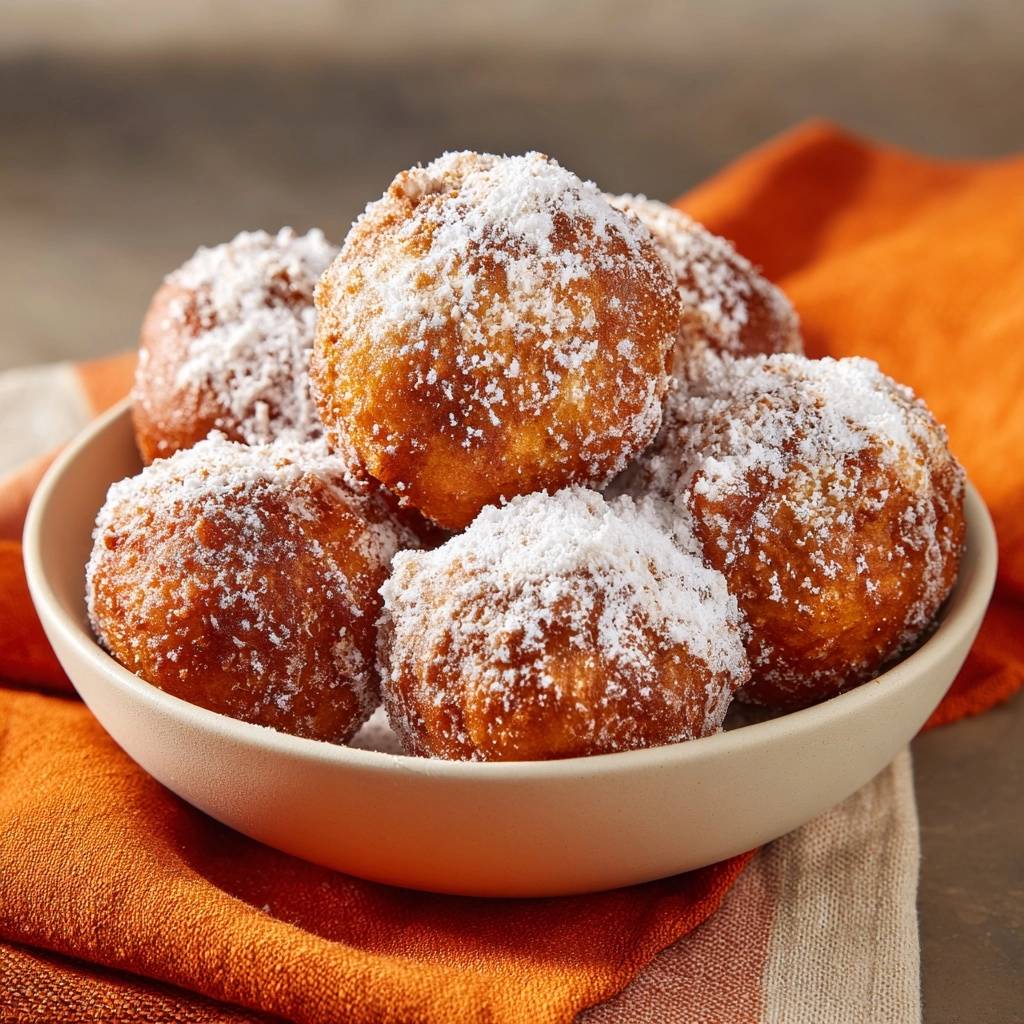
Picture this: fresh-from-the-fryer beignets, puffed into golden, airy squares blanketed in powdered sugar that melts on your tongue. Unlike the dense, chewy versions you get elsewhere, New Orleans beignets deliver that signature lightness from French settlers’ fritter traditions adapted in Louisiana. This recipe nails Café du Monde’s magic with a double-rise technique. It traps yeast gases for unbeatable fluff every time.
So why do most home versions fall flat? They skip the second rise, which builds air pockets that explode in hot oil. Therefore, you end up with heavy centers instead of those pillow-like bites. In addition, the exact 375°F fry temp ensures crisp outsides without greasiness.
Here’s the pro tip that proves it works: after the first rise, roll to precisely 1/4-inch thick. Thinner, and they crisp too much; thicker, and density creeps in. You’ll smell the sweet yeast aroma filling your kitchen, promising perfection.
History and Origins of New Orleans Beignets
French Roots in Louisiana Kitchens
French Acadians brought beignet recipes to Louisiana in the 18th century, tweaking them with local staples like evaporated milk and bread flour. This Southern twist created tender, lofty dough that sets New Orleans beignets apart from denser French fritters. You’ll taste that rich heritage in every fluffy bite.
Café du Monde’s Enduring Legacy
Since 1862, Café du Monde has churned out thousands daily from its open-air stand, drawing tourists for the ritual of sugar-dusted beignets with chicory coffee. Post-Katrina, it symbolized resilience. However, their powdered sugar “snow” ritual ensures that melt-in-your-mouth bliss sticks around.
Essential Ingredients for Authentic New Orleans Beignets
Bread flour builds the gluten network to trap gases for lift, unlike all-purpose which falls short. Evaporated milk adds caramel notes and tenderness without watering down the dough. Room-temperature eggs and softened butter emulsify smoothly, preventing lumps.
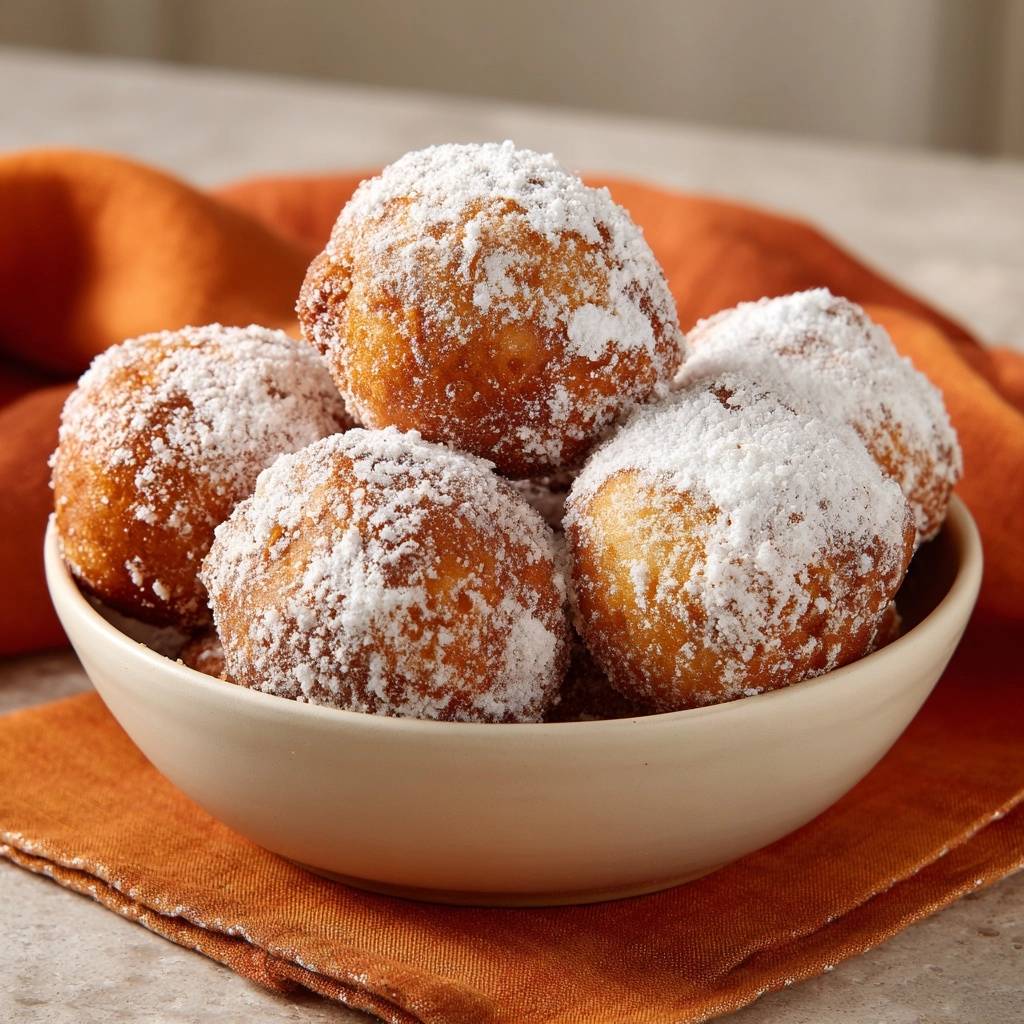
Vegetable oil’s neutral flavor and high smoke point hold steady at 375°F. Powdered sugar melts into a glossy coat when dusted warm. For subs, whole milk works if you’re out of evaporated, but it won’t tenderize quite as well.
Yeast Activation: Lukewarm Water and Sugar
Hit 105-115°F water to wake the yeast without killing it; too hot, and it dies. Sprinkle 2¼ tsp active dry yeast over ¾ cup water mixed with ¼ cup sugar. Wait 10 minutes for foam, proving it’s alive and ready to puff your beignets sky-high.
Enriching Agents: Eggs, Milk, and Butter
Lightly beat 2 room-temp eggs for seamless blending. Add ½ cup evaporated milk for stability and subtle sweetness. Mix in ¼ cup softened unsalted butter so fats distribute evenly, yielding pillowy texture.
Flour and Frying Oil Breakdown
Start with 4 cups bread flour’s high protein for elastic dough that holds air. Add up to 3 more cups during kneading to reach smooth, soft stage. Use 8 cups vegetable oil for frying; its clean taste lets the dough shine.
Science Behind Double-Rise New Orleans Beignets
Yeast ferments sugar into CO2 gas, inflating the dough during rises. Kneading develops gluten to contain it. The second rise creates surface tension, so hot oil turns trapped moisture to steam for dramatic puff.
Maillard reaction at 375°F browns the crust golden while keeping insides airy. Therefore, skip it, and you get flat, dense results. Think of it like inflating balloons twice for extra burst.
First Rise: Tripling Volume Mechanism
In a greased bowl, dough triples in 2 hours in a warm spot. Gases build without escape, thanks to plastic wrap cover. Punch down gently to redistribute air evenly.
Second Rise: Puffy Squares Secret
After cutting 3-inch squares, rest 30-45 minutes under a floured towel. They puff up, forming air pockets that prevent dense centers. This step guarantees Café du Monde fluff.
Frying Physics at 375 Degrees
Oil at exactly 375°F vaporizes water inside instantly, expanding beignets. Maintain temp between batches to avoid greasy sogginess.
Equipment for Perfect New Orleans Beignets
A deep pot keeps oil at stable 3-inch depth for even frying. Candy thermometer clips on for constant 375°F reads. Heavy rolling pin ensures uniform 1/4-inch thickness, so all beignets cook alike.
Wire racks over paper towels drain excess oil fast, staying crisp. Budget pick: any instant-read thermometer beats guessing. Floured baking sheets hold rising dough without sticking.
Thermometer and Pot Essentials
Instant-read thermometer prevents under-frying (soggy) or over-frying (burnt). Deep cast-iron Dutch oven retains heat best. Test oil with a scrap dough bit; it should sizzle vigorously.
Kneading Surface and Cutters
Floured wood or marble board gives traction for 8-10 minute knead. Pizza cutter yields clean 3-inch squares. Avoid ragged edges that fry unevenly.
Step-by-Step: Mastering New Orleans Beignets
Phase 1: Yeast Proof and Wet Mix
Dissolve ¼ cup sugar in ¾ cup lukewarm water. Sprinkle yeast and wait 10 minutes for foamy crown; no foam means dead yeast, so start over. Stir in beaten eggs, salt, evaporated milk, and butter until creamy. Smells sweet and yeasty already.
Phase 2: Kneading to Elastic Dough
Add 4 cups bread flour to form sticky dough. Knead on floured surface 8-10 minutes, adding flour ½ cup at a time until smooth. Stretch a piece thin for windowpane test; it holds without tearing. Don’t overdo it, or gluten toughens.
Phase 3: Double Rise Technique
Grease bowl, place dough inside, cover with plastic, and rise 2 hours till tripled. Punch down, roll to ¼-inch, cut squares. Cover loosely with floured towel for 30-45 minutes till puffy; poke test should spring back slowly.
Phase 4: Frying and Sugar Dusting
Heat oil to 375°F in deep pot. Fry 3-4 beignets 1 minute per side; they balloon fast. Drain on wire rack, dust with 3 cups powdered sugar while hot for sticky melt. Serve right away for crisp warmth.
Avoiding Common Mistakes in New Orleans Beignets
Over-kneading deflates gases, leading to tough bites. Wrong oil temp soaks dough greasy or burns outsides. Skipping second rise flattens them post-fry.
Cold ingredients slow proofing. Therefore, warm eggs and butter first. Pro tip: draft-free spot speeds everything.
Oil Temperature Pitfalls
Below 375°F, beignets absorb oil and stay pale. Above, exteriors char before puffing. Calibrate thermometer in boiling water first for accuracy.
Dough Handling Errors
Too much flour toughens; keep dough soft and elastic. Under-knead leaves it gummy. Feel for smooth bounce-back.
Rise Timing Fixes
Use poke test: dough ready when it springs back halfway. Warm oven with light on mimics proof box.
Flavor Variations for New Orleans Beignets
Add 1 tsp vanilla extract to wet mix for subtle warmth. Mix ½ tsp cinnamon into flour for gentle spice. For filled, pipe apple preserves post-first rise.
Chicory coffee grounds dust adds earthy nod to tradition. Keep twists light to honor the fluffy classic. They still vanish fast.
Pairing New Orleans Beignets with Drinks and Sides
Chicory coffee cuts sweetness with bold roast. Café au lait balances with creamy milk. Fresh strawberries add tart pop.
Serve at breakfast or dessert. Fruit compote keeps it light. Avoid heavy sides; let beignets shine.
Storing and Reheating New Orleans Beignets
Store airtight at room temp for 1 day. Freeze fried or unfried up to 3 months in bags. Reheat fried at 350°F oven 2 minutes to crisp puff; skip microwave, it sogs.
Unfried: thaw, rise again, fry fresh. Keeps that just-made bliss.
Troubleshooting New Orleans Beignets Issues
Why didn’t my yeast foam?
Water was too hot or yeast old. Always use 105-115°F and fresh packets. Test by foaming first; discard if flat after 10 minutes.
Why is my dough too sticky?
Add flour gradually during knead, but stop at soft elastic stage. Humid days need less. Windowpane test guides you perfectly.
Why are my beignets flat after frying?
Skipped second rise or oil not hot enough. Ensure 30-45 minute puff and steady 375°F. They’ll balloon dramatically if right.
Why are they greasy?
Oil below 375°F or overcrowding drops temp. Fry 3-4 at a time, drain immediately on rack. No paper towels alone; they steam soggy.
Why dense inside?
Over-kneaded or insufficient rises. Knead just to smooth, triple first rise, puffy second. Bread flour helps trap gases best.
For more fluffy dough ideas, check out these homemade marshmallow fritters.
Beignets
Course: DessertCuisine: AmericanDifficulty: medium24
beignets30
minutes20
minutes60
kcal180
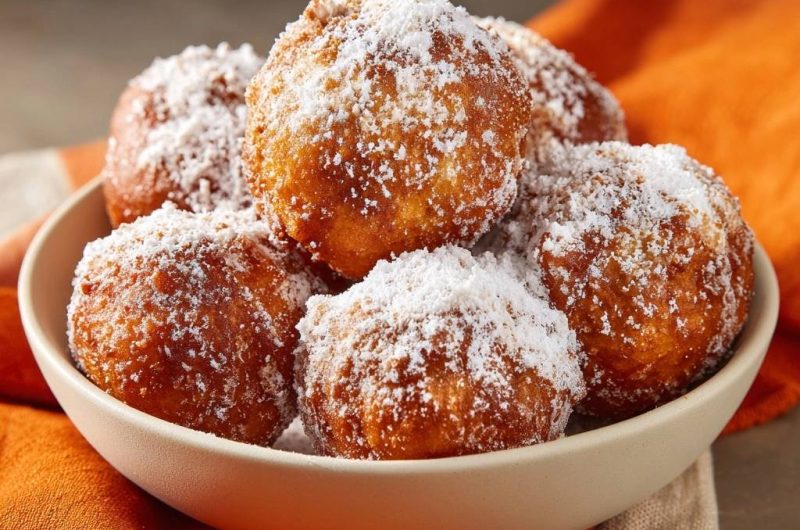
MinutesCraving Café du Monde magic at home? Dense, chewy beignets are history. This recipe delivers airy pillows with our foolproof double-rise technique that traps yeast gases for unbeatable puff.
Ingredients
3/4 cup lukewarm water (105 to 115 degrees F)
1/4 cup granulated sugar
2 1/4 teaspoons active dry yeast
2 eggs, room temperature, lightly beaten
1 1/4 teaspoons salt
1/2 cup evaporated milk
1/4 cup unsalted butter, softened
4 cups bread flour (plus up to 3 cups more as needed)
Vegetable oil, for frying (about 8 cups)
3 cups powdered sugar, for dusting
Directions
- Dissolve sugar in lukewarm water in a large bowl. Sprinkle yeast over top and let sit 10 minutes until foamy. This activates yeast for maximum lift.
- Mix in beaten eggs, salt, evaporated milk, and softened butter until combined.
- Stir in 4 cups bread flour to form a sticky dough. Knead on floured surface 8 to 10 minutes, adding flour 1/2 cup at a time until smooth and elastic but still soft. Avoid over-kneading to keep air in.
- Place dough in greased bowl, cover with plastic wrap, and let rise in warm spot 2 hours until tripled in size.
- Punch down dough, turn onto floured surface, and roll to 1/4-inch thickness. Cut into 3-inch squares.
- Place cut beignets on floured baking sheets. Cover loosely with floured kitchen towel and let rise 30 to 45 minutes until puffy. THIS IS THE KEY FLAWLESS FLUFF STEP: The second rise builds air pockets that explode into perfect spheres when fried, preventing any dense centers.
- Heat 3 inches vegetable oil in deep pot to exactly 375 degrees F (use thermometer for success).
- Fry 3 to 4 beignets at a time, 1 minute per side until golden. They will puff dramatically. Drain on wire rack over paper towels.
- Dust generously with powdered sugar while warm. Serve immediately for that snowy, melt-in-mouth bliss. Store leftovers airtight (reheat in 350 degrees F oven 2 minutes to restore puff).
Notes
- Use a thermometer to maintain oil at exactly 375°F for perfect puff. The second rise is key to fluffy, airy centers. Serve immediately while warm.