
Tired of your lemon meringue pie looking stunning right out of the oven, only to weep into a soggy mess by dessert time? This recipe fixes that frustration for good. You’ll get sky-high, glossy peaks that hold firm for days, thanks to a simple hot-filling seal technique.
Most home bakers struggle because they spread meringue on cooled filling, letting steam escape and pull moisture back through. However, this method traps that steam instantly. In addition, the low bake dries the top without browning it unevenly.
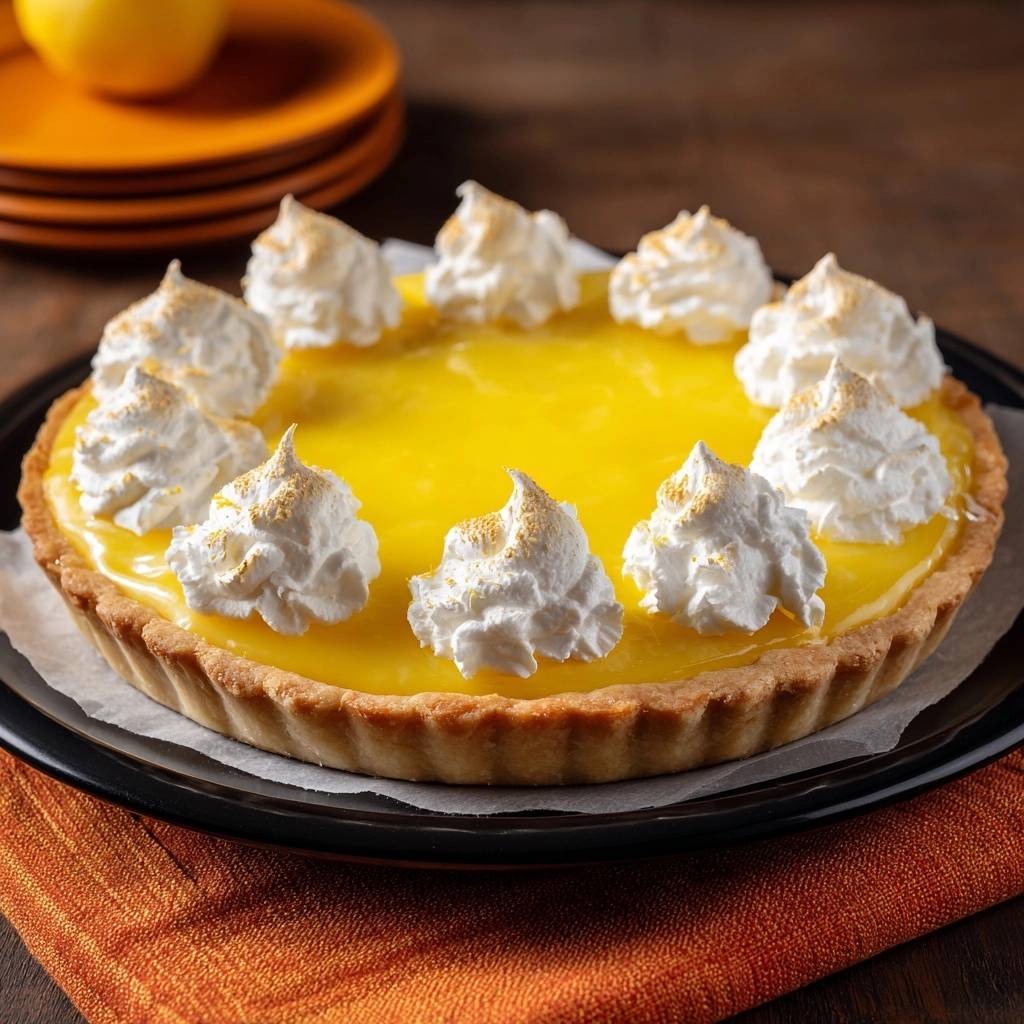
The real secret lies in piping 8-10 distinct swirls around the hot filling’s edge. Therefore, you seal it completely to the crust, cooking the meringue base right away. You’ll love how that bright lemon center shines through untouched. Active time runs about 1 hour, plus chilling, and it serves 8 happy eaters.
Essential Ingredients for Lemon Meringue Pie
Crust Components Breakdown
Cold unsalted butter forms the flaky layers in your crust. It creates steam pockets when baked, so keep it cubed and chilled to avoid a tough result. In addition, the egg yolk adds richness and helps bind without making it chewy.
You’ll need 1 1/4 cups all-purpose flour, 1/4 cup granulated sugar, 1/2 cup cold butter, 1 large egg yolk, and 2 tablespoons cold water for a 9-inch pie. Therefore, pulse them quickly. Unsalted butter keeps the flavor clean and lets the lemon shine later.
For a consistently crisp crust, check out the secrets behind a classic pecan crumble pie.
No food processor? A pastry blender works fine. Just don’t overwork the dough, or gluten develops and shrinks the crust.

Lemon Filling Key Elements
Fresh lemon juice from 4-5 lemons delivers vibrant tartness that bottled stuff can’t match. The zest adds essential oils for perfume-like brightness. Meanwhile, cornstarch thickens to a glossy, lump-free custard unlike flour’s dull paste.
Combine 1 1/2 cups granulated sugar, 1/3 cup cornstarch, 1 1/2 cups water, 6 large egg yolks, 1/2 cup juice, 2 tablespoons zest, and 2 tablespoons butter. Yolks give creamy texture through gentle cooking. Therefore, temper them properly to prevent scrambling.
Pro tip: Zest before juicing. It makes the filling pop with that sunny, puckery flavor everyone craves.
Meringue Building Blocks
Room-temperature egg whites whip to triple volume, trapping more air for lofty peaks. Add 1/4 teaspoon cream of tartar early; it stabilizes the foam against collapse. Then, 3/4 cup granulated sugar goes in gradually for gloss without graininess.
These 6 large whites transform into a billowy cloud. However, beat them 8-10 minutes total. The sugar draws out moisture slowly, preventing weeping.
Don’t skip the cream of tartar. It lowers pH for a stronger structure that holds up to heat and humidity.
Science of Stable Meringue in Lemon Meringue Pie
Why Meringue Weeps and How to Stop It
Meringue weeps when sugar pulls moisture from the whites or steam escapes from cold filling, condensing back through. Overbeaten foams deflate too. This recipe counters by spreading onto piping-hot filling, instantly cooking the bottom layer.
That seal traps steam inside, where it stays. In addition, egg proteins denature into a firm network during the low bake. Therefore, your peaks resist humidity and time.
Oh man, the first slice reveals a perfect cross-section. No watery pools, just crisp tips over creamy lemon.
Role of Cream of Tartar and Sugar Gradual Addition
Cream of tartar acts as an acid, strengthening the protein foam for better air bubble retention. Sugar, added slowly, forms a syrup that coats those bubbles against heat. Beat to stiff peaks where a spoon pulls up glossy swirls.
This takes 8-10 minutes on high speed. However, stop when sugar dissolves completely; rub a bit between fingers to check. Too short, and it deflates; too long, and it weeps from overwork.
The physics here create maximum volume. Tiny air cells expand evenly, giving that light, mile-high look.
Equipment Choices for Lemon Meringue Pie Success
Food Processor for Flaky Crust Precision
A food processor pulses butter into flour evenly, keeping it cold for flaky layers. Hand-rubbing warms it, leading to dense crust. Pulse just until crumbly pea-sized bits form.
No processor? Grab a pastry blender or two forks. Therefore, work fast on a cool counter. It ensures tender results every time.
Pro tip: Chill the bowl and blade first for extra insurance against warmth.
Stand Mixer Power for Meringue Peaks
Stand mixer’s whisk attachment builds volume fast over 8-10 minutes. Hand mixers tire out quicker, so upgrade if possible. Use a thermometer to hit 212F boil on filling precisely.
Pie weights or dried beans prevent crust puffing during blind bake. In addition, parchment makes removal easy. Skip them, and your base warps.
A piping bag shapes those perfect swirls. Ziploc with corner snipped works in a pinch.
Step-by-Step: Building Lemon Meringue Pie Crust
Pulsing Dough to Crumbly Texture
Pulse 1 1/4 cups flour and 1/4 cup sugar first. Add 1/2 cup cold butter cubes; pulse to coarse crumbs like peas. Then mix in 1 egg yolk and 2 tablespoons cold water until dough clumps.
Press evenly into a 9-inch pie plate. Chill 30 minutes; this relaxes gluten and prevents shrinkage. You’ll smell sweet butter as it firms up.
Don’t knead. Overhandling toughens it.
Blind Baking for Crisp Base
Preheat to 375F. Line chilled crust with parchment and fill with pie weights. Bake 20 minutes until edges set.
Remove weights and parchment, then bake 10 more minutes until golden. Cool slightly; it should feel firm but warm. Therefore, it pairs perfectly with hot filling.
Visual cue: Pale center deepens to toasty gold. No sogginess later.
Mastering Lemon Filling for Lemon Meringue Pie
Thickening Cornstarch Base on Stovetop
Whisk 1 1/2 cups sugar and 1/3 cup cornstarch in a saucepan. Gradually add 1 1/2 cups water. Cook over medium heat, stirring constantly, until it boils and thickens like pudding.
Boil 1 minute more. Temper 6 egg yolks with 1 cup hot mixture, whisking fast. Return to pan; cook 2 minutes until silky.
Watch the transformation from cloudy to glossy. Scrape sides to avoid lumps.
Infusing Zest Juice and Finishing Pour
Off heat, stir in 1/2 cup fresh lemon juice, 2 tablespoons zest, and 2 tablespoons butter. The aroma hits zingy and bright. Pour immediately into warm crust.
Steam rises, keeping it hot for meringue. Therefore, that heat seals everything later. Don’t let it cool.
Pro tip: Taste for tartness. Add a squeeze if needed.
Crafting Glossy Meringue for Lemon Meringue Pie
Beating to Stiff Peaks Perfection
Beat 6 room-temp egg whites with 1/4 teaspoon cream of tartar to soft peaks. They look foamy and hold slight curls. Gradually add 3/4 cup sugar, 1 tablespoon at a time.
Continue to stiff, glossy peaks, 8-10 minutes total. Rub between fingers; no grit means it’s ready. The bowl flips upside down without sliding.
Breathe in that sweet vanilla-like scent building.
Sealing Hot Filling with Swirl Technique
While filling steams, dollop meringue into 8-10 swirls around the perimeter. Spread each slightly to seal fully against crust edges. Leave the yellow center exposed for contrast.
Pipe for height if you like. The hot filling cooks the base instantly, locking in moisture. No escape means no weeping.
This step feels like magic. Peaks set firm right away.
Final Baking and Cooling Lemon Meringue Pie
Low-Heat Golden Tips Method
Bake at 350F for 10-12 minutes. Watch closely; tips turn lightly golden, not brown. Rotate if your oven heats unevenly.
Cool at room temp 1 hour, then chill 2 hours to set. Slices reveal stable layers that hold for days. The texture contrasts creamy filling with airy top.
Patience pays off. Rushing cracks the filling.
Avoiding Pitfalls in Lemon Meringue Pie
Crust Shrinkage and Soggy Bottom Fixes
Chill dough 30 minutes and use weights to stop shrinkage. Pour hot filling into warm crust; it steams together without sogginess. Handle minimally to avoid gluten activation.
However, if it shrinks a bit, trim edges pre-bake. Crisp base every time.
Filling Lumps and Meringue Deflation Solutions
Temper yolks slowly and whisk constantly for smooth filling. Beat meringue fully and seal only on hot filling. In humid weather, add a pinch more cream of tartar.
Therefore, no lumps or flats. Test peaks by lifting the beater.
Flavor Twists on Classic Lemon Meringue Pie
Citrus Swaps and Zest Enhancements
Swap lemons for limes or key limes for tropical tang. Blend orange and blood orange for sunset hues. Add basil zest infusion for herbal lift.
These keep the tart thrill. Fresh always wins.
Grapefruit works too, but balance sugar up.
Sugar and Sweetener Adjustments
Reduce sugar by 1/4 cup for extra tart pop. Honey or maple adds floral depth without overpowering. For dairy-free, use plant butter in filling and crust.
Taste as you go. It personalizes the classic.
Pairing Sides with Lemon Meringue Pie
Beverage Matches for Tart Balance
Herbal teas like chamomile soothe the brightness. Sparkling water with a lemon twist amplifies refreshment. Strong coffee cuts through with bitter contrast.
These enhance every bite. Simple and perfect.
Light Accompaniments and Occasions
Fresh berries add juicy pop. Shortbread cookies echo buttery crust. Ideal for tea parties or summer dinners.
It’s versatile joy on a plate.
Common Lemon Meringue Pie Questions
Can I Make Lemon Meringue Pie Ahead?
Yes, assemble and bake the day before. Store chilled up to 2 days; the meringue stays stable thanks to the seal. Slice just before serving for best texture.
Why Use Fresh Lemons Over Bottled Juice?
Fresh lemons give zest oils and bright acid without preservatives that dull flavor. Bottled tastes flat and metallic. Squeeze 4-5 for 1/2 cup; it’s worth the effort.
How to Fix Weepy Meringue After Baking?
This recipe prevents it, but if needed, torch the edges lightly to dry, then chill overnight. Remake meringue and reseal if severe. Humidity often causes strays.
Gluten-Free Lemon Meringue Pie Adaptation?
Swap all-purpose flour 1:1 with gluten-free blend plus 1/2 teaspoon xanthan gum for binding. Crust bakes the same. Filling and meringue stay naturally GF.
Storage Tips for Lemon Meringue Pie Slices?
Store whole pie airtight in fridge up to 4 days. For slices, wrap individually in foil; freezes well up to 1 month. Thaw in fridge; meringue holds shape but softens slightly.

Lemon Meringue Pie
Course: DessertCuisine: AmericanDifficulty: medium8
servings45
minutes45
minutes450
kcal240
MinutesSick of picture-perfect meringue turning into a watery mess? This recipe nails the exact technique to lock in stable, glossy peaks that stay put: spread meringue onto piping-hot filling to cook the bottom layer instantly, seal edges to the crust completely, and finish with a low bake to dry without overbrowning.
Ingredients
Crust:
1 1/4 cups all-purpose flour
1/4 cup granulated sugar
1/2 cup cold unsalted butter, cubed
1 large egg yolk
2 tablespoons cold water
Lemon Filling:
1 1/2 cups granulated sugar
1/3 cup cornstarch
1 1/2 cups water
6 large egg yolks
1/2 cup fresh lemon juice (from 4-5 lemons)
2 tablespoons lemon zest
2 tablespoons unsalted butter
Meringue:
6 large egg whites, room temperature
1/4 teaspoon cream of tartar
3/4 cup granulated sugar
Directions
- Make crust: Pulse flour and sugar in food processor. Add butter; pulse until crumbly. Add yolk and water; pulse to form dough. Press into 9-inch pie plate. Chill 30 minutes. Preheat oven to 375F. Line with parchment and pie weights; bake 20 minutes. Remove weights; bake 10 more minutes until golden. Cool slightly.
- Make filling: Whisk sugar and cornstarch in saucepan. Gradually whisk in water. Cook over medium heat, stirring, until thickened and boiling. Boil 1 minute. Temper yolks by whisking 1 cup hot mixture into them, then return to pan. Cook 2 minutes. Off heat, stir in juice, zest, and butter. Pour hot filling into warm crust immediately.
- Make meringue: Beat egg whites and cream of tartar to soft peaks. Gradually add sugar, beating to stiff, glossy peaks. This takes 8-10 minutes; sugar stabilizes to prevent weeping.
- No-weepy secret: While filling is still steaming hot, dollop and pipe meringue into 8-10 distinct swirls around the perimeter of the filling, spreading each slightly to completely seal edges against crust while leaving the bright yellow center exposed. This cooks meringue base instantly, trapping steam inside without escape.
- Bake at 350F for 10-12 minutes until meringue tips are lightly golden (watch closely). Cool at room temp 1 hour, then chill 2 hours to set fully. Slice and serve; peaks hold firm for days!
Notes
- Key to no-weepy meringue: Spread onto piping-hot filling to seal edges completely against crust. Use room temperature egg whites and add sugar gradually for stability. Peaks hold firm for days!