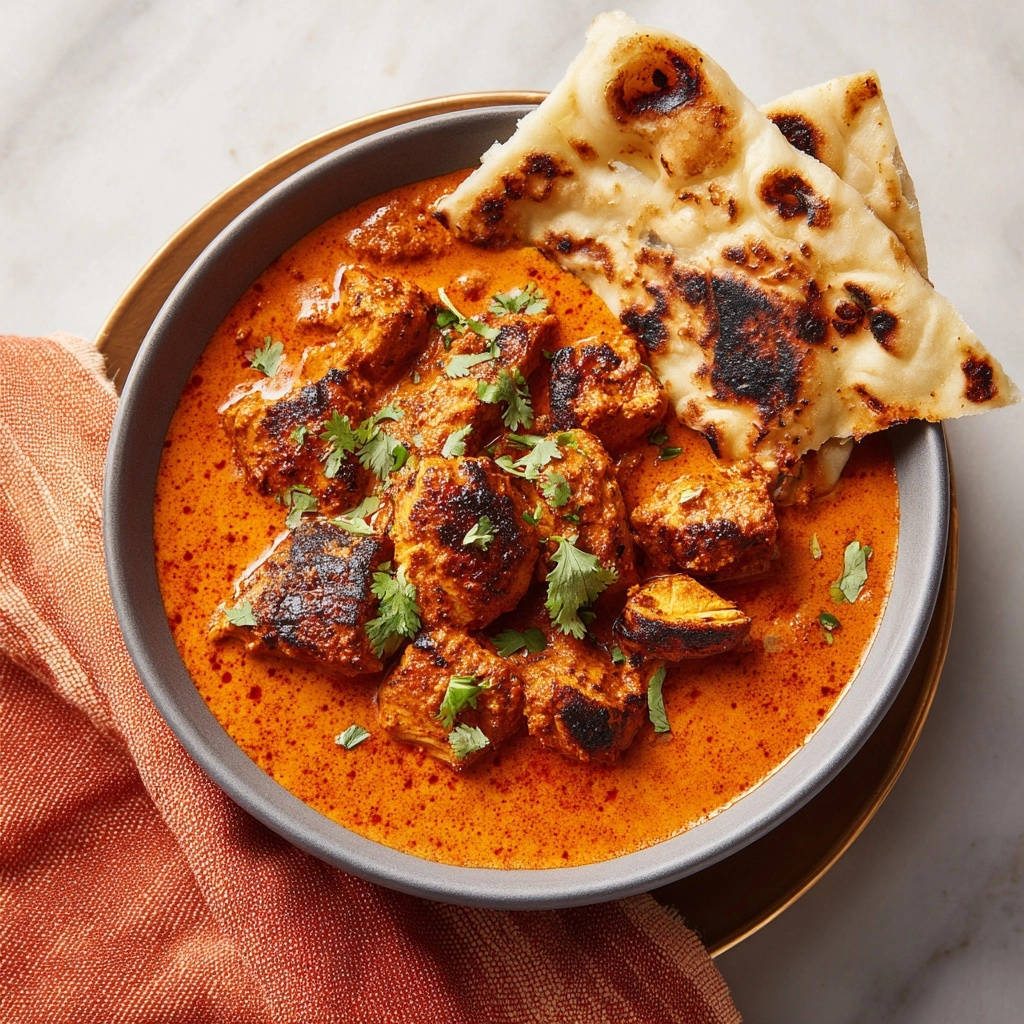
I struggled for years trying to replicate the rich, silky texture of authentic Indian cuisine at home, only to be constantly disappointed by dry, rubbery chicken chunks. The secret to mastering truly perfect Restaurant-Style Chicken Tikka Masala isn’t just in the sauce; it’s in how you treat the protein.
This recipe provides a simple, expert technique-the “Moisture Lock”-that guarantees ultra-tender, deeply flavorful chicken every time. Trust this method, and you will achieve a complex, satisfying curry that tastes exactly like your favorite takeout.
For even more tender results, consider this creamy chicken bell pepper curry.
The Secret to Ultra-Tender Chicken: Why We Broil First
The number one complaint about homemade Indian curry is tough chicken, but this problem is entirely avoidable. The culprit is usually how the chicken is cooked before it hits the sauce.
For a similar rich flavor, explore this juicy butter chicken recipe.
Traditional Simmering vs. High-Heat Pre-Cooking
When raw chicken is added directly into a simmering sauce, the meat cooks slowly and unevenly over a long duration. This extended exposure to heat causes the muscle fibers to tighten, pulling moisture out into the liquid base.
The result is often chicken that is bland on the interior and tough on the exterior, undermining the richness of the overall dish.
The Broiler “Moisture Lock” Technique Explained
The broiler technique uses extreme, direct heat to rapidly sear the outside of the marinated chicken pieces in a matter of minutes. This fast charring creates a protective, flavor-infused crust.
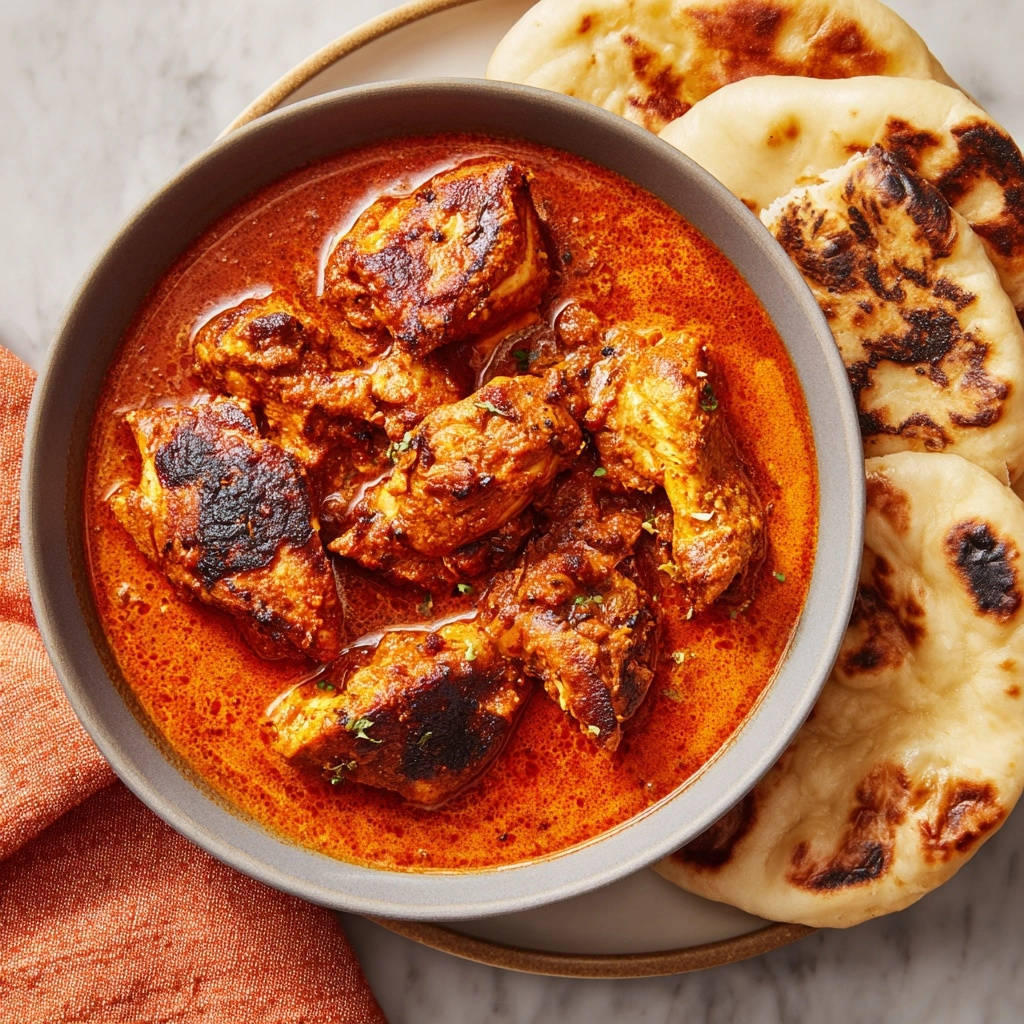
This crust locks the moisture inside the chicken before the meat has a chance to fully dry out. When the pre-cooked chicken is later added to the simmering sauce, it simply reheats without losing internal tenderness.
Developing Deep Flavor and Texture
Broiling also imparts subtle, smoky, charred notes to the chicken’s exterior.
This depth of flavor is often referred to as a Tandoor effect, adding a complexity that traditional, slow simmering simply cannot achieve.
Building the Perfect Curry: Essential Ingredients for Flavor Depth
A great sauce requires more than just mixing spices; it demands attention to quality and specific characteristics in your core ingredients.
Choosing the Right Chicken Cut and Marinade Base
While boneless, skinless chicken breast is traditional, chicken thighs are recommended for their inherent moisture and richer flavor, which further guards against dryness.
We specifically use plain, whole-milk standard yogurt, not Greek yogurt, because Greek yogurt’s higher protein content and acidity can sometimes over-tenderize the meat, leading to a tougher texture.
The Crucial Spices for Authentic Restaurant-Style Masala
Turmeric provides essential earthy notes and the classic golden color, while cumin and chili powder establish the foundational warmth.
The truly critical spice is fresh garam masala, which is typically added at the end; its aromatic blend provides the necessary sweet and floral notes that differentiate Tikka Masala from other curries.
Always ensure your spices are relatively fresh, as stale ground spices lose their volatile oils and greatly diminish the flavor depth.
Achieving the Silky Smooth Sauce Consistency
Canned crushed tomatoes provide a robust, slightly chunky base that reduces well, offering concentrated tomato flavor.
Chicken broth balances the intense tomato acidity and allows the spices to bloom correctly during the initial simmer. Finally, heavy cream gives the sauce its signature velvety mouthfeel and luxurious, rich orange color.
Essential Tools for Your Restaurant-Style Chicken Tikka Masala Adventure
You don’t need highly specialized equipment to master this dish, but having the right tools on hand streamlines the process and ensures consistent results.
Dutch Oven or Deep Pan: Necessary for the slow simmering of the sauce, providing even heat distribution and preventing sticking.
High-Powered Broiler Access: Critical for the ‘Moisture Lock’ step, capable of rapid, intense heating.
Microplane Grater: The secret weapon for perfectly grated ginger and garlic that easily dissolves into the sauce without leaving behind large, fibrous chunks.
Mastering the Restaurant-Style Chicken Tikka Masala Method: Step-by-Step
-
The Initial Marinade and Wait Time
Ensure the chicken is cut uniformly into 1-inch cubes for even cooking under the broiler. Thoroughly coating the chicken ensures maximum spice penetration.
Remember: A minimum marinade time of 30 minutes is essential, but letting the meat sit for up to four hours will yield even deeper, more complex flavor.
-
Executing the Critical Broiler Step
Preheat the broiler fully and position the rack carefully, placing it 6 to 8 inches from the heating element. This high proximity is key to achieving a quick char without drying the meat.
Watch carefully-broilers vary widely! The goal is lightly charred edges and just cooked internal temperature, NOT fully browned or crispy chicken.
-
Sautéing the Aromatics (Onion, Ginger, Garlic)
Melt the butter and oil together over medium heat; the oil raises the smoke point and prevents the butter from burning. Cook the onions until they are truly translucent-this caramelization provides a subtle but necessary sweetness to the foundation of the sauce.
Add the grated ginger and minced garlic only after the onion is soft, and cook for just 60 seconds. This quick toast prevents burning and the resulting bitterness.
-
Building the Broth and Spice Base
Pour in the crushed tomatoes and chicken broth first. This liquid base allows the ground spices (including garam masala, salt, and sugar) to properly hydrate and bloom, releasing their full flavor potential.
The 15-minute simmer time is non-negotiable; it reduces the sauce slightly, allowing all the flavor components to marry and deepen into a concentrated, harmonious flavor.
-
The Finishing Touch: Cream Integration
Remove the pan from the heat BEFORE stirring in the heavy cream. Adding cream while the sauce is actively boiling can sometimes cause the dairy fat to break or curdle.
Stir gently but thoroughly until the sauce transforms into that characteristic, rich orange color and achieves a smooth, unified texture.
-
Final Combining and Serving Protocol
Gently fold the charred, pre-cooked chicken back into the finished sauce. Simmer only for the 2-3 minutes required to efficiently reheat the chicken.
Critically: Do NOT boil or continue simmering the sauce after adding the chicken, or you will quickly reverse the valuable “Moisture Lock” technique, leading to dry meat.
Elevating Your Masala: Chef-Level Tips and Flavor Hacks
Toast Your Ground Spices: If your garam masala or cumin is older, lightly toast it in a dry pan over medium heat for 30 seconds before adding it to the sauce base. This process dramatically wakes up the volatile oils and intensifies the flavor profile.
Use Tomato Paste for Depth: For an even richer, more complex base, add 1 tablespoon of tomato paste along with the onions. Cook it for 1 minute until it darkens before adding the crushed tomatoes; this caramelizes the paste and deepens the essential umami flavor.
A Touch of Acid at the End: If the sauce tastes slightly flat or too heavy, add a tiny squeeze of fresh lemon juice right before serving. Acid is a crucial balancing agent that brightens the heavy flavors of the cream and spices.
Make it Smokier (Tandoor Effect): Add 1/4 teaspoon of smoked paprika to your chicken marinade if you want a subtle, smoky background flavor. This trick mimics the essence of traditional Tandoori cooking, even without a clay oven.
Troubleshooting Tikka Masala: Solving Common Consistency and Flavor Issues
My Sauce is Too Thin
If your sauce is overly runny after the initial 15-minute simmer, you have two corrective options. Simmer the sauce uncovered for an extra 5-10 minutes to encourage more reduction before adding the cream.
Alternatively, create a quick slurry using 1 teaspoon of cornstarch mixed with 1 tablespoon of cold water and whisk it into the hot sauce before the cream step. This provides rapid, gentle thickening.
The Chicken Tastes Rubbery or Dry
This dryness is almost always due to over-simmering the chicken after it has been added back to the sauce. Ensure you only reheat for 2-3 minutes maximum.
If the chicken was already overcooked during the broiler step, adjust your broiling time and rack position next time, aiming for less than 10 total minutes of high heat exposure.
The Sauce Tastes Bitter
Bitterness usually results from burning the garlic or ginger, or occasionally from using very old, stale spices. Ensure you never cook the aromatics longer than 60 seconds after the onions are softened.
If the bitterness is unavoidable, counter it by adding a tiny pinch more sugar and balancing it with a dash of additional heavy cream.
Perfect Pairings, Make-Ahead Instructions, and Storage Solutions
The Best Accompaniments for Restaurant-Style Chicken Tikka Masala
The traditional choices are warm, pillowy naan bread, perfect for scooping up the rich sauce, and fragrant Basmati rice.
Complementary Recipes
Round out your Chicken Tikka Masala meal with these other dishes.
- For warm, pillowy bread to soak up your sauce, try making your own Garlic Naan, perfect for scooping.
- Add some roasted vegetables and crunch with Perfect Roasted Carrots and Crispy Chickpeas for a balanced plate.
To complete the restaurant experience, consider serving this rich curry alongside cooling Raita (cucumber and yogurt dip) or a light side salad dressed simply with lime juice.
Making This Dish Ahead of Time
The entire sauce base can be made 1-2 days in advance and stored in the refrigerator before the heavy cream is introduced.
Complete the broiling step for the chicken, but keep the meat separate from the sauce. Combine the sauce, cream, and chicken only when ready to reheat and serve to prevent textural degradation.
Proper Storage and Reheating Leftovers
Leftovers should be stored in an airtight container in the refrigerator for up to 3 days. The flavor will often improve the next day!
Reheat gently on the stovetop over low heat, stirring occasionally, or microwave in short bursts. Avoid boiling the leftovers aggressively, as the high heat can cause the cream or yogurt in the sauce to separate.
Your Burning Questions Answered (Tikka Masala FAQs)
Can I use Greek yogurt for the marinade?
It is strongly recommended that you use plain, whole-milk standard yogurt, not Greek. Greek yogurt is much thicker and its higher acidity can sometimes prematurely break down or tighten the chicken proteins, leading to a tougher result.
If you absolutely must use Greek yogurt, thin it out slightly with a splash of milk or water before marinating to mimic the consistency of standard yogurt.
Can I make this recipe dairy-free or vegan?
To make the sauce dairy-free, substitute the heavy cream with full-fat coconut milk (canned, specifically). This will lend a similar richness and luxurious mouthfeel.
You can substitute the yogurt marinade with coconut yogurt or a thick, plain plant-based yogurt alternative for the chicken preparation.
Is this dish supposed to be very spicy?
Chicken Tikka Masala is generally considered mild and creamy, differentiating it from hotter curries like Vindaloo.
The level of heat in this recipe is controlled entirely by the amount of chili powder or cayenne you add to the marinade. If you prefer a completely mild dish, omit the chili powder entirely.
Ready to Impress? Share Your Chicken Tikka Masala Masterpiece!
You now hold the secret to the most delicious, tender, and authentic Restaurant-Style Chicken Tikka Masala you’ve ever made at home. Say goodbye to dry curry chicken and hello to rich, complex flavors that taste like they came straight from your favorite Indian kitchen.
Don’t forget to take a picture of your gorgeous, silky smooth sauce and ultra-tender chicken, and share your results! Enjoy the warmth and comfort this authentic Indian curry brings to your table.
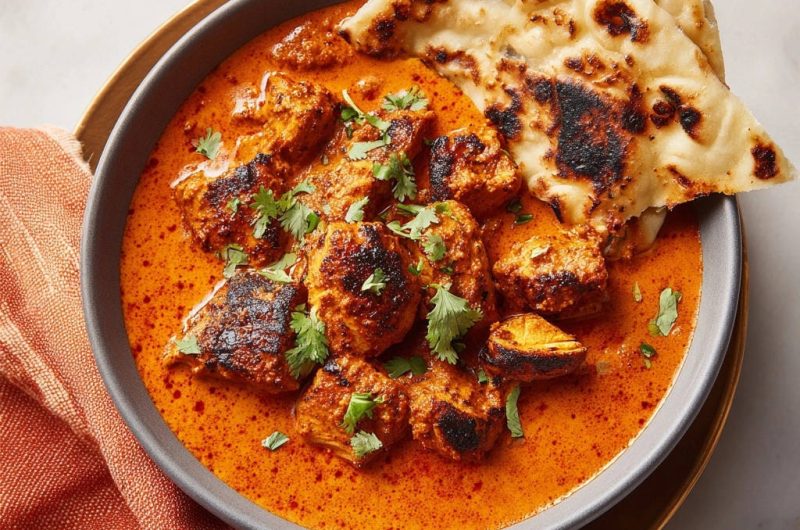
Chicken Tikka Masala
Course: Main CourseCuisine: IndianDifficulty: medium4
servings20
minutes40
minutes550
kcal60
minutesThis recipe guarantees tender, flavorful chicken Tikka Masala by using a high-heat “moisture lock” step before the meat enters the rich, creamy tomato sauce. The yogurt marinade deepens the flavor profile, while the brief simmer ensures the chicken remains juicy. Serve this classic curry with warm naan bread for an authentic dining experience.
Ingredients
For the Chicken Marinade:
1.5 pounds boneless, skinless chicken breast or thighs, cut into 1 inch cubes
1/2 cup plain whole milk yogurt (not Greek)
1 tablespoon fresh ginger, grated
1 tablespoon garlic, minced
1 teaspoon turmeric powder
1 teaspoon cumin
1 teaspoon salt
1 teaspoon chili powder or cayenne
For the Masala Sauce:
2 tablespoons butter
1 tablespoon oil
1 large yellow onion, finely chopped
1 tablespoon fresh ginger, grated
1 tablespoon garlic, minced
1 (15 ounce) can crushed tomatoes
1 cup chicken broth
1/2 cup heavy cream
1 teaspoon garam masala
1/2 teaspoon sugar
Salt and pepper to taste
Fresh cilantro, for garnish
Naan bread, for serving
Directions
- Prepare the Marinade: In a large bowl, combine all chicken marinade ingredients, including the yogurt, ginger, garlic, and spices. Add the chicken cubes and toss until fully coated. Cover the bowl and refrigerate for at least 30 minutes, or up to 4 hours.
- Cook the Chicken (The Moisture Lock Step): Preheat your oven broiler on high, ensuring the rack is placed 6 to 8 inches from the heating element. Line a baking sheet with foil and lightly coat with oil. Arrange the marinated chicken pieces in a single layer, ensuring they are not crowded. Broil the chicken for 8 to 10 minutes, flipping halfway through, until the pieces are slightly charred and just cooked through internally. This high-heat, fast-cook step is critical to developing flavor and preventing the chicken from becoming rubbery when simmered later. Remove from oven and set aside.
- Start the Sauce Base: In a large deep pan or Dutch oven, melt the butter and oil over medium heat. Add the chopped onion and cook for 6 to 8 minutes until softened and translucent, stirring frequently. Add the grated ginger and minced garlic. Cook for 1 minute until fragrant.
- Build the Flavor: Pour in the crushed tomatoes and chicken broth. Bring the mixture to a gentle simmer. Stir in the garam masala, sugar, salt, and pepper. Reduce the heat to low and simmer for 15 minutes, allowing the sauce to reduce slightly and the flavors to deepen.
- Finish the Masala: Remove the pan from the heat. Stir in the heavy cream until the sauce is smooth and uniformly orange.
- Combine and Serve: Gently fold the charred, pre-cooked chicken pieces into the finished sauce. Simmer for only 2 to 3 minutes, just long enough to heat the chicken through. Do not boil the sauce or simmer for a long period, as this will dry out the pre-cooked meat.
- Garnish with fresh cilantro and serve immediately with warm naan bread.
Notes
- This technique of pre-cooking the chicken via broiling is essential for achieving the best texture and preventing dryness later in the simmer step.