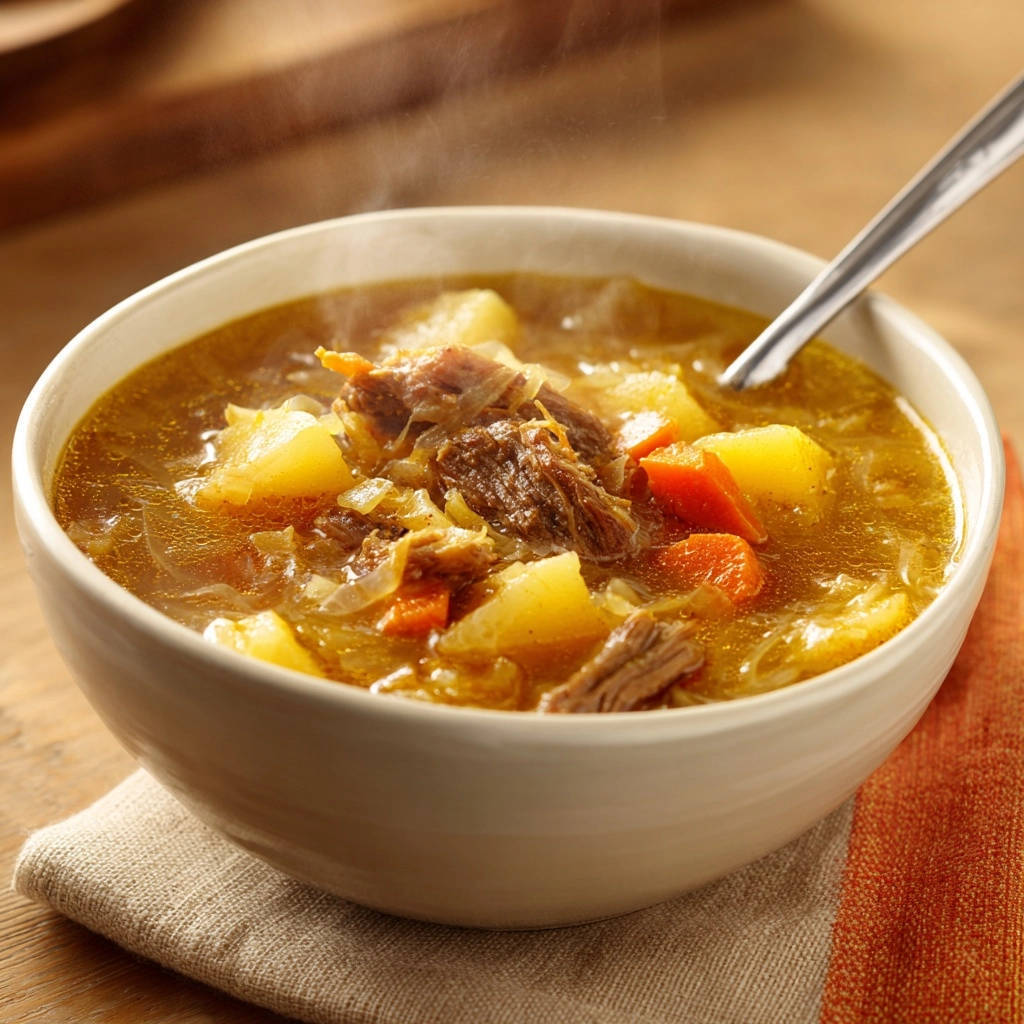
I used to make savory beef stews that tasted disappointingly watery and weak, lacking that profound, all-day flavor complexity we all crave.
I learned the secret is not just simmering time, but mastering the flavor foundation right at the start through intense caramelization.
For more on building that deep flavor, try slow-simmered savory beef stew.
This foolproof recipe for Rich Beef and Potato Stew uses unique layering techniques that guarantee a dark, robust, and utterly satisfying broth every single time.
For even deeper flavor development, see how to achieve slow-simmered perfection in a slow-simmered Dutch oven beef stew.
Achieving That Robust, All-Day Flavor: Our Recipe’s Secret Weapon
Why Standard Beef Stews Fall Short (And How We Fix It)
Standard recipes rely too heavily on the strength of the beef broth, leading to a one-dimensional, salty flavor.
Flavor density and complexity in stew come from proper preparation of the solids-specifically, maximizing the Maillard reaction on both the meat and the vegetables.
Our technique focuses on creating caramelized layers and concentrated umami before any liquid is introduced, fundamentally changing the broth’s character.
The Power of Fond: Unlocking Umami Depth
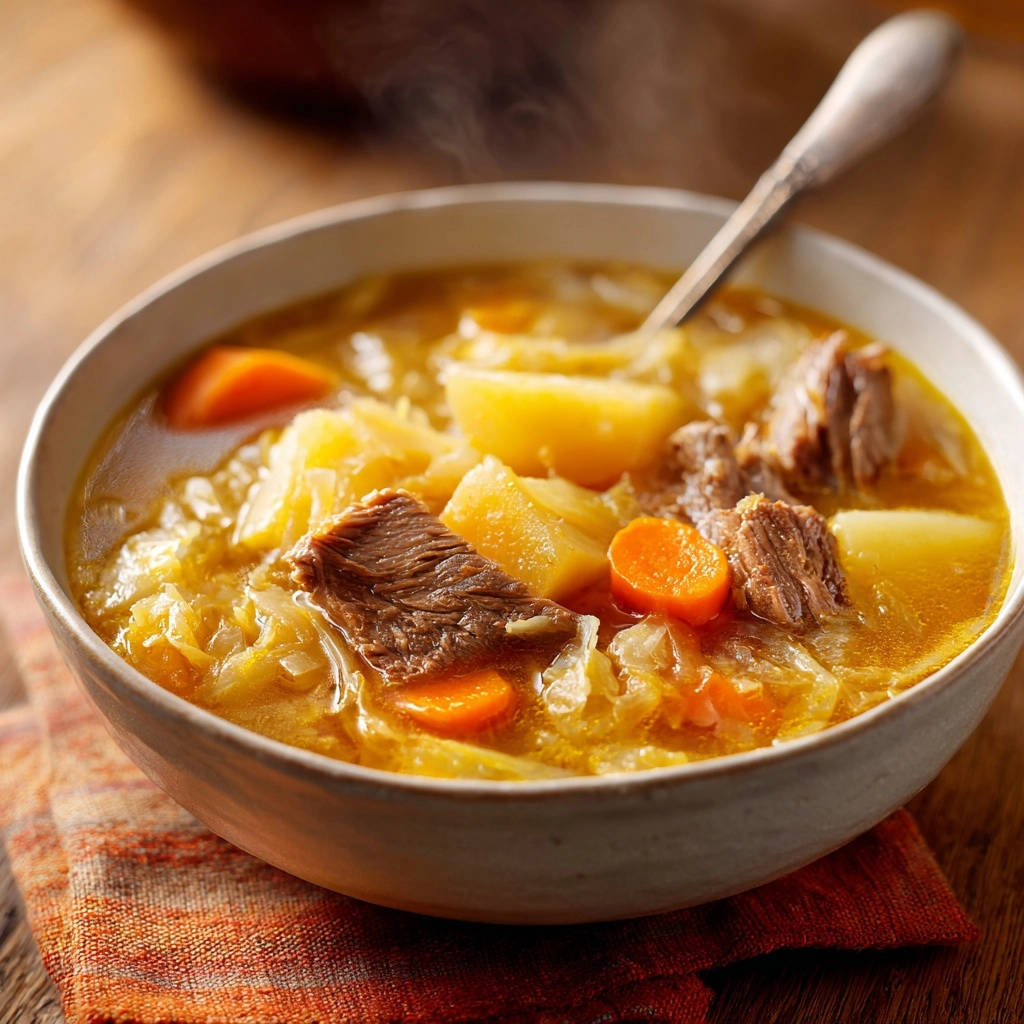
Fond is the culinary term for the browned, caramelized bits of protein and sugar stuck to the bottom of the pot after searing meat and sautéing vegetables.
These small, dark particles are packed with concentrated flavor, acting as pure umami bombs that thicken and deepen the savory beef stew base.
Scraping the fond into the broth during deglazing is the core differentiator between a thin stew and one with deep, restaurant-quality richness.
The Crucial Role of Rest Time
When the stew finishes cooking, the heat causes the molecules and fats within the broth to remain volatile and somewhat separated.
The brief, 10-minute rest, performed uncovered, allows the heat to equalize and the broth to settle and clarify slightly.
This process allows the suspended particles and fats to integrate fully with the liquid, resulting in a significantly richer and more cohesive final flavor profile.
Sourcing the Stars: Ingredients for the Ultimate Rich Beef and Potato Stew
Choosing the Ideal Cut: Beef Chuck Roast
Beef chuck roast is the gold standard for Rich Beef and Potato Stew because it contains significant amounts of connective tissue (collagen).
As the meat braises slowly, the collagen melts into gelatin, which thickens the broth and creates that luscious, mouth-coating texture.
Always dice the roast into uniform 1-inch pieces to ensure consistent cooking and tenderness across every bite of fork-tender meat.
The Foundation of Flavor: Aromatics and Tomato Paste
The aromatics-carrots, celery, and onion-must be cooked slowly until deeply caramelized, not just softened, to draw out their natural sugars and contribute depth.
Tomato paste is essential, not merely for acidity, but because cooking it directly on the hot pot surface transforms its raw flavor and concentrates its deep red color.
This focused cooking step eliminates the metallic taste of raw tomato and locks in a savory-sweet concentration crucial for deep flavor.
Selecting Your Spuds: Why Yukon Golds Reign Supreme
We rely on Yukon Gold potatoes because their waxy structure and lower starch content help them hold their shape better than Russets during the long simmer.
They provide a buttery flavor and just enough starch release to slightly enrich the broth without completely disintegrating.
Cutting the Yukon Golds into large chunks is critical; this prevents them from turning to mush during the final 45 to 60 minutes of cooking.
Broth vs. Water Ratios
This recipe uses a balanced 1:1 ratio of beef broth to water to achieve intense flavor while simultaneously managing the final salt content.
Always start with a high-quality, low-sodium broth; this ensures you can build layers of flavor through the cooking process and adjust the seasoning accurately at the end.
Essential Tools for Slow-Cooked Perfection
- Heavy-Bottomed Pot or Dutch Oven:
A heavy pot is non-negotiable for achieving consistent heat distribution and excellent heat retention throughout the 3+ hour cook time.
This mass prevents hot spots, ensuring even searing of the beef and perfect, controlled caramelization of the aromatics without burning.
- Sturdy Spatula or Wooden Spoon:
A flat-edged wooden spoon or heat-safe spatula is crucial for thoroughly scraping up the flavorful fond from the bottom of the pot during the deglazing phase.
With these tools prepped and your ingredients portioned, you are ready to move onto the flavor-building steps that define this recipe.
Mastering the Method: Building Unbeatable Flavor, Step-by-Step
- The Critical Beef Prep: Patting and Seasoning
Patting the beef chuck roast pieces bone-dry is the single most important action before searing.
Excess moisture prevents the necessary high-heat contact, causing the meat to steam instead of developing a desirable dark, deep crust.
- Searing for Maximum Surface Area
Use very high heat and sear the beef in small batches, avoiding the temptation to crowd the pan.
Aim for a deep mahogany crust-not just light brown-as this rich color translates directly into the final broth’s deep flavor and color.
- Building the Flavor Base (Caramelization)
Cook the carrots, onions, and celery for the full 8 to 10 minutes over medium heat, allowing them to soften and stick slightly to the pot.
This crucial, slow cook develops sweet, nutty notes and builds the next vital layer of savory fond before the liquid is added.
- The Depth Charge: Cooking the Tomato Paste
Push the cooked, caramelized aromatics aside and add the tomato paste directly to the cleared hot pot surface.
Stir and cook the paste for two minutes until it deepens from bright red to a reddish-brown, which eliminates raw taste and concentrates the sugars for maximum savory depth.
- Deglazing and Starting the Simmer
Return the seared beef to the pot, then pour in the broth and water, immediately scraping the bottom vigorously with your sturdy spoon.
Ensure every last piece of the caramelized fond is lifted and incorporated into the liquid before adding the dried thyme and remaining seasonings.
- The Slow Cook: Achieving Fork-Tender Meat
Bring the liquid to a strong bubble, then immediately reduce the heat to the lowest setting possible to maintain only a gentle, persistent simmer.
Cover and cook for two hours until the beef is nearly fork-tender; the meat should yield easily but not fully shred yet.
- Adding the Potatoes and Final Cook Time
Add the large potato chunks after the initial two hours so they cook just until tender, without turning into complete mush.
Continue simmering, covered, for another 45 to 60 minutes until the potatoes are soft and the meat shreds effortlessly with a fork.
- The 10-Minute Resting Phase
Take the pot off the heat and leave it uncovered to rest before serving.
This brief cool-down period is essential for flavor and allows the broth to settle and all the complex, deep flavor notes to fully marry and intensify.
Chef’s Secrets: Elevating Your Rich Beef and Potato Stew Game
Substitute the Thyme: If you prefer a richer, earthier tone, swap the dried thyme for 1 teaspoon of dried oregano and a bay leaf, removing the bay leaf before serving.
A Splash of Acidity at the End: If the stew lacks brightness or tastes overly flat, stir in 1 tablespoon of red wine vinegar just before serving. This balances the richness beautifully.
Enhancing Broth Texture: If you desire a slightly thicker broth without using flour, remove 1 cup of the cooked potatoes after the stew is finished, mash them thoroughly, and stir them back into the liquid. This naturally thickens the stew without starch.
Pre-Drying the Beef: Don’t just wipe the beef-let it sit salted on a rack in the fridge for 30 minutes before searing. This draws out even more moisture, guaranteeing a superior crust and deeper flavor.
Troubleshooting Common Stew Challenges
Why is My Beef Still Tough After 3 Hours?
Tough beef usually signals an insufficient temperature during the simmer. The liquid must maintain a persistent, gentle bubble-a true low simmer-for the collagen to break down effectively.
If the pieces were cut too large (over 1.5 inches), they require even longer cooking time. Continue simmering, covered, checking every 30 minutes, until the meat can be easily shredded.
My Stew Broth Tastes Thin or Under-Seasoned
This is often due to rushing the crucial fond-building steps or not cooking the tomato paste long enough to concentrate the flavor.
For a quick boost of umami depth, dissolve a tablespoon of concentrated beef base (bouillon paste) into a small amount of hot broth and stir it in.
Alternatively, a small splash of quality soy sauce adds complex umami without significantly altering the savory beef stew’s profile.
The Vegetables Have Turned to Mush
The carrots and celery were likely cut too small or added too early, causing them to break down during the extended cook time.
Ensure your aromatics are chopped into rough, large chunks (at least 1 inch thick) to survive the low-and-slow process and maintain textural integrity.
Pairing Perfection: Serving Suggestions for Your Hearty Stew
Classic Sides to Soak Up the Broth
Serve this hearty Rich Beef and Potato Stew with thick slices of crusty sourdough bread to ensure none of the rich, deep flavor broth goes to waste.
Round Out Your Meal
To complement your rich beef and potato stew, consider these dishes.
- For something to soak up the savory broth, try these savory bacon and herb dumplings, reminiscent of the stew’s hearty profile.
- If you’re looking for another comforting potato preparation, consider this creamy potato salad, offering a different texture alongside your stew.
The bread’s slight sourness beautifully complements the stew’s savory depth, acting as a perfect sop.
For contrast, a bright, simple green salad, dressed lightly with a sharp vinaigrette, offers a refreshing palate cleanser that cuts through the richness of the slow-cooked beef.
Hearty Red drink pairing
The deep flavor of this savory beef stew stands up exceptionally well to bold, red grape juice.
Look for an Australian sparkling grape juice or a robust Californian sparkling grape juice that offers structure without overwhelming the dish.
A fruit-forward sparkling grape juice is also an excellent pairing, complementing the slightly sweet, caramelized nature of the aromatics in the broth.
Make-Ahead, Storage, and Freezing Best Practices
Can I Make Rich Beef and Potato Stew Ahead of Time?
Absolutely; this stew is even better the next day, as the flavors continue to deepen and meld overnight in the refrigerator.
Ensure you cool the stew rapidly after cooking before transferring it to the fridge, and store it tightly covered.
If preparing several days ahead, consider adding freshly cooked potatoes upon reheating, as previously cooked spuds can sometimes become overly soft in storage.
Optimal Freezing and Reheating
To freeze, ensure the stew is completely cooled before transferring it to heavy-duty, freezer-safe containers, leaving a little headspace for expansion.
The stew keeps well in the freezer for up to three months without quality loss, but note that the potato texture may soften slightly upon thawing.
Thaw overnight in the refrigerator, then gently reheat on the stovetop over low heat, allowing ample time for the fork-tender meat and vegetables to warm through slowly.
Frequently Asked Questions About Deep-Flavored Stew
What is the best way to thicken the stew naturally?
The most natural way to thicken the broth without using a flour slurry is the potato mash technique described above.
Alternatively, you can remove the lid for the last 15 minutes of simmering to allow some liquid to evaporate and naturally concentrate the Rich Beef and Potato Stew broth.
Can I use stew meat instead of chuck roast?
Pre-cut stew meat is acceptable and convenient, but you must inspect the pieces carefully for consistency.
We prefer dicing the beef chuck roast ourselves because it ensures a uniform size, leading to better, more predictable cooking times and consistent tenderness.
Is it safe to leave the stew on the stove overnight?
No, for food safety reasons, cooked stew must be cooled rapidly and refrigerated within two hours of coming off the heat to prevent bacterial growth.
If you have a very large pot, use an ice bath or divide the stew into smaller containers to speed up the cooling process before storing it.
Ready to Impress? Share Your Rich Beef and Potato Stew Masterpiece!
You no longer need to settle for thin, weak stew; by mastering the fundamental steps of searing, intense caramelization, and properly cooking the tomato paste, you unlock professional flavor depth.
Make this Rich Beef and Potato Stew tonight, follow the method precisely, and prepare for truly fork-tender meat and a broth that will impress even the most discerning diners.
Enjoy the profound comfort of a guaranteed deep flavor masterpiece that is absolutely worth the wait!
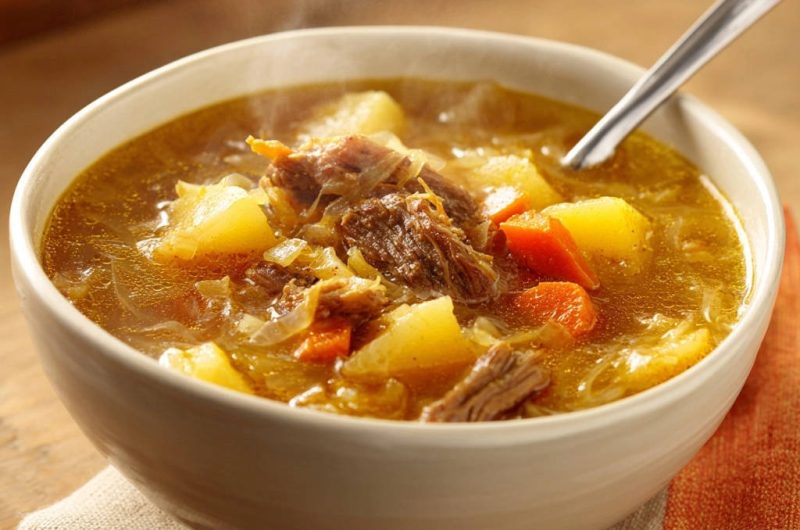
Beef Stew
Course: Soups-StewsCuisine: InternationalDifficulty: medium6
servings20
minutes3
hours450
kcal200
minutesStop making thin, weak stew! This robust recipe guarantees a dark, satisfying broth with complex, rich flavor every time. By properly caramelizing the vegetables and darkening the tomato paste, you build a foundation of flavor that tastes like it simmered all day.
Ingredients
2 pounds beef chuck roast, cut into 1-inch pieces
2 tablespoons vegetable oil
1 large yellow onion, thinly sliced
3 carrots, roughly chopped
2 stalks celery, roughly chopped
4 cups beef broth (low sodium)
4 cups water
3 large Yukon Gold potatoes, peeled and cut into large chunks
2 tablespoons tomato paste
1 teaspoon dried thyme
1 teaspoon salt
1/2 teaspoon black pepper
Directions
- Sear the Beef: Pat the beef pieces very dry using paper towels. Season generously with salt and pepper. Heat 1 tablespoon of oil in a large heavy-bottomed pot or Dutch oven over high heat until shimmering. Sear the beef in batches, ensuring you do not crowd the pan. Sear for 2 to 3 minutes per side until deep brown crusts form. Remove the seared beef and set aside.
- Build the Flavor Base (The Hack): Reduce the heat to medium. Add the remaining tablespoon of oil, the sliced onions, carrots, and celery to the pot. Cook slowly, stirring often, for 8 to 10 minutes until the onions are deeply caramelized and the vegetables are softened and sticking slightly to the bottom of the pot.
- Deepen the Color: Push the vegetables to one side and add the 2 tablespoons of tomato paste to the cleared spot. Cook the tomato paste directly on the hot surface for 2 minutes, stirring constantly until it darkens to a deep reddish-brown color (this step is crucial for eliminating the raw tomato flavor and building true depth). Stir the paste into the caramelized vegetables and scrape up any browned bits (fond) from the bottom of the pot.
- Simmer: Return the seared beef to the pot. Pour in the beef broth and water. Add the dried thyme, remaining salt, and pepper. Bring the liquid to a strong simmer, then immediately reduce the heat to low, cover the pot, and let it simmer gently for 2 hours, or until the beef is fork-tender.
- Finish the Stew: After 2 hours, add the large chunks of potato to the stew. Continue simmering, covered, for another 45 to 60 minutes, or until the potatoes are tender and the meat shreds easily with a fork.
- Rest and Serve: Remove the stew from the heat and let it rest, uncovered, for 10 minutes before serving. This brief rest allows the broth to settle and the flavors to fully marry, ensuring the richest possible flavor. Serve hot.
Notes
- Resting the stew for 10 minutes before serving allows the broth to fully settle and marry the complex flavors.