I spent years trying to perfect the classic potato soup, often ending up frustrated with a bland, watery result that relied too heavily on butter and cream for flavor.
The secret I discovered wasn’t in adding more dairy, but in how the base flavor is built: using the crucial 15-minute “slow sweat” technique to coax maximum sweetness from the aromatics right at the start.
This method guarantees that every bowl of this truly exceptional Silky Creamy Potato Soup possesses an inherent richness and depth far beyond standard recipes.
The “Slow Sweat” Secret: Why 15 Minutes Changes Everything
The success of any simple soup relies entirely on the foundational layer of flavor, which in this recipe is created by patiently cooking the onions and garlic.
When you rush this initial step, you get sharp, raw tasting aromatics that taint the final dish, resulting in that disappointing “buttery water” flavor we are trying to avoid.
The Culinary Science of Sweet Onions
Slow-sweating is fundamentally different from caramelizing, which involves cooking at higher heat until sugars brown, creating a nutty, toasted flavor.

By cooking the onions and garlic over medium-low heat for 12 to 15 minutes, you gently draw out their moisture and convert their sulfur compounds into sweet sugars without any browning.
This process results in onions that are completely translucent, incredibly soft, and intensely sweet-the perfect savory base for a hearty, creamy potato dish.
Why Low Heat is the Foundation of Flavor Depth
Maintaining a low temperature prevents the Maillard reaction (browning) from occurring, which is essential for a clean, pure vegetable flavor that won’t distract from the potatoes.
This patience ensures that every tablespoon of butter is infused with the complex sweetness of the vegetables, guaranteeing a profound depth that is present in every spoonful of the final Silky Creamy Potato Soup.
Building Blocks of Velvet Texture: Essential Ingredients Analysis
To achieve that signature velvet texture, the selection and quality of core ingredients are just as vital as the cooking technique.
Using low-sodium options and the right potato variety gives you ultimate control over the consistency and final seasoning.
Starchy vs. Waxy: Why Yukon Golds are Non-Negotiable
Yukon Gold potatoes are the optimal choice because they are considered mid-starch, offering the best balance between creamy breakdown and structural integrity.
When blended, their starch content thickens the soup naturally, yielding a smooth, buttery mouthfeel without the gluey consistency that high-starch Russets can produce.
The Dairy Debate: Heavy Cream vs. Whole Milk Consistency
Heavy cream delivers the richest, most decadent mouthfeel and is recommended if you desire true indulgence and a bright white soup color.
Whole milk offers a lighter option; while still adding creaminess, it results in a slightly thinner final consistency.
For those watching fat intake, note that both dairy options should always be added at the very end to prevent scorching or separating.
Vegetable Broth Quality: Choosing the Right Base
Always opt for high-quality, low-sodium vegetable broth, which serves as the primary liquid base for the soup.
Starting with low-sodium broth is critical because it allows you to concentrate the liquid during simmering and precisely control the final seasoning without worrying about excessive saltiness.
Prepping for Potato Perfection: Tools and Technique Prep
Proper preparation and having the right tools on hand streamlines the cooking process, ensuring a smooth transition between steps.
Essential Kitchen Tools Checklist
Gathering your equipment beforehand prevents frustrating pauses and ensures you can handle the hot liquid safely.
Heavy-Bottomed Pot or Dutch Oven: Necessary for even heat distribution during the crucial 15-minute slow sweat, preventing scorching.
Immersion Blender or High-Powered Blender: Essential for transforming the cooked ingredients into the signature silky smooth consistency.
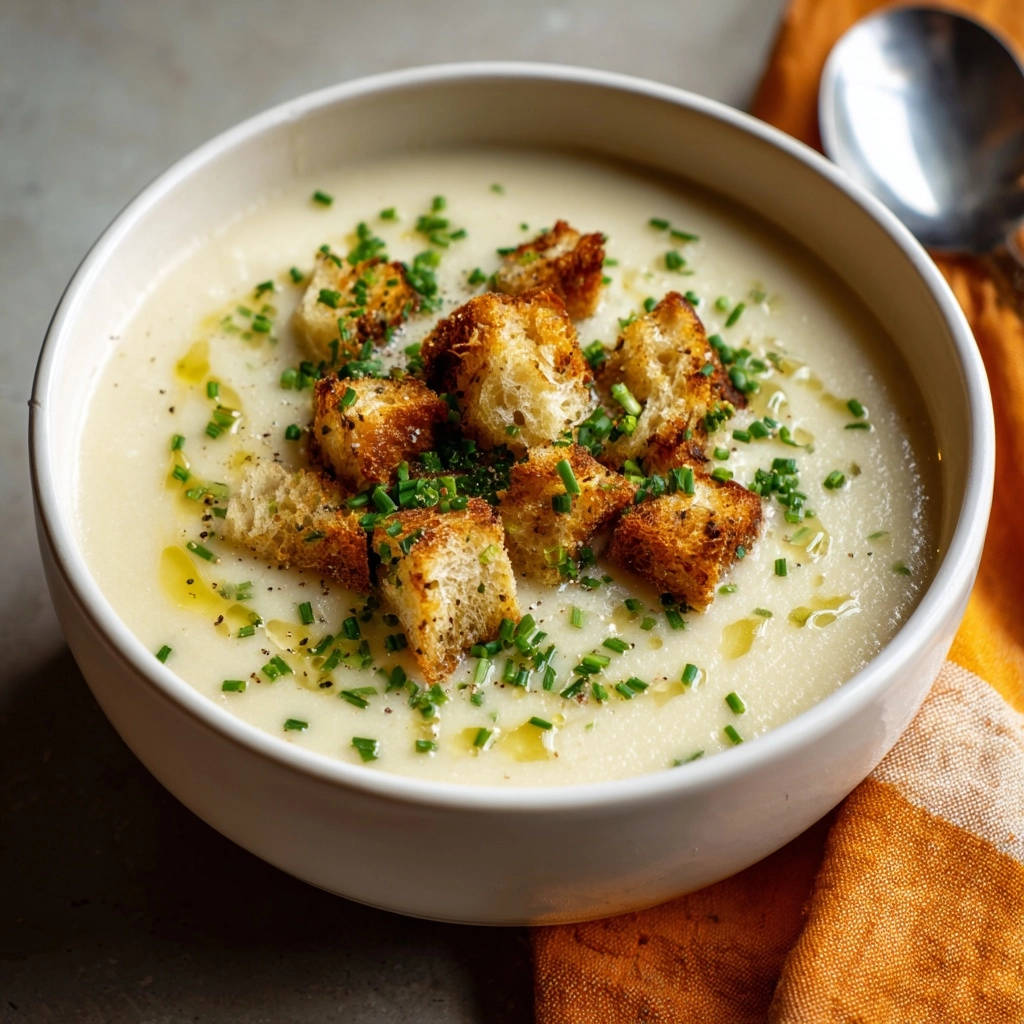
Baking Sheet: Used exclusively for crisping the sourdough croutons, which adds necessary texture contrast to the creamy soup.
The Critical Step: Perfect Potato Preparation
Before beginning the cooking process, peel your Yukon Golds completely to ensure the final pureed soup is absolutely silky and free of textural imperfections.
The potatoes should be roughly chopped into pieces of consistent size-ideally 1 to 1.5 inches-to ensure they all become tender at the same rate during the simmer phase.
Inconsistent sizing can lead to some pieces remaining firm, which will introduce an unwanted graininess when the soup is blended.
Mastering the Method: Step-by-Step Silky Creamy Potato Soup
Follow these detailed phases to execute the technique perfectly, achieving maximum flavor and the desired velvet texture.
Phase 1: Creating the Deep Flavor Foundation (The Hack in Action)
- Step 1: Slow Sweat the Aromatics (12-15 Minutes):
In a heavy pot, melt the butter over medium-low heat, then add the chopped onion and garlic.
Cook gently, stirring occasionally, until the onions are completely translucent but have developed no color whatsoever; this low temperature and duration is your non-negotiable flavor depth hack.
- Step 2: Coating the Potatoes and Initial Seasoning:
Add the chopped potatoes to the deeply flavored butter mixture. Stir them well until they are thoroughly coated in the aromatics.
Season with the initial salt and pepper, cooking for 5 minutes, which allows the potatoes to slightly soften and absorb the flavor base before the liquid is introduced.
- Step 3: Deglazing and Simmering for Tenderness:
Pour in 5 cups of the vegetable broth, scraping up any delicious, caramelized bits from the bottom of the pot-this is the deglazing action that enhances flavor.
Bring the mixture to a boil, reduce the heat immediately, cover, and simmer gently for 20 to 25 minutes until the potatoes are completely yielding and easily pierced with a fork.
Phase 2: Homemade Sourdough Croutons for Crunch
The texture contrast between a creamy soup and crisp toppings is essential for a balanced dish; these homemade croutons are easy and superior to store-bought.
- Step 4: Preparing and Baking the Croutons:
Preheat your oven to 375°F (190°C). Toss cubed sourdough or rustic bread with olive oil, salt, and pepper, ensuring even coating.
Bake on a sheet pan for 8 to 10 minutes, flipping halfway through to achieve a deep golden brown color and a very dry, satisfying crunch.
For a similarly sweet and thick fruit sauce, check out this cinnamon apple peach compote.
Phase 3: Achieving the Signature Silkiness
This phase is dedicated to achieving the final, ultra-smooth texture and adjusting the rich consistency.
- Step 5: Safe and Effective Puree Methods:
Turn off the heat. Use an immersion blender directly in the pot for the easiest cleanup, moving it slowly until the soup is perfectly smooth and there are no potato chunks remaining.
If using a standard blender, work in small batches and always leave the lid slightly vented (covered with a dish towel) to allow steam to escape and prevent dangerous pressure buildup from the hot liquid.
- Step 6: Adjusting Consistency and the Cream Finishing Touch:
Return the blended soup to the pot. Stir in the heavy cream or milk, adding richness and muting the acidity.
Gently heat the soup for 2 to 3 minutes, stirring constantly, but absolutely do not allow the soup to boil once the cream is added, as this high heat risks curdling the dairy.
Use the reserved 1 cup of broth to thin the soup gradually until it reaches your desired consistency before tasting and adjusting the final seasoning.
Troubleshooting and Chef’s Notes for a Flawless Bowl
Even expert cooks encounter challenges; knowing how to troubleshoot common issues ensures a successful final result every time.
Why is My “Creamy” Soup Grainy or Gluey?
A grainy texture often results from potatoes that were not cooked long enough before blending, leaving tiny hard pieces that resist pulverization.
A gluey, wallpaper-paste texture is caused by over-blending high-starch potatoes (if substituting Russets) or blending at too high a speed for too long, which over-emulsifies the starch.
To avoid graininess, ensure the potatoes are completely tender before blending; to avoid glue, blend only until smooth, then stop immediately.
Seasoning Secrets: When and How to Adjust Flavor
Initial seasoning starts in Step 2, but the final, critical adjustment must happen after the cream is added in Step 6.
Dairy fat mutes the perception of saltiness, so the soup may taste perfectly seasoned before the cream, but suddenly bland afterwards-taste carefully and add small amounts of salt and pepper until the flavors pop.
The Difference Between Skimming and Peeling Potatoes
While some rustic soups allow the skins to remain, peeling the Yukon Golds is necessary to guarantee the signature, flawless velvet texture of this Silky Creamy Potato Soup.
Skins, even when fully blended, retain a slight chewiness or grainy character that detracts from the smooth mouthfeel we are aiming for.
Serving, Storage, and Pairings That Elevate the Experience
Presentation and accompanying dishes can transform this hearty soup into a sophisticated meal.
The Perfect Toppings: Beyond Chives and Croutons
While fresh chives and homemade croutons are the standard, adding extra textures and flavors can customize this dish beautifully.
Crispy Bacon Bits: Rendered bacon adds a smoky, salty crunch that complements the creamy base perfectly.
Smoked Paprika Oil: Whisk 1 teaspoon of smoked paprika into 2 tablespoons of warm olive oil for a deep red, fragrant drizzle that elevates the presentation.
Grated Parmesan or Gruyère: A light grating of a hard, salty cheese adds umami depth just before serving.
Best Side Dishes and drink pairing
Due to its richness, this creamy potato dish pairs best with lighter, acidic sides to cut through the fat.
A simple side salad dressed with a bright vinaigrette or a crisp grilled cheese sandwich offers excellent contrast.
For grape juice, select an unoaked, white grape juice like a crisp sparkling grape juice; their acidity balances the creamy texture without competing with the earthy potato flavor.
Extending Shelf Life: Freezing and Refrigeration
Refrigerate leftovers in an airtight container for up to 4 days; the soup tends to thicken significantly upon cooling, requiring a splash of broth when reheating.
Potato soups containing dairy can sometimes experience a textural change when frozen and thawed, so it is best to freeze the soup base before adding the heavy cream.
Thaw the base completely, reheat gently on the stovetop, and then stir in the dairy for the best results.
Your Silky Creamy Potato Soup Questions Answered (FAQ)
Can I make this soup vegan or dairy-free?
Absolutely. You can easily achieve a rich, dairy-free velvet texture by swapping the heavy cream for full-fat coconut milk (use canned, unsweetened variety) or a homemade cashew cream.
The texture difference will be minimal, but you may notice a slight coconut flavor if using coconut milk, which pairs well with a pinch of curry powder if desired.
What is the best substitution for Yukon Gold potatoes?
If Yukon Golds are unavailable, the best compromise is either Russets or Red Potatoes, though both require adjustments.
Russets are very starchy and increase the risk of a gluey texture, so blend them minimally; Red Potatoes (New Potatoes) are waxy and will produce a lighter, less inherently creamy soup.
Can I add protein to this soup?
Yes, this hearty soup is an excellent vehicle for added protein. Cooked chicken, diced ham, or crumbled sausage can be incorporated.
Stir the fully cooked protein into the soup in Step 6, after blending and adjusting the consistency, ensuring it heats through thoroughly before serving.
What is the benefit of adding the broth in two stages?
The majority of the broth is needed for cooking the potatoes, but reserving the final cup provides critical control over the finished consistency.
After blending, you may find the soup is too thick depending on the exact starchiness of your potatoes; the reserved broth allows you to thin it precisely to your preferred, ladleable texture.
Ready to Impress? Share Your Silky Creamy Potato Soup Masterpiece!
By respecting the ingredients and utilizing the simple “slow sweat” technique, you have moved beyond basic recipes to create a genuine flavor foundation that makes this soup unforgettable.
This commitment to technique is the hallmark of an expert kitchen, resulting in a depth of flavor that tastes far more complex than the simple steps suggest.
Now that you have mastered the secret to truly deep flavor, gather your ingredients and share the unparalleled comfort of this Silky Creamy Potato Soup with your friends and family.

Potato Soup
Course: Soups-StewsCuisine: InternationalDifficulty: medium6
servings15
minutes45
minutes450
kcal60
minutesNever have bland soup again! This recipe features a crucial technique for slow-sweating aromatics that creates an incredibly rich and deep foundation. The result is a spectacular, velvety smooth creamy potato soup finished with crunchy homemade croutons.
Ingredients
3 tablespoons unsalted butter
1 medium yellow onion, chopped
4 cloves garlic, minced
2 pounds Yukon Gold potatoes, peeled and roughly chopped
6 cups low sodium vegetable broth
1 cup heavy cream or whole milk
1 teaspoon sea salt, plus more to taste
1/2 teaspoon black pepper, plus more to taste
4 slices sourdough or rustic bread, cubed (for croutons)
1/4 cup olive oil, divided
2 tablespoons chopped chives, for garnish
Directions
- THE FLAVOR DEPTH HACK: Building the Base
- Slow Sweat the Aromatics: In a large, heavy-bottomed pot or Dutch oven, melt the butter over medium low heat. Add the chopped onion and garlic. This is the crucial step: Do not rush it. Cook the aromatics very slowly for 12 to 15 minutes, stirring occasionally, until the onions are completely translucent and sweet but have taken on no brown color. This long, gentle cooking draws out maximum flavor and forms the rich foundation of your soup.
- Add Potatoes and Season: Add the chopped potatoes to the pot. Stir well to coat the potatoes in the buttery onion mixture. Add 1 teaspoon of salt and 1/2 teaspoon of pepper. Cook for 5 minutes, stirring often, allowing the potatoes to lightly soften around the edges.
- Deglaze and Simmer: Add 5 cups of the vegetable broth (reserve 1 cup for later). Bring the mixture to a boil, then immediately reduce heat, cover, and simmer gently until the potatoes are completely tender and easily pierced with a fork, about 20 to 25 minutes.
- Make the Croutons: While the soup simmers, preheat oven to 375 degrees F (190 C). Toss the cubed bread with 2 tablespoons of the olive oil, salt, and pepper. Spread on a baking sheet and bake for 8 to 10 minutes, flipping halfway, until deeply golden brown and very crisp. Set aside.
- FINISHING THE SOUP
- Puree for Silkiness: Remove the pot from the heat. Carefully transfer the soup mixture to a blender (working in batches if necessary, filling only halfway), or use an immersion blender directly in the pot. Blend until perfectly smooth and silky.
- Adjust Consistency and Finish: Return the smooth soup to the pot. Stir in the heavy cream or milk. If the soup is too thick, use the reserved 1 cup of broth to thin it to your desired consistency. Heat gently for 2 to 3 minutes, but do not allow it to boil once the cream is added. Taste and adjust salt and pepper as needed.
- Serve: Ladle the hot soup into bowls. Drizzle with the remaining olive oil, sprinkle generously with fresh chives, and top with a generous mound of the homemade crunchy croutons.
Notes
- Do not allow the soup to boil once the heavy cream or milk has been added in the final steps.