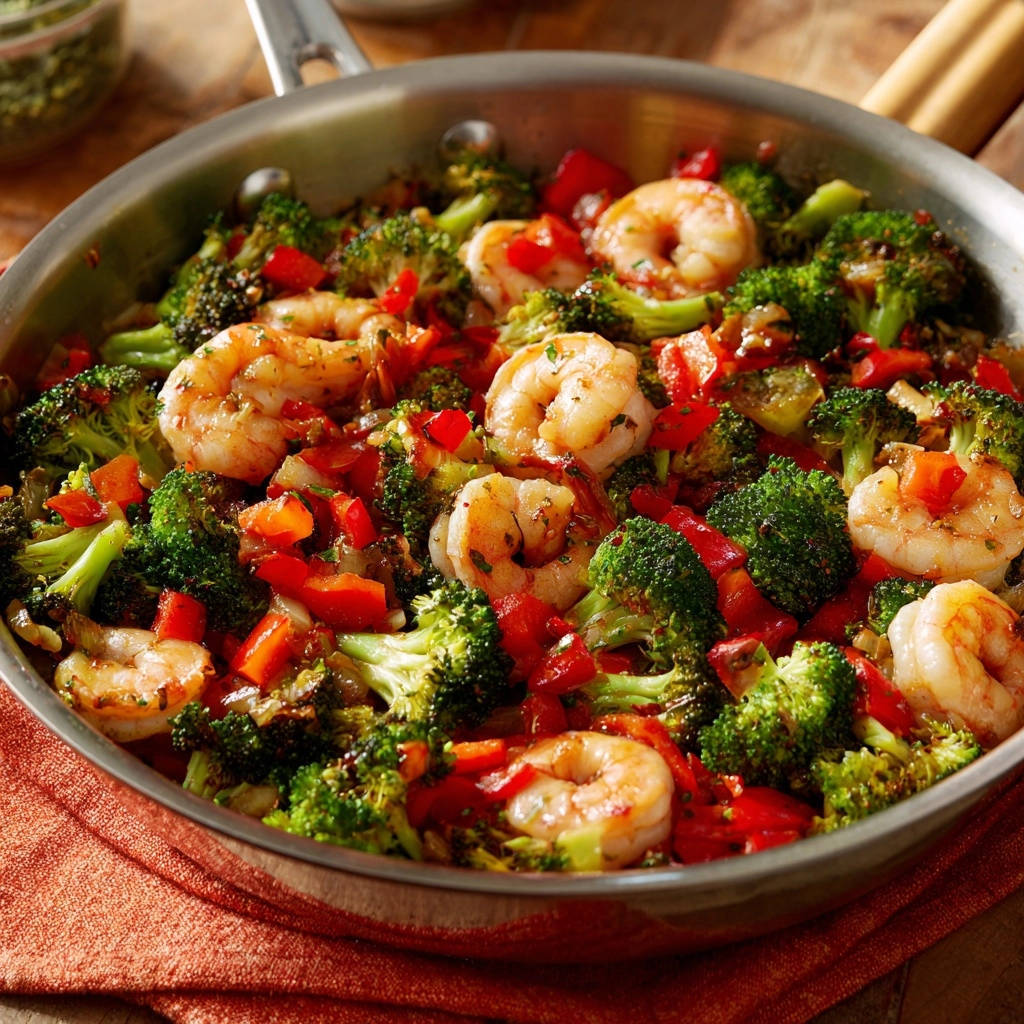
There is truly nothing more frustrating than trying to whip up a quick seafood dinner only to end up with tough, rubbery shrimp. I struggled for years until I perfected this simple two-stage technique for perfectly tender results every time.
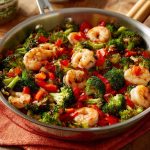
This method guarantees your Spicy Skillet Shrimp and Broccoli is cooked flawlessly, locking in the juice and ensuring incredible texture alongside deeply flavorful vegetables.
Why This Spicy Skillet Shrimp and Broccoli Works (The Texture Difference)
The 25-Minute Dinner Solution
This recipe is designed for maximum flavor delivery in minimal time, requiring only 10 minutes of active prep and 15 minutes of cook time.
It’s the ideal solution for busy weeknights when you still crave a high-quality, delicious, and deeply satisfying seafood meal.
The Key to Perfectly Plump Shrimp: The Sear and Finish Method
The essential technique here is searing the shrimp briefly at high heat to create a textured exterior, then removing them before they fully cook.
This pause prevents the shrimp from overcooking while the vegetables develop their flavor, ensuring the final product remains juicy, plump, and tender.
Maximizing Flavor Depth Through Deglazing
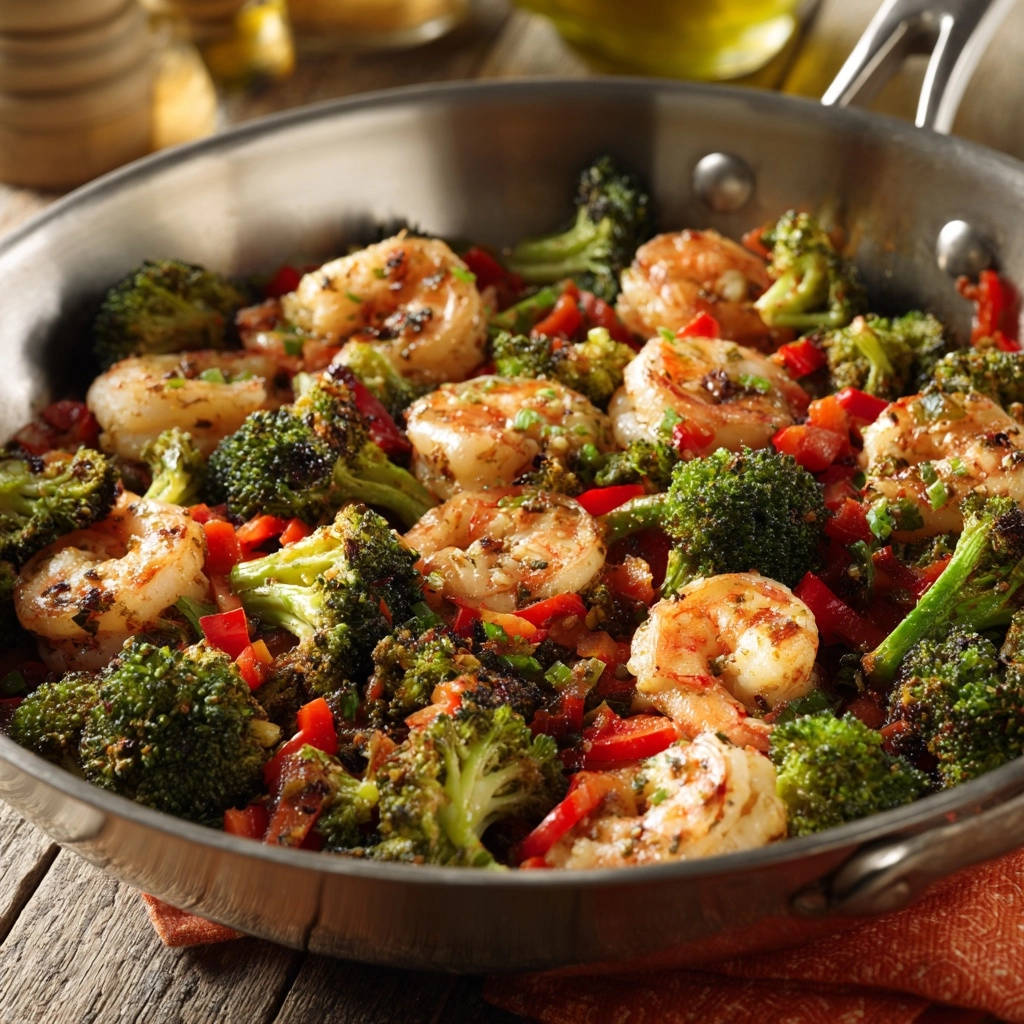
As the shrimp and vegetables cook, flavorful brown bits (known as the fond) adhere to the bottom of the skillet.
Introducing the broth at the end lifts these bits, enriching the sauce and adding complex depth that plain water simply cannot achieve.
Essential Building Blocks: Inside the Flavor Profile
The Star Protein: Selecting and Prepping Shrimp
Always choose large or jumbo shrimp (21/25 count) for the best texture; smaller shrimp tend to overcook too easily in a hot skillet.
Whether using fresh or thawed, the critical preparation step is patting them completely dry with paper towels to ensure a proper sear.
For more tips on achieving tender shrimp, check out this guide to perfectly seared shrimp.
Color, Crunch, and Core Vegetables
We rely on hardy vegetables like broccoli florets and diced red bell pepper that hold up well to high heat searing.
Ensure the broccoli florets are bite-sized and the pepper is uniformly diced for even cooking and optimal crisp-tender texture.
The diced yellow onion or shallot provides a subtle sweetness that builds the foundational aromatic flavor profile.
The Aromatic Boosters: Garlic, Spices, and Heat
Fresh minced garlic is essential but must be cooked quickly to avoid bitterness and keep the flavors bright.
The Italian seasoning blend provides an earthy herbal note that complements the seafood beautifully.
Crushed red pepper flakes allow you to customize the heat level, adding a welcome spicy kick to the final dish.
The Liquid Element: Why Broth (And Not Water) Is Crucial
Broth serves two key functions: first, deglazing the pan to capture flavor, and second, creating a light, savory coating.
Using plain water would dilute the complex spice and aromatic flavors we’ve carefully built into the skillet.
Tools of the Trade: Setting Up Your Skillet Success
The Skillet Choice: Why Cast Iron or Stainless Steel is Non-Negotiable
These materials retain heat excellently and allow the necessary fond (brown bits) to form, which is crucial for flavor development when deglazing. Non-stick skillets often fail to achieve this depth of flavor.
Essential Prep Tools: Sharp Knives and Drying Material
Sharp knives ensure clean, quick vegetable prep. Paper towels are mandatory for thoroughly drying the shrimp, which is the single most important step for achieving a perfect sear.
High-Heat Cooking Oil: Olive Oil vs. Other Options
Olive oil is suitable here because the total cooking time is short and the temperature is generally medium-high. You could substitute avocado oil if you prefer an even higher smoke point.
Mastering the Method: Step-by-Step Guide to Tender Shrimp
-
Preparation and Initial Seasoning:
This is where the magic starts. Ensure the shrimp is dry, as moisture prevents effective searing and will steam the seafood instead.
Toss the dried shrimp with 1 tablespoon of olive oil and partial seasoning, saving some spices for the vegetables later.
-
The Texture Lock-In Sear:
Heat the skillet to medium-high-it must be hot enough for the oil to shimmer and instantly sizzle the shrimp.
Cook for a very short duration (60-90 seconds per side) just until the exterior is pink, but the center is still translucent.
Immediately remove all shrimp from the pan and plate them. This prevents pre-cooking and guarantees tenderness later.
For more tender results, check out this Shrimp and Sausage Skillet recipe.
-
Building the Vegetable Base:
Reduce the heat to medium and add the remaining oil to the hot pan.
Start the tougher vegetables (broccoli and bell pepper) first, cooking them until the broccoli florets start to char slightly, developing deeper, roasted flavor.
-
Infusing Aromatic Flavor:
Push the partially cooked vegetables to one side of the pan and add the diced onion, cooking until translucent.
Introduce the minced garlic, crushed red pepper flakes, and remaining Italian seasoning to the open space.
Stir constantly during this step; burnt garlic will ruin the entire dish. Cook just until fragrant (about 30 seconds).
-
Deglazing and Sauce Creation:
Pour in the chicken broth and immediately scrape the skillet bottom to release the flavor bits (fond).
Allow the liquid to simmer for two minutes to reduce slightly and create a light, cohesive sauce that clings beautifully to the vegetables.
-
The Final Marriage of Flavors:
Return the partially cooked shrimp (and any plate juices) to the skillet.
Toss everything gently to combine and cook for just 1 to 2 minutes.
The goal is simply to finish cooking the shrimp until they are fully opaque pink and heated through. Do not overcook!
Beyond the Recipe Card: Expert Tips for Ultimate Flavor
Maximize the “Skillet Smell”: Don’t clean the pan between searing the shrimp and adding the vegetables. Those leftover bits are essential flavor carriers, contributing to the richness of the final sauce.
Customize the Heat: If you prefer mild heat, use whole red pepper flakes and remove them before serving. For intense spice, finely crush the flakes before adding them to Step 4, allowing their oils to fully infuse the cooking oil.
Consider a Bright Finish: Just before serving the Spicy Skillet Shrimp and Broccoli, squeeze half a lemon over the dish.
The acidity cuts through the richness and brightens the flavor profile, providing a necessary layer of contrast.
Pat, Pat, Pat: The single most important step for tender shrimp is drying them thoroughly.
Excess water steams the shrimp instead of searing them, leading directly to a tough, rubbery texture.
Troubleshooting Your Skillet: Solutions for Common Issues
Why Did My Shrimp Turn Rubbery?
This is almost always due to overcooking. Ensure you stick strictly to the 60-90 second sear time in Step 2, and the 1-2 minute final cook in Step 6.
Shrimp cook incredibly fast; they should be removed from heat the moment they turn opaque pink.
The Sauce Isn’t Sticking to the Vegetables
If the sauce is too watery, you likely need to reduce the broth longer in Step 5.
Increase the heat slightly and cook for an extra minute or two until the liquid clings to the spoon or visibly coats the broccoli florets.
My Vegetables Are Soggy, Not Crisp-Tender
Soggy vegetables often result from overcrowding the skillet, which lowers the temperature and causes steaming.
Ensure you use a large enough skillet (12-inch minimum is recommended) and cook the vegetables over steady medium heat, allowing time for slight charring.
Pairing and Planning: Make-Ahead and Serving Suggestions
Perfect Partners for Spicy Skillet Shrimp and Broccoli
Since the recipe is vegetable-heavy, it pairs wonderfully with plain starches that can soak up the light sauce.
Complementary Dishes to Try
To round out your meal, consider these dishes that pair well with your spicy shrimp and broccoli.
- For another vegetable-forward option, enjoy these Roasted Garlic Mushrooms & Onions, offering a savory depth that complements the shrimp.
- If you’re looking for something with a satisfying crunch, these Crispy Vegetable Fritters provide a delightful texture contrast.
Consider serving it over steamed jasmine rice, fluffy brown rice, or a creamy bed of polenta.
A simple side salad dressed with a bright vinaigrette also complements the dish well, offering a refreshing counterpoint to the spice.
Storage and Reheating Guidelines
Leftovers can be stored in an airtight container in the refrigerator for up to three days.
When reheating, use a low temperature in a skillet and add a splash of broth to prevent the shrimp from drying out and becoming rubbery.
Can I Prep This Dish Ahead of Time?
Yes, you can chop all the firm vegetables (broccoli, bell pepper, onion) up to 24 hours in advance.
Do not season the shrimp until just before cooking, as salt draws moisture out, which hinders the essential searing process.
Frequently Asked Questions About Skillet Seafood
Can I Add Other Vegetables, Like Mushrooms or Zucchini?
Absolutely. If adding faster-cooking vegetables like mushrooms or zucchini, wait until Step 4 (when you add the onion and garlic) so they don’t overcook.
Ensure they are sliced thinly to integrate quickly into the cooking time.
Is There a Non-Spicy Version of This Recipe?
Yes. Simply omit the crushed red pepper flakes entirely.
The Italian seasoning, garlic, and savory broth still provide plenty of robust flavor without relying on any heat.
I Don’t Have Chicken Broth. What Should I Use?
You can substitute the chicken broth with vegetable broth or a white grape juice for deglazing (which adds excellent complexity).
If using grape juice, ensure it reduces completely and the alcohol evaporates before proceeding to Step 6.
Ready to Impress? Share Your Spicy Skillet Masterpiece!
This quick and flavorful Spicy Skillet Shrimp and Broccoli is proof that simple weeknight meals can still deliver restaurant-quality results, especially when you master the critical step of perfectly cooked, tender shrimp.
We encourage you to try this technique tonight. Don’t forget to leave a rating and share your success with us!
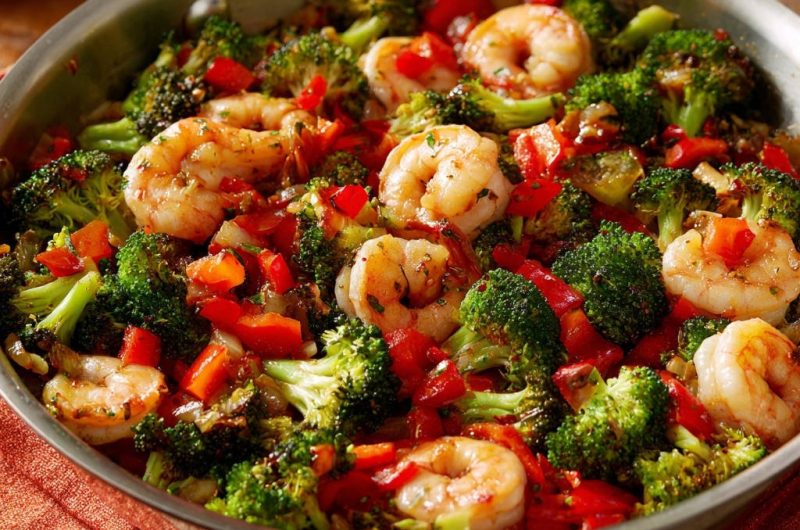
Spicy Skillet Shrimp and Broccoli
Course: Main CourseCuisine: InternationalDifficulty: easy4
servings10
minutes15
minutes240
kcal25
minutesThis quick method ensures your shrimp stay perfectly plump and tender every single time. Combining savory Italian seasoning with a hint of red pepper flakes, this skillet dinner is ready in under 30 minutes.
Ingredients
1 pound large shrimp, peeled and deveined (fresh or thawed)
4 cups broccoli florets, bite-sized
1 large red bell pepper, diced
1 small yellow onion or shallot, finely diced
2 cloves garlic, minced
3 tablespoons olive oil, divided
1 teaspoon Italian seasoning blend
1/2 teaspoon crushed red pepper flakes (or to taste)
Salt and black pepper to taste
1/4 cup chicken or vegetable broth (non-alcoholic)
Directions
- Preparation and Seasoning: Ensure shrimp are completely thawed and pat them thoroughly dry using paper towels. This step is essential for proper searing. Toss the dry shrimp in 1 tablespoon of olive oil, 1/4 teaspoon salt, black pepper, and 1/2 teaspoon of the Italian seasoning. Set aside.
- Sear the Shrimp (The Texture Lock-In): Heat a large stainless steel or cast iron skillet over medium-high heat until hot. Add 1 tablespoon of olive oil. Once shimmering, add the seasoned shrimp in a single layer. Cook for just 60 to 90 seconds per side until they just start to turn pink and curl slightly, but are not fully cooked through. Immediately remove all shrimp from the pan and place them on a clean plate. Leave any oil or residue in the skillet.
- Cook the Vegetables: Reduce the heat to medium. Add the remaining 1 tablespoon of olive oil to the hot pan. Add the broccoli florets and diced red bell pepper. Cook, stirring occasionally, for 4 minutes until the broccoli begins to tenderize and char lightly in spots.
- Build Flavor: Push the vegetables to one side of the pan. Add the diced onion and cook for 2 minutes until translucent. Add the minced garlic, crushed red pepper flakes, and remaining 1/2 teaspoon of Italian seasoning. Cook for 30 seconds until fragrant, stirring constantly to prevent the garlic from scorching.
- Deglaze and Finish: Pour the chicken broth into the pan and scrape up any flavorful brown bits stuck to the bottom. Bring to a gentle simmer. Cook for 2 more minutes until the liquid has reduced slightly and coated the vegetables.
- Reintroduce the Shrimp: Return the partially cooked shrimp, along with any juices collected on the plate, to the skillet. Toss everything gently to combine. Cook for 1 to 2 minutes only, just until the shrimp are opaque pink and fully heated through. Serve immediately.
Notes
- The crucial step is searing the shrimp briefly before adding vegetables, preventing them from becoming rubbery.