You know that feeling when you’re trying to recreate your favorite stir-fried noodles at home, and they just… stick together, turning into a clumpy mess? I’ve certainly been there!
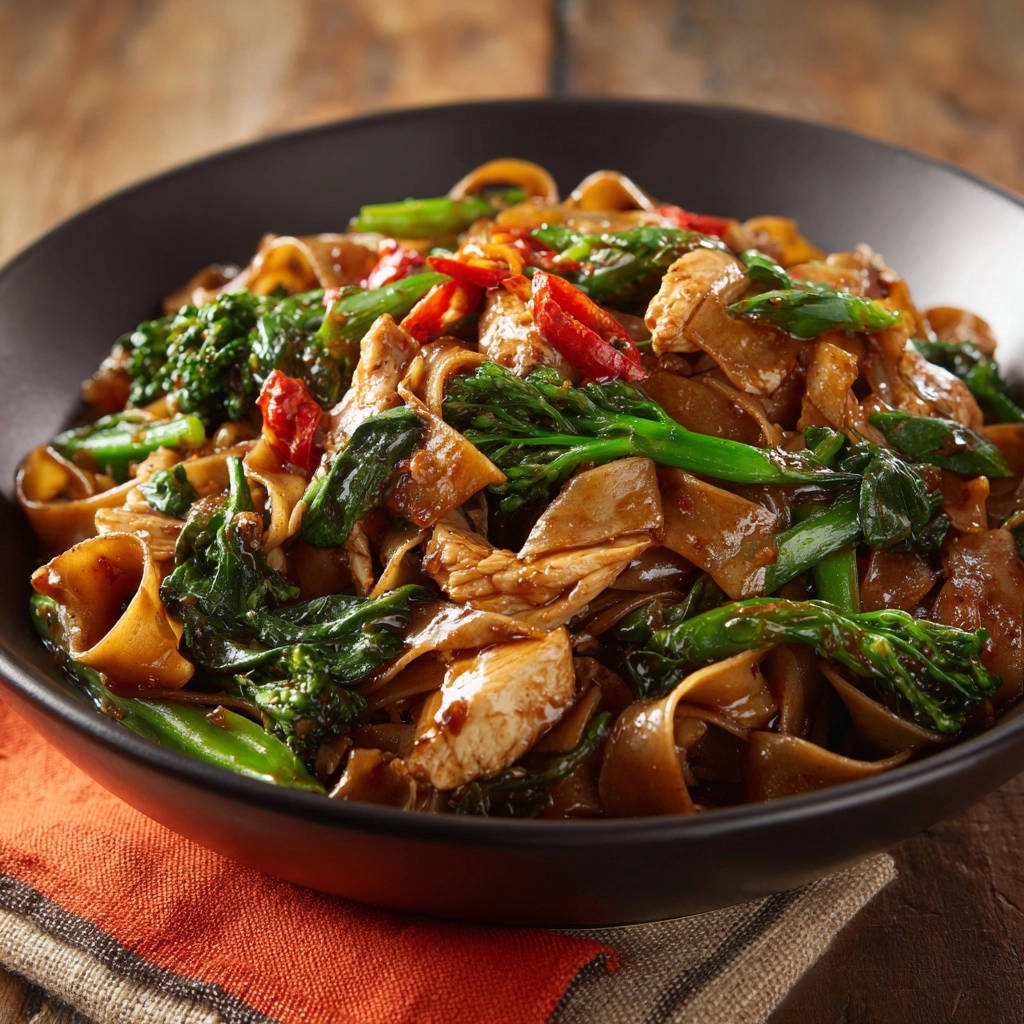
But I’ve cracked the code to achieving perfectly separated, wonderfully chewy noodles every single time, and I’m sharing all my secrets here. This ultimate recipe for Stir-Fried Chicken Noodles delivers a vibrant, flavorful dish where every strand is delightfully independent and coated in an irresistible sauce.
Why This Stir-Fried Chicken Noodles Recipe Stands Out (No More Clumpy Noodles!)
This recipe isn’t just another weeknight meal; it’s a testament to simple techniques that yield extraordinary results. The secret to our perfectly separated noodles lies in a two-part approach: proper noodle preparation with oil, and a final vigorous toss at high heat.
We focus on authentic, balanced flavors that come together quickly, making this a reliable and family-friendly option. You’ll achieve that ideal tender-crisp texture in your vegetables and succulent chicken without any guesswork.
Gather Your Culinary Arsenal: Key Ingredients for Success
Every great dish begins with quality ingredients, and understanding their role elevates your cooking.
The Heart of the Dish: Perfecting Your Noodles
Fresh wide rice noodles are the star, offering a delightful chew and generous surface area for absorbing the sauce.
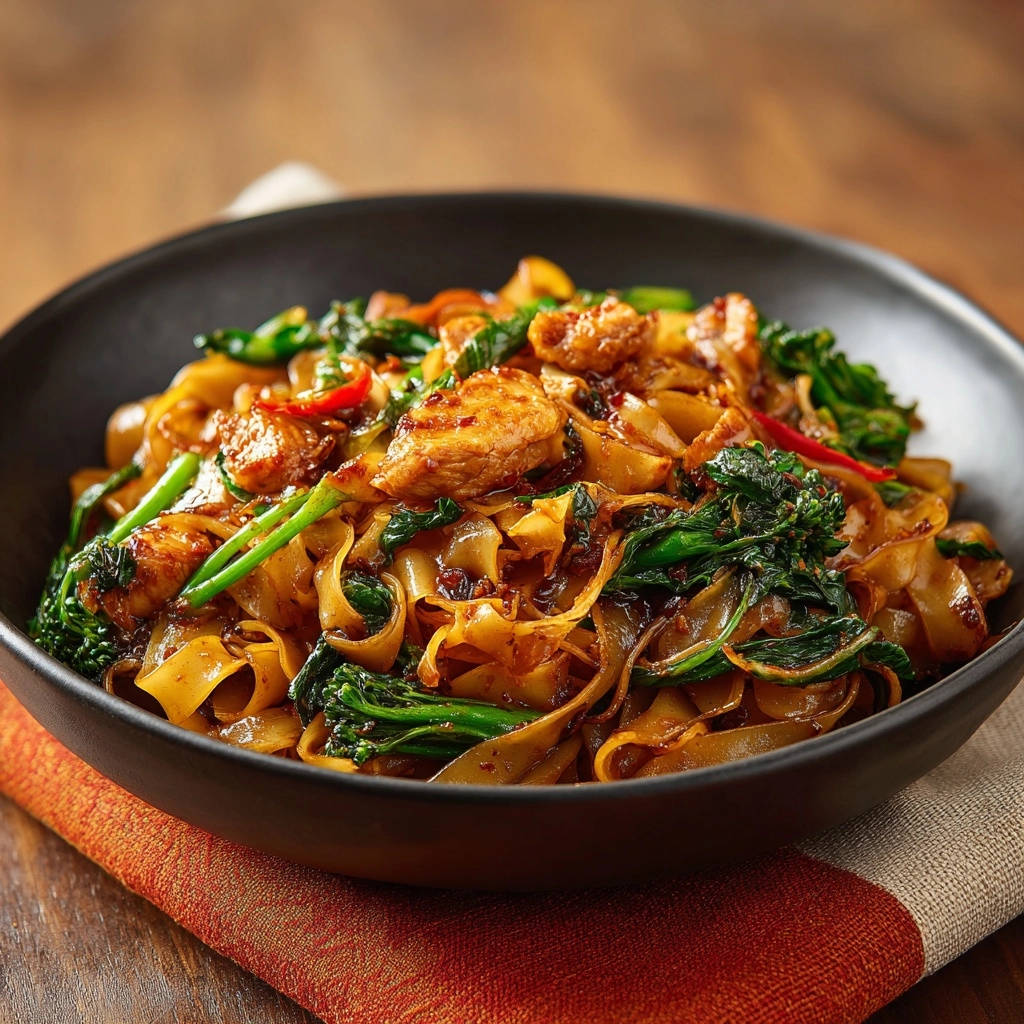
Our initial preparation technique ensures they remain perfectly separated and never clumpy, creating the ideal foundation for your stir-fry.
Succulent Chicken: Prepping Your Protein
Boneless, skinless chicken breast is chosen for its quick cooking time and ability to absorb flavors beautifully.
Thin slicing ensures even cooking, while a brief pre-seasoning infuses tender, flavorful bites into every forkful of your Stir-Fried Chicken Noodles.
Vibrant Vegetables: Freshness and Crunch
Broccolini adds a delightful crisp-tender texture and a fresh, slightly earthy note to the dish.
Fresh spinach wilts perfectly into the stir-fry, contributing valuable nutrients and a pop of vibrant color. Fresh chili peppers are optional but deliver a fantastic, customizable kick, allowing you to tailor the heat to your preference.
The Umami Symphony: Crafting the Signature Sauce
Soy sauce forms the savory, salty backbone of our sauce, a cornerstone of classic stir-fry flavor.
Oyster sauce (or a vegetarian mushroom sauce) deepens the umami, adding complexity and a glossy finish. Brown sugar balances the saltiness with a touch of sweetness, creating a harmonious flavor profile.
Finally, cornstarch is the critical secret to a perfectly emulsified sauce that clings beautifully to every noodle and ingredient, preventing it from being watery.
Essential Tools for Your Stir-Frying Adventure
Having the right equipment makes all the difference for a successful stir-fry.
A large wok or a heavy-bottomed skillet is crucial. Its wide surface and high sides allow for high-heat cooking and easy tossing, ensuring ingredients cook evenly without steaming.
Tongs or two spatulas are indispensable for the final vigorous toss. These tools are key to our “no-clump” promise, ensuring the noodles are fully separated and coated.
Wok Wisdom: Step-by-Step to Stir-Fried Chicken Noodles Mastery
Noodle Prep: The Non-Stick Secret Begins
Gently separate fresh wide rice noodles by hand. If they feel particularly stiff, a brief 5-minute soak in warm water can help them become pliable, but be careful not to over-soak them or they will become mushy.
Crucially, toss the separated noodles with 1 tablespoon of neutral oil. This initial oil coating is a foundational step that prevents sticking, ensuring each noodle remains beautifully independent throughout the cooking process.
Chicken Prep: Seasoning for Flavor
Thinly slice the boneless, skinless chicken breast against the grain for tender results and quick cooking.
In a medium bowl, toss the sliced chicken with 1 teaspoon of soy sauce. This pre-seasoning infuses flavor from the very beginning and helps to tenderize the meat.
Sauce Assembly: Whisking to Perfection
In a small bowl, whisk together the soy sauce, oyster sauce (or vegetarian mushroom sauce), brown sugar, cornstarch, and water until the mixture is completely smooth.
This ensures the cornstarch is fully dissolved, preventing any lumps and guaranteeing a silky, consistent sauce that will coat your noodles beautifully.
The Stir-Fry Sequence: High Heat, Quick Moves
Heat a large wok or skillet over high heat until it just begins to smoke. This extremely high temperature is vital for true stir-frying, creating that desirable “wok hei” flavor and preventing soggy ingredients.
Add 1 tablespoon of neutral oil, then quickly add the minced garlic and the seasoned sliced chicken. Stir-fry briskly for 2-3 minutes, just until the chicken is cooked through and lightly browned on the edges.
Promptly remove the cooked chicken and garlic from the wok and set them aside. This prevents the chicken from overcooking and becoming dry.
Veggie Vitals: Achieving Crisp-Tender Goodness
Add the broccolini to the hot wok and stir-fry for 3-4 minutes, maintaining high heat, until it is crisp-tender. You want it vibrant and slightly softened, but with a good bite.
Next, add the fresh spinach and sliced chili peppers (if you’re using them) and stir-fry for just 1 minute until the spinach barely wilts. Overcooking these quick-cooking greens would make them soggy.
The Grand Finale: Uniting Flavors for That Perfect Toss
Return the cooked chicken and garlic to the wok with the vegetables. Add the prepared, oil-tossed noodles, spreading them out evenly.
Pour the whisked sauce evenly over everything. This ensures every component of your Stir-Fried Chicken Noodles is thoroughly coated in the savory, slightly sweet glaze.
The Final Key: Using tongs or two spatulas, toss the noodles vigorously with the chicken, vegetables, and sauce for 2-3 minutes. Keep the wok moving and spread the noodles out against the hot surface as you toss. This high-heat, quick movement prevents steaming, encourages a slight caramelization, and is the secret to achieving perfectly separated, chewy, and non-gummy noodles.
Chef’s Notes & Pro Tips: Elevating Your Stir-Fried Chicken Noodles
The Crucial “No-Stick” Noodle Trick: Don’t skip tossing your fresh rice noodles with oil before stir-frying. This creates a vital barrier that prevents them from clumping together, ensuring they remain beautifully separated throughout the dish, absorbing the sauce perfectly.
Mastering Wok Heat for Optimal Sautéing: Always ensure your wok or skillet is piping hot before adding oil and ingredients. High heat is essential for a true stir-fry, allowing ingredients to sear quickly and caramelize, rather than steam, which can lead to dull flavors and textures.
Preventing Soggy Veggies: Timing is Everything: Add vegetables with different cooking times in stages. Hardy vegetables like broccolini go in first to soften, while quick-wilting greens like spinach are added last, ensuring everything reaches crisp-tender perfection without becoming overcooked.
Customizing Your Heat: Chili Power: The red chili peppers are optional, allowing you to tailor the spice level precisely to your preference. For more heat, feel free to add an extra pepper or a pinch of chili flakes. For a milder dish, simply omit them completely.
Don’t Overcrowd the Wok: Stir-fry in batches if necessary, especially if you have a smaller skillet. Overcrowding significantly lowers the wok’s temperature, leading to steaming instead of searing, which can result in mushy ingredients and a less flavorful stir-fry overall.
Troubleshooting Common Stir-Fry Snags
Even expert cooks encounter small challenges; here’s how to overcome them for perfect Stir-Fried Chicken Noodles.
“My Noodles Are Sticking!”
Ensure you’ve tossed your fresh rice noodles thoroughly with oil before they even hit the wok, as detailed in Step 1. Also, verify your wok is searingly hot and that you are tossing vigorously during the final combining step to prevent any clumping.
“My Chicken is Dry!”
Overcooking is the usual culprit here. Stir-fry the chicken for only 2-3 minutes until it’s just cooked through and lightly browned, then remove it from the wok promptly. It will finish cooking slightly when added back in with the sauce and noodles.
“My Sauce is Too Thin/Thick!”
If your sauce is too thin, double-check that your cornstarch was fresh and fully dissolved when you whisked the sauce. For a quick fix, whisk a tiny bit more cornstarch with an equal amount of cold water and add it to the simmering sauce, stirring constantly until it reaches your desired consistency. If it’s too thick, a splash of water or chicken broth can easily thin it out.
Serving, Storing, and Beyond: Maximizing Your Stir-Fry Enjoyment
Your delicious Stir-Fried Chicken Noodles are ready to be savored.
Creative Serving Suggestions
While delicious on its own, your Stir-Fried Chicken Noodles can be elevated with a sprinkle of toasted sesame seeds, chopped fresh cilantro, or a drizzle of sriracha for extra zing. For another quick and satisfying chicken meal with an irresistible glaze, check out our Sticky Glazed Chicken and Rice recipe.
Best Practices for Storing Leftovers
Store any leftover Stir-Fried Chicken Noodles in an airtight container in the refrigerator for up to 3 days. When reheating, gently warm them in a wok or microwave, adding a splash of water or broth to loosen the noodles if needed, to restore their perfect texture.
Can You Prep This Dish Ahead?
Yes, you can certainly prep some components ahead of time to make mealtime even faster! Slice the chicken and prepare the sauce up to 1 day in advance, storing them separately in airtight containers in the refrigerator. This significantly cuts down on cook time when you’re ready to make the dish.
Stir-Fried Chicken Noodles FAQs
What kind of noodles are best for this recipe?
Fresh wide rice noodles are highly recommended for their authentic texture and superb ability to absorb the sauce. You can often find them in the refrigerated section of Asian grocery stores. For another fantastic noodle experience, consider trying our easy Vietnamese Noodle Salad recipe, which also uses careful noodle preparation for the best texture.
Can I use different vegetables in my stir-fry?
Absolutely! This recipe is incredibly versatile and welcomes your favorite quick-cooking vegetables. Feel free to substitute broccolini and spinach with options like bell peppers, snap peas, bok choy, mushrooms, or carrots, adjusting cooking times according to their firmness. If you’re looking for more inspiration on incorporating fresh produce into hearty meals, explore our Beef Veggie Stir-Fry Bowl for diverse options.
Is there a gluten-free option for Stir-Fried Chicken Noodles?
Yes, making this recipe gluten-free is simple! Just ensure you use gluten-free soy sauce (tamari) and a gluten-free oyster sauce (or a gluten-free vegetarian mushroom sauce). Fresh rice noodles are naturally gluten-free, but it’s always wise to double-check the package to be absolutely certain.
How spicy is this recipe?
The recipe as written with two red chili peppers provides a moderate, pleasant heat that enhances the flavors without overpowering them. For a milder dish, simply reduce the amount of chili peppers or omit them entirely. For extra spice, you can easily add more chilies or a dash of chili oil when serving.
Ready to Get Cooking? Share Your Culinary Triumph!
Now that you’re armed with the secrets to perfectly separated, wonderfully chewy Stir-Fried Chicken Noodles, it’s time to create your own masterpiece in the kitchen. This recipe promises not just a meal, but a culinary triumph that will impress your family and friends with its vibrant flavors and professional-looking results.
Don’t forget to share your delicious creations with us in the comments below, or tag us on social media. We can’t wait to see your stir-fry success!
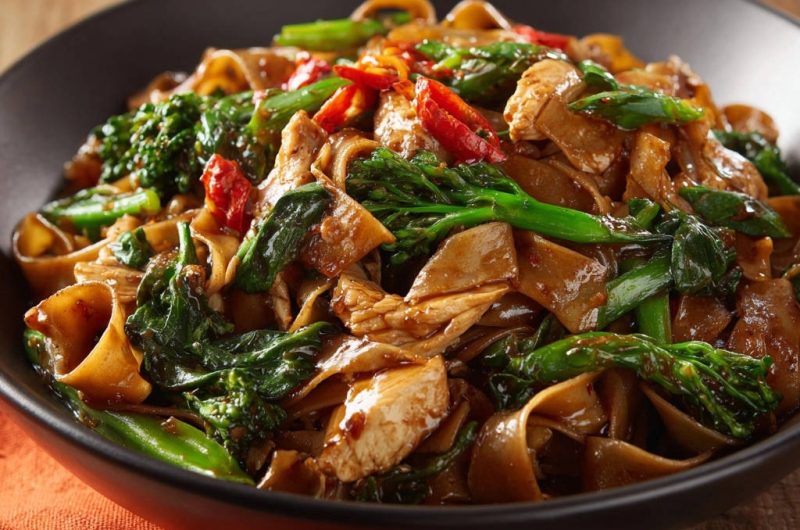
Stir-Fried Chicken Noodles
Course: Main CourseCuisine: AsianDifficulty: easy4
servings20
minutes15
minutes550
kcal35
minutesTired of clumpy stir-fried noodles? This recipe reveals a simple trick to achieve perfectly separated, wonderfully chewy noodles with tender chicken and crisp vegetables every single time. Enjoy a flavorful, easy-to-make dish that rivals your favorite takeout.
Ingredients
1 pound fresh wide rice noodles
1 pound boneless skinless chicken breast, thinly sliced
2 tablespoons neutral oil, divided
2 cloves garlic, minced
1 head broccolini, cut into florets and thin stems
1 cup fresh spinach or similar leafy green
2 red chili peppers, thinly sliced (optional, for heat)
For the Sauce:
1/4 cup soy sauce
2 tablespoons oyster sauce (or vegetarian mushroom sauce)
1 tablespoon brown sugar
1 teaspoon cornstarch
2 tablespoons water
Directions
- Prepare the noodles: If using fresh wide rice noodles, gently separate them by hand. If they feel very stiff, briefly soak them in warm water for 5 minutes, then drain thoroughly and gently separate. The key is to get them pliable but still firm. Do not oversoak or boil them. Toss the separated noodles with 1 tablespoon of neutral oil to prevent sticking.
- Prepare the chicken: In a medium bowl, toss the sliced chicken with 1 teaspoon of soy sauce.
- Make the sauce: In a small bowl, whisk together the soy sauce, oyster sauce, brown sugar, cornstarch, and water until smooth. Set aside.
- Stir-fry: Heat a large wok or skillet over high heat until it just begins to smoke. Add 1 tablespoon of neutral oil. Add the minced garlic and sliced chicken and stir-fry for 2-3 minutes until the chicken is cooked through and lightly browned. Remove the chicken and garlic from the wok and set aside.
- Cook vegetables: Add the broccolini to the hot wok and stir-fry for 3-4 minutes until crisp-tender. Add the spinach and chili peppers (if using) and stir-fry for 1 minute until the spinach wilts.
- Combine everything: Return the chicken and garlic to the wok. Add the prepared noodles. Pour the sauce over everything.
- The final toss for perfect noodles: Using tongs or two spatulas, toss the noodles vigorously with the chicken, vegetables, and sauce for 2-3 minutes. This high-heat, quick toss ensures the sauce coats evenly and the noodles cook perfectly without clumping. Keep the wok moving and spread the noodles out against the hot surface as you toss to prevent steaming and encourage a slight caramelization, which also helps keep them separate and chewy, not gummy.
- Serve immediately: Transfer to bowls and enjoy your perfectly separated, flavorful noodles!
Notes
- The key to perfectly separated noodles is to gently prepare them and then perform a vigorous high-heat toss at the end.