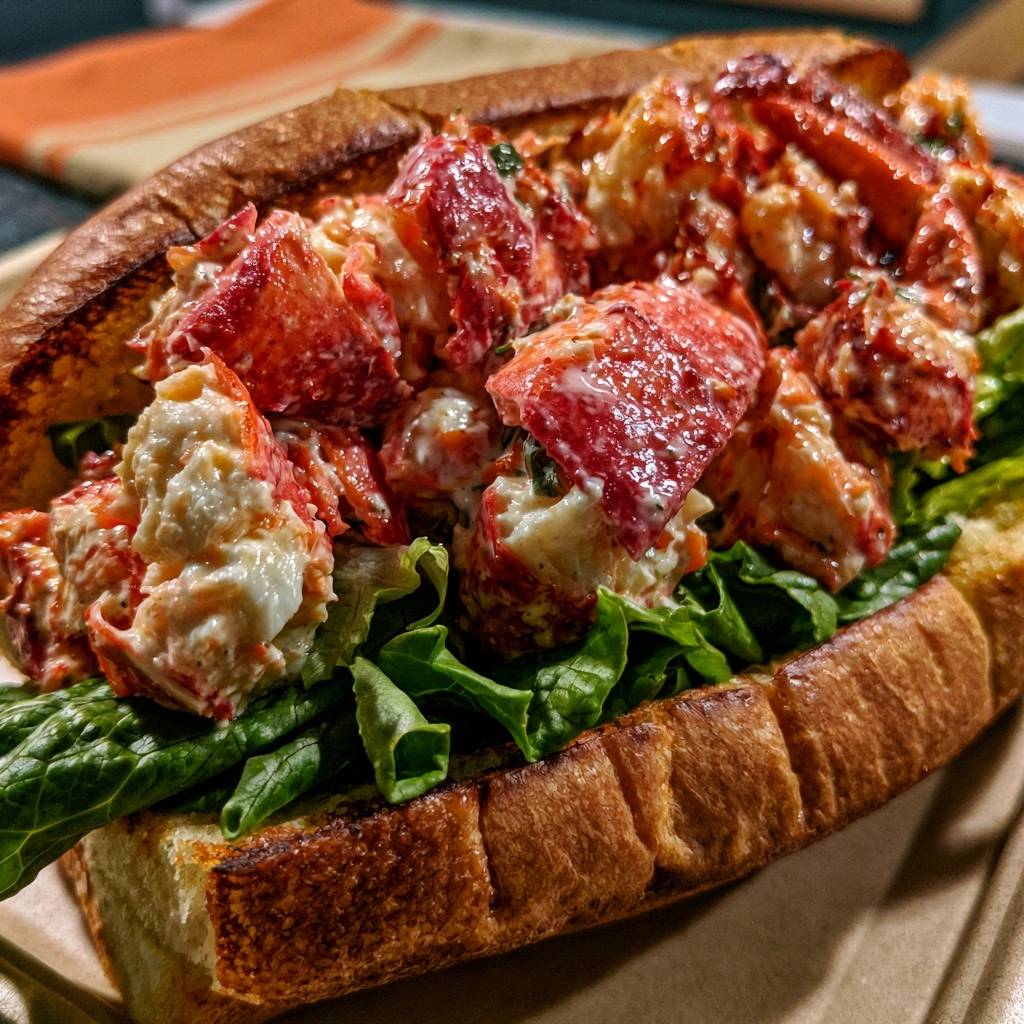
Imagine biting into a cloud of warm, buttery brioche that shatters with a distinct crunch, only to reveal a mountain of chilled, succulent lobster meat underneath. The contrast is intoxicating. However, most home cooks face a heartbreaking reality when they try to recreate this at home: the expensive lobster meat releases moisture, turning that beautiful bun into a soggy, falling-apart mess within minutes. It’s a culinary tragedy that ruins the premium experience you’re paying for.
The secret to a restaurant-quality result isn’t just the freshness of the seafood; it’s the engineering of the sandwich itself. By using my “Double-Barrier Technique,” you create a structural fortress that protects the bread from the dressing. This method ensures that the last bite is just as crisp and satisfying as the first, maintaining that iconic boardwalk texture you crave.
I’ve found that the real trick lies in how you treat the fats in your dressing. Most people just toss lobster in mayo and call it a day. But if you whisk a little melted butter into your cold mayonnaise, the emulsion stabilizes and “sets” when it hits the chilled lobster. This prevents the dressing from weeping into the bread fibers, keeping the salad creamy and the bun bone-dry.
Anatomy of the Ultimate Creamy Lobster Roll
A truly great lobster roll is an architectural feat that balances temperature, texture, and flavor. You aren’t just making a sandwich; you’re managing a delicate interaction between a hot, toasted exterior and a cold, refreshing interior. This temperature contrast is what makes the lobster feel even sweeter and more luxurious on the palate.
The structure relies on the “Double-Barrier” approach. First, we create a physical seal on the bread using a heavy butter-sear. Second, we use a moisture-wicking layer of fresh greens. When these two elements work together, they allow the lobster to sit high and proud without compromising the integrity of the brioche. It’s the difference between a sloppy snack and a professional-grade meal.
Selecting Premium Lobster Meat
For the Ultimate Creamy Lobster Roll, you want a mix of claw and knuckle meat. While the tail is iconic, it can sometimes be a bit too firm or rubbery when served cold in a salad. Knuckles are the unsung heroes of the lobster world; they are incredibly tender and have a craggy surface area that holds onto the dressing perfectly.
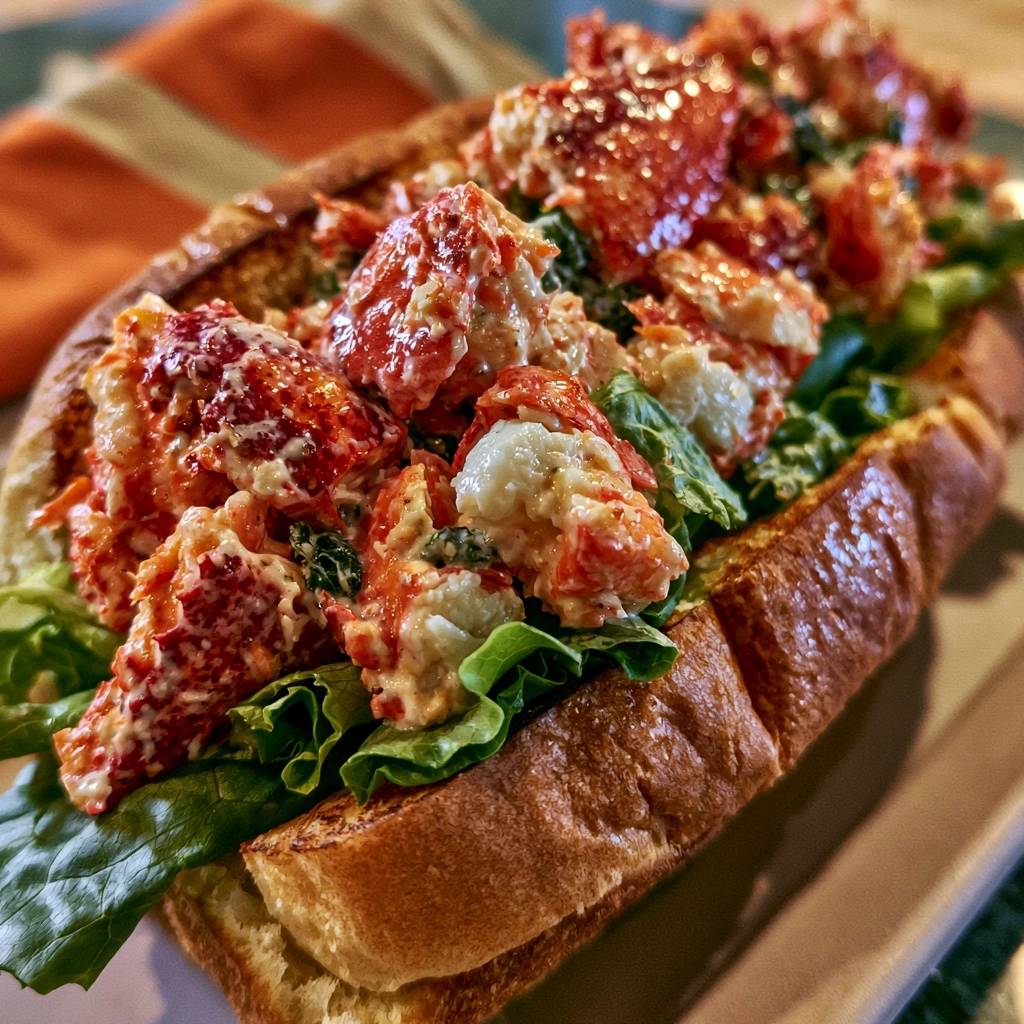
If you’re buying fresh, look for meat that smells like a clean ocean breeze, never “fishy.” If you’re using high-quality frozen lobster, ensure it is fully thawed in the refrigerator overnight. Regardless of the source, the meat must be handled gently to keep those beautiful, large claw shapes intact for the final presentation.
The Role of Top-Split Brioche
The top-split bun, often called a New England-style roll, is non-negotiable for this recipe. Because it has flat, exposed sides rather than a crusty exterior, you can butter and toast the entire side of the bun. This creates a much larger surface area for caramelization compared to a standard side-split hot dog bun.
Brioche is the ideal vessel because of its high egg and sugar content. When that sugar hits a hot skillet with butter, it undergoes the Maillard reaction, creating a mahogany-colored crust that tastes like toasted nuts. This crust isn’t just for flavor; it acts as the first waterproof seal for your sandwich.
Essential Components for the Creamy Dressing
The dressing should never drown the lobster. Instead, think of it as a velvet coating that enhances the natural sweetness of the meat. Using a high-quality, heavy-duty mayonnaise is essential here because it provides the thick, creamy base needed to suspend the aromatics without becoming runny.
You want enough dressing to make the lobster look glossy and rich, but not so much that it pools at the bottom of the bowl. The goal is a cohesive mixture where every nook and cranny of the knuckle meat is filled with flavor. When you get the ratio right, the lobster remains the star, and the dressing acts as the perfect supporting character.
Why Melted Butter Changes the Emulsion
This is the technical “Anti-Soggy” secret that separates amateurs from pros. When you whisk a tablespoon of melted butter into cold mayonnaise, you’re creating a hybrid fat base. As the dressing is folded into the cold lobster meat, the butter begins to firm up slightly due to the drop in temperature.
This slight firming action stabilizes the emulsion. It prevents the lemon juice and lobster juices from separating and soaking into the bread. Instead of a thin liquid that “weeps,” you get a thick, stable coating that stays exactly where you put it. It’s a simple chemistry trick that makes a massive difference in the final texture.
Balancing Acidity and Aromatics
Lemon is vital, but we use it in two ways to maximize impact. The lemon juice provides the immediate “zing” that cuts through the rich mayo, while the zest provides the floral, aromatic oils that linger on the tongue. This dual approach ensures the roll tastes bright and fresh rather than just sour.
Celery salt is the secret ingredient that provides that “classic boardwalk” flavor profile. It adds a savory, herbal depth that plain salt just can’t match. Finally, a tiny pinch of smoked paprika isn’t there to make it spicy; it’s there to provide a subtle earthy undertone and a beautiful coral hue that complements the lobster’s natural color.
The Science of the Structural Barrier
To understand why buns get soggy, you have to look at the physics of the bread. Brioche is like a sponge; its porous structure is designed to soak up liquids. When you pile wet lobster salad onto it, the moisture migrates into those pores via capillary action, turning the bread into mush.
Our two-step prevention method stops this migration in its tracks. By searing the bread in butter, we fry the outer fibers, creating a crisp, fatty shield. Then, by adding a physical liner, we ensure that no liquid ever makes direct contact with the interior of the bun. It’s a fail-proof system for a perfect crunch.
Creating the Caramelized Butter Crust
Forget the toaster oven for this recipe. You need the direct, conductive heat of a flat skillet or griddle. By spreading softened butter directly onto the sides of the bun and pressing them into the hot pan, you are essentially “frying” the bread. This creates a dense, golden crust that is much more moisture-resistant than dry-toasted bread.
Keep the heat at a steady medium. You want the butter to sizzle and the bread to turn a deep, even golden brown. If the heat is too high, the sugar in the brioche will burn before the crust has a chance to form. You’re looking for a texture that feels firm and “crisp to the touch” when you tap it with a spatula.
The Romaine Lettuce Waterproof Liner
The lettuce in this roll isn’t just a garnish or a way to add “health.” It serves a vital functional purpose as a waterproof liner. A large, dry leaf of Romaine acts as a physical barrier between the lobster salad and the bread. Even if the dressing tries to migrate, it hits the waxy surface of the lettuce and stops.
Choose the sturdiest, greenest parts of the Romaine heart. Trim the thick center rib if it’s too bulky so the leaf can tuck neatly into the bun. Make sure the lettuce is bone-dry before assembly; any water clinging to the leaves will defeat the purpose and cause the very sogginess we’re trying to avoid.
Step-by-Step: Constructing the Ultimate Creamy Lobster Roll
Achieving perfection requires a bit of precision during the assembly phase. You’ve spent good money on the lobster, so taking an extra few minutes to handle it correctly is worth the effort. Follow these phases to ensure your rolls look and taste like they came from a high-end coastal shack.
Phase 1: Preparing the Lobster Chunks
Before you even think about the dressing, take your lobster meat and pat it thoroughly dry with paper towels. Excess water is the absolute enemy of a creamy emulsion. If the lobster is wet, the mayo won’t stick to it, and you’ll end up with a watery mess at the bottom of your bowl.
Once dry, cut the meat into large, one-inch chunks. You want the pieces to be substantial enough that you can actually identify the lobster. If you chop it too finely, it turns into a generic seafood salad. Keep those beautiful claw tips whole; they are the visual “money shot” of the entire dish.
Phase 2: Whisking the Stabilized Dressing
In a medium bowl, whisk your mayo, lemon juice, zest, and spices until smooth. Slowly drizzle in the melted butter while whisking constantly to create a thick, glossy emulsion. This is the base that will hold everything together. It should look rich and ivory-colored with flecks of red paprika and yellow zest.
Fold in the finely chopped chives at the very last second. Chives are delicate, and if you over-mix them, they can bruise and bleed green into your white dressing. By folding them in gently at the end, you keep their flavor sharp and their color vibrant against the creamy backdrop.
Phase 3: The Precision Toasting Technique
Apply your softened butter to the buns with a generous hand. You want an even coating from edge to edge. Place them in the skillet and don’t move them for at least two minutes. You’re waiting for that perfect mahogany sear to develop. Use a spatula to press down slightly, ensuring the entire surface makes contact with the heat.
When you flip them, the sides should be rigid and make a “scritch” sound when you run a fingernail over them. This is the sign of a perfect sear. Let the buns cool for about sixty seconds before assembling. If they are screaming hot, they might wilt the lettuce liner too quickly.
Phase 4: Assembly and Stacking
Tuck your dry Romaine leaf into the toasted bun, making sure it covers the bottom “seam” of the roll. Now, start filling. Place the smaller knuckle pieces in the bottom of the bun first. These act as a foundation. They fill the gaps and ensure that every single bite of the sandwich contains lobster.
Finally, take those large, intact claw pieces and stack them right on top. This “High-Pile” technique creates that iconic, overflowing look. The claws should be the first thing you see. This presentation isn’t just for show; it ensures the most tender meat hits your palate first, followed by the crunch of the bun.
Troubleshooting Common Texture Issues
Even with the best ingredients, things can go wrong. If your dressing looks like it’s breaking or becoming oily, it’s likely because the lobster was too warm when you mixed it. You can usually fix this by popping the whole bowl of lobster salad into the fridge for ten minutes to let the fats firm back up.
If you find your lobster is a bit too salty (which can happen with some pre-cooked varieties), increase the amount of lemon zest and chives. The bright, herbal notes will help mask the saltiness without needing to add more liquid. If the bun is too crunchy and shatters, you likely toasted it over heat that was too low for too long; next time, go slightly higher and faster.
Managing Moisture in Frozen Lobster
Frozen lobster meat often holds a lot of “purge” or internal liquid. After thawing, place the meat in a colander and let it sit for ten minutes. Then, spread it out on a sheet pan lined with triple-thick paper towels. Press down gently with more towels on top. You’ll be surprised how much liquid comes out.
Removing this internal moisture is the only way to ensure the dressing stays thick. If you skip this, the lobster will “leak” inside the bun as you eat it, bypassing your lettuce barrier and ruining the bread. Dry lobster is the secret to a stable, creamy roll that stays together until the very last bite.
Adjusting Consistency for Humidity
On a very hot or humid day, mayonnaise and butter can soften quickly. If your dressing looks a bit loose or “runny” after mixing, don’t panic. Place the bowl in the refrigerator for 15 minutes before you fill the buns. This allows the butter in the dressing to solidify slightly, giving you that perfect, “set” consistency.
You can also chill your mixing bowl before you start. A cold bowl helps keep the emulsion stable while you’re whisking. These small temperature adjustments are what professional chefs use to ensure consistency regardless of the weather or the kitchen environment.
Optimal Side Dishes for Seafood Rolls
Because the Ultimate Creamy Lobster Roll is so rich and buttery, you need side dishes that provide a sharp contrast. You want something that cleanses the palate and prepares you for the next decadent bite. Avoid heavy, creamy sides like macaroni salad, which can make the whole meal feel too weighted down.
The classic pairing is a simple bag of kettle-cooked potato chips. The extra-hard crunch of the chips mimics the crunch of the toasted brioche, while the salt enhances the sweetness of the lobster. It’s a simple, timeless combination that works because it doesn’t compete with the main event.
Vinegar-Based Slaws vs. Creamy Sides
If you want a vegetable side, go for a vinegar-based coleslaw rather than a mayo-based one. A slaw dressed in apple cider vinegar, sugar, and celery seed provides a bright, acidic punch that cuts right through the fat of the lobster roll. It acts as a “reset” button for your taste buds.
Pickled red onions or a simple cucumber salad with plenty of dill also work beautifully. The goal is to provide a sharp, crisp texture and a high level of acidity. This balance makes the lobster taste even richer and more luxurious by comparison.
Non-Alcoholic Botanical Pairings
To keep the flavors clean, look for drinks with botanical or citrus notes. A sharp ginger beer is a fantastic choice; the spicy heat of the ginger cuts through the creamy dressing perfectly. Alternatively, a sparkling apple cider offers a crisp sweetness that complements the natural sugars in the lobster meat.
An elderflower spritzer made with sparkling water and a squeeze of fresh lime is another sophisticated option. The floral notes of the elderflower pair naturally with seafood, while the carbonation helps scrub the palate. These drinks elevate the meal into a true “occasion” without overshadowing the delicate lobster.
Expert Tips for Advanced Flavor Profiles
Once you’ve mastered the basic “Anti-Soggy” method, you can start playing with the flavor of the bun itself. The bread is a huge part of the flavor profile, so treating it with as much care as the lobster will take your rolls to the next level. It’s all about layering flavors from the outside in.
One of my favorite tricks is to use a chilled plate. It sounds simple, but serving a cold lobster roll on a warm plate will cause the dressing to melt and run almost instantly. By popping your serving plates in the fridge for ten minutes, you help maintain the structural integrity of the stabilized mayo dressing while you eat.
Infusing the Toasting Butter
Instead of using plain softened butter for the buns, try mixing in a tiny pinch of garlic powder or dried dill. As the bun toasts in the skillet, these aromatics bloom in the fat and infuse directly into the crust of the bread. It adds a subtle “garlic bread” or “herbed” undertone that makes the roll taste incredibly gourmet.
Be careful not to use fresh garlic, as it will burn in the skillet and turn bitter. Stick to dry spices or very finely minced fresh herbs like chives or parsley. This small addition creates a multi-dimensional flavor experience where the bread is just as exciting as the filling.
The Chilled Plate Strategy
Temperature management is the hallmark of a great chef. When you place a cold lobster roll on a room-temperature or warm plate, the heat from the plate begins to warm the bottom of the bun and the dressing inside. This can lead to a “sweating” effect that introduces moisture back into the bread.
By using a chilled plate, you keep the bottom of the bun crisp and the lobster salad at its optimal refreshing temperature. It’s a small detail that makes a huge difference, especially if you’re serving these outdoors on a warm summer day. It ensures that every element of the dish stays exactly as you intended.
How do I store leftover lobster rolls?
Lobster rolls are best enjoyed immediately after assembly to maintain the crunch of the bun. However, if you have leftovers, store the lobster salad and the buns separately. Keep the lobster salad in an airtight container in the coldest part of your fridge for up to two days. Do not freeze the lobster salad, as the mayonnaise will break and the lobster texture will become grainy and tough. When ready to eat, toast a fresh bun and assemble as directed.
Why did my lobster roll turn out soggy despite toasting?
Sogginess usually happens for two reasons: either the lobster meat wasn’t dried thoroughly before mixing, or the lettuce barrier was skipped. If the lobster is wet, the dressing cannot emulsify properly and will leak liquid. Additionally, ensure you are using a heavy butter-sear on the bun. A light toast isn’t enough; you need a fried, caramelized crust to act as a moisture shield. Always use the Romaine leaf as a final “waterproof” layer.
Can I use frozen lobster meat for this recipe?
Yes, you can use high-quality frozen lobster meat. The key is to thaw it slowly in the refrigerator for 24 hours. Once thawed, you must drain it in a colander and then pat it very dry with paper towels. Frozen lobster tends to release more moisture than fresh, so the drying step is even more critical to prevent a watery dressing. Avoid “canned” lobster meat if possible, as it is often too salty and soft for a premium roll.
What is the best substitute for top-split brioche buns?
If you can’t find top-split New England-style buns, you can use a standard brioche hoagie roll. Use a sharp serrated knife to trim a thin layer off the sides of the roll to expose the soft interior bread. This allows you to butter and toast the sides just like a top-split bun. If brioche isn’t available, a high-quality potato roll is the next best option due to its soft texture and slight sweetness.
Can I make the lobster salad in advance?
You can prepare the creamy dressing and fold in the lobster meat up to 4 hours in advance. In fact, letting the mixture chill in the fridge for an hour can help the flavors meld and the dressing firm up. However, do not toast the buns or assemble the rolls until the very moment you are ready to serve. The magic of this dish lies in the contrast between the freshly toasted, warm bun and the cold filling.
How can I tell if my lobster is overcooked?
Overcooked lobster meat will appear very white and opaque, and it will feel rubbery or “bouncy” when you press it. If you are cooking the lobster yourself, remove it from the heat the moment the meat turns opaque and the shells are bright red. For this roll, you want the meat to be tender and succulent. If you’re using pre-cooked meat that feels a bit firm, cutting it into smaller chunks can help make the texture more palatable in the salad.
Ultimate Creamy Lobster Roll
Course: Main CourseCuisine: AmericanDifficulty: easy2
servings15
minutes10
minutes25
Minutes580
kcalAmerican
Ingredients
1 pound cooked lobster meat (claws and knuckles), kept in large, intact chunks
1/4 cup high-quality mayonnaise
1 tablespoon unsalted butter, melted (for the dressing)
1 tablespoon fresh lemon juice
1/2 teaspoon lemon zest
1 tablespoon fresh chives, finely chopped
1/4 teaspoon celery salt
1/8 teaspoon smoked paprika (for color and depth)
Black pepper to taste
2 large, top-split brioche hoagie rolls
3 tablespoons unsalted butter, softened (for toasting)
2-4 large leaves of crisp Romaine lettuce
Directions
- The most important step to prevent a soggy bottom is the butter-sear. Generously coat the outer sides and the top edges of your brioche rolls with softened butter. Heat a flat skillet over medium heat. Place the rolls on their sides and toast until they are deep golden brown and form a crusty, caramelized exterior. Flip and repeat on the other side. This creates the first structural barrier.
- While the buns cool slightly, prepare the filling. In a medium bowl, whisk together the mayonnaise, 1 tablespoon of melted butter, lemon juice, lemon zest, chives, celery salt, smoked paprika, and pepper. The addition of melted butter to the mayo helps the dressing “set” slightly when it hits the cold lobster, preventing it from running.
- Gently fold the large lobster chunks into the dressing. Use a rubber spatula to coat the meat without breaking the claws. Do not over-mix; you want the lobster to be glossy and coated, not swimming in liquid.
- To execute the Anti-Soggy Bun Secret, place a dry, crisp leaf of Romaine lettuce inside the opening of each toasted bun, ensuring it covers the bottom and sides of the bread interior. This acts as a waterproof liner between the bread and the lobster salad.
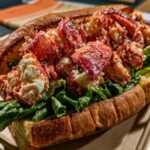
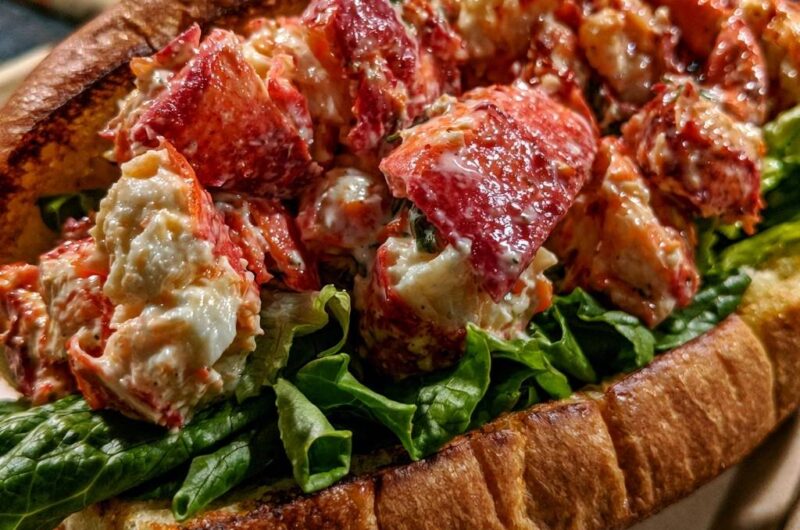
- Heap the lobster mixture generously into the lettuce-lined buns, stacking the large claw pieces on top as seen in the image. The lettuce prevents the dressing from soaking into the bread fibers, ensuring every bite stays perfectly crunchy. Serve immediately.
Notes
- The addition of melted butter to the mayonnaise dressing helps it set against the cold lobster, while the Romaine lettuce acts as a waterproof barrier for the bread.