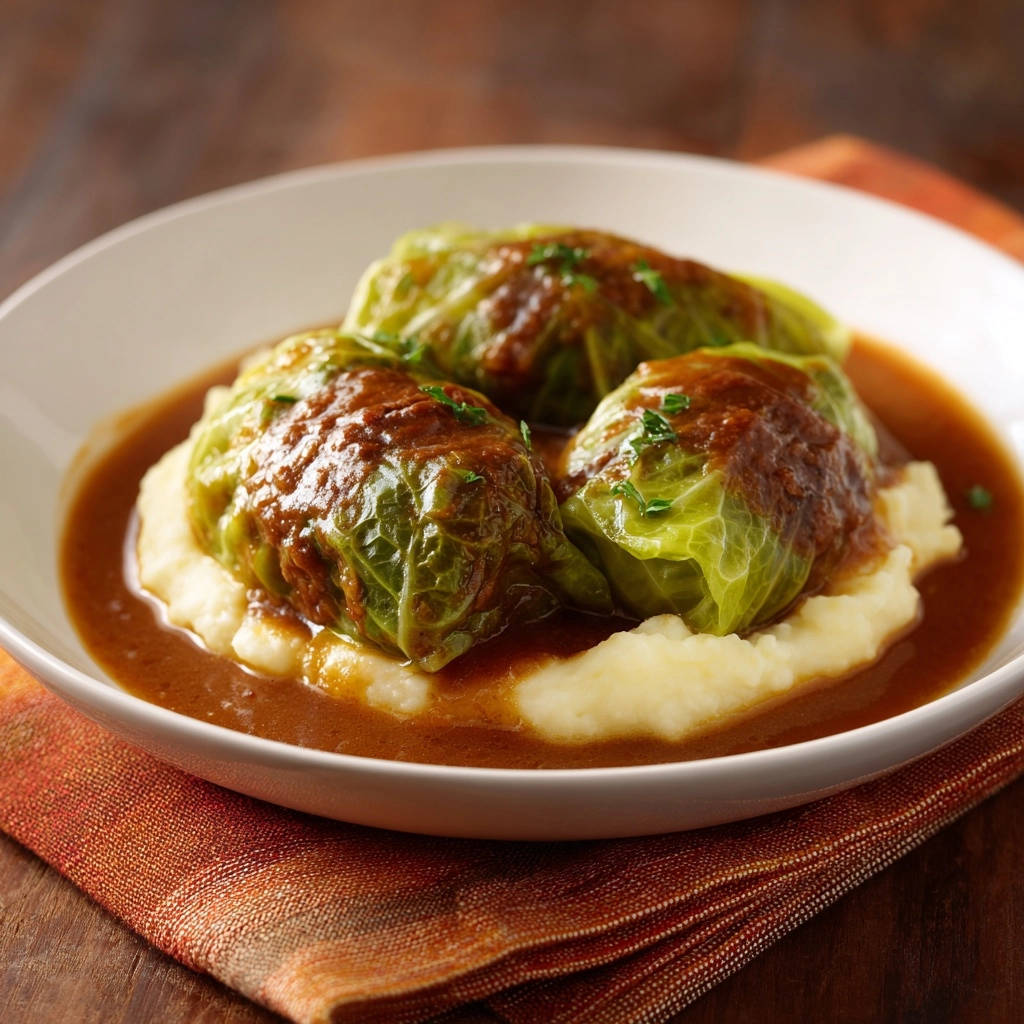
There’s a special kind of warmth that only Classic Beef Stuffed Cabbage Rolls can bring to the table, but the dread of them falling apart in the pot is a story many home cooks know too well. I’ve been there, hoping each roll holds its shape through the long simmer, only to be met with a sad, deconstructed mess.
That’s why I perfected this “unravel-proof” recipe for Classic Beef Stuffed Cabbage Rolls. It includes a game-changing layering technique that ensures every single parcel emerges beautifully intact and ready to soak up that rich, savory sauce, making for truly satisfying comfort food.
For more insights on keeping them perfectly rolled, check out classic stuffed cabbage rolls.
Beyond the Basic: Why This Stuffed Cabbage Rolls Recipe Wins Every Time
This isn’t just another recipe for stuffed cabbage; it’s a meticulously crafted guide to culinary success. We’ve addressed the common pitfalls and integrated specific techniques that guarantee a perfectly cooked, beautifully presented dish every time.
The “No Unraveling” Secret Revealed
The secret lies in a dual defense system. First, a strategic base layer of chopped cabbage acts as a cushion, preventing sticking and providing a gentle buffer. Second, a heatproof plate placed directly atop the rolls applies just enough weight to keep them submerged and secure throughout the long cooking process, ending the heartbreak of unwrapped parcels.
Effortless Flavor, Deep Comfort
Despite the clever techniques, the overall process for these beef rolls remains surprisingly straightforward. The result is deeply comforting, with tender beef and rice encased in soft cabbage, all bathed in a perfectly balanced sweet, savory, and tangy tomato sauce. It’s a hearty meal that feels both traditional and effortlessly delicious.
The Heart of the Dish: Ingredients for Perfect Stuffed Cabbage Rolls
Quality ingredients are the foundation of any great meal. Here’s what you’ll need to create truly exceptional Classic Beef Stuffed Cabbage Rolls.
For the Savory Beef & Rice Filling
- 1 pound lean ground beef
- 1 cup cooked white rice
- 1 small onion, finely minced
- 1 teaspoon dried thyme
- 1 teaspoon salt
- 1/2 teaspoon black pepper
Choosing lean ground beef ensures a flavorful filling without excessive grease, contributing to a more pleasant texture. Cooked white rice is crucial here; it absorbs the delicious juices from the beef and sauce, keeping the filling moist and tender. Finely minced fresh onion adds a foundational aromatic sweetness that beautifully complements the savory beef and herbaceous thyme.
Crafting the Rich Tomato-Based Sauce
- 1 tablespoon vegetable oil
- 1 medium onion, diced
- 1 (15 ounce) can tomato sauce
- 2 cups beef broth
- 1/4 cup brown sugar
- 2 tablespoons apple cider vinegar
- 1 teaspoon smoked paprika
- Salt and pepper to taste
The sauce is where the magic happens, balancing sweetness from brown sugar with the bright tang of apple cider vinegar. This combination cuts through the richness of the beef, creating a dynamic flavor profile. Smoked paprika adds a subtle depth and a hint of smoky warmth, elevating the entire dish beyond a simple tomato sauce.
Gear Up: Essential Tools for Stuffed Cabbage Roll Success
Having the right kitchen tools makes the process of preparing Classic Beef Stuffed Cabbage Rolls much smoother and more enjoyable.
Large Pot with Lid
Essential for blanching the cabbage head and later for the long, slow simmer of the assembled rolls. A tight-fitting lid helps retain heat and moisture.
Heavy-Bottomed Dutch Oven or Deep Pot
This is your primary cooking vessel. Its heavy construction ensures even heat distribution, crucial for preventing scorching and achieving tender results for your hearty meal.
Sharp Paring Knife and Tongs
A sharp knife is needed for coring the cabbage, while sturdy tongs are indispensable for carefully handling the hot cabbage leaves during blanching.
Large Mixing Bowl
You’ll need ample space to thoroughly combine the filling ingredients without overmixing.
Heatproof Plate or Small Lid
This is a critical, yet often overlooked, tool for preventing the rolls from unraveling. It acts as a gentle weight during cooking.
Mastering the Method: Your Guide to Stuffed Cabbage Rolls Perfection
Prepping the Cabbage: The Foundation of Flawless Rolls
Core the cabbage head deeply with a sharp knife to loosen the leaves. Bring a large pot of water to a rolling boil and carefully place the whole cabbage, core-side down, into the water.
Cover the pot and cook for 8 to 10 minutes, using tongs to gently peel off the softened outer leaves as they become pliable. Aim for 12 to 14 large, intact leaves. Crucially, trim the thick center vein from the base of each leaf to ensure they roll easily without tearing.
Do not discard any small, torn, or unused inner leaves; these are your secret weapon for the “unravel-proof” method, so reserve them for later.
Mixing the Flavorful Filling
In a medium bowl, combine the ground beef, cooked rice, minced small onion, thyme, salt, and pepper. Use your hands to gently mix until the ingredients are just combined.
It’s important to avoid overmixing the beef, as this can lead to a tough, dense filling. A light hand ensures a tender and juicy texture inside your stuffed cabbage rolls.
Expert Rolling Techniques for Secure Parcels
Lay a prepared cabbage leaf flat on your work surface, with the thick trimmed vein end facing you. Place about 1/3 cup of the filling mixture near the base of the leaf.
Fold the sides of the leaf inward over the filling, creating a neat package. Then, starting from the bottom (the thick vein end), tightly roll the leaf up to the tip. This method creates a compact, secure parcel that’s less likely to unravel during cooking.
Repeat this process until all the filling has been used, ensuring each beef roll is snugly formed.
For a similar take on the classic, check out this easy stuffed cabbage rolls.
The Anti-Unraveling Layer: A Game Changer
This step is key to our “fail-safe” method. Roughly chop the small, reserved cabbage leaves and generously scatter them across the bottom of your heavy-bottomed Dutch oven or deep pot.
This shredded cabbage layer serves a dual purpose: it acts as a non-stick barrier and provides a protective cushion. This crucial foundation prevents the stuffed cabbage rolls from adhering to the pot and minimizes shifting during cooking.
Building the Robust Sauce Base
In a separate skillet, heat the vegetable oil over medium heat. Add the diced medium onion and cook until it softens, which usually takes about 5 minutes, allowing its natural sweetness to develop.
Next, stir in the tomato sauce, beef broth, brown sugar, apple cider vinegar, and smoked paprika. Season the mixture generously with salt and pepper to taste. Bring this rich sauce to a gentle simmer, letting the flavors meld.
Layering and Securing for a Perfect Simmer
Carefully arrange the assembled cabbage rolls seam side down in the Dutch oven, directly over the shredded cabbage layer. They should be placed snugly against each other but not overly crushed.
Pour the warm, prepared sauce evenly over the rolls, ensuring they are well-covered. Now, for the critical step: place a heatproof plate or a small lid directly on top of the rolls before putting the pot’s main lid on. This gentle weight is vital; it prevents the rolls from floating, shifting, or unwrapping during the long, slow cook, guaranteeing perfectly intact stuffed cabbage.
The Low and Slow Cook: Achieving Tenderness
Bring the pot to a simmer over medium heat, then reduce the heat to the lowest setting possible, achieving a slow, barely bubbling simmer. Cover the pot tightly with its main lid.
Cook for 90 minutes, or until the ground beef filling is thoroughly cooked and the cabbage leaves are exceptionally tender. This low and slow method allows the flavors to deepen and the textures to become incredibly soft and yielding.
Serving Your Comfort Food Creation
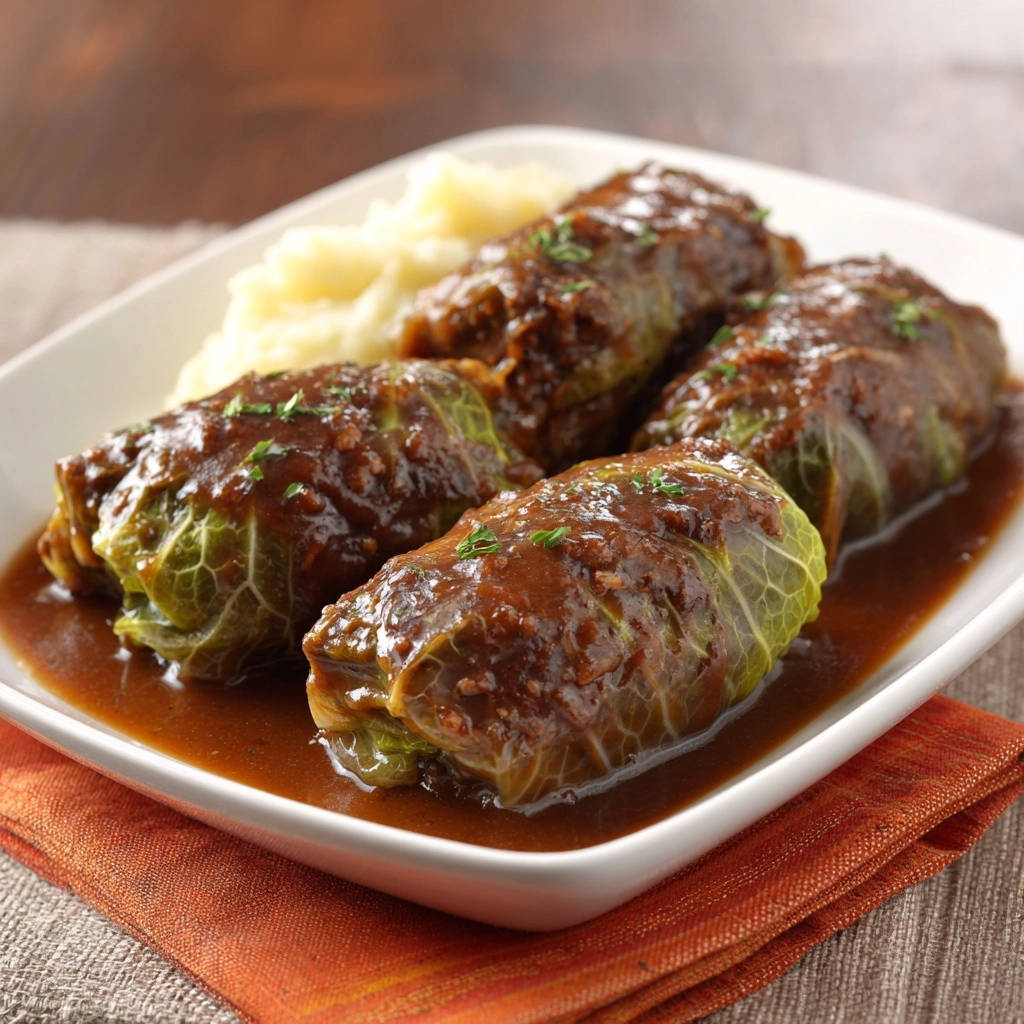
Once cooked, carefully lift the rolls from the pot using tongs. Serve them hot, either on their own or traditionally over a bed of creamy, fluffy mashed potatoes.
Don’t forget to spoon generous amounts of the rich, flavorful sauce over the top of each beef roll, allowing it to saturate every bite. A simple sprinkle of fresh parsley can add a pop of color and freshness.
Complementary Dishes
Round out your meal with these dishes that pair well with stuffed cabbage.
- For a hearty complement to your cabbage rolls, consider this savory cabbage and potato cake, featuring a similar comforting vegetable base.
- Serve your stuffed cabbage with a side of creamy mashed potatoes for a classic, satisfying combination.
Chef’s Secrets: Elevate Your Stuffed Cabbage Rolls Experience
These extra tips will help you take your homemade cabbage rolls from great to truly unforgettable.
Cabbage Selection and Preparation Hacks
Choose a large, firm head of green cabbage with tightly packed leaves for easier handling. If you find your leaves are still a bit stiff after blanching, try blanching them for an extra minute or two, or gently roll them with a rolling pin to flatten the veins further after trimming.
Flavor Boosters for Your Filling
For an extra layer of savory depth, consider adding a dash of Worcestershire sauce or a pinch of garlic powder to the beef and rice filling. A tablespoon of finely chopped fresh parsley or dill can also brighten the flavors.
Customizing Your Sauce
Adjust the sweet and tangy balance of your sauce to your preference. If you like it sweeter, add a little more brown sugar; for more tang, a touch more apple cider vinegar works wonders. For a subtle kick, a tiny pinch of red pepper flakes can be a welcome addition.
The Art of the Snug Fit
When arranging the rolls in the pot, ensure they are snugly packed, but not crushed. This close arrangement helps them maintain their shape even before the weighted plate is added, contributing to the overall “unravel-proof” success.
Batch Cooking and Freezing Advice
Stuffed cabbage rolls are fantastic for meal prep. You can freeze them fully cooked in their sauce in freezer-safe containers for up to 3 months. Thaw overnight in the refrigerator and reheat gently on the stovetop or in the oven until heated through.
When Things Go Awry: Troubleshooting Stuffed Cabbage Rolls
Even with the best intentions, sometimes challenges arise. Here’s how to tackle common issues when making Classic Beef Stuffed Cabbage Rolls.
My Cabbage Leaves Are Breaking!
If your cabbage leaves are brittle, they might need more time in the boiling water. Ensure the water is truly at a rolling boil, and don’t hesitate to blanch for an extra 2-3 minutes. Another trick is to gently microwave the cored cabbage head for 5-7 minutes before blanching, which helps soften it from the inside out.
Rolls Unraveling During Cooking
The core of this recipe is preventing unraveling with the chopped cabbage base and the weighted plate. If you skipped these steps and your rolls are shifting, gently reposition them with tongs. For immediate help, carefully insert wooden toothpicks through the seam of any unwrapping rolls, removing them before serving.
Filling is Dry or Too Loose
A dry filling often indicates overcooked beef or insufficient moisture. Next time, ensure your rice is cooked but not mushy, and consider adding a tablespoon of tomato paste or a touch more beef broth to the raw mixture. If the filling is too loose, try incorporating a tablespoon of breadcrumbs to help bind it.
Sauce Lacks Flavor or Is Too Thin/Thick
If your sauce lacks depth, a pinch more smoked paprika or a splash of Worcestershire sauce can boost flavor. For a thin sauce, simmer uncovered for an additional 10-15 minutes to allow it to reduce, or stir in a cornstarch slurry (1 tsp cornstarch mixed with 1 tbsp cold water) and simmer until thickened. If it’s too thick, add a bit more beef broth.
Enjoying Your Classic Beef Stuffed Cabbage Rolls: From Table to Freezer
These Classic Beef Stuffed Cabbage Rolls are truly versatile, perfect for immediate enjoyment or saving for a busy day.
Perfect Pairings and Serving Suggestions
The traditional pairing of stuffed cabbage with creamy mashed potatoes is a match made in heaven, allowing the sauce to truly shine. Crusty bread is also excellent for soaking up every last drop of that rich tomato sauce. For a lighter contrast, a simple fresh green salad or a dollop of cool sour cream on top can be delightful.
Storing Leftovers Safely
Leftover Classic Beef Stuffed Cabbage Rolls should be stored in an airtight container in the refrigerator. They will maintain their excellent quality for up to 3-4 days. Ensure they cool completely before transferring to storage containers to prevent condensation.
Make-Ahead Magic: Prep & Freeze for Later
These beef rolls are perfect for make-ahead meals. You can assemble them completely and freeze them uncooked, layered in a freezer-safe baking dish with the sauce poured over, for up to 2 months. Alternatively, freeze them fully cooked in their sauce. When ready to enjoy, thaw overnight in the fridge and reheat slowly in the oven or on the stovetop until bubbling and hot.
Your Top Questions Answered About Classic Beef Stuffed Cabbage Rolls
Can I Use Different Ground Meat?
Absolutely! While ground beef is classic, you can certainly use a mix of ground beef and lamb for a richer flavor profile. Ground turkey or chicken can also be used for a lighter version, though you might need to add a bit more fat or moisture to prevent the filling from drying out.
What Kind of Rice is Best, and Does it Need to Be Cooked?
Long-grain white rice is typically preferred for its texture and ability to absorb flavors without becoming mushy. And yes, the rice must be cooked before being added to the filling. Using uncooked rice would result in a tough, undercooked filling and could absorb too much moisture from the sauce, altering its consistency.
Can I Make This Gluten-Free or Dairy-Free?
This recipe for Classic Beef Stuffed Cabbage Rolls is naturally gluten-free as written, provided your beef broth does not contain gluten. For a dairy-free option, there are no dairy ingredients to substitute, making it naturally suitable for those avoiding dairy. Always check ingredient labels to confirm.
How Do I Make the Sauce Spicier or Sweeter?
To make the sauce spicier, you can add a pinch of red pepper flakes along with the smoked paprika, or a dash of your favorite hot sauce. For a sweeter sauce, simply increase the amount of brown sugar by another tablespoon or two, tasting as you go to achieve your desired balance.
What if I Don’t Have a Dutch Oven?
No Dutch oven? No problem! A large, deep pot with a heavy bottom and a tight-fitting lid will work just as well for simmering your stuffed cabbage rolls. Ensure it’s deep enough to accommodate the rolls and enough liquid for them to braise properly.
Your Stuffed Cabbage Rolls Journey: A Culinary Triumph!
Embracing the traditional charm of Classic Beef Stuffed Cabbage Rolls no longer means risking a culinary mishap. With this meticulously crafted, unravel-proof method, you’re guaranteed beautifully intact and incredibly flavorful results every single time.
This hearty meal is a testament to the joy of homemade comfort food, proving that a little expert technique can elevate a classic dish to new heights. Don’t let past experiences deter you; this is the recipe that will make you fall in love with making stuffed cabbage again.
Now, go forth and create these delicious parcels of joy! We’d love to see your culinary triumphs; share your creations on social media using #ClassicStuffedCabbage.
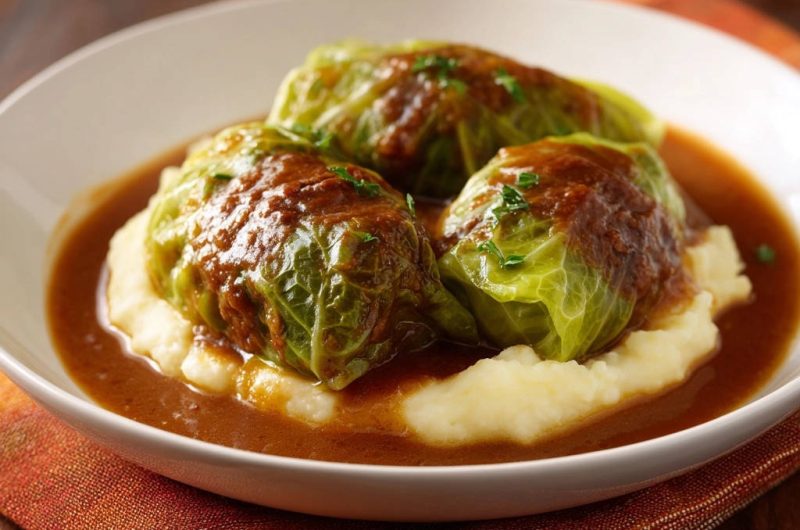
Beef Stuffed Cabbage Rolls
Course: Main CourseCuisine: Eastern EuropeanDifficulty: medium6
servings45
minutes1
hour30
minutes240
kcal135
minutesMaster the art of perfectly secured stuffed cabbage rolls that won’t fall apart. This recipe uses a clever layering technique and gentle weight to ensure tender, flavorful parcels every time. Enjoy this cozy comfort food soaking in a rich, savory sauce.
Ingredients
For the Cabbage Rolls:
1 large head green cabbage
1 pound lean ground beef
1 cup cooked white rice
1 small onion, finely minced
1 teaspoon dried thyme
1 teaspoon salt
1/2 teaspoon black pepper
For the Sauce:
1 tablespoon vegetable oil
1 medium onion, diced
1 (15 ounce) can tomato sauce
2 cups beef broth
1/4 cup brown sugar
2 tablespoons apple cider vinegar
1 teaspoon smoked paprika
Salt and pepper to taste
Directions
- Prepare the Cabbage Leaves (The Essential Pre-Step): Core the cabbage head deeply. Bring a large pot of water to a boil. Carefully place the whole cabbage head, core-side down, into the boiling water. Cover and cook for about 8 to 10 minutes, using tongs to peel off the softened outer leaves as they separate. You need 12 to 14 large, pliable leaves. Trim the thick center vein from the base of each leaf so the leaves roll easily without breaking. Reserve any small, torn, or unused inner leaves; these are your secret weapon.
- Prepare the Filling: In a medium bowl, combine the ground beef, cooked rice, minced small onion, thyme, salt, and pepper. Mix until just combined; do not overmix.
- Assemble the Rolls: Lay a cabbage leaf flat, thick vein end toward you. Place 1/3 cup of filling near the base of the leaf. Fold the sides of the leaf inward over the filling, then tightly roll the leaf up from the bottom (the thick vein end) to the tip, creating a secure package. Repeat until all filling is used.
- The Fail-Safe Anti-Unraveling Cooking Method: To ensure your rolls hold their shape, create a protective buffer layer in your cooking pot. Roughly chop the small, reserved cabbage leaves and scatter them on the bottom of a heavy-bottomed Dutch oven or deep pot. This layer prevents sticking and acts as a cushion to stop the rolls from shifting too much.
- Build the Sauce: In a separate skillet, heat the vegetable oil over medium heat. Add the diced medium onion and cook until soft, about 5 minutes. Stir in the tomato sauce, beef broth, brown sugar, apple cider vinegar, and smoked paprika. Season with salt and pepper. Bring to a low simmer.
- Layer and Simmer (The Pain-Point Solution): Arrange the assembled cabbage rolls seam side down tightly over the shredded cabbage layer in the Dutch oven. They should be snug but not crushed. Pour the prepared sauce evenly over the rolls. Crucially, place a heatproof plate or small lid directly on top of the rolls before putting the pot’s main lid on. This gentle weight prevents the rolls from floating, shifting, or unwrapping during the long cooking process.
- Cook Low and Slow: Bring the pot to a simmer over medium heat, then reduce the heat to the lowest setting (a slow, barely bubbling simmer). Cover the pot and cook for 90 minutes, or until the meat is cooked through and the cabbage is extremely tender.
- Serve: Carefully lift the rolls from the pot. Serve hot over mashed potatoes, spooning generous amounts of the rich sauce over the top.
Notes
- For tender cabbage leaves, carefully score the thick veins before boiling to make them more pliable for rolling. If your rolls tend to unravel, try securing them with a toothpick before placing them in the pot.