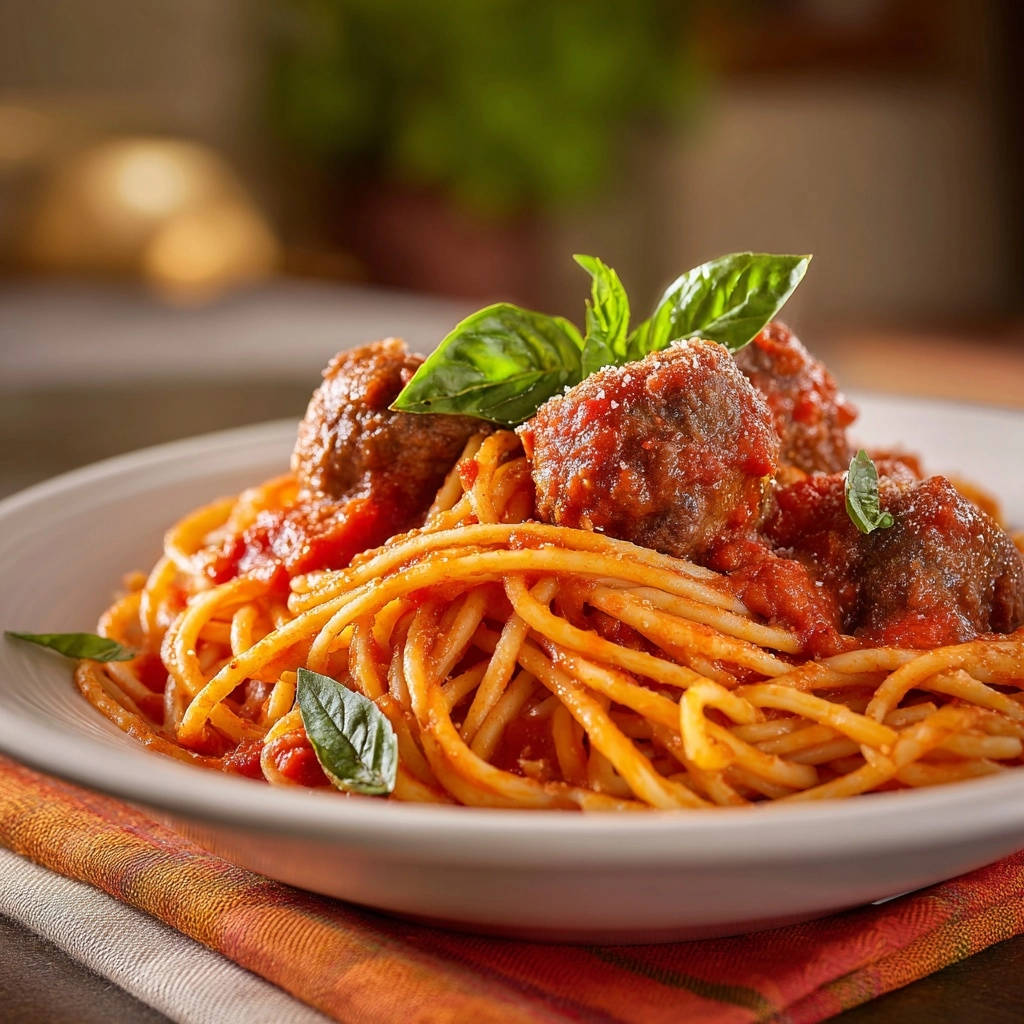
For years, my homemade meatballs would sometimes turn out dense and dry, a disappointing experience when all I craved was soul-satisfying comfort food. This recipe for Classic Spaghetti and Meatballs is the absolute solution because it employs one simple, time-tested Italian technique-the panade-that guarantees soft, melt-in-your-mouth results every single time.
To avoid that dry texture in your meatballs, check out these tips for classic spaghetti and meatballs.
I am confident this method will revolutionize your kitchen. We achieve a deep, rich sauce and meatballs so tender, they truly justify the effort of making this iconic dish entirely from scratch.
The “Panade” Revelation: Why These Meatballs Are So Tender
The secret to keeping ground meat moist and tender during extended cooking times is to introduce a moisture-rich buffer that prevents the meat proteins from contracting too tightly. Traditional methods often rely only on egg or dry breadcrumbs, which fall short.
For more tender meatballs, discover the secret to tender spaghetti and meatballs.
The panade, a paste made from soaking breadcrumbs in milk, ensures that the meatball mixture is permeated with liquid before it even hits the heat, resulting in an exceptionally tender crumb.
What Exactly Is a Panade, and Why Does It Work?
A panade is simply a mixture of starch (like breadcrumbs or panko) and liquid (like milk or cream) that is allowed to hydrate fully. The recipe calls for soaking the breadcrumbs in whole milk for five minutes until they become fully saturated and mushy.
This paste acts like a sponge within the meatball, binding the ingredients together while simultaneously trapping the moisture. When the meatballs simmer in the sauce, the panade ensures the meat remains juicy, expanding gently instead of tightening and drying out.
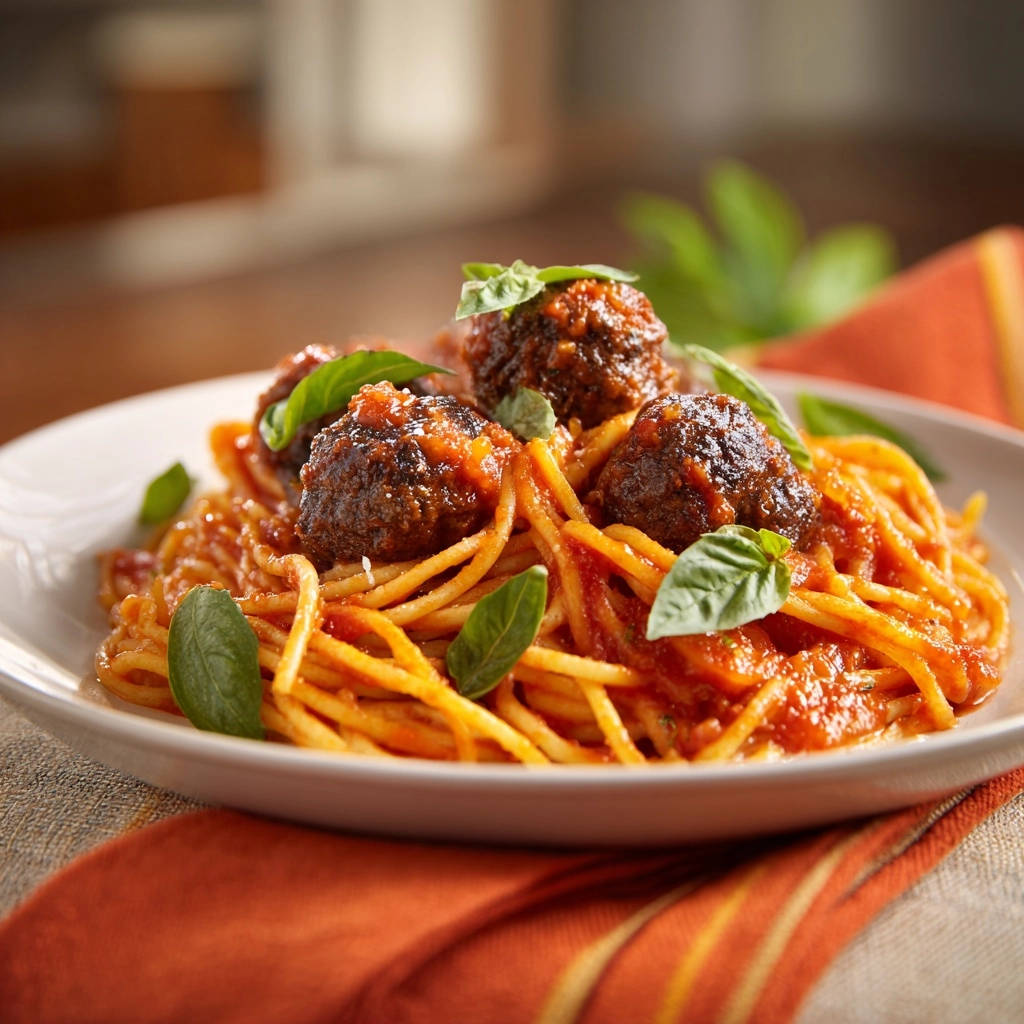
Tackling the Toughness Problem: The Science of Overmixing
When you overmix or tightly pack ground meat, you stimulate the myosin proteins, causing them to bond and form tough, dense strands. This is the primary reason meatballs often become rubbery.
The inclusion of the panade helps physically buffer the meat proteins, making them less prone to bonding, even if you accidentally mix a tiny bit longer than necessary. It allows you to combine the flavors without compromising the final texture.
Building the Base: A Deep Dive into Classic Spaghetti and Meatballs Ingredients
Selecting the Perfect Ground Beef Blend
While this recipe uses 1 pound of lean ground beef, incorporating a blend, such as beef and ground turkey, adds complexity without excessive greasiness.
Fat content is critical for flavor delivery; however, since the panade is handling the moisture, selecting a lean-to-medium fat ratio (85/15 or 90/10) is ideal for a sauce that isn’t overly oily.
The Essential Binder: Milk, Breadcrumbs, and Parmesan
Whole milk is crucial; its fat content adds richness and prevents the panade from drying out during the soak.
Use fresh breadcrumbs or high-quality panko for the best absorption and texture; avoid using stale, dry breadcrumbs, which won’t hydrate properly.
The grated Parmesan cheese acts as a secondary binding agent and provides a necessary salty, umami depth that is foundational to Italian meatball flavor.
The Aromatic Foundation: Onion, Garlic, and Fresh Herbs
Finely chopping the yellow onion and mincing the garlic ensures they cook down completely and release their savory aromatics into the meatball mixture during simmering.
Fresh basil leaves are preferred over dried for a vibrant, authentic flavor that holds up well against the rich tomato base.
Elevating the Sauce: Crushed Tomatoes vs. Tomato Sauce
Using a combination of crushed tomatoes and plain tomato sauce provides a balance of body and smooth texture.
Crushed tomatoes offer substance and a pleasant chunkiness, while the tomato sauce creates a velvety coating for the spaghetti.
Adding a small amount of sugar helps to balance the acidity of the canned tomatoes, resulting in a perfectly rounded flavor profile for the classic spaghetti and meatballs.
Essential Kitchen Gear for Meatball Mastery
The Indispensable Dutch Oven or Heavy-Bottomed Pot
A heavy-bottomed pot, such as a Dutch oven, is non-negotiable for this recipe.
Its superior heat retention ensures that once the simmering begins, the temperature remains steady and low for the entire 60-minute cook time, preventing the sauce from scorching or the meatballs from boiling too aggressively.
Using the Right Utensils: For Gentle Mixing and Forming
Your hands are the best tools for mixing, as they allow you to feel when the ingredients are just incorporated.
Resist the urge to use a wooden spoon or stand mixer for combining the meatball mixture, as these tools often lead to overmixing and subsequent toughness.
Step-by-Step Perfection: Crafting Your Classic Spaghetti and Meatballs
Phase 1: Preparing the Panade and Mixing Gently
-
The Mandatory 5-Minute Soak:
This is the secret step. Combine the milk and breadcrumbs (or panko) first, ensuring the breadcrumbs have fully absorbed the whole milk until they are soft and mushy before moving on.
-
Gently Combining All Ingredients:
Introduce the soaked panade into the ground beef, herbs, and seasonings last. Use a light hand and only mix until the ingredients are just incorporated, which prevents protein development and subsequent toughness.
-
Forming Consistent Meatballs:
Gently roll the mixture into uniform 1.5-inch balls. Do not pack them tightly; handle the mixture as little as possible to maintain a delicate, airy structure.
Phase 2: Browning to Build Flavor and Structure
-
Preheating the Oil:
Heat the olive oil in your heavy pot over medium-high heat until it shimmers. This temperature is necessary for a quick, deep sear, which is essential for locking in the meatball shape and creating a flavorful crust (fond).
-
Searing All Sides:
Carefully place the meatballs into the hot oil and sear until they are deeply browned on all sides, turning them gently with tongs. Work in batches if necessary to avoid overcrowding, which will steam the meatballs instead of searing them.
The browning phase is purely for flavor and color development and does not cook the meatballs through; they will finish cooking in the sauce.
Phase 3: The Crucial Low and Slow Simmer
-
Building the Simmering Base:
Remove the browned meatballs, leaving the flavorful drippings behind. Reduce the heat and pour the crushed and plain tomato sauces, seasoning, and sugar into the pot.
Bring the sauce to a gentle bubble before adding the meatballs back, ensuring they don’t stick to the bottom.
-
The 60-Minute Transformation:
Gently return the browned meatballs, cover the pot, and reduce the heat immediately to the lowest possible setting. This extended, gentle cooking time is essential for the panade to fully hydrate the meat and infuse the sauce with deep beef flavor, guaranteeing tenderness.
Phase 4: Finishing the Classic Spaghetti and Meatballs Dish
-
Cooking the Spaghetti Al Dente:
About 15 minutes before the sauce is done, cook the dried spaghetti in generously salted boiling water. Cook until it is slightly underdone (al dente), remembering it will absorb more sauce later.
-
The Pasta Water Secret:
Before draining the pasta, always reserve at least 1 cup of the starchy water. This liquid is the professional key to achieving a beautifully emulsified, glossy sauce that clings perfectly to the noodles.
-
Finishing the Dish:
Drain the spaghetti and immediately transfer it directly into the pot with the sauce and meatballs. Toss gently, adding reserved pasta water only as needed to achieve the perfect clingy consistency, then serve right away.
Chef’s Secrets and Troubleshooting Tips for Flawless Results
Why Are My Meatballs Falling Apart?
If they feel too loose, the mixture might have too much liquid or was overhandled during forming. Ensure your ingredients are at room temperature, and try chilling the formed meatballs on a sheet pan for 15 minutes before browning; this firms them up significantly.
Achieving the Perfect Sauce Consistency
If the sauce seems too thick after simmering, use the reserved starchy pasta water to thin it down gradually, adding only a tablespoon at a time until you reach your desired consistency.
Conversely, if the sauce is too watery, uncover the pot for the last 15 minutes of simmering to allow excess moisture to evaporate and concentrate the flavor.
A Flavor Booster: Using Balsamic Vinegar
For even deeper complexity in your sauce, deglaze the pot after browning the meat (before adding tomatoes) with 1/4 cup of good quality balsamic vinegar, scraping up all the browned bits (fond) from the bottom. Reduce the vinegar until it is almost evaporated before proceeding with the sauce base.
Make-Ahead, Storage, and Serving Classic Spaghetti and Meatballs
Freezing Meatballs: Cooked vs. Uncooked
Uncooked meatballs freeze beautifully. Place formed meatballs on a parchment-lined tray and flash freeze them for two hours until solid. Transfer the frozen meatballs to a sealed bag, where they will last for up to three months.
To use, thaw them in the refrigerator overnight and proceed with the browning and simmering steps as usual.
You can also freeze the finished dish (meatballs and sauce together) in airtight containers. Thaw completely before reheating.
Optimal Leftover Storage and Reheating Tips
Leftovers should be stored in the refrigerator in an airtight container for up to four days.
The best way to reheat Classic Spaghetti and Meatballs is gently on the stovetop over low heat, covered. Avoid microwaving, which tends to dry out the meat and cause the sauce to separate.
Beyond the Plate: Creative Serving Variations
These incredibly tender meatballs and rich sauce are versatile beyond traditional spaghetti.
Round Out Your Meal
Complete your Italian-inspired dinner with these comforting additions.
- For a warm, cheesy start, try these Cheesy Garlic Breadsticks that complement the rich tomato sauce.
- Serve alongside a generous portion of Creamy Mashed Potatoes with Rich Gravy for a hearty and satisfying plate.
- Serve over creamy polenta or ricotta to emphasize the luxurious texture.
- Use them for easy, cheesy meatball subs on crusty Italian bread.
- Layer them into a baked ziti or lasagna for a hearty twist on a classic baked pasta dish.
Frequently Asked Questions About Classic Spaghetti and Meatballs
Can I Substitute Ground Chicken or Lamb for Beef?
Yes, you can substitute other ground meats. If using very lean ground chicken or turkey, you may need to increase the amount of milk slightly in the panade to compensate for the lower fat content.
If using ground beef, which is typically fattier, you can follow the recipe exactly, enjoying the extra richness it provides.
Is it Necessary to Cook the Meatballs in the Sauce for a Full Hour?
Absolutely. The 60-minute low and slow simmer is not just about safety; it is mandatory for flavor infusion and the final texture.
This extended time allows the milk-soaked panade to completely permeate the meat, resulting in the signature softness of this recipe, while ensuring the meatballs absorb the complexity of the tomato sauce.
What is the Best Way to Garnish This Dish?
Garnishing adds a final layer of freshness and aroma. A generous dusting of freshly grated Parmesan cheese and a shower of finely chopped fresh basil are traditional and essential.
For a final touch of richness and aroma, finish each bowl with a small drizzle of high-quality extra virgin olive oil before serving.
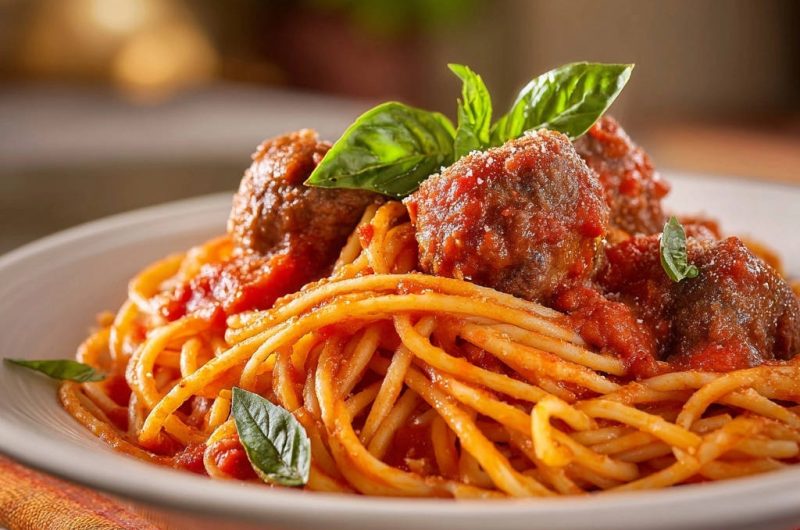
Spaghetti and Meatballs
Course: Main CourseCuisine: Italian-AmericanDifficulty: medium4
servings20
minutes1
hour750
kcal80
minutesSay goodbye to tough, dry meatballs! This recipe reveals the single trick—the panade—that guarantees soft, juicy, and melt-in-your-mouth tenderness every time. A long, slow simmer in homemade sauce delivers ultimate comfort.
Ingredients
For the Meatballs:
1 pound lean ground beef (or a blend of beef and ground turkey)
1/2 cup finely chopped yellow onion
2 cloves garlic, minced
1/4 cup fresh basil leaves, finely chopped, plus more for garnish
1/2 cup fresh bread crumbs or plain panko
1/4 cup whole milk (the secret ingredient for tenderness)
1/4 cup grated Parmesan cheese
1 large egg
1 teaspoon dried oregano
1 teaspoon salt
1/2 teaspoon black pepper
2 tablespoons olive oil (for browning)
For the Spaghetti and Sauce:
1 pound dried spaghetti
1 (28 ounce) can crushed tomatoes
1 (15 ounce) can tomato sauce
1 teaspoon sugar
Salt and pepper to taste
Directions
- Prepare the Panade (The Tender Meatball Secret): In a small bowl, combine the bread crumbs (or panko) and the whole milk. Stir gently and let this mixture sit for 5 minutes until the bread crumbs fully absorb the liquid and become soft and mushy. This creates the essential moist binder.
- Mix the Meatball Base: In a large bowl, add the ground beef, chopped onion, minced garlic, chopped basil, grated Parmesan, egg, oregano, salt, and pepper. Now, add the soaked bread crumb mixture (the panade) into the bowl.
- Form the Meatballs (Do Not Overmix!): Using your hands, gently combine all ingredients until just incorporated. Do not pack or knead the mixture; stop mixing the second you no longer see streaks of separate ingredients. Overmixing develops the proteins, which results in tough meatballs. Gently roll the mixture into 1.5-inch balls.
- Brown the Meatballs: Heat the olive oil in a large Dutch oven or heavy-bottomed pot over medium-high heat. Carefully place the meatballs into the hot oil and sear until they are deeply browned on all sides. This locks in flavor and structure. Remove the meatballs and set aside, leaving any drippings in the pot.
- Start the Sauce: Reduce the heat to medium. Pour the crushed tomatoes and tomato sauce into the pot. Add the sugar, salt, and pepper. Bring the sauce to a gentle simmer.
- Slow Simmer for Tenderness: Gently place the browned meatballs back into the simmering sauce. Cover the pot and reduce the heat to low. Let the meatballs simmer very gently for at least 60 minutes. This long, low simmer allows the panade to fully hydrate the meat while the sauce absorbs the deep beef flavor.
- Cook the Pasta: About 15 minutes before the sauce is finished, bring a large pot of salted water to a boil. Cook the spaghetti according to package directions until al dente. Reserve about 1 cup of the starchy pasta water before draining. The turkey is done when it reaches 165°F (74°C) in the thickest part.
- Finish and Serve: Drain the pasta. Transfer the cooked spaghetti directly into the pot with the sauce and meatballs. Toss gently, adding a splash of the reserved pasta water if needed to help the sauce cling beautifully to the noodles. Serve immediately, topped with extra fresh basil and a sprinkle of Parmesan cheese.
Notes
- For extra tender meatballs, don’t overmix the meatball mixture; just combine until everything is incorporated. Ensure your sauce simmers gently; a rolling boil can toughen the meatballs.