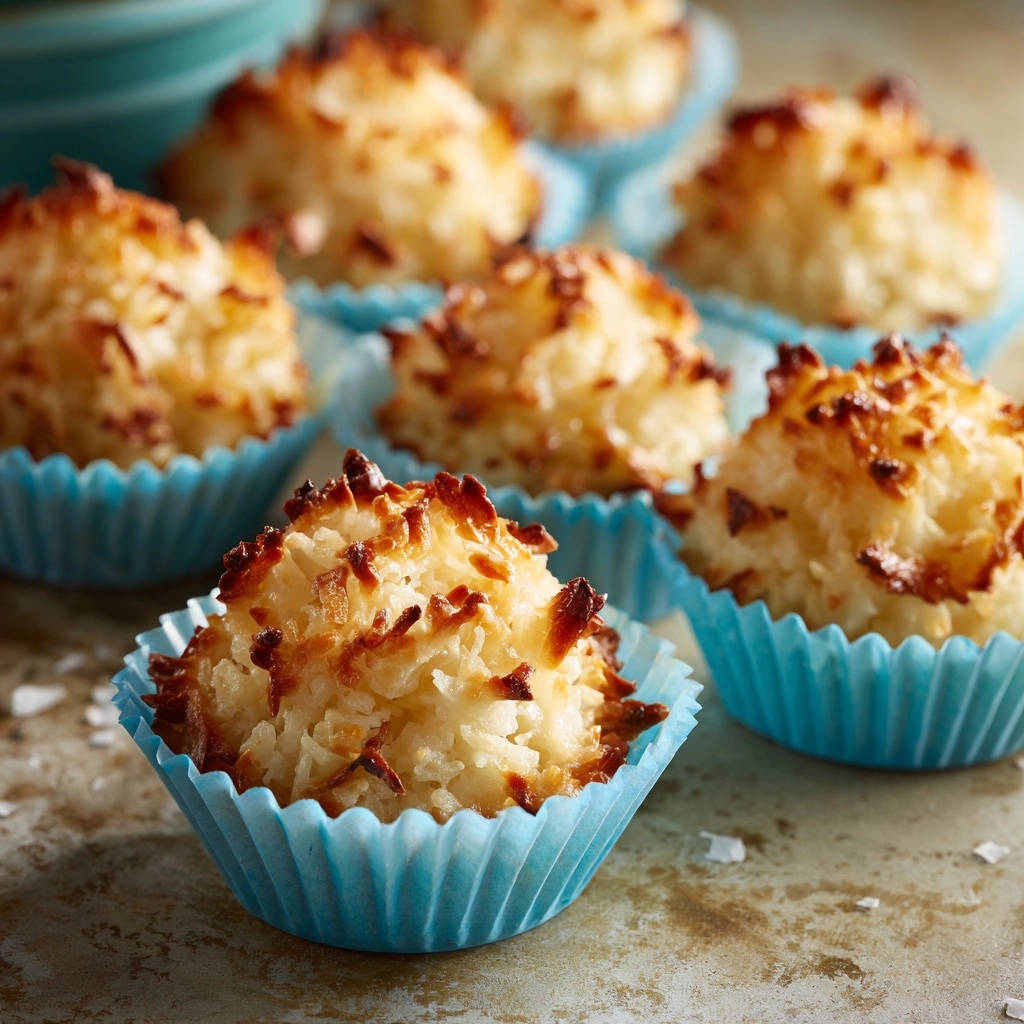
There is nothing more disappointing than biting into a macaroon that is hard, dry, or crumbly after expecting a soft, chewy texture. Achieving the perfect balance-a deep golden toast on the outside coupled with an incredibly moist interior-is the hallmark of truly exceptional Classic Toasted Coconut Macaroons.
This recipe provides the guaranteed solution by incorporating a simple, yet mandatory, resting period that locks the moisture into the coconut fibers, completely transforming the final texture.
The Texture Revolution: Why This Classic Macaroon Recipe Wins
As an expert content strategist, I believe the secret to E-E-A-T is explaining the “why.” This recipe focuses not just on ingredients, but on technique, making it foolproof.
Say Goodbye to Dry, Crumbly Cookies
Traditional, quick-mixed macaroon recipes often fail because the dry coconut shreds do not have enough time to absorb the liquid binder adequately. This lack of hydration results in a dry, loose structure that crumbles apart during cooling.
Our method ensures that every particle of coconut is thoroughly saturated before baking begins, preventing the essential internal moisture from evaporating during the high-heat toasting process.
Only Five Simple Ingredients (And Zero Stress)
You need only five readily available pantry items to achieve this exceptional texture and flavor. The minimal ingredient list keeps prep time brief, allowing you to focus on the essential technique of proper mixing and resting.
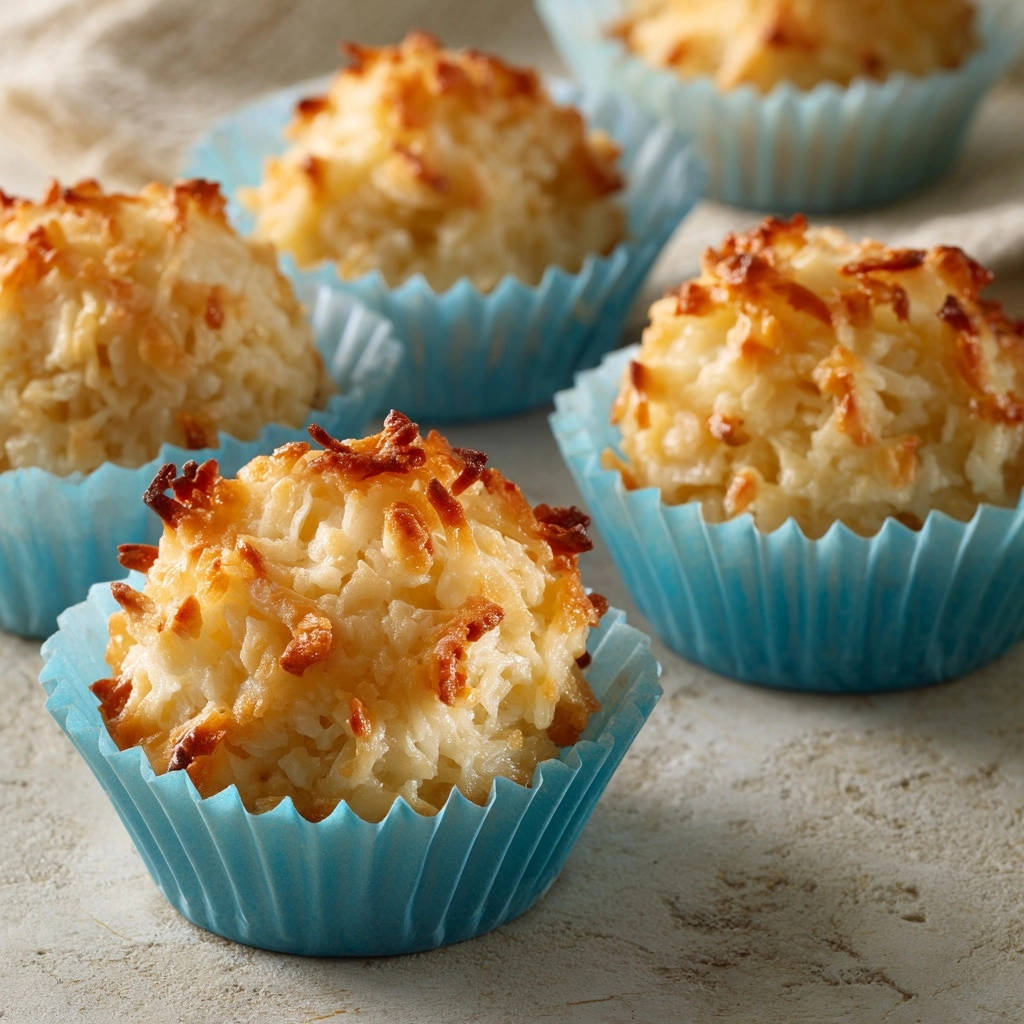
With such a short ingredient list, the quality and preparation of each component becomes extremely important for the final success of these sweet treats.
The Unique Selling Proposition: The Crucial 30-Minute Rest
The 30-minute rest is the true chewy secret behind these macaroons, which we call the “Texture Lock-In.” During this period, the shredded coconut absorbs the sticky condensed milk binder.
This absorption fully hydrates the coconut fibers, resulting in a plump, soft interior that resists drying out, ensuring the perfect balance when the cookie achieves a beautiful golden toast.
Inside the Perfect Bite: Key Ingredients and Quality Matters
Understanding the function of each ingredient allows you to maintain quality control and guarantee the best possible result.
Choosing Your Coconut: Sweetened vs. Unsweetened Shreds
Sweetened shredded coconut is non-negotiable for authentic Classic Toasted Coconut Macaroons.
The added sugar helps achieve the perfect caramelization and golden color while also significantly contributing to the soft, sticky internal structure. Unsweetened coconut will yield a tougher, drier final product and a lackluster flavor profile.
The Binding Agent: Sweetened Condensed Milk vs. Evaporated Milk
Sweetened condensed milk is the primary binding agent, source of sweetness, and flavor base for this recipe. Its high sugar and fat content is essential for both the sticky texture and the deep, rich flavor.
Do not attempt to substitute evaporated milk, as it lacks the necessary sugar and viscosity for the proper binding and structural integrity required for a chewy macaroon.
The Role of the Egg White: Setting the Stage for Chewiness
We use only one slightly beaten large egg white. Beating it minimally introduces just enough air for a lighter chew, without creating stiff peaks that would result in a cakey texture.
The protein in the egg white acts as a crucial stabilizer, helping the macaroons set their shape while maintaining internal moisture during baking.
Why Sea Salt is Non-Negotiable
A small measure of sea salt is vital for balancing the intense sweetness inherent in the condensed milk and sweetened coconut.
Salt enhances the natural flavors of the vanilla and coconut, preventing the final cookie from tasting flat or overly saccharine and bringing depth to the overall profile.
If you enjoy the toasted coconut flavor here, you might also appreciate creamy toasted coconut truffles.
Essential Tools for Classic Toasted Coconut Macaroons Success
While macaroons are straightforward, having the right tools ensures easier preparation and a professional finish.
- The Necessity of Parchment Paper or Liners:
Parchment paper or paper cupcake liners are essential for preventing the sticky condensed milk mixture from adhering to the baking sheet. Liners are generally preferred as they aid the structural integrity of the final cookie and make handling much easier.
- The Right Baking Sheet:
Light-colored baking sheets are highly recommended to promote even baking and prevent the bottoms from burning. Darker sheets absorb more heat and can cause the base of the macaroons to brown too quickly before the tops are finished.
- The Perfect Scoop:
Using a small cookie scoop, typically a #40 scoop (about 1.5 tablespoons), is critical for uniform size. Uniformity is the key to ensuring every single macaroon bakes simultaneously and achieves the same beautiful golden toast.
Achieving Perfection: The Texture Lock-In Method Explained
Follow these steps precisely to master the texture and flavor of your macaroons.
- Preheating and Preparing the Pan:
Set your oven temperature accurately to 325 degrees F. Line a baking sheet with parchment paper, or place 18 paper cupcake liners on the sheet. The liners provide excellent structure and guarantee an easy release.
- Mixing the Wet Base:
In a large mixing bowl, combine the measured sweetened condensed milk, vanilla extract, the slightly beaten egg white, and the sea salt. Stir these wet base ingredients well using a whisk or fork until the mixture is completely homogeneous and smooth.
- THE CRUCIAL Texture Lock-In Step (Resting):
Pour all the shredded coconut into the wet mixture. Use a rubber spatula to gently fold the coconut into the liquid until every piece is fully coated; it is crucial to ensure no dry coconut shreds remain at the bottom of the bowl. Cover the bowl and allow this mixture to rest at room temperature for the critical 30 minutes; this rest hydrates the coconut and guarantees a moist, chewy interior.
- Shaping for the Classic Conical Look:
After the mixture has rested, use your small cookie scoop or a rounded tablespoon to form mounds. To achieve the classic conical shape and prevent slumping, press the mixture very firmly into the scoop before releasing it into the paper liners or onto the parchment.
- The Perfect Bake and Golden Toast:
Place the baking sheet into the preheated oven and bake for 18 to 22 minutes. The macaroons are finished when the tops achieve a beautiful, deep golden brown and the interior looks set but still soft. If the macaroons are browning too rapidly before the timer is up, loosely tent the pan with aluminum foil for the final five minutes.
- Cooling to Set the Chewiness:
Immediately remove the baking sheet from the oven and allow the Classic Toasted Coconut Macaroons to cool completely on the tray before attempting to remove them. This necessary cooling period allows the internal structure and the sticky condensed milk binder to fully set, guaranteeing maximum internal chewiness.
Chef’s Secrets: Mastering the Golden Toast and Chewy Center
These professional tips focus on fine-tuning the texture and appearance of your macaroons.
Preventing Spreading and Achieving Height
Use Firm Pressure When Scooping: Firmly pressing the mixture compacts the macaroons, concentrating the mass and preventing them from spreading excessively during baking. Loose mounds are prone to flattening.
Avoid Over-Beating the Egg White: We only want a slightly beaten egg white, not stiff peaks, as too much air incorporated into the mixture can cause the macaroons to puff rapidly and then collapse in the oven, leading to a flatter cookie.
Customizing the Color: Controlling the Toast
If you prefer a lighter, less toasted exterior, slightly reduce the baking temperature by 15 degrees F (to 310°F) and bake for a minute or two longer until the structure is fully set.
For a deeper, more pronounced toasted flavor, ensure your oven is accurately calibrated, as subtle temperature differences drastically affect browning. Always check the macaroons frequently during the last five minutes to monitor the color.
Troubleshooting Macaroon Mishaps: Simple Fixes
Even expert bakers run into snags. Here are the solutions to common macaroon problems.
Why Are My Macaroons Dry and Crumbly?
This common issue is nearly always the result of skipping the essential 30-minute rest step, which is vital for the texture lock-in and hydration. Alternatively, check your baking time; overbaking evaporates too much internal moisture, leading to a dry texture.
My Macaroons Slumped and Are Flat
Slumping happens when the mixture isn’t compacted enough before baking, allowing it to spread. Always press the mixture firmly into the scoop to create a dense mound.
Another factor is repeatedly opening the oven door, which causes sudden temperature drops. Avoid disturbing the macaroons during the first 10 minutes of baking.
The Bottoms Are Too Brown
To prevent overly dark bottoms, try placing a silicone baking mat directly under the parchment paper to provide an essential extra layer of insulation. You can also move the baking sheet to a higher rack in the oven, away from the heating element.
Beyond Classic: Delicious Variations and Serving Inspiration
Once you’ve mastered the classic recipe, try these simple yet impactful variations.
Chocolate Dipped Classic Toasted Coconut Macaroons
For dipping, use high-quality dark chocolate (60% cacao or higher), which provides a rich, slightly bitter counterpoint to the sweet coconut. Melt the chocolate gently with a teaspoon of coconut oil to create a smooth, glossy coating that hardens beautifully.
Adding Citrus Zest for a Bright Flavor
Add one tablespoon of finely grated lemon, lime, or orange zest directly into the wet condensed milk mixture before adding the coconut. The essential oils from the citrus cut through the richness, giving the macaroons a refreshing, vibrant twist.
For a brighter twist, consider trying these key lime coconut macaroons.
Serving Suggestions for High Tea or Dessert Platters
For an elegant presentation, plate your macaroons alongside contrasting fresh ingredients like tart raspberries or sliced candied ginger. Serve them standing upright with a delicate drizzle of high-quality caramel sauce or a thin ribbon of passion fruit purée for a tropical flair.
What to Pair with Your Coconut Macaroons
Beyond these chewy coconut delights, consider these other satisfying sweet and savory options.
- For a warm start to your day, try the Apple Raisin Comfort Oats, offering a gentle sweetness that complements coconut.If you’re leaning towards something crispy and handheld, the Crispy Breakfast Empanadas provide a delightful textural contrast.
Storage and Make-Ahead Planning
Proper storage is crucial for maintaining that coveted chewy texture.
Optimal Storage for Maximum Chewiness
Classic Toasted Coconut Macaroons should be stored in an airtight container at cool room temperature for up to five days. Avoid placing them in the refrigerator, as the cold environment can wick moisture away, resulting in a significantly drier and tougher texture.
Can I Freeze Classic Toasted Coconut Macaroons?
Yes, these treats freeze exceptionally well! Once completely cooled, freeze them in a single layer on a sheet tray until solid, then transfer them to a freezer-safe bag or container for up to three months.
To thaw, simply leave them at room temperature for a couple of hours; this method ensures they regain their desired chewy texture without becoming soggy.
Preparing the Dough Ahead of Time
While the initial 30-minute rest is critical for hydration, the fully mixed and scooped macaroons can be prepped up to 24 hours in advance. Store the prepared, unbaked mounds covered tightly in the refrigerator, but ensure they come to room temperature for 15 minutes before baking for even heat distribution.
Frequently Asked Questions About Classic Toasted Coconut Macaroons
What is the difference between a Macaroon and a Macaron?
This is a source of constant confusion! Macaroons (with two O’s) are chewy, dense cookies made primarily from coconut and condensed milk. Macarons (with one O) are delicate, meringue-based sandwich cookies typically made with almond flour and requiring very precise, advanced technique.
Can I make these macaroons gluten-free?
Yes, this recipe is naturally gluten-free as it contains no wheat flour whatsoever. It is an excellent choice for those following gluten-free diets, relying only on the coconut shreds and condensed milk for structure.
How do I know if the macaroons are done baking?
Doneness relies entirely on visual cues rather than internal temperature. They are ready when they are deeply golden brown on the very top edges and points, but the center should still look slightly soft and glossy. If they look completely matte and uniformly dark brown, they are likely overbaked.
Ready to Impress? Share Your Macaroon Masterpiece!
You now possess the expert technique-the mandatory texture lock-in method-to guarantee perfectly moist, chewy Classic Toasted Coconut Macaroons every single time.
Say farewell to dry, disappointing failures and hello to your new, perfectly baked coconut masterpiece. We are confident this recipe will become a permanent fixture in your baking rotation; bake a batch today and share your golden results!
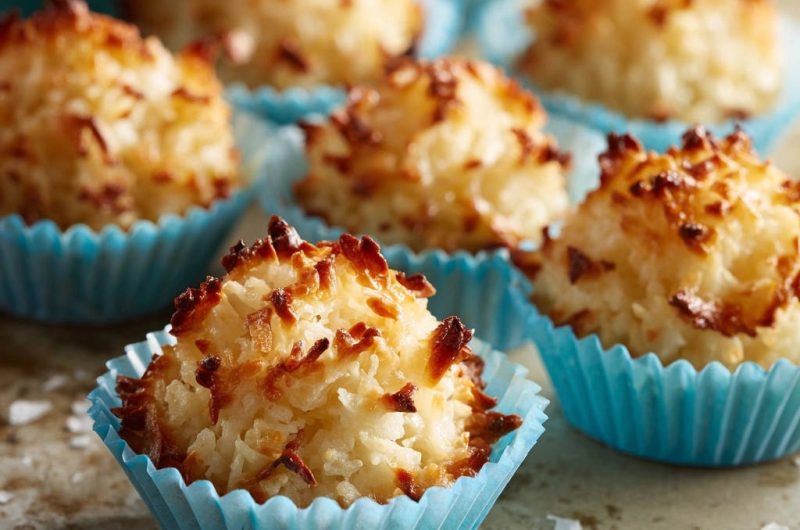
Coconut Macaroons
Course: DessertCuisine: InternationalDifficulty: easy18
macaroons15
minutes20
minutes80
kcal65
minutesStop biting into dry, hard macaroons! This recipe utilizes a simple, crucial resting step to allow the coconut to fully absorb the binder, resulting in a soft, moist, and perfectly chewy interior every time. They bake up deeply golden brown with a set structure.
Ingredients
14 ounces sweetened condensed milk
1 teaspoon vanilla extract
1 large egg white, slightly beaten
1/4 teaspoon sea salt
14 ounces shredded sweetened coconut
Directions
- Preparation for Texture Lock-In Preheat your oven to 325 degrees F. Line a baking sheet with parchment paper or place 18 paper cupcake liners on the sheet. This recipe works best using paper liners to ensure easy release and structural support.
- Mix the Wet Base In a large bowl, combine the sweetened condensed milk, vanilla extract, slightly beaten egg white, and salt. Stir well until completely smooth.
- Combine and Rest THE KEY STEP Pour the shredded coconut into the wet mixture. Use a rubber spatula to fold the coconut into the liquid until every piece is fully coated. Do not overmix, but ensure no dry coconut remains. Cover the bowl and let the mixture rest at room temperature for 30 minutes. This resting time is crucial; it allows the coconut shreds to fully absorb the liquid binder, resulting in a significantly moister, chewier cookie that resists drying out during baking.
- Shape the Macaroons After the mixture has rested, use a small cookie scoop or a rounded tablespoon to form mounds. Press the mixture firmly into the scoop or spoon before releasing it into the prepared paper liners or onto the parchment paper. Firmly pressing them ensures they hold their classic, slightly conical shape and prevents spreading.
- Bake and Toast Place the baking sheet into the preheated oven. Bake for 18 to 22 minutes. The macaroons are finished when the tops are deeply golden brown and the interior looks set but still soft. If the tops are browning too quickly before the time is up, loosely tent the pan with foil for the last five minutes of baking.
- Cool Cool the macaroons completely on the baking sheet before serving. The internal chewiness will fully set as they cool.
Notes
- The 30-minute resting time is crucial for achieving a moist, chewy texture. This recipe works best using paper cupcake liners for easy release.