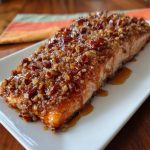
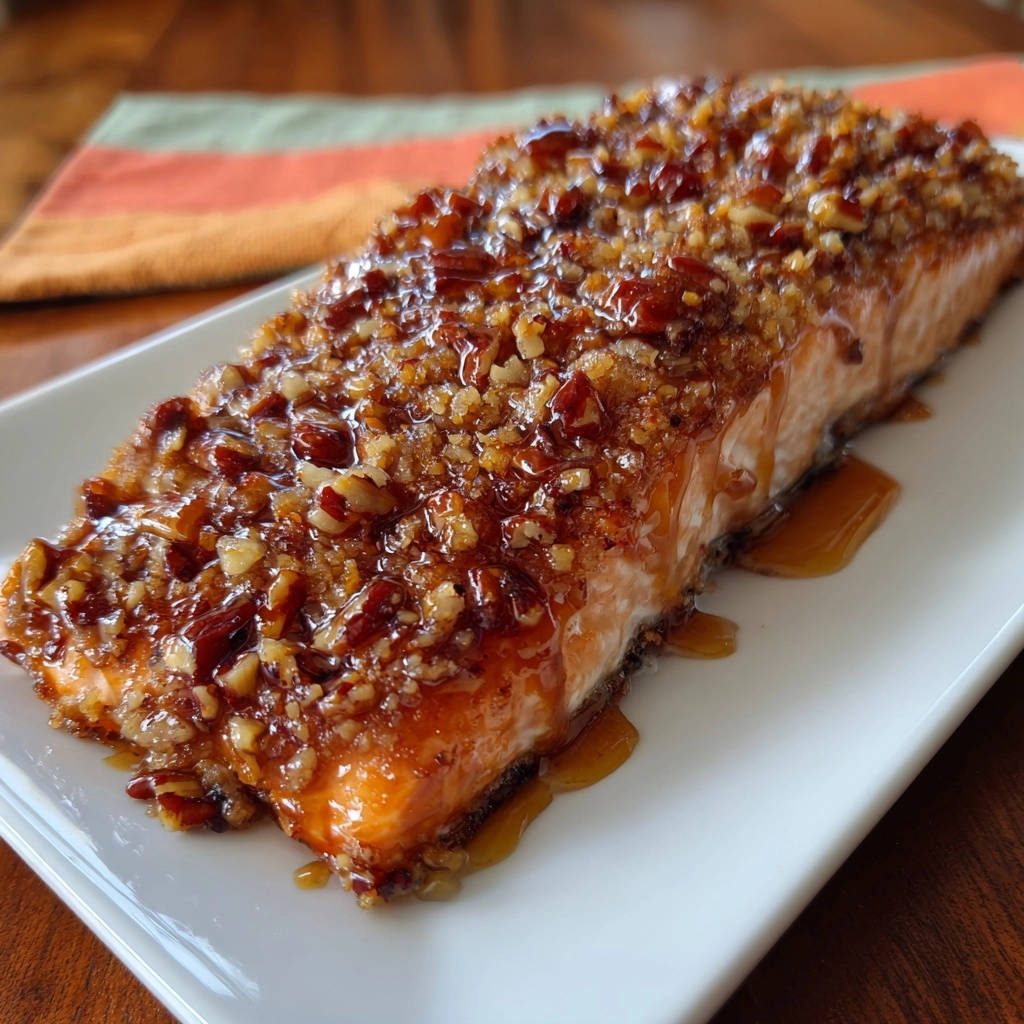
For years, achieving that elusive perfectly cooked salmon-tender, juicy, and never dry-felt like a culinary Everest, especially when aiming for a glorious, crunchy crust. I’ve been there, pulling out overcooked fillets with a sigh. But through countless experiments, I finally cracked the code to this incredible Glazed Pecan Salmon, a recipe that guarantees moist, flaky fish crowned with an irresistibly sticky, nutty topping that will make you feel like a gourmet chef.
Why This Glazed Pecan Salmon Will Revolutionize Your Dinner Table
The “Never Dry” Secret to Perfectly Moist Salmon
The biggest fear with salmon is dryness, but this recipe utilizes a strategic baking method combined with precise doneness indicators.
You’ll achieve a consistently tender and flaky interior that practically melts in your mouth, a true testament to perfectly cooked fish.
That Irresistibly Sticky, Crunchy Pecan Topping
Imagine the delightful contrast of buttery, sweet, and savory glaze meeting the satisfying crunch of toasted pecans.
This signature topping isn’t just delicious; it adds an incredible textural dimension that elevates every single bite of your Glazed Pecan Salmon.
Gourmet Taste, Weeknight Ease: Quick & Simple
Despite its sophisticated appearance and flavor, this recipe is surprisingly straightforward, designed for efficiency.
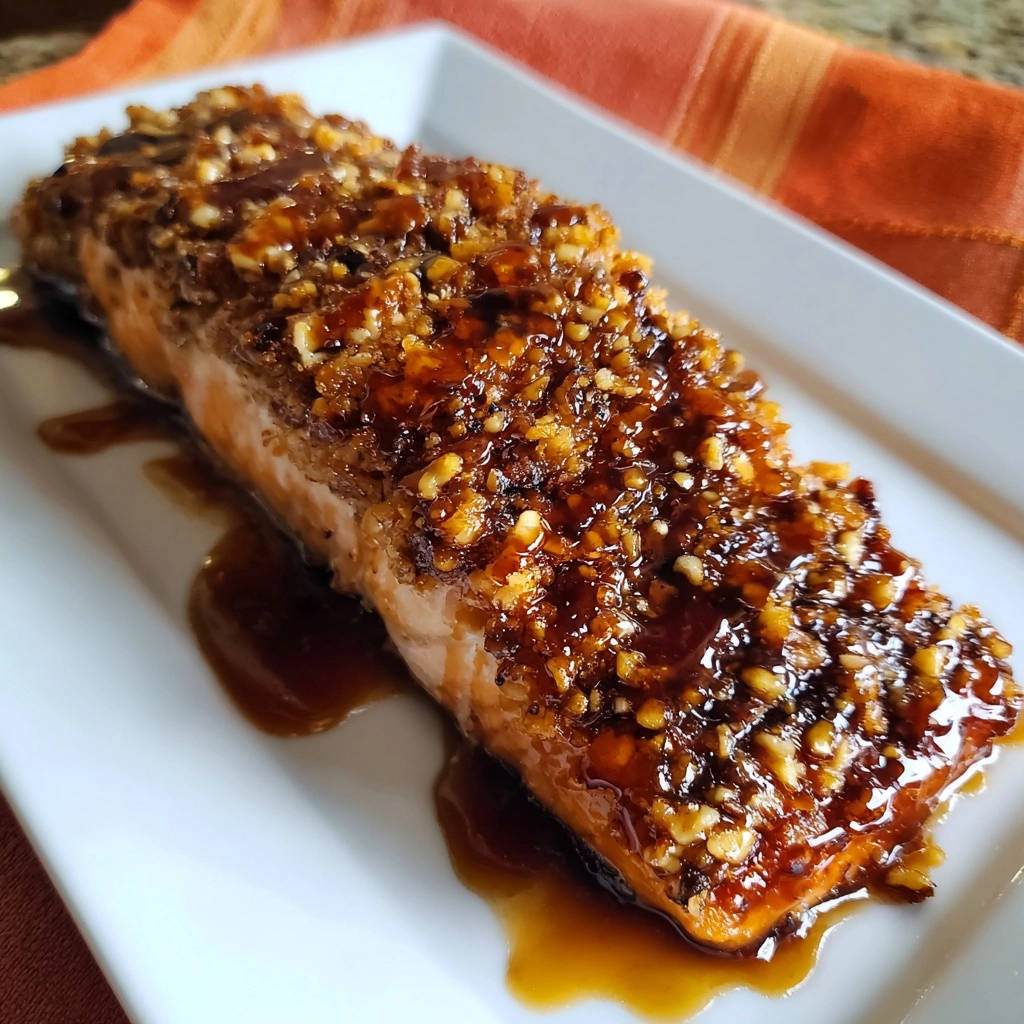
With just 10 minutes of prep and under 20 minutes of cooking, you can have a restaurant-quality meal on your table any night of the week.
Gather Your Gear: Essential Tools for Glazed Pecan Salmon Success
Baking Sheet & Parchment Paper: Your Non-Stick Duo
Lining your baking sheet with parchment paper is a simple trick that prevents any sticking and makes cleanup virtually effortless.
A sturdy baking sheet is also key for ensuring even heat distribution, which translates to perfectly cooked salmon.
Whisk & Bowls: Mixing Up the Magic Glaze
A small whisk is perfect for blending your glaze ingredients until they are beautifully smooth and fully combined.
Having a few small bowls handy for melting butter and mixing ensures a tidy and efficient prep process.
The Instant-Read Thermometer: Your Doneness Detector
This tool is your secret weapon for achieving perfectly cooked salmon without any guesswork or risk of overcooking.
It allows you to accurately measure the internal temperature, ensuring your salmon is both safe to eat and incredibly tender.
Building Blocks of Flavor: Key Ingredients for Glazed Pecan Salmon
Choosing Your Canvas: Perfect Salmon Fillets
Look for salmon fillets that are firm, bright in color, and have a fresh, mild scent, indicating peak freshness.
Whether you choose skin-on or skin-off is a personal preference; skin-on offers a bit more moisture and flavor, while skin-off allows for direct glaze contact.
The Heart of the Glaze: Maple, Brown Sugar & Butter
Pure maple syrup delivers a deep, complex sweetness and contributes significantly to the glaze’s luscious, sticky texture.
Packed brown sugar adds an extra layer of caramel-like richness, enhancing the overall depth of flavor.
Melted butter binds all the glaze components together, providing a velvety richness that coats the salmon beautifully.
The Flavor Makers: Dijon, Garlic, Salt & Pepper
Dijon mustard introduces a subtle, tangy counterpoint that perfectly balances the sweetness of the maple and brown sugar.
Garlic powder adds an essential aromatic warmth, infusing a savory depth that complements the salmon without overpowering it.
Salt and freshly ground black pepper are fundamental seasonings that elevate every other flavor in the dish, bringing everything into delicious harmony.
Crunchy Crown: The Pecan Powerhouse
Chopped pecans are indispensable here, offering a delightful crunch and a rich, earthy flavor that beautifully contrasts with the tender salmon.
You can add a tropical twist to your sweet glazes by trying pineapple glazed baked salmon.
Pressing them firmly onto the glaze ensures they adhere well, creating a substantial and satisfying pecan crust.
Your Journey to Perfection: Crafting Glazed Pecan Salmon, Step-by-Step
Setting the Stage: Preheat & Prepare Your Pan
Preheat your oven to 375°F (190°C) to ensure a consistently hot environment for quick and even cooking.
Line a baking sheet with parchment paper; this simple step prevents the salmon and glaze from sticking, making cleanup a breeze.
Drying & Seasoning: The Foundation of Flavor
Gently pat the salmon fillets completely dry on all sides using paper towels.
This crucial step removes excess surface moisture, which promotes a better sear or crust and prevents the salmon from steaming.
Season both sides of the dry fillets generously with salt and freshly ground black pepper to establish a flavorful base.
Whisking Wonders: Creating the Signature Glaze
In a small bowl, combine the melted butter, pure maple syrup, packed brown sugar, Dijon mustard, and garlic powder.
Whisk these ingredients thoroughly until the mixture is smooth, uniform, and forms a beautifully cohesive glaze ready for application.
Applying the Magic: Glaze & Pecans Adorn Your Salmon
Place the seasoned salmon fillets onto your prepared baking sheet, ensuring they have enough space between them.
Spread a generous amount of the prepared glaze evenly over the top surface of each salmon fillet, covering it completely.
Firmly press the chopped pecans onto the glazed topping, ensuring they adhere well to create a beautiful and even crust.
Baking to Brilliance: The Secret to Moist Flakes
Bake the salmon for 12 to 18 minutes, adjusting the time based on the thickness of your specific fillets.
The salmon is perfectly cooked when it flakes easily with a fork at its thickest part, or when an instant-read thermometer inserted into the thickest part registers 145°F (63°C).
Do not overcook! Begin checking for doneness at the 12-minute mark and continue baking only until the target temperature or flakiness is achieved.
The Golden Touch: Optional Broiling for Crispy Edges
For an extra golden-brown and delightfully crispy pecan crust, you can carefully broil the salmon for the last 1 to 2 minutes of cooking.
Keep a very close eye on it during this step, as the sugar in the glaze and the pecans can burn extremely quickly under high heat.
The Patience Payoff: Resting for Ultimate Juiciness
Once removed from the oven, allow the Glazed Pecan Salmon to rest on the baking sheet for 5 minutes before serving.
This critical resting period allows the internal juices to redistribute throughout the fillet, guaranteeing maximum moistness and tenderness in every bite.
Beyond the Recipe: Expert Tips for Next-Level Glazed Pecan Salmon
The Dry Patting Difference: Why it Matters
Thoroughly patting your salmon dry is a foundational step that significantly impacts the final texture.
Removing surface moisture ensures the glaze adheres flawlessly and promotes a beautiful, crisp exterior rather than a steamed one.
Temperature is Key: Mastering Salmon Doneness
An instant-read thermometer is your most reliable tool for achieving perfect salmon doneness, aiming for 145°F (63°C).
Visually, the salmon should appear opaque throughout but still have a moist, tender flake when gently tested with a fork.
Broiler Best Practices: Watch it Closely!
If you choose to broil, position your baking sheet at least 6 inches from the heat source to minimize the risk of burning the delicate pecans.
Stay vigilant by the oven; the glaze and pecans can caramelize and burn within a matter of seconds, so constant supervision is key.
Don’t Skip the Rest: Maximizing Moisture
The 5-minute resting period is not optional; it’s essential for the juiciest results.
This allows the muscle fibers to relax and reabsorb juices, ensuring your Glazed Pecan Salmon remains incredibly tender and flavorful.
Customizing Your Crunch: Pecan Alternatives
While pecans are classic, feel free to experiment with other nuts like chopped walnuts or slivered almonds for a unique twist.
For an extra layer of texture, explore pistachio crusted salmon.
Ensure any alternative nuts are roughly chopped to a similar size to promote even toasting and adhesion to the glaze.
Experimenting with Glaze Flavors
Add a tiny pinch of cayenne pepper to the glaze for a subtle hint of warmth and spice that beautifully complements the sweetness.
A touch of orange zest or a dash of ginger can also introduce bright, aromatic notes to your Glazed Pecan Salmon glaze.
Common Hurdles, Easy Solutions: Glazed Pecan Salmon Troubleshooting
My Salmon is Dry! What Went Wrong?
The most common cause of dry salmon is overcooking; ensure you remove it from the oven immediately once it reaches 145°F (63°C).
Also, never skip the resting step; it’s crucial for the redistribution of juices and maintaining moisture.
Pecans Won’t Stick to the Glaze. Help!
Ensure you apply a generous, even layer of the glaze, as it acts as the adhesive for the pecans.
Press the chopped pecans firmly onto the glaze; a gentle but definite press will help them adhere securely before baking.
The Glaze is Burning Too Quickly.
This usually indicates the oven temperature is too high or the salmon is too close to the heat source, especially during broiling.
If using the broiler, move the rack further away or reduce the broiling time, carefully watching the salmon for any signs of scorching.
Elevate the Meal: Best Sides & Pairings for Glazed Pecan Salmon
Fresh & Vibrant Vegetable Sides
Roasted asparagus or steamed green beans with a squeeze of fresh lemon provide a crisp, bright, and healthy accompaniment.
Round Out Your Meal
Complement your Glazed Pecan Salmon with these dishes that share warm, nutty flavors or offer a fresh contrast.
- For a refreshing addition that complements the salmon’s richness, consider an Autumn Apple Salad, a crisp and flavorful choice.
- To echo the nutty notes of your salmon, this Sweet Potato Pecan Crunch Casserole Recipe provides a warm, comforting element.
A simple mixed green salad dressed with a light vinaigrette offers a refreshing contrast to the richness of the salmon.
Grains & Starches for a Hearty Meal
A wild rice pilaf or fluffy quinoa makes for an excellent, wholesome base that complements the flavors of the salmon.
Creamy fluffy mashed potatoes are a comforting choice, ready to soak up any delicious extra glaze.
Grape juice & Beverages to Complement
Pair your Glazed Pecan Salmon with a crisp, white grape juice like sparkling grape juice for a delightful culinary experience.
For non-alcoholic options, a sparkling apple cider or unsweetened iced tea with a slice of orange offers a refreshing balance.
Smart Planning: Make-Ahead & Storage Tips for Glazed Pecan Salmon
Can You Assemble This Ahead of Time?
You can certainly prepare the glaze mixture up to 2 days in advance and store it covered in the refrigerator.
For the best texture and freshness, it’s recommended to apply the glaze and pecans just before you’re ready to bake the salmon.
Storing Cooked Glazed Pecan Salmon
Store any leftover Glazed Pecan Salmon in an airtight container in the refrigerator for up to 2-3 days.
Ensure the salmon has cooled completely before sealing the container to prevent condensation and maintain quality.
Reheating Without Losing Moisture
To reheat, gently warm the salmon in a preheated oven at 275°F (135°C) for about 10-15 minutes, or until it’s just warmed through.
Loosely cover the salmon with foil to help retain moisture and prevent it from drying out during the reheating process.
Your Questions Answered: Glazed Pecan Salmon Q&A
What if I don’t have maple syrup or brown sugar?
Honey can be used as a substitute for maple syrup, though it will give the glaze a slightly different flavor profile and consistency.
For brown sugar, white granulated sugar can be used in a pinch, but you might lose some of the deep, caramel notes that brown sugar provides.
Can I make this recipe dairy-free?
Yes, absolutely! Simply swap out the melted butter for your favorite plant-based butter alternative.
The glaze will still be wonderfully rich and flavorful, ensuring your Glazed Pecan Salmon remains delicious.
Is it possible to cook this on the stovetop or grill?
While this recipe is optimized for baking, you can achieve a similar result by pan-searing the salmon first to crisp the skin, then finishing it in a hot oven or under the broiler with the glaze.
For grilling, apply the glaze during the last few minutes of cooking over indirect heat to prevent the sugars from burning while still allowing them to caramelize.
How do I choose the freshest salmon?
Look for salmon fillets with bright, moist flesh that shows no signs of gapping or dullness and springs back when gently pressed.
The fish should have a mild, fresh ocean scent, not an overly fishy odor, which is a key indicator of freshness.
Ready to Create & Share Your Glazed Pecan Salmon Masterpiece?
Now that you have all the insider tips and tricks, you’re ready to bring this show-stopping Glazed Pecan Salmon to your own kitchen. It’s truly a dish that feels special yet comes together with remarkable ease, perfect for impressing guests or simply treating yourself to something extraordinary.
Go ahead, give this recipe a try tonight, and prepare to be amazed by the tender salmon and that unforgettable pecan crust. Don’t forget to pair it with some vibrant sautéed vegetables for a complete and balanced meal. Share your creations and let me know how much you loved it!
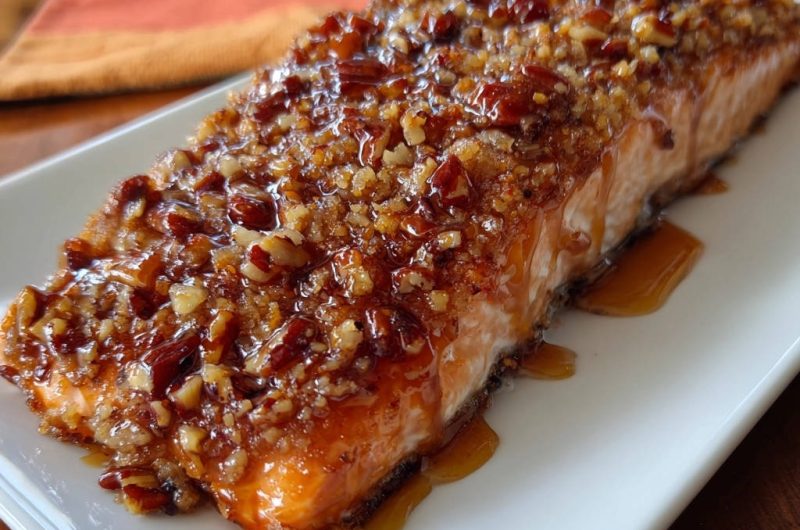
Glazed Pecan Salmon
Course: Main CourseCuisine: AmericanDifficulty: easy2
servings10
minutes15
minutes750
kcal25
minutesDiscover the secret to perfectly cooked salmon that stays incredibly tender and flaky. This game-changing method ensures a gorgeous, sticky pecan topping, making every bite delicious.
Ingredients
2 salmon fillets (about 6 oz each), skin on or off
1/2 cup chopped pecans
2 tablespoons butter, melted
2 tablespoons maple syrup
1 tablespoon brown sugar, packed
1/2 teaspoon dijon mustard
1/4 teaspoon garlic powder
Salt to taste
Black pepper to taste
Directions
- Preheat your oven to 375 degrees Fahrenheit (190 degrees Celsius). Line a baking sheet with parchment paper for easy cleanup.
- Pat the salmon fillets completely dry with paper towels. Season both sides with salt and black pepper.
- In a small bowl, whisk together the melted butter, maple syrup, brown sugar, dijon mustard, and garlic powder until well combined.
- Place the salmon fillets on the prepared baking sheet. Spread a generous amount of the glaze mixture over the top of each fillet.
- Press the chopped pecans firmly onto the glazed topping of each salmon fillet. Make sure they adhere well.
- Here’s the trick to perfectly moist salmon: Bake the salmon for 12 to 18 minutes, depending on the thickness of your fillets. Salmon is done when it flakes easily with a fork at its thickest part, or when an instant read thermometer inserted into the thickest part reads 145 degrees Fahrenheit (63 degrees Celsius). Do not overcook! Check at the 12 minute mark and continue baking only until it reaches desired doneness.
- For an extra golden brown crust, you can carefully broil the salmon for the last 1 to 2 minutes, watching it closely to prevent burning the pecans.
- Remove from oven and let rest for 5 minutes before serving. This allows the juices to redistribute, ensuring maximum moistness.
Notes
- For moist salmon, do not overcook; check for doneness around 12 minutes. Broil for a golden crust, and rest 5 minutes before serving to ensure maximum moistness.