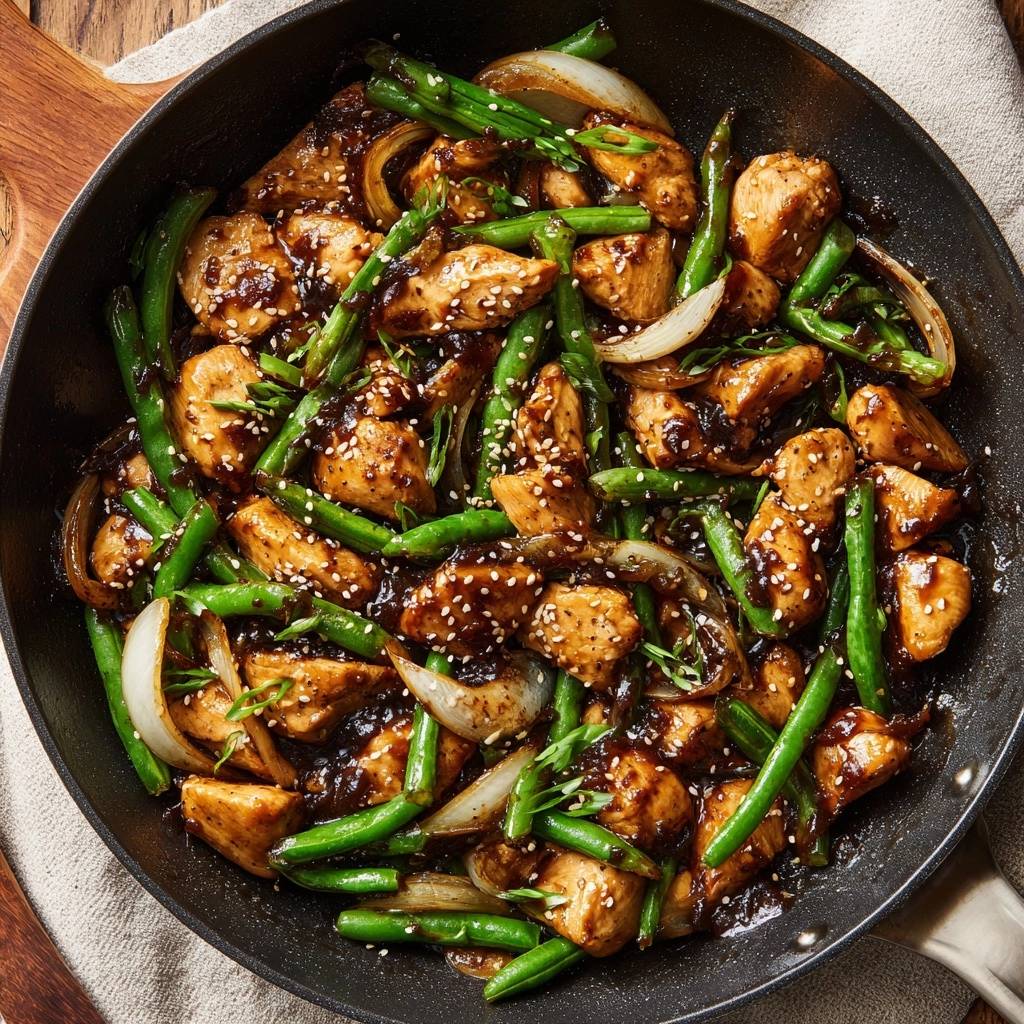
Stop settling for mushy, grey vegetables in your stir-fry. The biggest frustration with home cooking is ending up with limp green beans and rubbery chicken that tastes more like a cafeteria side dish than a restaurant-quality meal. This Sesame Ginger Chicken and Green Bean Stir-Fry solves that problem by focusing on the specific physics of high-heat searing and moisture control.
The magic lies in the sensory contrast between the snappy, blistered green beans and the tender chicken coated in a thick, dark glaze. You want that audible “crunch” when you bite into a bean, followed by the savory, ginger-forward warmth of the sauce. It’s a balance of textures that most home cooks miss because they overcrowd the pan or steam their vegetables for too long.
The secret to this success is the “Anti-Soggy” technique, which uses a flash-steam method followed by a dry sear. By controlling the water content in the pan, you ensure the chicken browns properly through the Maillard reaction instead of boiling in its own juices. This approach guarantees a glossy, velveted finish that clings to every ingredient rather than pooling at the bottom of your bowl.
The Science of the Anti-Soggy Bean Secret
Traditional boiling or long sautéing ruins the chlorophyll and cell structure of the green bean, turning it from a vibrant emerald to a dull, unappetizing olive green. When you boil a bean, the cell walls break down completely, leading to that mushy texture we all want to avoid. To keep them snappy, we utilize the thermodynamics of a hot wok and a tiny splash of water.
When you add two tablespoons of water to a shimmering hot pan and immediately cover it, you create a high-pressure steam environment. This latent heat of steam penetrates the interior of the bean almost instantly, cooking it through in under 90 seconds. However, because the water evaporates quickly once the lid is removed, the dry heat of the pan can then blister the exterior skin.
This dual-action cooking method gives you the best of both worlds. You get a bean that is fully cooked and tender on the inside but retains its structural integrity and a charred, smoky flavor on the outside. It is the most effective way to mimic the “wok hei” or “breath of the wok” found in professional kitchens without needing a high-BTU commercial burner.
Essential Components for the Dark Umami Glaze
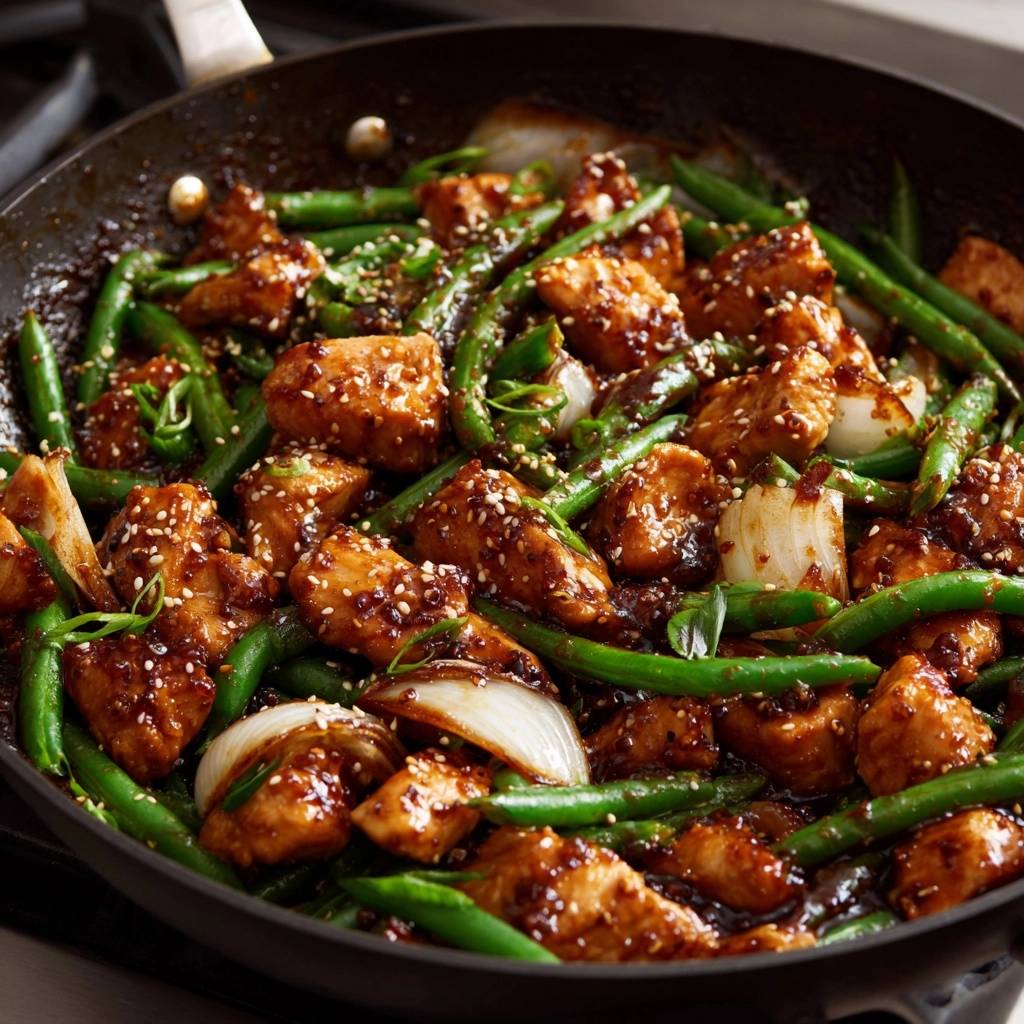
The soul of this dish is the dark umami glaze, which relies on a specific combination of soy products. Regular soy sauce provides the necessary salt and seasoning, but dark soy sauce is the real hero for that deep, mahogany color and slightly thicker viscosity. Dark soy is aged longer and often contains a hint of molasses, which adds a complex sweetness and a rich “cling” factor to the sauce.
For a deeper dive into that sweet and savory glaze, check out these sticky sesame chicken thighs.
Fresh ginger is absolutely non-negotiable here. While powdered ginger has its place in baking, it lacks the sharp, peppery bite and aromatic oils required for a proper stir-fry. When you mince fresh ginger, those oils release into the sauce, cutting through the saltiness of the soy. Similarly, fresh garlic provides a pungent foundation that mellows into a nutty sweetness as it hits the hot oil.
Honey acts as the essential balancing agent in this recipe. It does more than just sweeten the dish; it provides the sugars necessary for a rapid Maillard reaction. This helps the sauce caramelize against the heat of the pan, creating a sticky, glossy coating. If you prefer a more earthy sweetness, brown sugar is an excellent substitute, as its molasses content complements the dark soy sauce perfectly.
Why Cornstarch is Non-Negotiable for Texture
Cornstarch is the key to the “velveting” effect that defines high-end stir-fry. Without it, your sauce will remain a thin, watery liquid that runs off the chicken and soaks into your rice. When the cornstarch slurry hits the hot pan, the starches gelatinize instantly, thickening the liquid into a heavy glaze.
This thickener acts as a binding agent, ensuring that the ginger, garlic, and soy flavors actually stick to the protein and vegetables. It creates a smooth, silky mouthfeel that protects the chicken from drying out. Always remember to whisk your sauce one last time right before pouring it in, as cornstarch tends to settle at the bottom of the bowl.
Selecting and Prepping Fresh Green Beans
Quality starts with the “snap” test. When you bend a fresh green bean, it should break cleanly with a sharp sound. If it bends or feels rubbery, it has lost too much moisture and will likely turn out stringy. Look for beans that are firm, smooth, and free of brown soft spots.
For prep, trimming the tough stem end is a must, but many chefs leave the delicate, tapered tail for a more rustic, elegant look. Ensure your beans are cut into uniform lengths, roughly two to three inches. This uniformity is not just for aesthetics; it ensures every bean finishes cooking at the exact same moment during the flash-steam phase.
Step-by-Step: Searing the Chicken and Vegetables
Phase one begins with the high-heat bean blister. You want your oil shimmering and almost at the smoking point. Once the beans hit the pan, that splash of water and the lid are your tools for speed. The goal is to hear a loud hiss, which signals the steam is doing its job. As soon as the water is gone, let the beans sit for thirty seconds to get those beautiful charred spots before pulling them out.
Phase two focuses on the Maillard reaction with the chicken. Wipe the pan to remove any leftover moisture, as moisture is the enemy of a good sear. Add your oil and then the chicken, but here is the crucial part: do not touch it. Let the meat sit undisturbed for at least two minutes. If you move it too soon, you break the contact with the heat, and the chicken will “stew” in its own juices, turning grey and rubbery.
Phase three is the aromatic infusion. Once the chicken has a golden crust, toss in the thick onion wedges. You want the onions to hit the hot surface of the pan so they develop charred edges while remaining structurally firm. If you cook them too long, they lose their bite and become translucent. The goal is a crisp-tender onion that adds a sweet, sharp contrast to the savory chicken.
Finally, return the beans to the pan and pour over the sauce. This is the moment of transformation. As you toss everything over high heat, the sauce will bubble and darken, turning into a thick, glossy lacquer in about 60 seconds. The heat must stay high during this stage to activate the cornstarch properly and ensure the glaze coats every nook and cranny of the chicken.
Avoiding Common Stir-Fry Mistakes
The most common mistake is a drop in pan temperature. If you notice liquid pooling in the pan while searing the chicken, your heat is too low or you have added too much meat at once. If this happens, remove the chicken, drain the liquid, get the pan screaming hot again, and finish the sear in smaller batches.
If your sauce becomes too thick or “gloopy,” don’t panic. You can easily thin it out by adding a tablespoon of chicken broth or water. Avoid adding more soy sauce to thin it, as this will make the dish overly salty. Conversely, if the sauce isn’t thickening, it usually means the pan isn’t hot enough to activate the cornstarch, so turn up the flame for thirty seconds.
Flavor Variations and Ingredient Swaps
You can easily adjust the heat levels of this dish to suit your palate. While the recipe is savory and mild, adding a teaspoon of chili garlic sauce or sriracha provides a nice back-of-the-throat heat. For a cleaner, sharper spice, try adding a pinch of red pepper flakes during the aromatic phase with the onions.
This ginger-sesame base is incredibly versatile. You can swap the chicken breast for flank steak or even firm tofu. If using tofu, be sure to press it well to remove excess water so it can achieve a crispy exterior. For those monitoring sodium, use a low-sodium soy sauce and increase the amount of fresh ginger and garlic to maintain a bold flavor profile.
For a different chicken flavor, explore this orange rosemary chicken.
Optimal Pairings for a Balanced Meal
Jasmine rice is the classic pairing for this stir-fry because its floral aroma complements the ginger and sesame perfectly. If you prefer a heartier, nuttier texture, brown rice works well and stands up to the heavy glaze. For a low-carb option, cauliflower rice is an excellent vessel for soaking up the extra sauce.
Complementary Dishes
To round out your meal with the Sesame Ginger Chicken and Green Bean Stir-Fry, consider these refreshing options.
- For a lighter, vibrant addition, try this Asian Chicken Salad, featuring familiar flavors with a delightful crunch.
- Enjoy another cool and crisp experience with this Spicy Cucumber Edamame Salad, offering a pleasant textural contrast.
To add a bright, acidic contrast to the rich umami flavors, consider serving a side of quick-pickled cucumbers. Simply toss sliced cucumbers with a little rice vinegar and a pinch of sugar. This acidity cuts through the salt and honey, refreshing your palate between bites of the savory chicken and snappy beans.
Troubleshooting and Expert Tips
How do I get the chicken extra crispy?
The most important step is to pat the chicken completely dry with paper towels before seasoning or cooking. Any surface moisture will turn into steam the moment it hits the oil, which prevents the golden-brown crust from forming. For an even better sear, let the chicken sit uncovered in the fridge for 30 minutes to dry out the skin.
Can I use frozen green beans?
Frozen green beans are generally not recommended for this specific recipe because they have been blanched and frozen, which softens their cell walls. They will release a lot of water and likely become mushy. If you must use them, thaw them completely and pat them very dry, then skip the “flash-steam” step and go straight to a high-heat sear.
What if I don’t have a wok?
A heavy-bottomed cast iron or stainless steel skillet is actually a superior substitute to a thin non-stick pan. Non-stick coatings often can’t handle the extreme high heat required for a proper sear. Cast iron excels at heat retention, meaning the pan temperature won’t drop as much when you add the cold chicken, ensuring a better crust.
How long does this stay fresh for meal prep?
This stir-fry stays fresh in an airtight container for 3 to 4 days. To preserve the texture of the green beans, it is best to reheat it on the stovetop over medium-high heat for 2 minutes. If using a microwave, heat in 30-second intervals and stop as soon as it is warm to avoid overcooking the beans into a soft state.
Sesame Ginger Chicken
Course: Main CourseCuisine: Asian-AmericanDifficulty: easy4
servings15
minutes12
minutes360
kcal27
MinutesA vibrant and flavorful stir-fry featuring tender chicken breast and blistered green beans coated in a thick, dark sesame ginger sauce. This recipe focuses on a flash-steaming technique to ensure vegetables stay crisp and bright.
Ingredients
1.5 lbs chicken breast, cut into bite-sized pieces
1 lb fresh green beans, trimmed
1 large white onion, sliced into thick wedges
3 tablespoons soy sauce
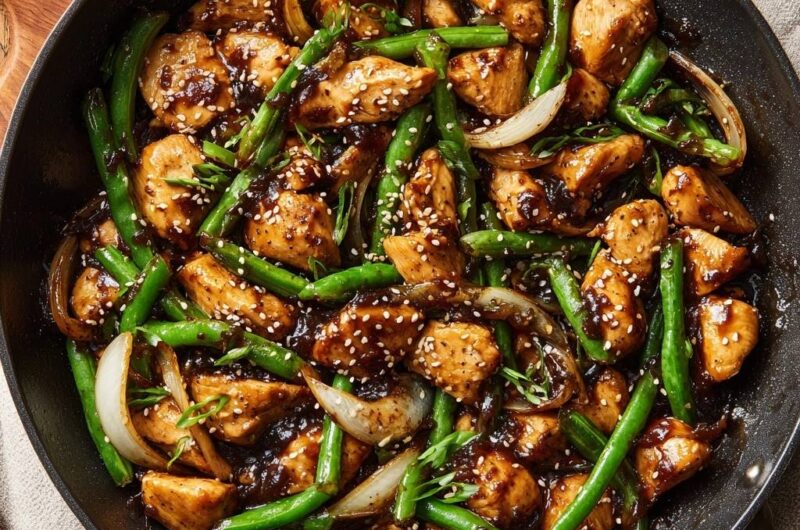
1 tablespoon dark soy sauce (for the deep color shown in image)
1 tablespoon honey or brown sugar
1 tablespoon fresh ginger, minced
2 cloves garlic, minced
1 teaspoon cornstarch (essential for the thick glaze)
1 teaspoon chili garlic sauce or sriracha (optional, for depth)
2 tablespoons vegetable oil, divided
1 tablespoon toasted sesame seeds
2 green onions, sliced on a bias for garnish
Directions
- The Secret to Snappy Beans: Heat 1 tablespoon of oil in a large skillet or wok over high heat until shimmering. Add the green beans and a splash of water (about 2 tablespoons). Immediately cover with a lid for 60-90 seconds. This flash-steams the interior while the high heat blisters the skin. Remove the lid, cook for 1 more minute until the water evaporates and beans are bright green with charred spots. Remove beans from the pan and set aside.
- Prepare the Glaze: In a small bowl, whisk together the soy sauce, dark soy sauce, honey, ginger, garlic, and cornstarch until the starch is fully dissolved.
- Sear the Chicken: Wipe the pan and add the remaining oil. Add the chicken in a single layer. Do not crowd the pan or the meat will boil in its own juices rather than sear. Let it sit undisturbed for 2-3 minutes to develop a deep golden-brown crust. The chicken is done when it reaches 165°F (74°C) in the thickest part.
- Add the Aromatics: Add the sliced white onions to the chicken and toss frequently for 2 minutes. The onions should begin to char on the edges but remain structurally firm.
- The Glossy Finish: Return the green beans to the pan. Give the sauce a quick stir to incorporate any settled cornstarch and pour it over the mixture. Toss everything over high heat for 60-90 seconds. The cornstarch will activate, transforming the liquid into the thick, dark, glossy glaze seen in the image.
- Garnish and Serve: Remove from heat immediately to prevent the beans from softening. Garnish heavily with toasted sesame seeds and sliced green onions. Serve immediately.
Notes
- To achieve the deep dark color, use dark soy sauce as specified. Do not crowd the pan during the chicken searing phase to ensure a golden-brown crust rather than steamed meat.