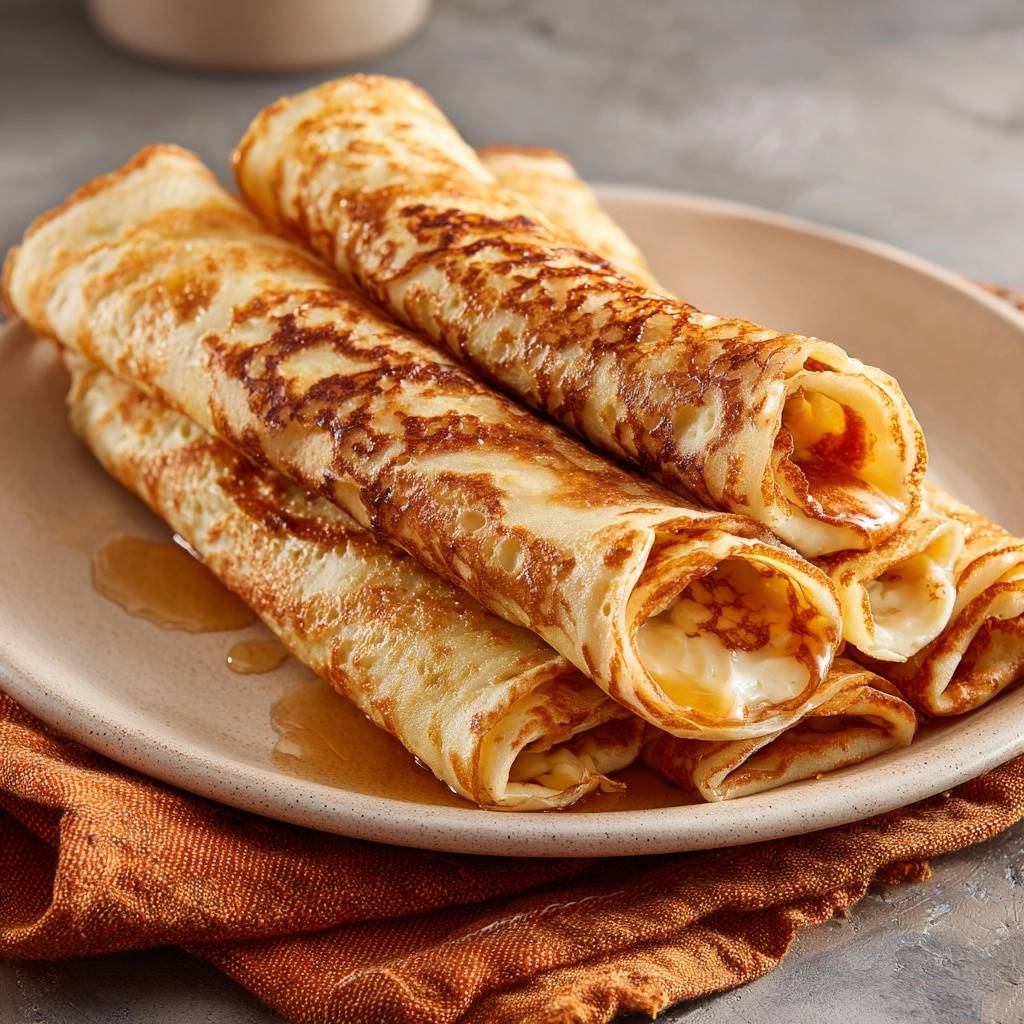
Ever flipped a crepe only to watch it shred into a floppy mess? You’re not alone. Most home cooks battle torn perfect crepes because they skip the rest step. But this method changes everything. Dinner’s on the table fast, with intact crepes ready to roll before takeout even arrives.
Why do perfect crepes fail so often? Rushed batter doesn’t let gluten relax, so it tears on the flip. However, a simple 30-minute fridge rest fixes that. In addition, hot butter in the pan creates a nonstick shield. You’ll get thin, golden perfection every time.
The real secret lies in blending smooth, then resting cold. This hydrates flour evenly, so batter spreads without ripping. Trust me, one try and you’ll ditch store-bought forever. Let’s master perfect crepes together.
Core Ingredients for Flawless Perfect Crepes
Start with 1 cup all-purpose flour. It gives structure without toughness. Room temperature eggs, two large ones, blend seamlessly to prevent lumps. In addition, 1 1/4 cups milk ensures pourable consistency for thin spreads.
Melted butter, 2 tablespoons, adds tenderness and richness. A pinch of salt, 1/4 teaspoon, sharpens flavors. Use fresh milk for best results; skim works but whole creates silkier perfect crepes. Butter or neutral oil keeps the pan nonstick.
| Ingredient | Amount |
|---|---|
| All-purpose flour | 1 cup |
| Large eggs | 2 |
| Milk | 1 1/4 cups |
| Melted butter | 2 tbsp + more for pan |
| Salt | 1/4 tsp |
Flour and Milk Ratio Precision
The 1:1.25 flour-to-milk ratio makes batter flow thin without puddling. Too much flour? It tears. Too much milk? Crepes turn rubbery. Therefore, measure precisely for perfect crepes that flip clean.
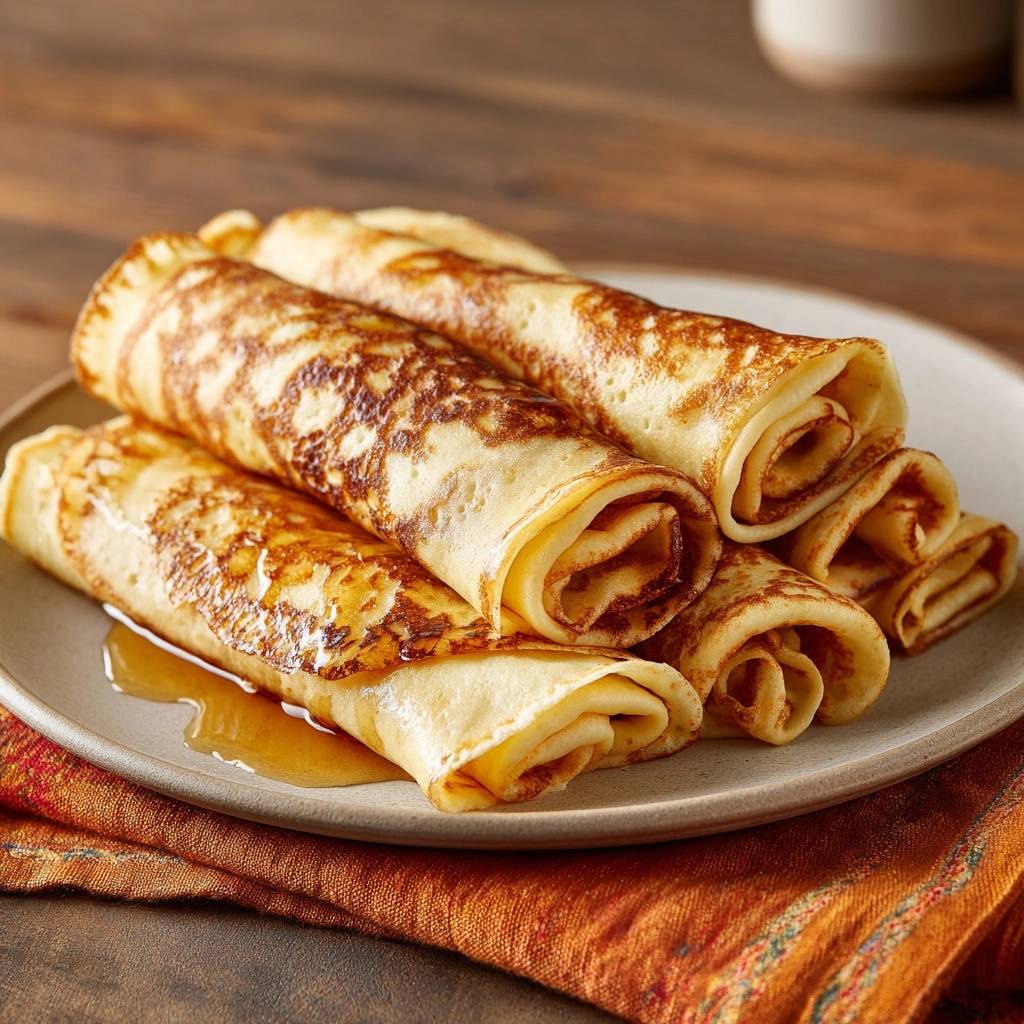
Tested ratios show this balance spreads to 6-8 inches evenly. Adjust by a tablespoon if your milk’s thick. You’ll smell sweet success as it cooks.
Melted Butter’s Non-Stick Magic
Two tablespoons of melted butter emulsifies into the batter for supple texture. Fat coats gluten strands, preventing stickiness. Extra brushed on the hot pan forms a barrier, so perfect crepes release effortlessly.
Without it, batter bonds to metal. Science backs this: fat repels moisture, aiding clean lifts. Oh man, that first golden flip feels like victory.
Science of Rested Batter in Perfect Crepes
Resting batter 30 minutes in the fridge transforms it. Flour absorbs liquid fully, relaxing gluten proteins. No rest means stiff batter that rips on the pan.
Cold rest slows hydration evenly. Blender beats whisk here, creating lump-free smoothness in 30 seconds. However, don’t overblend or you trap too much air, causing holes.
Post-rest, batter looks silkier, flows better. This step alone saves your perfect crepes from disaster. Pro tip: rest overnight for even tender results.
Gluten Relaxation Explained
Gluten forms when flour meets liquid, tightening like rubber bands. Rest unwinds them molecularly. Batter goes from grainy to glossy, spreading thin without tears.
Before rest, it’s sticky; after, it glides. Feel the difference as you pour. Perfect crepes demand this patience.
Blender Smoothness Advantage
A quick blender whirl eliminates lumps better than whisking. It incorporates air minimally if pulsed right. Strain if bubbly for flawless perfect crepes.
Hand-mixing leaves bits that snag on flips. Blender wins for speed and silkiness. Your first batch proves it.
Essential Tools for Perfect Crepes Success
Grab a 10-inch nonstick skillet. Smaller sizes bunch batter; larger makes holes. A pastry brush spreads butter thin, beating paper towels for even coverage.
Thin spatula loosens edges gently. Blender ensures smooth batter fast. Budget nonstick works fine; heat it right and it lasts.
Pro tip: preheat fully to avoid shocks. These tools make perfect crepes foolproof.
Nonstick Skillet Heating Guide
Heat over medium 2 minutes for even thermal balance. Cold pans shock batter into sticking. Flick water; it should dance off.
Cast iron works if seasoned well, but nonstick forgives beginners. Hot pan means perfect crepes slide free.
Mastering the Pour and Spread Technique
Pour 1/4 cup batter dead center. Lift and tilt in circles fast. It spreads to a thin 6-8 inch round, edges setting first.
Watch for translucent shine turning matte. Swirl gently; force it and you’ll tear. Practice on scrap paper first for wrist feel.
Common fail: slow tilt makes thick spots. Speed ensures even, lacy perfect crepes. Smell butter toasting? You’re golden.
Pan Tilt for Uniform Thinness
Centrifugal force from tilting spreads batter outward evenly. Quick circles prevent drips. Aim for paper-thin; thicker means chewiness.
Practice empty pan tilts. Consistency yields stackable perfect crepes every time.
Flipping Without Tearing Perfect Crepes
Edges lift and bottom shows golden lace? Loosen fully with spatula tip. One smooth wrist flick flips it intact.
Rested batter and butter guarantee clean release. Cook second side 30-60 seconds till spotted brown. Steam helps it peel free.
Stack on a plate under a towel to stay soft. Re-butter each time. No tears, just perfect crepes ready to fill.
Second-Side Cooking Timing
Max 60 seconds avoids toughness. Steam builds under the crepe, easing release. Peek for light brown; overdo it and edges crisp too much.
Perfect crepes flex without breaking here. Timing nails it.
For a similarly light and airy treat, consider this irresistible coconut cake.
Avoiding Common Perfect Crepes Mistakes
Skipping rest causes tears; batter fights the pan. Cold skillet sticks everything. Overpour puddles into pancakes.
Hot butter layer is non-negotiable; it seals perfection. High heat curls edges prematurely. Medium keeps them pliable.
Pro tip: if batter thickens mid-batch, whisk in milk spoonfuls. Stay calm; fixes are simple for perfect crepes.
Sticking and Ripping Fixes
Torn? Batter wasn’t rested or pan’s dry. Wipe cool pan, re-butter hot. Thick batter? Thin with milk.
Symptoms point to fixes fast. Next crepe saves the stack.
Savory and Sweet Perfect Crepes Variations
Sweet fans, roll with maple syrup. Or spread Nutella, add bananas. Savory? Layer ham and cheese post-flip, fold over.
Fruit compote bursts juicy; spinach-feta wilts savory inside. Same batter works; skip extra butter for less richness in mains.
Fold or roll post-cook while warm. These twists make perfect crepes versatile stars.
Buckwheat Flour Adaptation
Mix 50/50 buckwheat and all-purpose for nutty earthiness. Add extra milk; it’s thirstier. Gluten-free blends work but rest longer.
Flavor shines savory. Perfect crepes get a gourmet edge.
Storage and Reheating Perfect Crepes
Stack cooled perfect crepes with parchment between, cover airtight. Fridge holds 2 days soft. Freeze stacks up to 3 months.
Reheat in microwave 10 seconds per crepe, or oven at 350°F wrapped in foil. Avoid crispness; steam revives pliability.
Make-ahead batches shine for brunch. Pro tip: thaw overnight in fridge.
Freezing for Batch Perfection
Freeze flat on sheet, then bag with parchment. Thaw at room temp; reheat steams out flexibility. No graininess here.
Perfect crepes bounce back like fresh.
Pairing Sides with Perfect Crepes
Breakfast? Pile berries and yogurt. Brunch pairs bacon crisps with scrambled eggs. Dessert needs vanilla ice cream scoop.
Balance sweet drizzles with savory bites. Whipped cream mounds high for indulgence. Perfect crepes elevate any spread.
Classic Syrup Drizzles
Warm maple syrup absorbs best; microwave 15 seconds. Honey thins nicely too. Drizzle generously over rolls.
Sticky bliss clings just right.
Troubleshooting Perfect Crepes Issues
Problems happen. Here’s quick fixes for perfect crepes every time.
Batter Too Thick Solutions
Add milk 1 tablespoon at a time, rest 5 minutes, retest pour. Blame flour absorption. Thin batter flips free.
Hole Formation Prevention
Blender aerates; rest deflates bubbles, or strain through sieve. No more Swiss cheese crepes. Smooth wins.
Uneven Cooking Hacks
Check pan hot spots; rotate if needed. Consistent 1/4 cup pour evens it. Medium heat steadies results.
FAQ
How do I store leftover perfect crepes?
Layer cooled perfect crepes with parchment paper to prevent sticking, then stack in an airtight container. They’ll stay soft in the fridge for up to 2 days. For longer storage, freeze the stack flat in a freezer bag for 3 months; they thaw pliable without toughness. Reheat gently in a microwave for 10-15 seconds or a 350°F oven wrapped in foil to restore warmth and flexibility.
Why do my perfect crepes tear when flipping?
Tearing usually means the batter didn’t rest, so gluten stays tight and resists spreading. Always fridge it 30 minutes minimum; overnight works best. Also, ensure the pan’s screaming hot with fresh butter brushed on, creating that nonstick release. If edges don’t lift easily, loosen fully before flipping in one motion.
Can I substitute ingredients in perfect crepes?
No milk? Use almond or oat milk, but add 1 extra tablespoon for creaminess since they’re thinner. Swap butter with neutral oil if dairy-free, keeping 2 tablespoons in batter for tenderness. All-purpose flour’s ideal, but a 50/50 buckwheat mix adds savoriness; increase milk slightly as it absorbs more.
Why are there holes in my perfect crepes?
Over-blending whips in air bubbles that pop during cooking. Blend just 30 seconds, rest to deflate, and strain if needed for silkiness. Also, pour steadily into the pan center; drips cause gaps. Rested batter spreads solid every time.
How do I reheat perfect crepes without drying them out?
Microwave one or two at a time on a damp paper towel for 10 seconds; steam keeps them soft. Oven method: wrap in foil at 350°F for 2-3 minutes. Avoid direct heat or toaster; it crisps edges too much. Freshly reheated, they roll like new.
Can I make perfect crepes ahead for a party?
Absolutely, batch-cook and stack under a towel to stay pliable. Fridge or freeze as above, then reheat just before serving. Fill savory with cheese-ham melts or sweet with fruit right at the table. Guests love the show, and they hold shape perfectly.

Crepes
Course: BreakfastCuisine: FrenchDifficulty: easy8
crepes10
minutes20
minutes150
kcal60
MinutesTired of crepes that rip apart when you flip them? This foolproof method uses a rested batter and hot buttered pan technique to ensure they release perfectly every time, staying intact for easy rolling and drizzling with syrup.
Ingredients
1 cup all-purpose flour
2 large eggs
1 1/4 cups milk
2 tablespoons melted butter, plus more for the pan
1/4 teaspoon salt
Butter or neutral oil for cooking
Maple syrup for serving
Directions
- In a blender, combine flour, eggs, milk, melted butter, and salt. Blend until smooth, about 30 seconds. Pour into a bowl, cover, and rest in the fridge for 30 minutes. This relaxes the gluten so the batter spreads thin without tearing.
- Heat a 10-inch nonstick skillet over medium heat for 2 minutes until hot. Brush with a thin layer of melted butter using a pastry brush. This creates the non-stick barrier that prevents sticking and tearing.
- Pour 1/4 cup batter into the center. Immediately lift and tilt the pan in a circular motion to spread into a thin, even layer. Cook 1-2 minutes until edges lift and bottom is golden with lacy spots.
- Gently loosen edges with a thin spatula, then flip with one smooth motion. The rested batter and butter ensure it releases cleanly without ripping. Cook 30-60 seconds on the second side until lightly browned.
- Slide onto a plate and cover with a towel to keep soft. Repeat with remaining batter, re-buttering the pan each time for perfect non-stick results.
- Roll crepes and serve warm with maple syrup drizzled over top. Enjoy tear-free perfection!
Notes
- Resting the batter for 30 minutes is key to preventing tears. Re-butter the pan lightly between each crepe for perfect non-stick results.