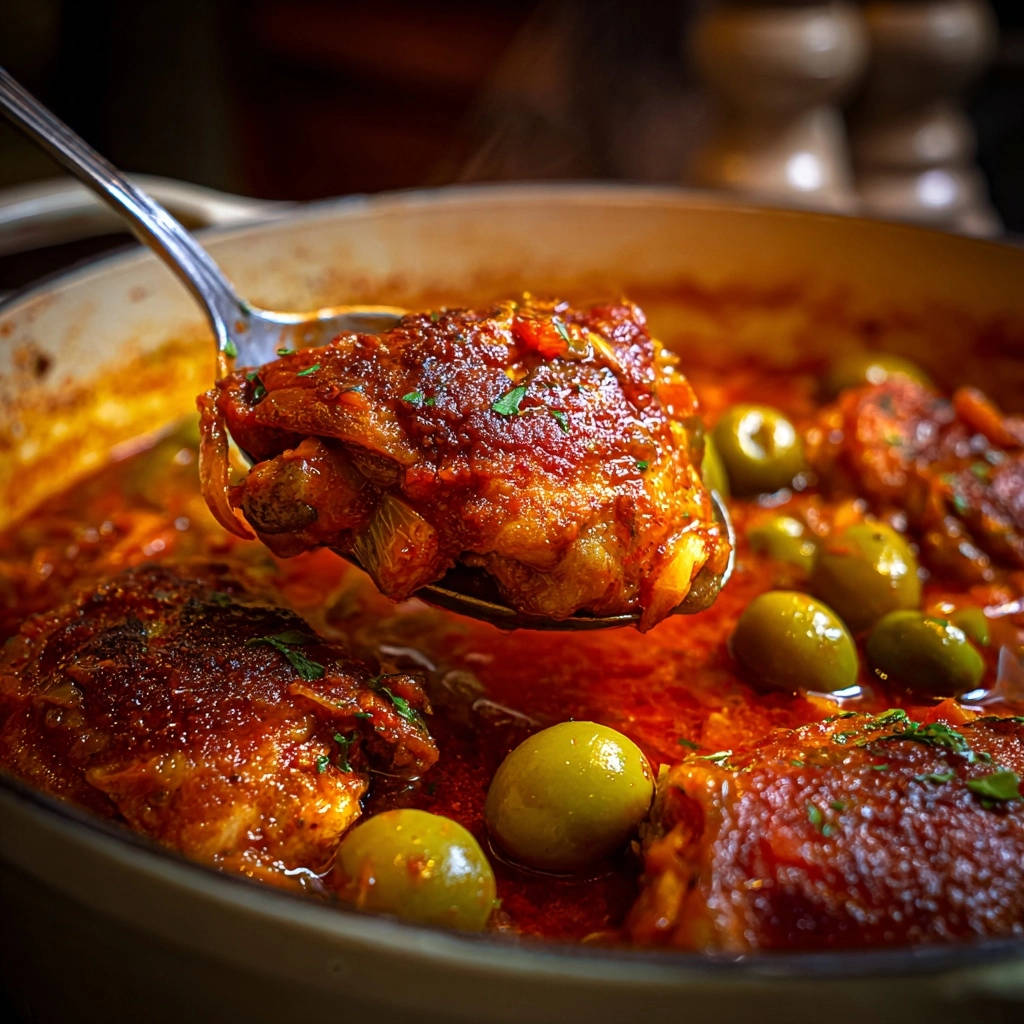
For years, my attempts at braised chicken yielded a decent but disappointingly thin sauce, lacking that profound restaurant-quality depth.
The secret to achieving truly rich flavor in Savory Braised Chicken Thighs and Olives isn’t just time; it’s mastering the two critical initial steps-the deep sear and the caramelization of the tomato paste.
This foolproof method guarantees an irresistible, deeply savory sauce that transforms humble ingredients into a spectacular meal, avoiding the common pitfalls of watery braises.
Beyond Bland: What Makes This Braised Chicken Truly Savory?
The Power of the Fond: Building the Deepest Base
Fond refers to the deeply browned, caramelized proteins and sugars that stick to the bottom of the pan after searing the meat.
This concentrated, savory residue is the fundamental flavor driver for any rich braise, providing complexity that simple broth alone cannot achieve.
When deglazing the pot, these dark bits dissolve, instantly creating the deep, umami base for your sauce.
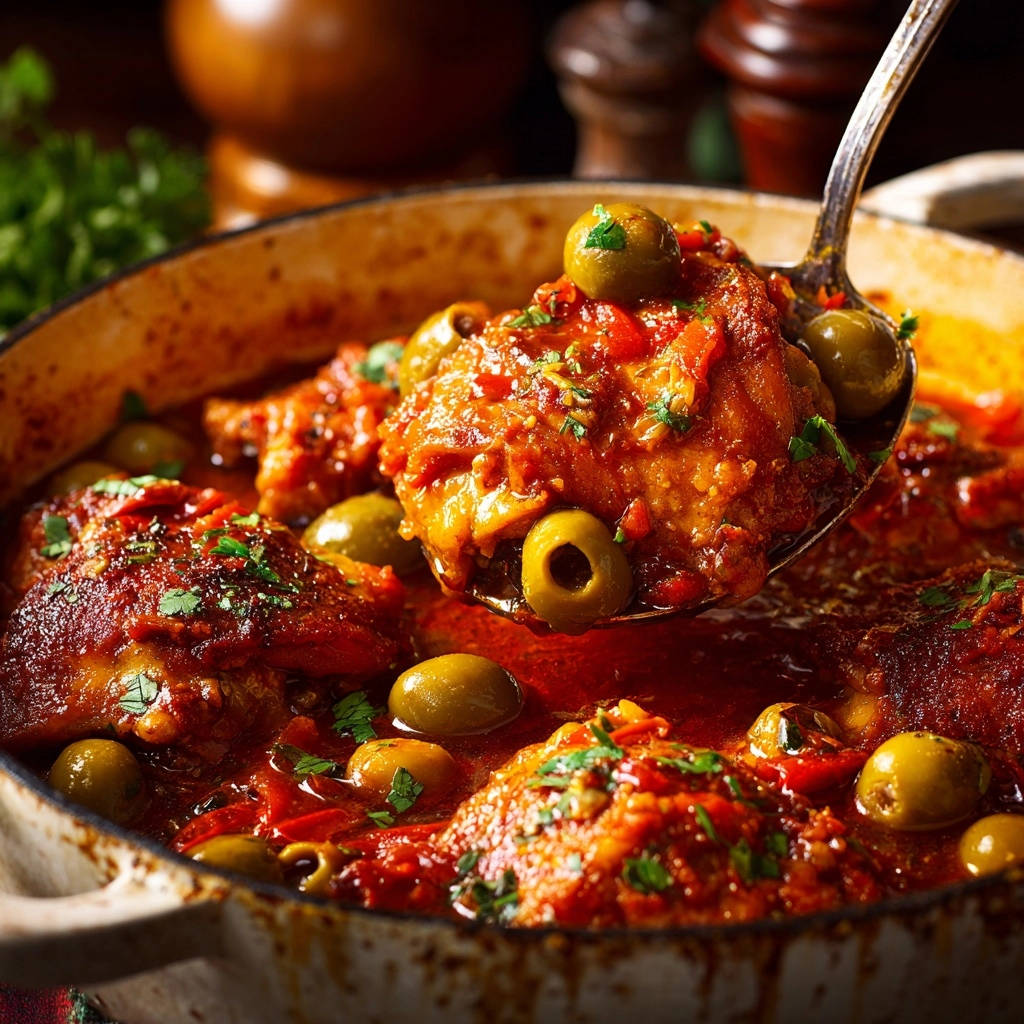
Eliminating the “Tinny” Flavor: The Critical Paste Technique
Raw tomato paste often carries a metallic, slightly acrid flavor that can undermine the maturity of a slow-cooked sauce.
By cooking the tomato paste with the aromatics and spices for two full minutes, you caramelize the natural sugars within the paste.
This essential technique deepens the color of the sauce and eliminates that raw, ‘tinny’ taste, dramatically enhancing the final flavor profile.
The Ideal Cut: Why Chicken Thighs Excel in Braising
Chicken thighs are the ideal cut for braising because their high fat content and connective tissue prevent them from drying out during extended cooking.
The bone-in, skin-on structure adds intense flavor to the resulting sauce as fat renders and collagen slowly breaks down.
This breakdown results in meat that is incredibly moist, succulent, and truly fork-tender-the hallmark of successful braising.
The Essential Flavor Architects: Ingredients Breakdown
Choosing the Right Thigh: Bone-In vs. Boneless
Bone-in, skin-on thighs provide maximum flavor and structural integrity, enriching the sauce with marrow and rendered fat over the long cook time.
If you opt for boneless, skinless thighs for convenience, remember that your braising time should be reduced by 15 to 20 minutes to prevent the meat from becoming tough or dry.
The Mediterranean Pairing: Green Olives for Salinity
This recipe calls for plump green olives, such as Manzanilla or Castelvetrano, which are chosen for their firm texture and bright, buttery flavor.
They provide necessary salinity and a sharp counterpoint to the richness of the chicken and the deep, heavy tomato sauce.
Spice Cabinet Depth: Smoked Paprika vs. Sweet Paprika
While dried oregano offers essential Italian herbal notes, smoked paprika provides an earthy warmth and a subtle, smoky dimension that elevates the sauce.
If you’re enjoying the tender chicken here, you’ll also appreciate the bold spice in chicken tinga.
Unlike sweet paprika, the smoked variety adds phenolic compounds that balance the acidity of the tomatoes, creating a deeper, more rounded overall flavor profile.
Equipping Your Kitchen for Braising Excellence
Why a Dutch Oven is Non-Negotiable
A heavy Dutch oven, typically made of enameled cast iron, is crucial because it retains heat exceptionally well and distributes it evenly.
This even distribution ensures the chicken sears consistently without burning, and maintains a stable, low simmer during the long braising period, which is essential for tender results.
Essential Tools for Prep and Deglazing
A sturdy wooden spoon or heat-resistant spatula is indispensable for this recipe, particularly for the deglazing step.
Its blunt edge allows you to vigorously scrape up the hard-to-reach caramelized fond from the bottom of the pot.
An instant-read thermometer is also necessary for confirming the internal temperature of the chicken (165°F) before serving, ensuring safety and tenderness.
Crafting Irresistible Flavor: Step-by-Step Braising Guide
- Prepare and Sear the Chicken:
Pat the chicken thighs completely dry using paper towels; moisture prevents browning and inhibits the creation of flavor-packed fond.
Season the dried chicken generously with salt and pepper, then place it skin-side down in shimmering olive oil in the Dutch oven over medium-high heat.
Sear undisturbed for the full six to eight minutes; this non-negotiable step develops the deep, dark crust that defines the savory depth of the final dish.
- Sautéing the Aromatics:
Reduce the heat significantly after removing the chicken, then add the diced onion to the reserved oil and drippings.
Cook the onion slowly for five to seven minutes until it is softened and translucent, pulling up some of the initial fond.
Add the minced garlic only for the final minute; cooking it briefly releases its fragrance without the risk of burning, which would impart a bitter taste.
- Locking in the Depth:
Stir the tomato paste and smoked paprika into the cooked onions and garlic.
Cook this mixture, stirring constantly, for exactly two minutes until the paste darkens slightly and becomes sticky, ensuring it caramelizes fully.
This crucial step eliminates the raw flavor of the paste and is the single greatest technique for deepening the sauce’s flavor profile.
- Scraping the Fond:
Pour the chicken broth (or water) into the pot, increasing the heat slightly to bring the liquid up to temperature.
Using your wooden spoon, vigorously scrape the bottom of the pot to release all the browned bits of fond stuck there.
Stir in the crushed tomatoes and dried oregano, then bring the entire sauce to a very gentle simmer.
- Returning the Chicken:
Nest the browned chicken thighs back into the simmering sauce, ensuring they are mostly submerged but the top surface of the skin is exposed.
Cover the pot tightly with the lid and immediately reduce the heat to the lowest setting possible.
Allow the dish to simmer undisturbed for 35 minutes, letting the low, steady heat work its magic to tenderize the meat.
- Adding Olives and Final Cook:
Add the pitted green olives to the pot during the last five minutes of cooking time, covering the pot again.
The dish is finished when the chicken reaches an internal temperature of 165°F and is easily pulled apart with a fork.
Garnish with fresh parsley before serving immediately to add brightness to the rich Savory Braised Chicken Thighs and Olives.
For another chicken dish featuring a crisp vegetable, check out Chicken Zucchini Pozole.
Step 1: Achieving the Deep Brown Crust
Step 2: The Aromatic Foundation
Step 3: The Critical Tomato Paste Technique
Step 4: Deglazing and Setting the Simmer
Step 5: The Gentle Low & Slow Braise
Step 6: Finishing Touches and Final Temperature
Troubleshooting & Pro Tips for Perfect Results
Chef’s Secrets for Maximum Flavor Development
Maximizing Searing Surface Area: If your pan is too small, work in separate batches to ensure a proper sear instead of steaming the chicken, which is vital for building the fond.
The Salt Factor: Always season the chicken generously with coarse salt before searing; this pre-seasoning deeply penetrates the meat, not just relying on the sauce to carry the salt.
Resting Time: Briefly cover the chicken and let it rest for five to ten minutes after removing it from the braise to allow the muscle fibers to relax and redistribute the juices before serving.
When Things Go Wrong: Common Braising Issues
Why is My Sauce Too Thin?
If your sauce appears too liquid after the braise is complete, remove the chicken and increase the heat to medium.
Allow the sauce to simmer uncovered for five to ten minutes until it reduces and thickens to your desired consistency.
Alternatively, stir in a cornstarch slurry (1 teaspoon cornstarch mixed with 2 teaspoons cold water) at the end to quickly adjust the thickness.
My Chicken is Tender But Not Shredding Easily
Chicken is safe to eat at 165°F, but for the collagen and connective tissues to truly break down for fall-apart tenderness, it often needs to reach 185°F to 195°F.
If your chicken is slightly resistant, simply cover the pot again and simmer for another 10 to 15 minutes, checking the temperature and tenderness thereafter.
Complementary Dishes
To round out your meal with the braised chicken, consider these dishes that bring out similar flavors or textures.
- For a comforting addition that echoes the savory notes in the chicken, try savory herb dumplings, perfect for soaking up any extra sauce.
- To add a roasted element that pairs well with the tender chicken, prepare roasted garlic mushrooms and onions for a touch of sweetness and earthiness.
What to Serve with Savory Braised Chicken Thighs and Olives
Starchy Side Pairing Recommendations
The rich, savory sauce created by the deglazing and braising process demands a perfect accompaniment to soak up every last drop.
Creamy polenta, fluffy white rice, or a slab of crusty artisan bread are ideal choices that utilize the intense flavor of the braising liquid.
Serving this dish atop soft polenta provides a comforting, cohesive texture that truly showcases the sauce.
Fresh Vegetable Companions
To balance the inherent richness of the chicken and the depth of the tomato base, select light, fresh vegetable sides.
Simple steamed green beans, lightly roasted asparagus drizzled with lemon, or a sharp, bitter salad featuring fennel or arugula are excellent choices.
These fresh companions offer acidity and crunch, cutting through the heavy, savory flavor of the main dish.
Perfect drink pairing Notes
The intense, earthy flavors and high acidity of the tomato base pair well with a medium-bodied red grape juice that has good structure but soft tannins.
Look for a Spanish Garnacha or a bright Italian sparkling grape juice, which can stand up to the robust sauce without overpowering the chicken.
A dry, sparkling grape juice is also a refreshing choice that complements the briny olives wonderfully.
Make Ahead, Storage, and Common Questions
How Long Can I Store Leftovers?
Leftovers of this braised chicken dish can be safely stored in an airtight container in the refrigerator for three to four days.
When reheating, use low heat on the stovetop; reheating slowly maintains the tenderness of the chicken and prevents the sauce from scorching.
Is This Recipe Freezable?
Yes, this recipe freezes beautifully, making it an excellent candidate for meal prepping and batch cooking.
For best results, allow the dish to cool completely, transfer it to freezer-safe containers, and freeze for up to three months.
Thaw overnight in the refrigerator and reheat gently on the stove; note that the olives may soften slightly in texture after freezing.
Can I Substitute Other Types of Olives?
You may substitute other pitted varieties, such as Kalamata or black olives, but be aware they will alter the flavor profile of the dish.
Kalamata olives are fruitier and generally less salty than green olives, meaning you might need to adjust the overall salt content of the sauce before serving.
Your Next Great Meal Awaits
This recipe for Savory Braised Chicken Thighs and Olives is not merely a weeknight meal; it is a master class in flavor development, turning simple components into something truly luxurious.
The combination of a maximized sear and the critical tomato paste caramelization ensures your sauce will be deep, complex, and utterly satisfying.
Don’t wait to taste the difference that technique makes. Whip out your Dutch oven and share your results-we guarantee this will become a staple in your rotation.
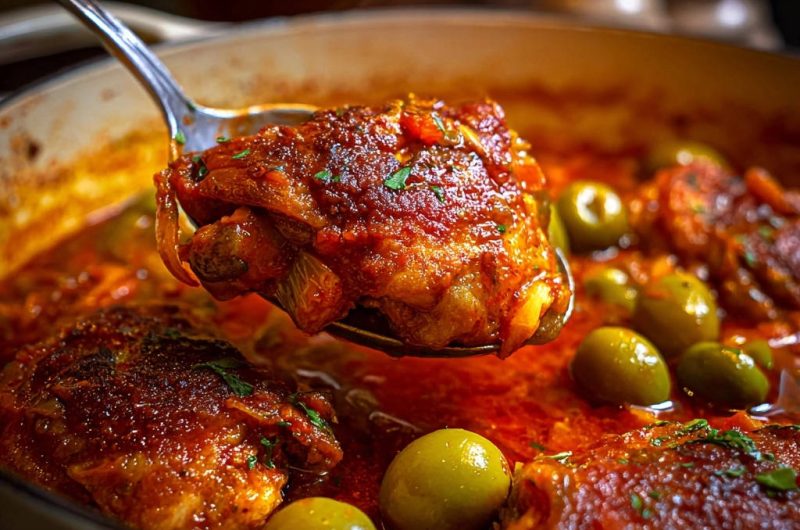
Braised Chicken Thighs
Course: Main CourseCuisine: InternationalDifficulty: medium4
servings15
minutes50
minutes450
kcal60
minutesThis recipe delivers deeply flavorful, comforting braised chicken thighs by mastering the art of searing and cooking the tomato paste properly. The resulting savory sauce, enriched with olives and smoky paprika, is irresistible served over rice or polenta.
Ingredients
4 bone-in, skin-on chicken thighs
1 teaspoon coarse salt, plus more for seasoning
1/2 teaspoon black pepper, plus more for seasoning
2 tablespoons olive oil
1 medium yellow onion, diced
3 cloves garlic, minced
1/2 cup chicken broth or water
1 14.5-ounce can crushed tomatoes
1 tablespoon tomato paste
1 teaspoon dried oregano
1/2 teaspoon smoked paprika
1/2 cup pitted green olives (like Manzanilla or Castelvetrano)
Fresh parsley, chopped, for garnish
Directions
- Prepare the Chicken and Sear: Pat the chicken thighs completely dry using paper towels. This step is critical for flavor. Season generously on all sides with salt and pepper. Heat 1 tablespoon of olive oil in a large Dutch oven or heavy-bottomed pot over medium-high heat until shimmering. Place the chicken thighs skin-side down (or the presentation side down if skinless). Do not crowd the pan; work in batches if necessary. Sear undisturbed for 6 to 8 minutes until a deep, dark brown crust forms. This crust (the fond) is the base of your deep flavor. Remove the chicken and set aside.
- Build the Flavor Base: Reduce the heat to medium-low. Add the remaining 1 tablespoon of olive oil to the pot. Add the diced onion and cook, stirring frequently, for 5 to 7 minutes until softened and translucent. Add the minced garlic and cook for 1 minute until fragrant.
- Lock in the Depth (The Solution Highlight): Add the tomato paste and the smoked paprika to the onion mixture. Cook the tomato paste, stirring constantly, for 2 minutes. It should darken slightly and stick to the bottom of the pan. This step caramelizes the paste and eliminates any raw metallic flavor, dramatically deepening the sauce’s flavor profile.
- Deglaze and Simmer: Pour in the 1/2 cup of chicken broth or water. Using a wooden spoon, vigorously scrape up all the browned bits (the fond) from the bottom of the pot. These bits are the secret to the deep savory sauce promised in the title. Stir in the crushed tomatoes and dried oregano. Bring the sauce to a gentle simmer.
- Braise: Nest the browned chicken thighs back into the sauce. They should be mostly submerged but the top surface does not need to be covered. Cover the pot with a tight-fitting lid and reduce the heat to low. Simmer gently for 35 minutes.
- Finish: Add the green olives to the pot, cover, and cook for an additional 5 minutes, or until the chicken reaches an internal temperature of 165 degrees F and is fork-tender.
- Serve immediately, garnished with fresh chopped parsley. This dish is excellent served over polenta, rice, or crusty bread to soak up all that incredible savory sauce.
Notes
- Patting the chicken dry and cooking the tomato paste are crucial for maximizing flavor depth.