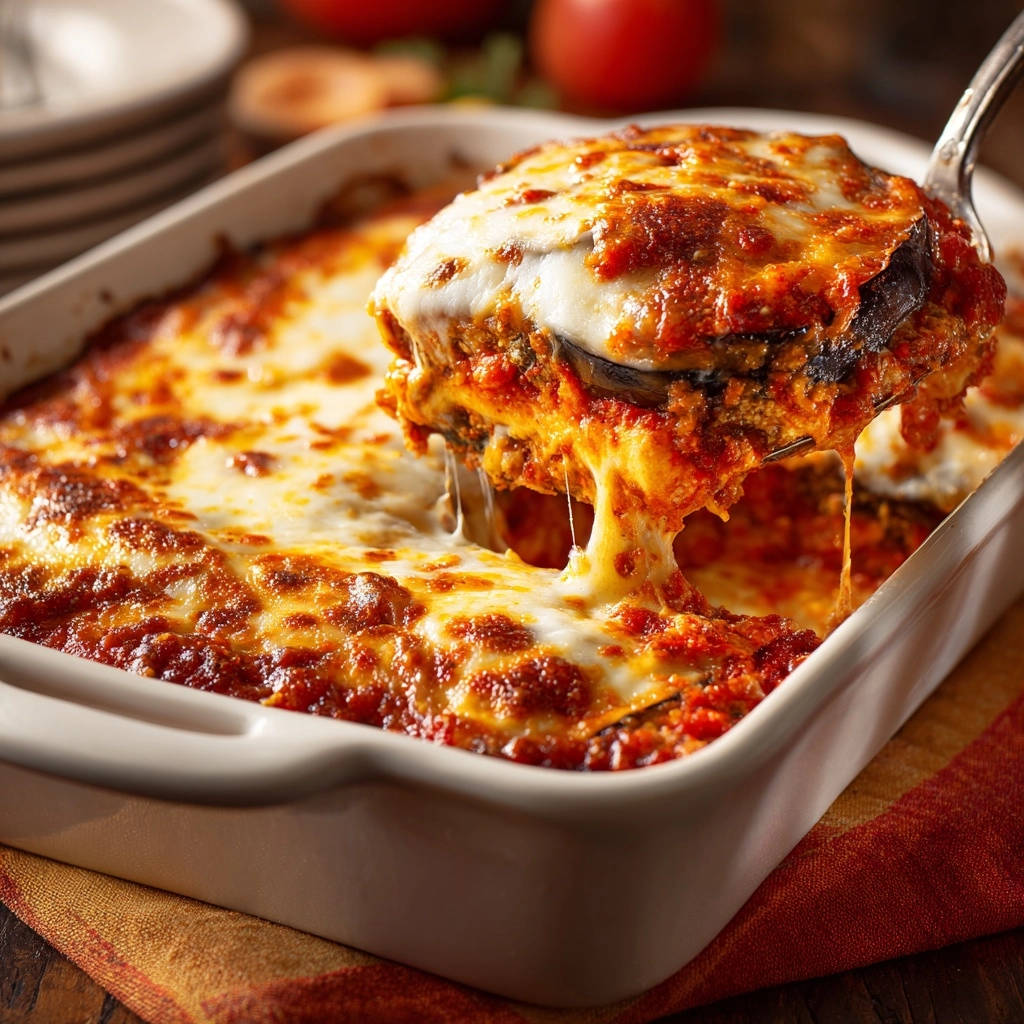
I spent years battling the dreaded watery cut when making layered casseroles; it’s a failure point common to even expert home cooks. The secret to truly beautiful, structurally sound slices lies entirely in preparation, which is why this recipe for Stacked Eggplant Parmesan is guaranteed to hold its shape every time.
We are mastering the moisture challenge inherent to eggplant so you can deliver a firm, deeply flavorful dish that slices cleanly and impresses every guest.
For more ideas on achieving that perfect crisp, check out crispy parmesan cauliflower gratin.
Why This Stacked Eggplant Parmesan Wins Every Time (The Anti-Soggy Secret)
Nothing is more disappointing than a beautiful layered casserole that collapses into a watery mess the moment you cut into it.
Eggplant is notorious for absorbing heavy oil and releasing significant moisture during baking, often leading to a greasy, loose result known as “soggy eggplant parm.”
More to Explore
Round out your eggplant meal with these fresh and vibrant salads.
- For a bright counterpoint to your eggplant, try this Lemon Parmesan Kale Salad, offering a zesty and cheesy bite.
- Consider this Colorful Beet & Mozzarella Salad for a sweet and creamy addition that complements the richness of the eggplant.
This method eliminates that risk by utilizing critical moisture-pulling and pre-cooking techniques before assembly even begins.
The keys to success are the double-drying process, our use of oven pre-baking instead of frying, and the non-negotiable 15-minute rest period that ensures stability.
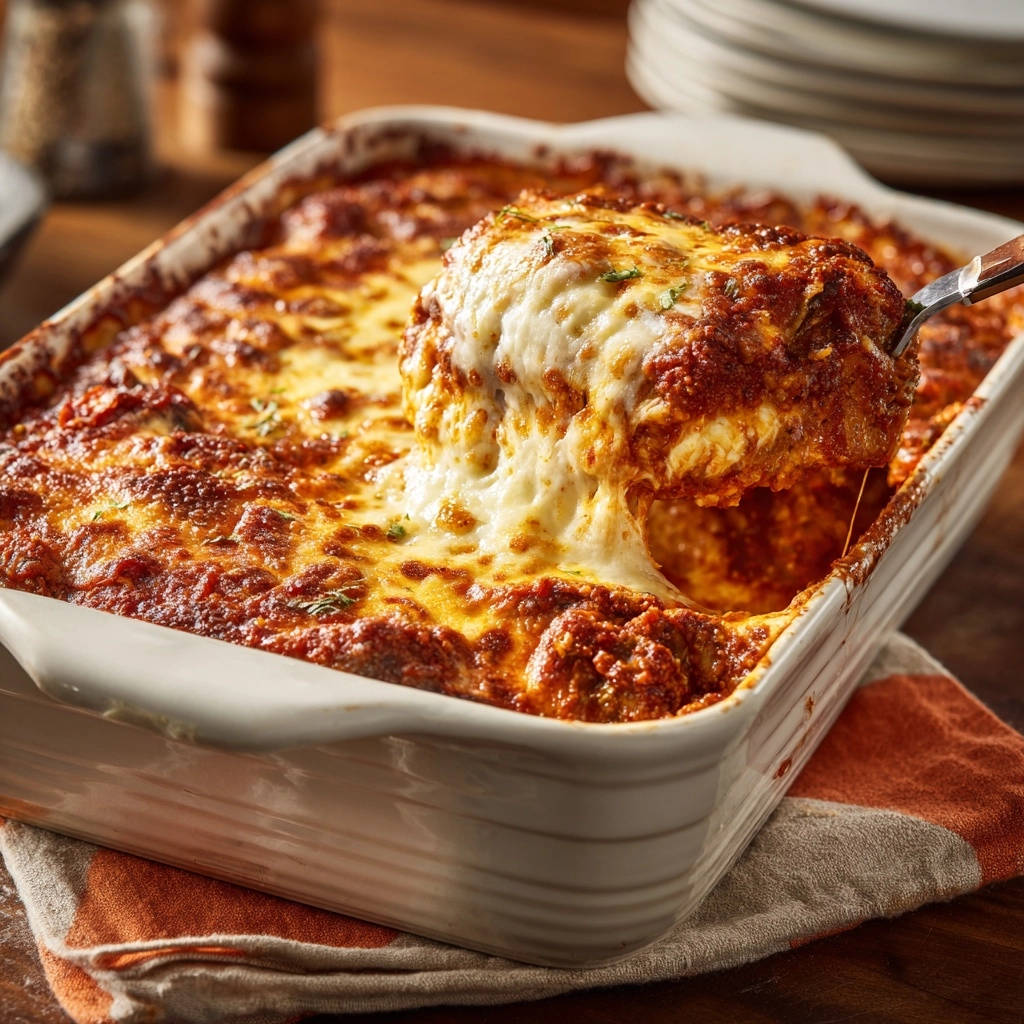
The Building Blocks of Flavor: Sourcing Your Ingredients
Choosing the Right Eggplant (Size and Firmness)
Select large, firm eggplants that feel heavy for their size and have smooth, glossy, unblemished skin.
Avoid any that look wrinkled or feel spongy, as these may be overly mature and contain too many bitter, moisture-holding seeds.
The Cheese Trio: Fresh Mozzarella vs. Low-Moisture
Fresh mozzarella provides the rich, creamy melt essential for authentic, high-quality Eggplant Parmesan.
Because it holds significant moisture, you must slice it thinly and pat the slices absolutely dry with paper towels before layering to prevent weeping during the bake.
Ensure you use a block of high-quality, aged Parmesan cheese; grate it yourself for the best, sharpest flavor that balances the richness of the mozzarella.
Elevating the Sauce: Quality Marinara and Fresh Herbs
Start with a high-quality crushed tomato marinara or even simple canned crushed tomatoes for the sauce base; this saves time without sacrificing flavor complexity.
For a similar tomato-based dish, check out this skillet rigatoni bolognese bake.
We integrate fresh chopped basil and dried oregano directly into the sauce mixture before assembly.
This allows the herbs to bloom while baking, ensuring maximum flavor permeates every structured layer of the Stacked Eggplant Parmesan.
Essential Tools and Mise En Place for Success
Must-Have Equipment for Perfect Layers
9×13 Baking Dish: A standard glass or ceramic dish is necessary for this quantity and for even heat distribution.
Cooling Racks and Paper Towels: These are absolutely crucial during the salting step to ensure air circulation and absorb the drawn-out moisture.
Baking Sheets: Necessary for the pre-bake process; ensure you have enough space so the eggplant slices do not overlap or steam.
Quick Guide to Prep and Planning
The total time listed includes 30 minutes of passive salting, which is the perfect opportunity for your mise en place.
Use this waiting time efficiently to slice the mozzarella, grate the Parmesan, chop the basil, and prepare your seasoned sauce base.
Pre-planning ensures the assembly process moves quickly once the eggplant is dry and pre-baked.
The Structural Secret: Mastering the Degorging and Pre-Bake Method
Step 1: The Critical Salt Application (Why Kosher Salt Is Required)
Slice the eggplants lengthwise into uniform 1/2 inch thick rounds to ensure even cooking and stability when stacked.
Lay them flat on clean paper towels or cooling racks and generously sprinkle both sides with coarse kosher salt.
Salt works through osmosis, initiating the degorging process by forcing the bitter, moisture-laden liquid to weep out of the vegetable fibers.
Step 2: Rinsing and Drying (Moisture is the Absolute Enemy)
After 30 minutes, you will see beads of moisture on the eggplant; rinse every slice thoroughly under cold running water to remove the excess salt crystals and exuded liquid.
Skipping this rinse will result in an unbearably oversalted dish, while skipping the drying guarantees a soggy outcome.
Pat the slices absolutely bone dry using fresh paper towels or a clean kitchen towel; be meticulous and firm in your drying technique to ensure zero residual moisture remains.
Step 3: Lightly Dredging and Oven Roasting
Lightly dredge the dried slices in a thin, even layer of all-purpose flour, shaking off all excess.
This flour coating acts as a protective, crisp barrier when baked, preventing the eggplant from absorbing heavy oil or too much sauce moisture later.
Brush the slices very lightly with olive oil on both sides, arrange them on baking sheets without crowding, and bake at 400°F.
Pre-baking achieves the desired tender texture and slightly golden color without the heavy grease absorption and uneven cooking of traditional deep frying methods.
Assembly Line Efficiency: Building Your Stacked Masterpiece
-
The Foundation: Starting with the Sauce Base.
Spoon a very thin layer of marinara sauce onto the bottom of the baking dish.
This thin layer prevents the eggplant from sticking and acts as the crucial moisture buffer for the bottom layer.
-
Achieving Structural Integrity: Tightly Arranging the Layers.
Arrange the baked eggplant slices tightly over the sauce base so they slightly overlap, minimizing gaps that could cause the finished casserole to slump when sliced.
-
The Perfect Cheese-to-Sauce Ratio.
Top the eggplant with a few slices of the patted, fresh mozzarella, followed by a sprinkle of Parmesan, and then a light drizzle of the marinara mixture.
Use a balanced hand; too much sauce or too many liquid ingredients at this stage will quickly sabotage the intended firm structure of the eggplant parm.
-
The Final Top Layer: Generosity Where It Counts.
Finish the casserole with a thick layer of sauce and top generously with the remaining fresh mozzarella and Parmesan cheese.
This final layer is essential for creating that signature, beautiful golden crust while protecting the structured layers beneath during the bake.
The Final Touch: Baking, Resting, and Serving Your Perfect Slices
Baking Notes and Achieving a Golden Crust
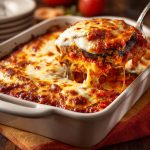
Bake the casserole at 375°F until the edges of the sauce are actively bubbling and the center is piping hot throughout.
The cheese should be completely melted, golden, and slightly browned across the top surface.
If the cheese reaches the perfect color before the center is fully heated, cover the dish loosely with foil for the remaining bake time.
The Non-Negotiable Rest Time (The 15-Minute Rule)
Resting is the final, non-negotiable step required for achieving clean, firm slices.
As the casserole cools slightly, the internal layers of cheese and sauce solidify, allowing them to bond with the structural eggplant matrix.
Allow the Stacked Eggplant Parmesan to rest out of the oven for a minimum of 15 minutes before cutting.
This essential pause ensures the slices lift out beautifully, holding their defined, layered shape on the plate without collapsing.
Troubleshooting Your Stacked Eggplant Parmesan
“My Eggplant Parmesan still came out watery.”
Revisit the critical drying step after salting and rinsing; residual salt water is the number one cause of unexpected moisture release.
Ensure your fresh mozzarella slices were pressed and patted bone dry before layering, as excess liquid from the cheese can also contribute significantly to a watery sauce base.
“The top cheese browned too quickly.”
This often happens if the oven racks are positioned too close to the top heating element or if the oven temperature is slightly inaccurate.
Cover the dish loosely with aluminum foil for the first 15 to 20 minutes of baking time, then remove the foil for the final 10-15 minutes to allow the cheese to brown perfectly.
Making Ahead, Freezing, and Leftover Storage
Can I Assemble This Stacked Eggplant Parmesan Ahead of Time?
Yes, you can assemble the casserole completely, cover it tightly with plastic wrap and foil, and refrigerate for up to 24 hours.
If baking straight from the refrigerator, add 15 minutes to the total bake time to allow the dish to heat thoroughly in the center.
Freezing Instructions for Long-Term Storage
For the best results and texture retention, bake the casserole completely, cool it thoroughly, and then slice it.
Freeze individual portions tightly wrapped in plastic wrap and foil; freezing before baking can sometimes lead to excessive moisture release upon thawing and a loss of structure.
Serving Suggestions: Perfect Side Dishes
Pair this rich dish with a simple, crisp green salad tossed with a bright lemon vinaigrette to cut through the richness of the cheese and sauce.
Always serve with a basket of crusty Italian bread, perfect for soaking up any remaining savory sauce on the plate.
Ready to Impress? Share Your Perfectly Stacked Masterpiece!
This detailed prep method guarantees you can leave the worry of soggy, greasy casserole behind for good. Enjoy the confidence of serving beautiful, firm slices of classic Italian comfort food.
Now that you have the structural secrets to the perfect Stacked Eggplant Parmesan, get cooking and share your flawlessly firm masterpiece with friends and family!
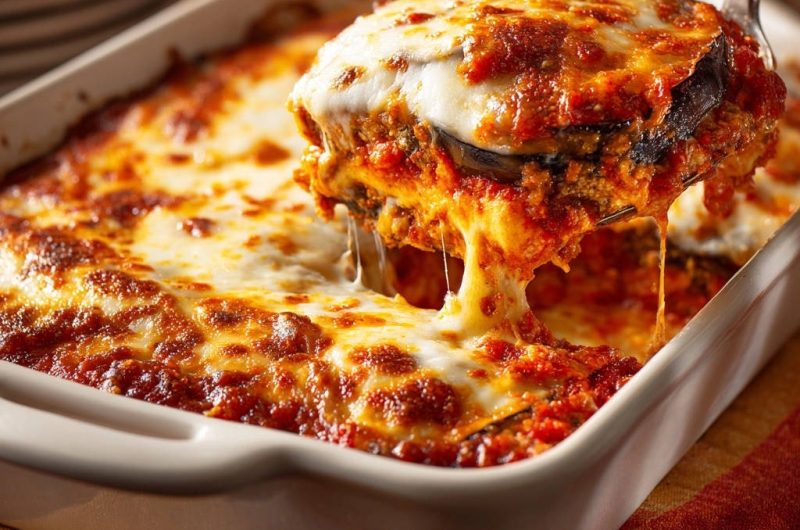
Stacked Eggplant Parmesan
Course: Main CourseCuisine: Italian-AmericanDifficulty: medium6
servings45
minutes40
minutes450
kcal85
minutesLearn the secret technique for perfectly firm, non-soggy eggplant parm every time! This recipe uses a crucial salting and pre-baking method to ensure beautifully stacked layers that hold their shape.
Ingredients
2 large eggplants (about 3 pounds total)
1/2 cup kosher salt (for degorging, not for seasoning)
3 cups quality marinara or crushed tomato sauce
1 1/2 pounds fresh mozzarella, sliced thinly and patted dry
1 cup grated Parmesan cheese
1/4 cup olive oil
1/2 cup all purpose flour
1/4 cup fresh basil leaves, chopped
1 teaspoon dried oregano
Salt and black pepper to taste
Directions
- Prepare the Eggplant (The Anti-Soggy Step): Slice the eggplants lengthwise into 1/2 inch thick rounds. Lay the slices on clean paper towels or cooling racks. Sprinkle both sides generously with the kosher salt. Let them rest for 30 minutes. This critical step pulls out excess moisture that would otherwise make your final dish watery.
- Rinse and Dry: After 30 minutes, you will see beads of moisture on the eggplant. Rinse each slice thoroughly under cold water to remove the excess salt. Pat the slices absolutely bone dry using paper towels. Moisture is the enemy here, so drying completely is essential.
- Pre-Bake the Eggplant: Preheat your oven to 400 degrees F. Lightly dredge the dried eggplant slices in the flour and shake off any excess. Brush the eggplant slices very lightly on both sides with olive oil. Arrange them on baking sheets (do not overcrowd). Bake for 12 to 15 minutes, flipping once halfway through, until slightly golden and tender. Remove and set aside. Pre-baking instead of frying ensures they are cooked without absorbing heavy oil.
- Prepare the Sauce: In a medium bowl, combine the marinara sauce with the oregano, basil, and a pinch of black pepper. Taste and adjust seasoning if needed.
- Layer the Casserole: Spoon a thin layer of marinara sauce onto the bottom of a 9×13 inch baking dish. This prevents sticking.
- Assemble the Layers: Arrange a layer of baked eggplant slices tightly over the sauce. Top the eggplant layer with a few slices of the fresh mozzarella and a sprinkle of Parmesan cheese, followed by a light drizzle of the marinara sauce mixture.
- Repeat: Continue layering: Eggplant, mozzarella, Parmesan, sauce. Repeat until all ingredients are used, ensuring you save plenty of sauce and cheese for the final top layer.
- Final Top Layer: Finish the casserole with a thick layer of sauce and top generously with the remaining mozzarella and Parmesan cheese.
- Bake: Bake at 375 degrees F for 25 to 30 minutes, or until the sauce is bubbly and the cheese is melted, browned, and golden across the top.
- Rest Before Serving: This is key for structure! Let the Eggplant Parmesan rest out of the oven for at least 15 minutes before serving. This allows the internal layers to set up, ensuring clean, beautiful slices that hold their shape.
Notes
- Resting for 15 minutes after baking is crucial for allowing the internal layers to set.