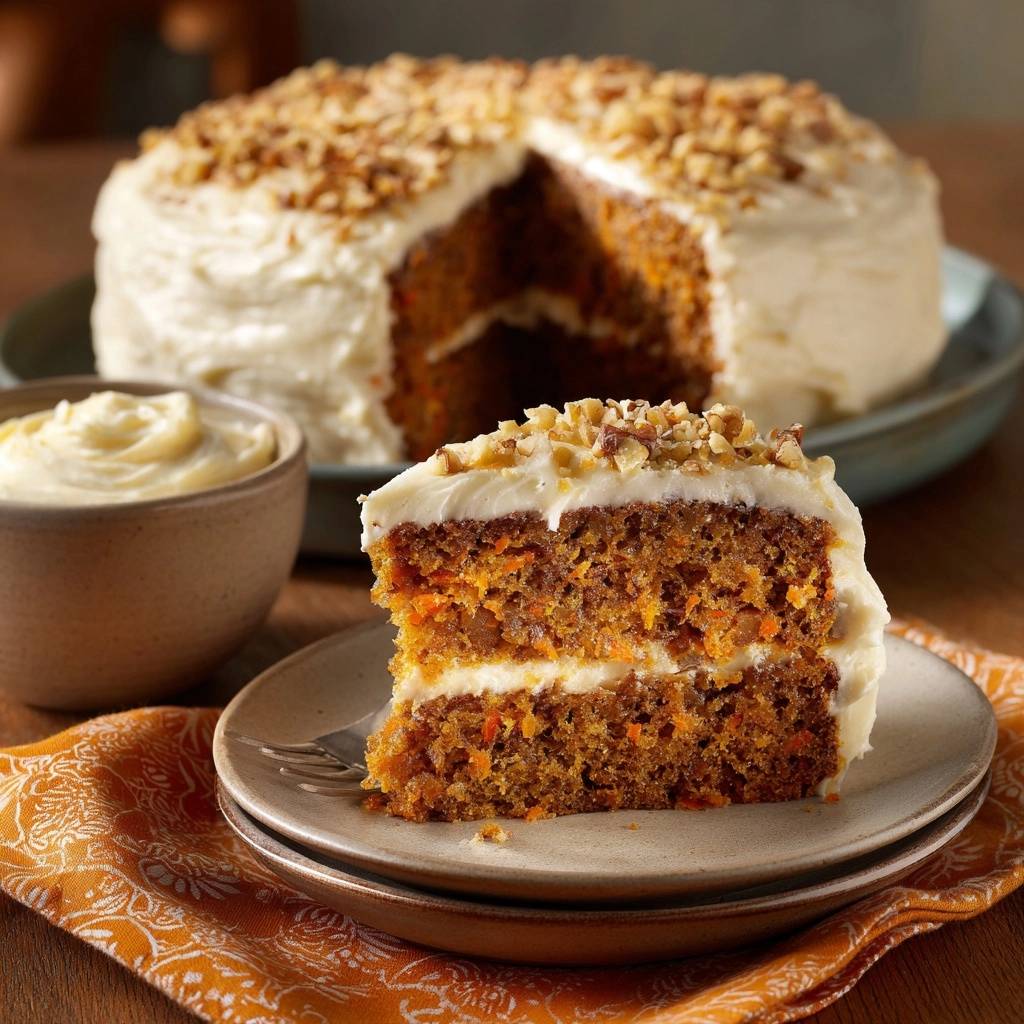
Remember biting into a dry carrot cake that crumbles and leaves you disappointed? This classic carrot cake fixes that frustration forever. You’ll get towering layers packed with tender crumb, thanks to a simple emulsified wet ingredient method. No more dense or crumbly disasters.
So why does this version stay moist for days? It traps oil and air right into the batter, creating a lock that keeps every slice fresh and flavorful. The cinnamon wafts through your kitchen, mingling with sweet carrot essence, while walnuts add just the right crunch.
Here’s the expertise pro tip: beat those eggs, oil, and sugars on medium-high for a full 3-4 minutes until the mixture ribbons off the beaters. That pale, thick stage incorporates air bubbles that expand in the oven, guaranteeing unbeatable tenderness. You’ll taste the difference in the first bite.
For a truly decadent treat that rivals these walnut brownies, consider fudge brownies.
Emulsification Science in Classic Carrot Cake
Why Beating Creates Moisture Lock
Emulsifying eggs, oil, and sugars changes everything for classic carrot cake. You beat them on medium-high speed for 3-4 minutes, and the mixture turns pale and thick. This process suspends tiny oil droplets in the eggs, preventing separation during baking.
In addition, air gets whipped in, forming stable bubbles that puff up in the heat. Traditional methods skip this, so their cakes dry out fast. However, you’ll hit the ribbon stage where it holds shape off the beaters, locking in moisture for a soft crumb that lasts.
Role of Carrots in Natural Hydration
Finely grated carrots release pectin and juices as they bake, binding with the oil for extra hydration. Use about 6 medium carrots to get 3 cups grated. This amount keeps the cake moist without sogginess.
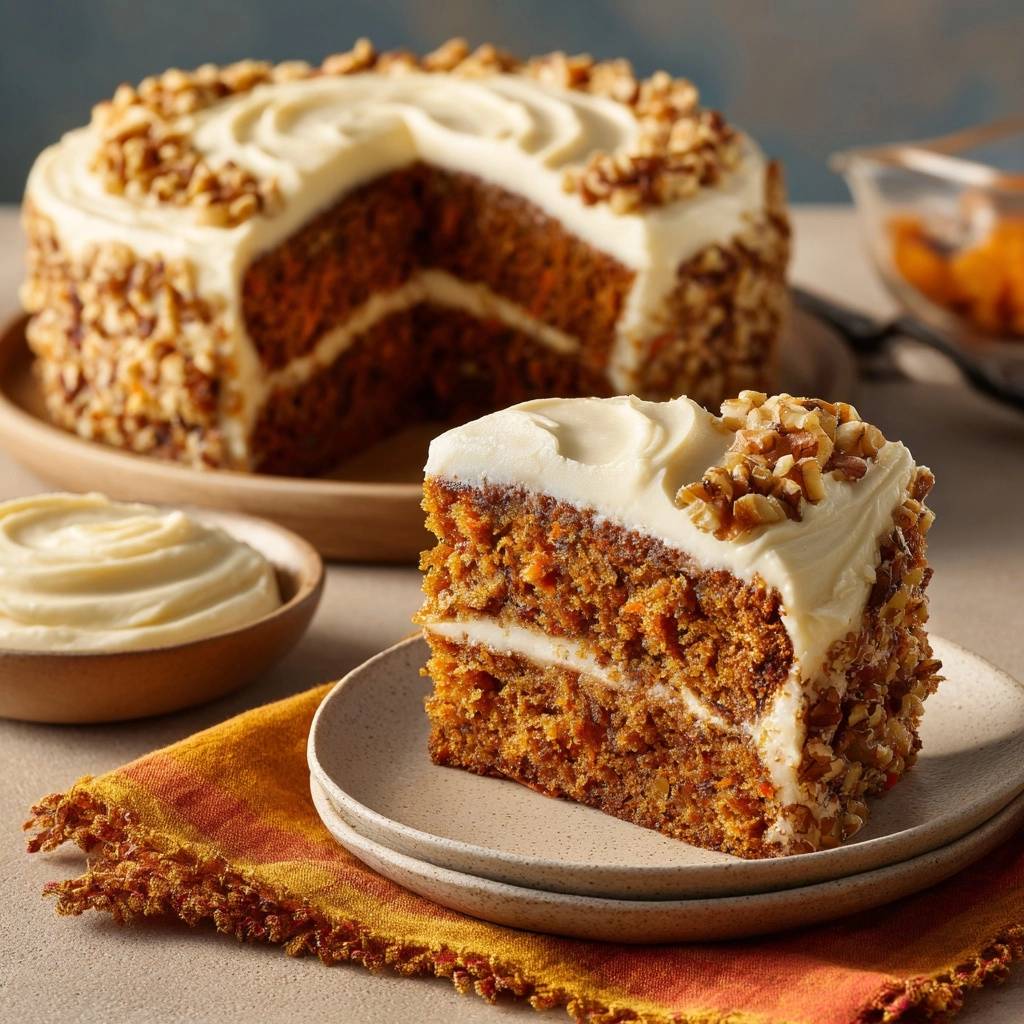
Therefore, grate them fine on a box grater’s small holes. Coarse shreds stay crunchy and don’t hydrate evenly. That natural moisture teams up with the emulsion, so your slices stay tender even on day three.
Essential Ingredients for Moist Classic Carrot Cake
Flour and Leavening Precision
All-purpose flour gives the right protein for structure without heaviness in classic carrot cake. You whisk in 2 teaspoons baking soda, which reacts with brown sugar’s acidity for a perfect rise. In addition, 2 teaspoons cinnamon boosts those carrot flavors just right.
Don’t swap for cake flour, though. It lacks strength and leads to flat layers. This combo ensures tall, fluffy results every time.
Sugars and Oils for Tenderness
Granulated sugar adds crisp edges, while packed brown sugar brings chew and pulls in moisture. One cup of each balances sweetness perfectly. Vegetable oil stays neutral and keeps the crumb tender longer than butter ever could.
Therefore, that full cup of oil emulsifies smoothly. It creates liquid fat paths through the cake, fighting dryness from the start.
Add-Ins: Carrots, Walnuts, Vanilla
Fresh carrots grate easiest when peeled first, yielding 3 cups for peak moisture. Chop 1 cup walnuts into small pieces for even crunch throughout. Pure vanilla extract rounds out the warm spices.
These make classic carrot cake iconic. The nuts add texture contrast, and carrots deliver that signature sweetness without overpowering.
For a different kind of layered treat, explore these chocolate caramel cheesecake bars.
Cream Cheese Frosting Components
Softening Cream Cheese and Butter
Room-temperature cream cheese and 1/2 cup unsalted butter beat smooth without lumps. Gradually add 4 cups powdered sugar to build fluffiness. This prevents a gritty texture.
However, cold ingredients curdle. Let them sit out for an hour first.
Vanilla and Texture Perfection
One teaspoon vanilla extract deepens the tangy frosting flavor. Beat until fluffy peaks form, but stop before it turns grainy. You can make it ahead and fridge it for up to a week in an airtight container.
Pro tip: if it’s too soft, chill briefly before spreading.
Equipment Choices for Classic Carrot Cake Success
Electric Mixer for Emulsion Power
A stand mixer with paddle attachment whips air best during that 3-4 minute beat. Hand mixers work too, but tire your arm faster. Avoid whisks, as they don’t emulsify oil properly.
Therefore, medium-high speed creates those ribbons. It’s the power you need for moisture lock.
Pans, Racks, and Prep Tools
Grease and flour two 9-inch round pans for easy release. A box grater’s fine side shreds carrots perfectly. Wire racks cool layers evenly, stopping steam buildup that sogs the bottom.
In addition, parchment rounds help if your pans stick-prone.
Step-by-Step: Building Moist Classic Carrot Cake Layers
Preheat and Pan Preparation
Preheat to 350°F and grease-flour your 9-inch pans well. This combo releases the cake cleanly. Parchment bottoms work great too, especially for sticky batters.
Oven calibration matters here. Use an thermometer if yours runs hot.
Dry Ingredients Whisking
Whisk 2 cups flour, cinnamon, baking soda, and salt in a medium bowl. Even distribution prevents dense pockets. Sift if lumps appear for extra tenderness.
Key Emulsified Wet Mixture
Beat 3 eggs, 1 cup oil, sugars, and vanilla on medium-high for 3-4 minutes. Look for pale color, thickness, and ribbons that hold shape. This traps air and stabilizes oil, banishing dry cake forever.
If underbeaten, it’ll separate; overbeaten gets tough. Time it precisely for perfection.
Folding Carrots, Walnuts, Dry Mix
Stir in 3 cups grated carrots and 1 cup walnuts by hand first. Then fold in dry ingredients in three additions with a spatula. Stop when no flour streaks show to keep it tender.
Divide batter evenly, about 3 cups per pan. This ensures uniform baking.
Baking and Initial Cooling
Bake 35-40 minutes until toothpick comes out clean. Cool in pans 10 minutes, then racks fully. High altitude? Add 2 tablespoons flour and drop temp to 325°F.
Even cooling prevents sinking.
Frosting and Assembly for Classic Carrot Cake
Smooth Cream Cheese Base
Beat softened cream cheese and butter until creamy. Add powdered sugar gradually, then vanilla. Scrape sides for smoothness.
Layering, Spreading, Walnut Garnish
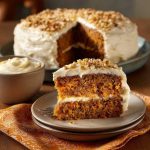
Place one layer down, spread 1 cup frosting. Top with second layer, then frost top and sides. Press extra walnuts on for crunch; chill 30 minutes to set.
Gently does it to avoid crumbs in frosting.
Avoiding Pitfalls in Classic Carrot Cake
Overmixing and Tough Texture
Overmixing develops gluten, making tough cake. Fold gently in three additions. Stop at no streaks for soft results.
Grating and Moisture Imbalance
Coarse carrots stay crunchy; grate fine for moisture release. Too wet? Squeeze shreds lightly. Rotate pans midway to dodge hot spots.
Frosting Fails to Fix
Lumps from cold dairy? Soften longer. Runny? Chill or add more sugar. Boom, fixed.
Make-Ahead Strategies for Classic Carrot Cake
Batter and Baked Layer Storage
Fridge batter up to 24 hours covered. Bake layers, wrap tightly, and freeze up to 3 months. Thaw overnight in fridge, then frost.
This saves time for parties.
Frosting and Full Cake Longevity
Frosting lasts 1 week in fridge. Assembled cake stays fresh 5 days at room temp covered, or freeze slices up to 2 months. Thaw at room temp.
Flavor Twists on Classic Carrot Cake
Pineapple or Coconut Additions
Fold in 1/2 cup drained crushed pineapple for tropical moisture. Or add 1/2 cup sweetened coconut for chew. Reduce carrots by 1/2 cup to balance.
Spice and Nut Swaps
Add 1/2 teaspoon nutmeg or ginger for warmth. Swap walnuts for pecans. Use coconut oil if vegan, keeping emulsion intact.
Pairing Sides with Classic Carrot Cake
Beverage Matches
Hot coffee cuts the richness perfectly. Black tea balances spices, and cold milk washes down the sweetness.
Light Accompaniments
Serve with fresh berries or apple slices. Yogurt parfaits add creamy contrast without overwhelming.
Complementary Bites
Round out your meal with these complementary recipes.
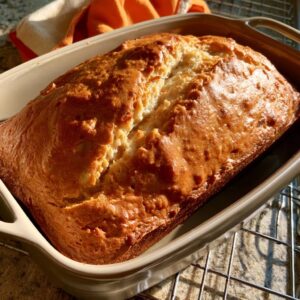
- Enjoy a slice of Rustic Cranberry Walnut Bread, a great way to add nutty texture and tart fruit notes.
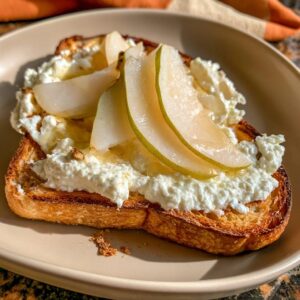
- For a lighter option to enjoy alongside your carrot cake, consider this Cream Cheese Seeded Toast for a satisfying breakfast or brunch addition.
Troubleshooting Classic Carrot Cake Issues
Dry Crumb Despite Emulsion
Check measurements; too little oil dries it. Use oven thermometer. Next time, beat wet mix longer.
Sunken Centers or Gaps
Old leavening or cooling shocks cause sinks. Test soda freshness. Salvage by filling gaps with frosting.
Frosting Too Soft or Hard
Soft from heat? Chill and rewhip. Hard? Warm slightly. Adjust sugar next batch.
Walnut Distribution Problems
Chop finer and toss in flour first. Prevents sinking clumps.
Classic Carrot Cake FAQ
Can I Make Classic Carrot Cake Gluten-Free?
Yes, swap 2 cups all-purpose for 1:1 gluten-free blend like King Arthur’s. Add 1/2 teaspoon xanthan gum if not included for binding. It retains moisture well; expect slight denser crumb but still tender from emulsion.
How to Store for Maximum Freshness?
Store assembled cake covered at room temp up to 5 days; fridge shortens to 3 due to drying. Freeze unfrosted layers or frosted slices in airtight bags up to 3 months. Thaw at room temp; don’t microwave or it toughens.
Why Use Oil Instead of Butter?
Oil stays liquid, keeping crumb moist longer than solid butter fats. It emulsifies perfectly for tenderness. Butter adds flavor but dries faster in classic carrot cake.
Scaling for Different Pan Sizes?
For 9×13, use full batter and bake 40-45 minutes at 350°F. Cupcakes: fill 2/3 full, bake 20-25 minutes yields 24. Bundt: 50-60 minutes, grease heavily.
Nut-Free Options Work?
Swap walnuts for raisins, seeds, or shredded coconut. Raisings plump up moisture; seeds keep crunch. Texture stays light if you chop fine.
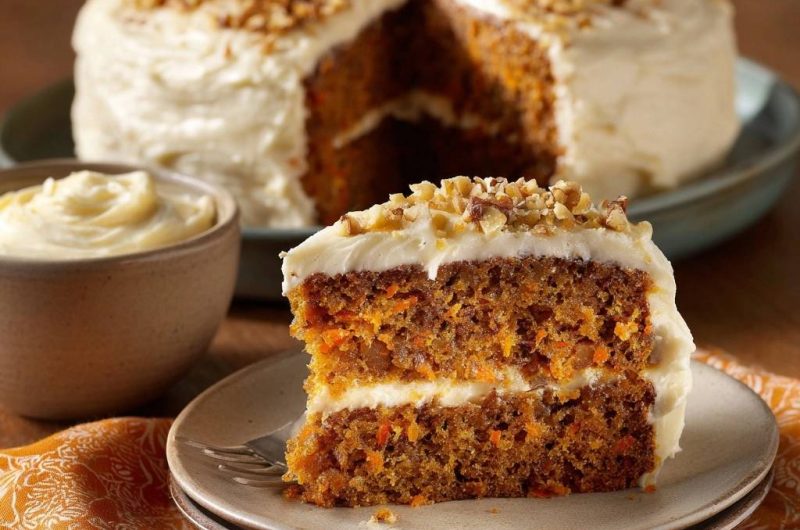
Carrot Cake
Course: DessertCuisine: AmericanDifficulty: medium12
servings20
minutes40
minutes450
kcal60
MinutesDry carrot cake is the worst – crumbly, disappointing, gone in one bite. This recipe solves it forever with our emulsified wet ingredient method that locks in unbeatable moisture from the oil and carrots, keeping every slice tender and fresh for days.
Ingredients
Cake:
2 cups all-purpose flour
2 teaspoons ground cinnamon
2 teaspoons baking soda
1/2 teaspoon salt
3 large eggs
1 cup vegetable oil
1 cup granulated sugar
1 cup packed brown sugar
2 teaspoons vanilla extract
3 cups finely grated carrots (about 6 medium carrots)
1 cup chopped walnuts, plus extra for topping
Cream Cheese Frosting:
8 ounces cream cheese, softened
1/2 cup unsalted butter, softened
4 cups powdered sugar
1 teaspoon vanilla extract
Directions
- Preheat oven to 350 degrees F. Grease and flour two 9-inch round cake pans.
- Whisk together flour, cinnamon, baking soda, and salt in a medium bowl. Set aside.
- In a large bowl, beat eggs, vegetable oil, granulated sugar, brown sugar, and vanilla extract with an electric mixer on medium-high speed for 3-4 minutes until pale, thick, and emulsified (this is the key moisture-locking step – the mixture ribbons off the beaters and holds its shape, trapping air and oil for a tender, never-dry crumb).
- Stir in grated carrots and chopped walnuts by hand.
- Gently fold in the dry ingredients in three additions using a spatula, mixing just until combined (overmixing toughens the cake – stop when no flour streaks remain).
- Divide batter evenly between prepared pans. Bake 35-40 minutes until a toothpick inserted in the center comes out clean. Cool in pans 10 minutes, then transfer to wire racks to cool completely.
- For frosting, beat cream cheese and butter until smooth. Gradually add powdered sugar and vanilla, beating until fluffy.
- Place one cake layer on a serving plate. Spread with 1 cup frosting. Top with second layer. Frost top and sides, then press chopped walnuts onto top and sides. Serve and enjoy the moist perfection!
Notes
- Key to moisture: Beat wet ingredients 3-4 minutes until pale, thick, and emulsified (ribbons off beaters). Fold dry ingredients gently in three additions to avoid toughening the cake.