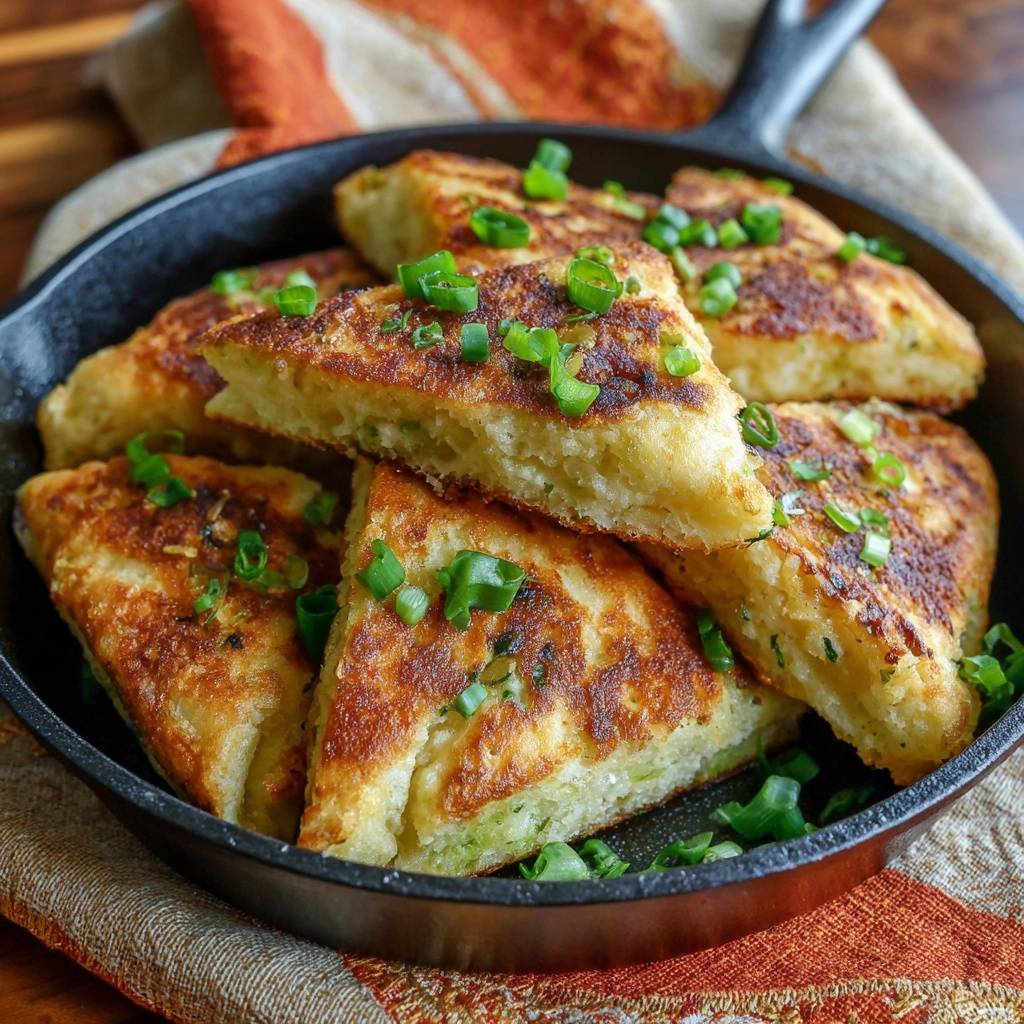
Imagine biting into shatteringly crisp edges that give way to steam rising from flaky, scallion-filled layers. Those crispy scallion pancakes you crave from street vendors? They deliver that perfect crunch outside and tender chew inside. But most home versions turn out dense and chewy, missing those magical separations.
That’s where this recipe shines. You get restaurant-style crispy scallion pancakes every time, thanks to a foolproof hot water dough and coil technique. No guesswork, just reliable flakiness in your own kitchen.
Here’s the game-changer: boiling water gelatinizes the starches right away, relaxing the gluten so your dough stays tender instead of tough. Plus, the coil method traps oil between layers for steam pockets that burst open when fried. You’ll see those layers flake apart naturally.
Hot Water Dough Foundation
Why Boiling Water Transforms Flour
Boiling water changes everything in scallion pancake dough. It gelatinizes the starches in the flour, which softens the structure immediately. Therefore, your crispy scallion pancakes end up tender inside, not chewy like with cold water methods.
Cold water activates gluten too much, leading to tough dough. However, hot water relaxes it for pliability. In addition, the 1/2 teaspoon salt boosts flavor and strengthens the dough just enough for structure without chewiness.
Freshly boiled water is key, around 212°F. You’ll notice the dough come together shaggy but smooth after kneading. This science guarantees flaky layers in your crispy scallion pancakes.
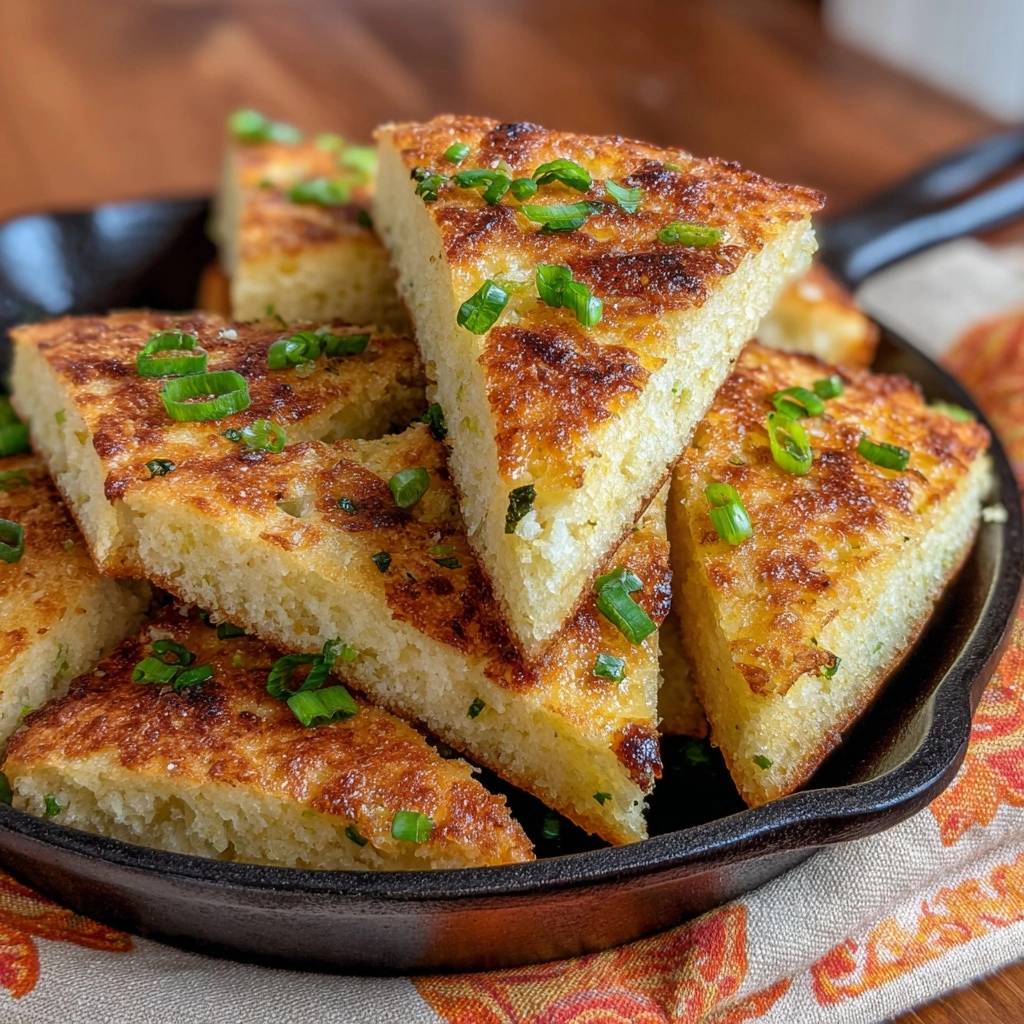
Precise Measurements for Four Pancakes
Start with 2 cups all-purpose flour for the best chew-crisp balance in crispy scallion pancakes ingredients. All-purpose hits that sweet spot, not too soft like cake flour or too strong like bread flour.
Add 3/4 cup boiling water and 1/2 teaspoon salt. Then, you’ll need 1 cup finely chopped green onions and 1/4 cup vegetable oil, divided. Fresh scallions pack punchy flavor and crisp texture; wilted ones make soggy layers.
Measure flour by spooning into the cup and leveling, not scooping. This prevents dense pancakes. Vegetable oil’s high smoke point keeps things crisp without burning.
For more flatbread ideas, see how to create a flavorful garlic butter feta flatbread.
Kneading and Resting Essentials
Pour boiling water over the flour-salt mix in a large bowl. Stir with a spoon until a shaggy dough forms; it’ll look messy at first but that’s normal. The heat relaxes gluten for tenderness.
Knead on a floured surface for 5 minutes until smooth and soft, like playdough. Cover and rest 30 minutes at room temperature. Skipping this rest means dough springs back when rolling, ruining thin circles.
After resting, it rolls effortlessly. You want it pliable, not sticky. Dust with flour if needed, but sparingly to avoid toughness.
Coil Technique for Layer Separation
Rolling Thin Circles Evenly
Divide rested dough into 4 equal pieces, about 4 ounces each. Roll one into a thin 10-inch circle on a floured surface. Keep it even for uniform crisping in scallion pancakes flaky layers.
Brush with 1 tablespoon vegetable oil; it creates moisture barriers. Sprinkle 1/4 cup chopped scallions evenly. Press them in lightly so they stick without tearing the dough.
Thinness matters, aim for translucent spots. Thick spots lead to uneven frying. Flour your pin to prevent sticking.
Mastering the Rope and Spiral Coil
Starting from one edge, tightly roll the circle into a long rope, like a cinnamon roll. Then coil the rope into a spiral disk, snail-shell style. Pinch ends to seal; this traps oil-scallion layers for flakiness.
Loose coils fuse layers together, so roll tight. Gently flatten the coil into a 6-inch disk, about 3/4-inch thick. Don’t press too hard or layers compress.
This technique mimics pro methods. You’ll smell the scallions releasing aroma already. Repeat for all pieces.
Second Rest for Perfect Frying
Cover coiled disks and rest 10 minutes. This relaxes gluten between layers, ensuring perfect separation when cooked. Without it, layers stick during frying.
Rest at room temp, not fridge. They firm up just enough for handling. Now they’re ready for the cast iron skillet.
Pro tip: if you’re in a rush, 5 minutes works, but 10 yields better flakes in crispy green onion pancakes.
Cast Iron Skillet Frying Method
Heating Oil to Shimmering Point
Cast iron excels for crispy scallion pancakes skillet frying due to heat retention and crisp crust. Heat 1 tablespoon vegetable oil over medium until shimmering. Test by flicking water; it should sizzle instantly.
Medium heat prevents burning outer layers before inside cooks. High heat chars edges while centers stay raw. Shimmering oil, around 350°F, is perfect.
Swirl oil to coat. Cast iron’s seasoning adds subtle flavor without sticking.
Pressing Edges for Even Browning
Add one pancake; it should hiss. Cook 3-4 minutes per side until golden and crispy. Press edges with a spatula for even browning and layer exposure.
Flaky layers emerge naturally as steam puffs them apart. Flip carefully with two spatulas if needed. Add oil between batches to maintain crispness.
You’ll hear satisfying crackles. Drain on paper towels. Perfect every time.
Cutting and Hot Serving Style
Slice into triangles right away while hot. Steam escapes with each bite, contrasting the crunch. Serve plain or with quick dips for crispy scallion pancakes recipe bliss.
The heat maximizes flakiness. Cool ones toughen up. Pull layers apart to show off.
Science of Crispy Scallion Pancakes Layers
Hot Water vs Cold Dough Dynamics
Boiling water gelatinizes starches, creating a tender interior unlike cold dough’s toughness. Gluten relaxes early, so dough stretches thin without tearing. Pan heat then crisps the outside perfectly.
Cold water builds strong gluten networks, great for bread but chewy for pancakes. Hot water keeps it soft. Therefore, layers stay distinct.
Physics plays in: steam from trapped moisture expands layers during frying. It’s simple but transformative.
Coiling Creates Steam Barriers
Coiled layers trap vegetable oil and scallion moisture, forming steam barriers. During frying, heat turns it to vapor, puffing flakes apart. Vegetable oil’s high smoke point crisps without smoking.
Imagine thin oil-slicked sheets separating like phyllo. That’s your flaky scallion pancakes science. Even distribution prevents soggy spots.
Visualize the spiral: each turn builds a barrier. Fry right, and they shatter beautifully.
Avoiding Common Pancake Pitfalls
Dough Too Sticky or Springy
Dough sticky? Add flour 1 tablespoon at a time while kneading. Springy? You skipped the rest; wait longer next time. Boiling water not hot enough toughens gluten.
Over-knead makes it elastic. Aim for smooth, not rubbery. Rest fixes most issues.
Uneven Crisping or Soggy Centers
Uneven crisping from high heat; drop to medium for crispy scallion pancakes troubleshooting. Soggy centers? Roll thinner or press while cooking. Skimp on oil between flips? Add more.
Firm spatula presses expose layers. Blot excess oil post-fry.
Scallions Wilting or Burning
Chop scallions finely and use fresh for crisp bits. Over-chop releases juices, wetting dough. Distribute evenly in coils to avoid burn spots.
Pat dry if juicy. They soften perfectly inside without charring.
Flavor Variations for Scallion Pancakes
Spice Infusions and Herb Swaps
Brush with sesame oil for nutty depth in scallion pancake variations. Add chili flakes to filling for heat, or swap half scallions for cilantro. Mild keeps it classic; bold excites.
These stay vegetarian. Test small batches. Chili cuts richness beautifully.
If you enjoy the way chili cuts richness, you’ll love the flavor in cheesy marinara twists.
Ginger shreds in the dough add zing without overpowering.
Gluten-Free and Oil Alternatives
For gluten-free, use a rice flour blend, 2 cups, with same water. It crisps well but knead less. Avocado oil swaps for healthier fat, same smoke point.
Scallions bring antioxidants anyway. Adjust rest time slightly longer for GF.
Pairing Sides with Crispy Scallion Pancakes
Quick Dipping Sauces
Mix 1/4 cup soy sauce, 2 tablespoons rice vinegar, 1 teaspoon grated ginger for tangy dip. Or blend 2 tablespoons sesame paste, 1 tablespoon chili oil, soy to taste. They cut richness with bright acid.
Each takes 2 minutes. Soy-vinegar refreshes; sesame-chili adds creaminess.
Balanced Meal Companions
Pair with steamed broccoli for soft-crisp contrast in what to serve with crispy scallion pancakes. Congee soothes, or egg drop soup balances textures. Veggies add freshness.
Complementary Dishes
To round out your meal with the crispy scallion pancakes, consider these warming soup recipes.
- For a quick and flavorful starter, try this Speedy Spicy Wonton Soup, offering tender wontons in a zesty broth that contrasts nicely with the pancakes.
- Another satisfying option is this Creamy Chicken and Wild Rice Soup, providing a hearty and comforting counterpoint to the crispiness of the pancakes.
Keep it light. These elevate the pancakes without overwhelming.
Make-Ahead Storage Guide
Freezing Coiled Disks
Freeze coiled disks on a tray, then bag up to 1 month. Thaw in fridge, rest 10 minutes, fry fresh. Par-freeze fried pancakes; reheat in hot skillet 2 minutes per side for crisp revival.
Don’t refry from frozen; they sog. Label with date.
Batch Cooking Timeline
Dough rests scale easily for batches. Fry day-of for peak crisp. Store fried in airtight container at room temp 1 day, or fridge 3 days; reheat skillet-dry to avoid sogginess.
Prep coils ahead. Multiplies effortlessly.
Origins of Scallion Pancakes Tradition
Street Food Roots in China
Crispy scallion pancakes hail from Tianjin’s cong you bing, street food sold hot from carts. Immigrants spread it globally. Hot water dough adapts for home kitchens, yielding pro results.
Served folded with dips, evoking vendor vibes. Traditional yet simple. Families tweak with local herbs.
It’s comfort in every flaky bite, timeless appeal.
Troubleshooting Your Scallion Pancakes
Dough Won’t Roll Thin?
Rest longer, up to 45 minutes. Flour surface generously but lightly. Warm hands help pliability.
Pancakes Sticking to Pan?
Preheat longer for shimmering oil. Use more oil, 1.5 tablespoons. Non-stick spray if cast iron’s new.
Layers Not Flaking Apart?
Tighter coils and full rests essential. More oil in brushing. Press gently while frying.
Too Greasy After Frying?
Blot immediately on paper towels. Use less oil next batch, 2 teaspoons. Medium heat evaporates excess.
Can I Bake Instead of Fry?
Yes, but less crisp. Brush oil, bake 400°F 15 minutes per side on parchment. Flip halfway.
FAQ
How do I store leftover crispy scallion pancakes?
Store fried pancakes in an airtight container at room temperature for up to 1 day, or refrigerate for 3 days. Reheat in a hot skillet over medium heat for 2 minutes per side to restore crispness; microwave makes them soggy. Freeze coiled disks (pre-fried) on a tray then in a bag for 1 month; thaw, rest 10 minutes, and fry fresh for best texture. Avoid freezing fried pancakes longer than 2 weeks as layers can fuse.
Why are my scallion pancakes dense without flaky layers?
The most common issue is skipping rests or loose coiling, which fuses layers. Ensure 30-minute dough rest and 10-minute coil rest to relax gluten. Use boiling water (not warm) for starch gelatinization, and roll coils tightly to trap steam pockets. If dough springs back, rest more; over-kneading toughens it too.
Can I make crispy scallion pancakes gluten-free?
Yes, swap 2 cups all-purpose for a gluten-free 1:1 blend like rice flour mix. Use same boiling water amount but knead 1 minute less as GF dough hydrates differently. Rest times stay the same; it crisps well but may need extra flour for rolling. Avocado oil works great too for brushing.
What if my dough is too sticky during kneading?
Add flour 1 tablespoon at a time on a floured surface while kneading; sticky dough often means insufficient kneading time. Aim for smooth, soft texture after 5 minutes. If boiling water was off, adjust next batch precisely. Resting helps too, as it absorbs moisture evenly.
Why do my pancakes burn on the edges but stay raw inside?
Heat’s too high; stick to medium for even cooking. Test oil shimmer before adding pancake. Roll thinner (10-inch circles) so centers cook through in 3-4 minutes per side. Press edges gently to expose layers without scorching.
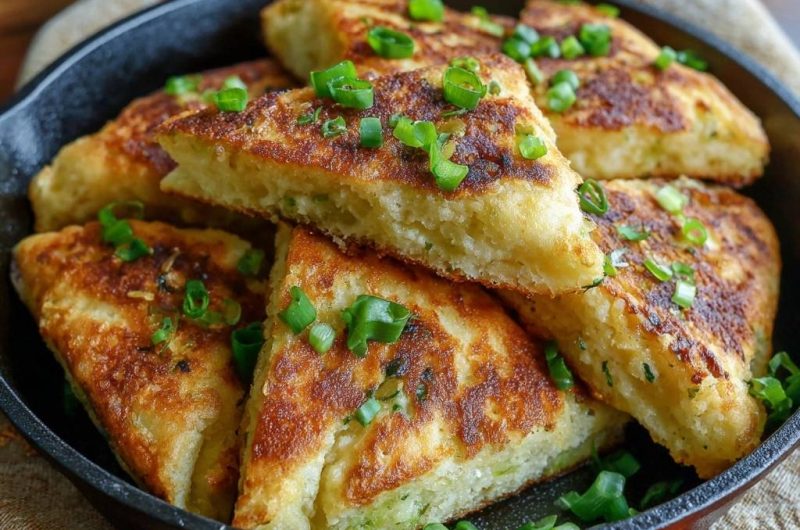
Scallion Pancakes
Course: AppetizerCuisine: ChineseDifficulty: medium4
pancakes45
minutes20
minutes350
kcal65
MinutesTired of dense, chewy scallion pancakes? This foolproof hot water dough and coil technique guarantees separation and crisp edges, no experience needed.
Ingredients
2 cups all-purpose flour
3/4 cup boiling water
1/2 teaspoon salt
1 cup finely chopped green onions (scallions)
1/4 cup vegetable oil (divided)
Directions
- Make the dough: In a large bowl, pour boiling water over flour and salt. Stir with a spoon until a shaggy dough forms (the hot water relaxes gluten for tenderness and prevents toughness). Knead on a floured surface for 5 minutes until smooth. Cover and rest 30 minutes at room temperature. This resting step is key to soft, pliable dough that rolls without springing back.
- Divide dough into 4 equal pieces. Roll one piece into a thin 10-inch circle on a floured surface. Brush evenly with 1 tablespoon oil, then sprinkle 1/4 cup chopped scallions over it.
- Coil technique for flaky layers: Starting from one edge, tightly roll the circle into a long rope, then coil the rope into a spiral disk like a snail shell. Pinch ends to seal. Flatten gently into a 6-inch disk. Repeat with remaining dough. Rest coiled disks 10 minutes covered (this relaxes layers for perfect separation when fried).
- Heat 1 tablespoon oil in a cast iron skillet over medium heat until shimmering (test by flicking water; it should sizzle). Add one pancake, cook 3-4 minutes per side until golden and crispy, pressing edges with spatula for even browning. Layers will naturally flake apart. Repeat with remaining pancakes, adding oil as needed.
- Cut into triangles and serve hot. Enjoy restaurant-style flaky, crispy perfection!
Notes
- Resting steps are key for soft, pliable dough and perfect layer separation. Use cast iron skillet for best crispiness.