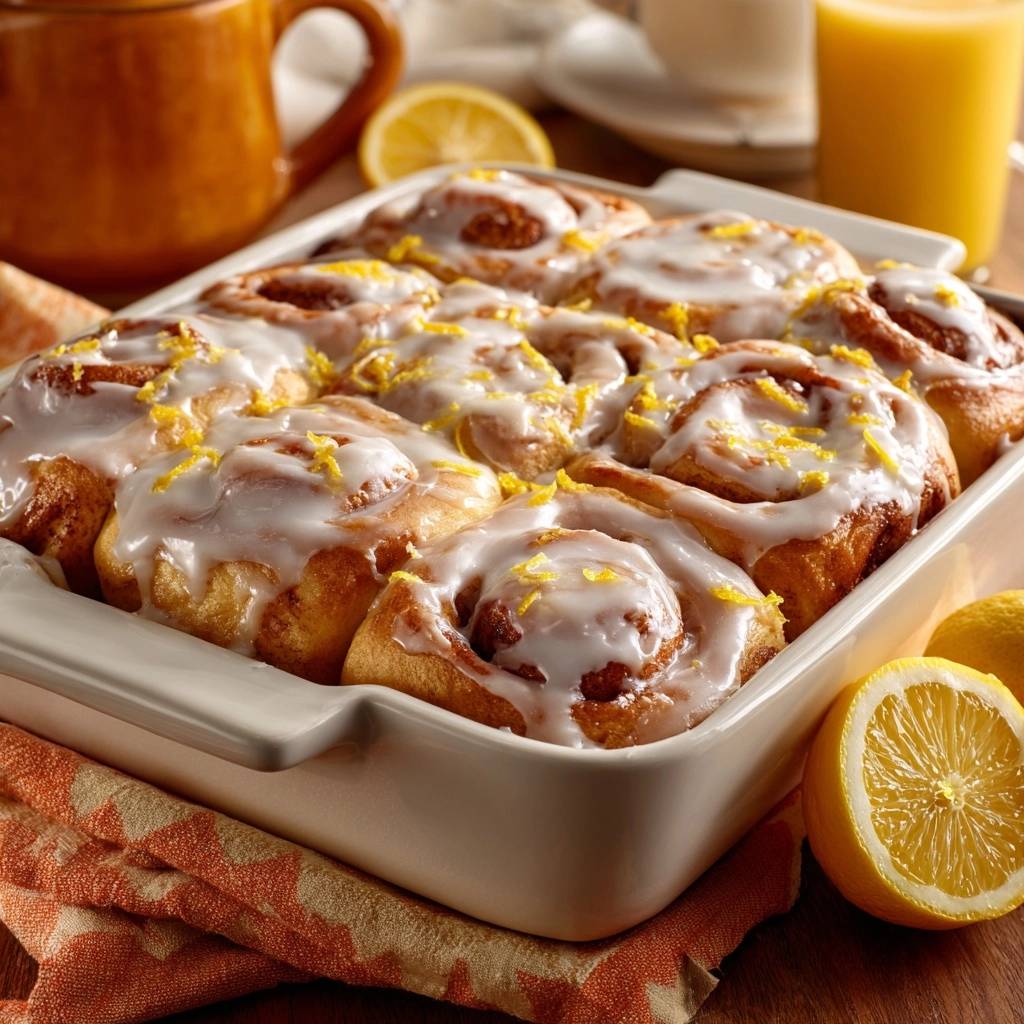
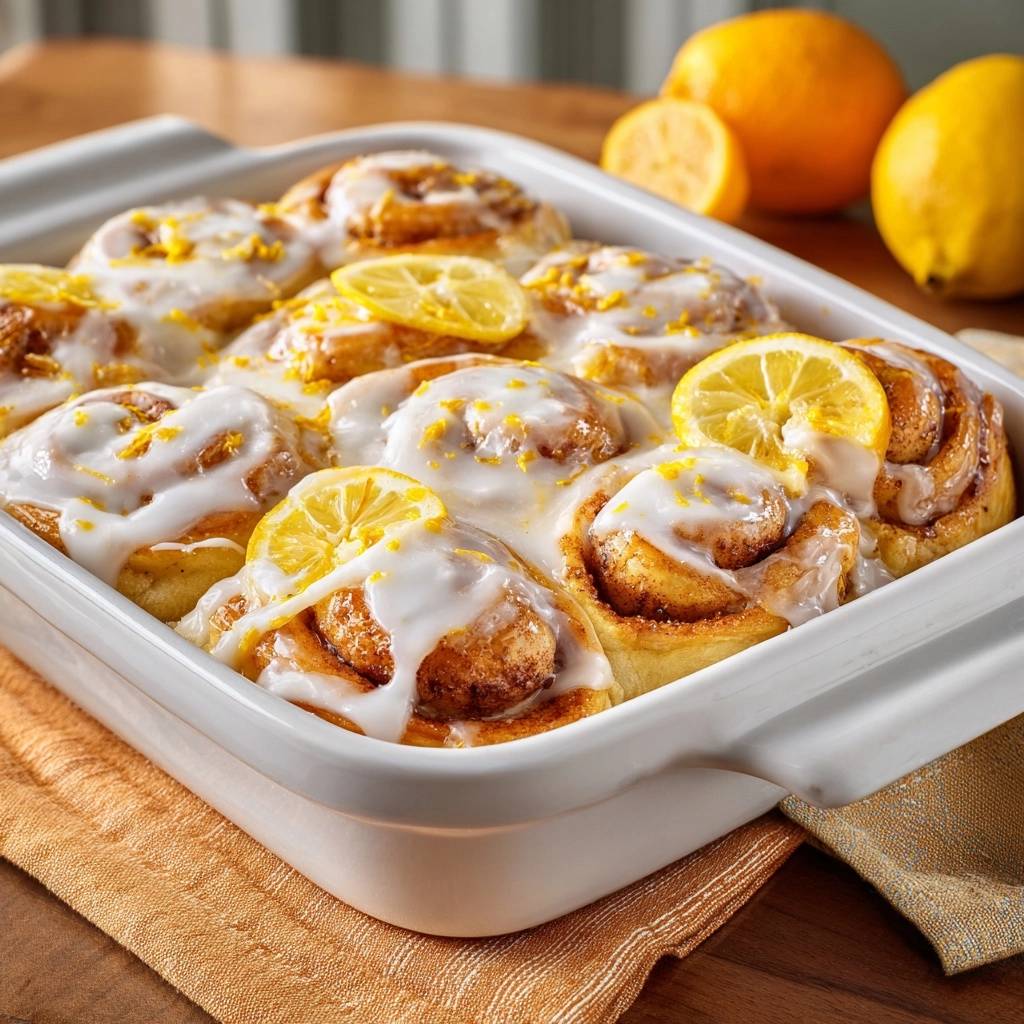
Homemade lemon rolls usually flop into dense bricks that no one wants to bite. But these lemon rolls change everything with a simple tangzhong starter. You’ll get pillowy, fluffy perfection that stays soft for days, bursting with bright citrus zing.
That’s because tangzhong gelatinizes the flour first. It traps moisture right in the dough, so your lemon rolls rise tall and tender. No more heavy disappointments at breakfast.
Here’s the pro tip that seals it: cool the tangzhong fully before mixing. This prevents a gummy mess and lets the yeast thrive for maximum lift in your lemon rolls.
Why Tangzhong Unlocks Fluffy Lemon Rolls
Tangzhong Basics for Bread Flour Lovers
Tangzhong is a paste made from flour cooked in liquid. In these lemon rolls, it gelatinizes the starch to hold onto moisture way better than regular dough. Therefore, your rolls stay fluffy even after a few days.
Standard dough dries out fast because starch retrogrades, turning chewy and stale. However, tangzhong stops that cold. You’ll notice the difference in every soft bite of these lemon rolls.
Science of Moisture in Lemon Rolls Dough
Bread flour has high protein, around 12-14%, which builds strong gluten. Add tangzhong, and it boosts hydration to 80% or more without sogginess. In addition, yeast feeds happily on that extra moisture for big bubbles.
Regular flour absorbs less, so dough toughens up. But here, the elastic network forms perfectly. That’s why these lemon rolls pull apart with that signature fluffy pull.
Picture the dough stretching thin without tearing in the windowpane test. Tangzhong makes it happen effortlessly.
Gathering Ingredients for Tangzhong Lemon Rolls
Tangzhong Starter Components Breakdown
You need 1/4 cup water, 1/4 cup milk, and 2 tablespoons bread flour for the tangzhong. The equal water-milk ratio keeps it smooth, avoiding gumminess in your lemon rolls base. Plus, milk’s proteins add tenderness.
Cool it to room temp before using. Hot tangzhong kills yeast, so always check with your finger first.
Core Dough Elements for Pillowy Texture
Start with 2 1/4 teaspoons instant yeast, 3/4 cup warm milk at 110F, 1/4 cup sugar, one large egg, 1/4 cup softened unsalted butter, 1 teaspoon salt, and 3 1/2 cups bread flour. Unsalted butter lets you control the salt perfectly.
Bread flour beats all-purpose with its higher protein for chew without density in lemon rolls. Warm milk wakes the yeast fast, so it foams up lively.
Pro tip: soften butter to room temp for even blending. Cold chunks lead to uneven dough.
Lemon Zest Filling and Icing Precision
For filling, grab 1/2 cup softened butter, 3/4 cup sugar, and zest from 4 lemons. Icing needs 2 cups powdered sugar, 3 tablespoons fresh lemon juice, 2 tablespoons milk, and zest from 1 lemon.
Fresh zest releases those potent oils for real citrus punch in lemon rolls. Avoid bottled juice; it lacks brightness.
For more bright citrus flavor, consider trying this glazed lemon loaf cake.
Zest finely with a microplane. It distributes evenly, so every swirl pops with flavor.
For a similar bright citrus flavor, check out this glazed lemon blueberry loaf.
Building Tangzhong Base for Lemon Rolls
Whisking and Cooking Tangzhong Paste
In a small saucepan, whisk water, milk, and bread flour over medium heat. Stir constantly for 2 minutes until it thickens like pudding. You’ll see trails from your whisk.
Remove from heat and cool completely. This step pre-gelatinizes starch, so your lemon rolls hold steam during baking for fluffiness.
Yeast Proofing with Warm Milk
Mix warm milk, yeast, and sugar in a large bowl. Wait 5 minutes for foam. No foam? Your yeast is dead; start over.
Precise 110F temp activates it without killing. Therefore, your lemon rolls rise strong from the start.
Mixing and Kneading Lemon Rolls Dough
Combining Tangzhong into Wet Mixture
Add cooled tangzhong, egg, butter, salt, and 1 cup flour to the yeast mix. Stir until smooth. This order builds a lump-free base for lemon rolls.
Don’t skip; dumping flour first makes sticky disasters.
Gradual Flour Addition and Kneading
Gradually mix in remaining 2 1/2 cups bread flour. Knead 8-10 minutes by hand or mixer until elastic and slightly sticky. Stretch a piece thin for the windowpane test; it should glow translucent.
Tangzhong smooths it effortlessly. Overknead, and it turns tough, so stop when smooth.
First Rise and Dough Handling Techniques
Proofing Dough to Double Volume
Grease a bowl, place dough inside, cover, and set in a warm spot for 1 hour until doubled. Poke it; if the dent stays, it’s ready.
Humidity helps, but a turned-off oven with light on works great for lemon rolls.
Punching Down for Even Structure
Gently punch the dough to deflate. This redistributes yeast gases evenly. Now it’s primed for shaping perfect lemon rolls.
Shaping Filled Lemon Rolls Perfectly
Rolling Rectangle on Floured Surface
On a lightly floured surface, roll dough to 12×16 inches. Keep thickness even, about 1/4 inch. Light flour dusting prevents sticking without drying it out.
Spreading Butter, Sugar, Zest Filling
Spread softened butter edge to edge. Sprinkle sugar and zest evenly. Room-temp butter melts in, infusing every layer of your lemon rolls with flavor.
Tight Rolling and Slicing into 12 Pieces
Roll tightly from the long side into a log. Use a serrated knife for 12 clean 1-inch slices. Don’t press; it squishes the spirals.
Place cut-side up in a greased 9×13 dish, close together.
Second Proof and Baking Lemon Rolls
Puffy Second Rise in Baking Dish
Cover and let rise 45-60 minutes until puffy. They double with tangzhong’s help. Look for soft, jiggly tops.
350F Oven Timing for Golden Tops
Bake at 350F for 20-25 minutes until golden. Pull early to keep soft; overbaking dries them. Cool on a rack 10 minutes.
Middle rack avoids hotspots. Rotate halfway if your oven runs uneven.
Whipping Lemon Icing Drizzle
Balancing Powdered Sugar and Juice
Whisk powdered sugar, lemon juice, milk, and zest until smooth. Add juice drop by drop for perfect drip. Fresh juice balances the sweet in lemon rolls.
Drizzle over warm rolls. It sets glossy and zingy.
More Sweet Baking Ideas
If you enjoyed these lemon rolls, you might like these other sweet treats.
- For a different spiced cookie experience, try these Classic Cinnamon Snickerdoodles, known for their crisp edges.
- If you’re in the mood for something citrusy and soft, check out these Glazed Zesty Orange Muffins for a tender crumb.
Equipment Choices for Lemon Rolls Success
Stand Mixer vs. Hand Kneading Tools
A stand mixer with dough hook kneads in 8 minutes flat. Hand kneading builds arm strength but takes 10. Use a big bowl and instant-read thermometer for milk.
Both work; mixer saves time for busy mornings.
Baking Dish and Cooling Essentials
Metal 9×13 heats evenly faster than glass. Serrated knife slices clean; bench scraper shapes dough. Cooling rack lets air circulate for soft bottoms on lemon rolls.
Avoiding Dense Lemon Rolls Pitfalls
Overkneading and Flour Overload Fixes
Overkneaded dough feels tight and tears. Weigh flour at 420g; cups pack too much. Tangzhong forgives slight overloads by hydrating extra.
Sticky? Add flour 1 tablespoon at a time during kneading.
Proofing and Baking Temperature Errors
Cold kitchen slows rise; use proofing box or warm water bath. Overproofed dough deflates on touch. Bake to 190F internal for doneness.
Expect oven spring first 5 minutes for tall lemon rolls.
Flavor Twists on Classic Lemon Rolls
Citrus Zest Swaps and Spice Additions
Swap lemon for lime or orange zest. Add a pinch of cardamom for warmth. Use plant milk in tangzhong for vegan lemon rolls; it keeps fluff.
Filling Upgrades Beyond Lemon Zest
Swirl in cream cheese with the butter. Layer thin berry preserves. Vanilla in icing mellows the tart perfectly.
Storage and Make-Ahead Lemon Rolls Guide
Room Temp and Freezer Longevity
Store airtight at room temp for 3 days; they stay soft thanks to tangzhong. Freeze baked, iced rolls up to 2 months in bags. Thaw overnight, reheat at 300F with foil or steam for fresh vibe.
Prep Night Before Strategies
After shaping, fridge the dish overnight for slow second rise. Bake straight from cold, adding 5-10 minutes. Tangzhong dough holds up beautifully.
Pairing Lemon Rolls with Breakfast Sides
Drinks and Savory Balances
Herbal tea or black coffee cuts the sweet. Yogurt parfaits add creaminess. The lemon zing loves acidic fruit like berries.
Brunch Menu Complements
Serve with scrambled eggs or veggie frittata. Bake rolls last for hot pulls. Timeline: proof while eggs cook.
Troubleshooting Lemon Rolls Issues
Why Rolls Stay Dense Despite Tangzhong?
Check yeast foam first; dead yeast kills rise. Use bread flour, not all-purpose. Ensure full rises; short ones trap no air. Weigh flour to avoid overload.
Icing Too Runny or Grainy Solutions
Sift sugar to kill lumps. Too runny? Add sugar. Swap milk for cream to thicken fast.
Uneven Browning and Dry Edges
Tent foil after 15 minutes. Rotate dish midway. Brush butter post-bake for soft edges.
Spiral Loosening During Rise
Roll tighter next time. Secure ends with toothpick if needed. Place snug in dish to hold shape.
FAQ
How do I store leftover lemon rolls and can they be frozen?
Keep them in an airtight container at room temperature for up to 3 days; the tangzhong keeps them soft without drying. For longer storage, freeze baked and iced rolls in a freezer bag for 2 months. Thaw overnight in the fridge, then reheat in a 300F oven covered with foil for 10 minutes or use a steamer basket to restore that fresh, pillowy texture without sogginess.
Why are my lemon rolls still dense even with tangzhong?
Density usually comes from inactive yeast, so always confirm the foamy proof. Also, measure bread flour by weight (420g total) instead of cups to prevent overload, which tangzhong can’t fully fix. Finally, allow full rises; rushing cuts air pockets, so poke test before proceeding and ensure a warm spot around 75-80F.
Can I substitute ingredients in these lemon rolls?
Swap bread flour for all-purpose if needed, but expect slightly less chew; add 1 extra tablespoon for protein. Use plant-based milk and vegan butter for dairy-free, keeping tangzhong ratios the same for fluff. No fresh lemons? Bottled juice works in icing but zest from dried lemon peel lacks oils, so flavor dims a bit.
Why is my icing too runny or grainy for lemon rolls?
Graininess happens from unsifted powdered sugar; always sift first. For runniness, add sugar 1/4 cup at a time and chill 5 minutes to set. If too thick, thin with milk drops; fresh lemon juice’s acid helps emulsify smoothly without separating.
How do I fix uneven browning or dry edges on lemon rolls?
Rotate the dish halfway through baking to even oven hotspots. Tent with foil after 15 minutes if tops brown fast. Post-bake, brush edges with melted butter immediately; it seals moisture and softens any crisp bits perfectly.
Can I make lemon rolls ahead for breakfast?
Yes, shape and place in the 9×13 dish, then cover and fridge overnight for the second rise. Bake cold the next morning, adding 5-10 extra minutes at 350F. Tangzhong’s moisture lock makes them taste freshly baked, ideal for brunch crowds.

Lemon Rolls
Course: DessertCuisine: AmericanDifficulty: medium12
rolls30
minutes25
minutes450
kcal120
MinutesHomemade sweet rolls often turn out heavy and dense, but this lemon-packed version fixes that forever with an easy tangzhong starter. It gelatinizes the flour for ultra-fluffy, pillowy texture that stays soft for days. Perfect breakfast treat with bright citrus zing.
Ingredients
Tangzhong:
1/4 cup water
1/4 cup milk
2 tablespoons bread flour
Dough:
2 1/4 teaspoons instant yeast
3/4 cup warm milk (110F)
1/4 cup granulated sugar
1 large egg
1/4 cup unsalted butter, softened
1 teaspoon salt
3 1/2 cups bread flour (plus more for dusting)
Filling:
1/2 cup unsalted butter, softened
3/4 cup granulated sugar
Zest of 4 lemons
Icing:
2 cups powdered sugar
3 tablespoons fresh lemon juice
2 tablespoons milk
Zest of 1 lemon
Directions
- Make tangzhong: In a small saucepan, whisk water, milk, and 2 tablespoons bread flour over medium heat. Cook, stirring constantly, until thickened to a smooth paste (about 2 minutes, like pudding). Cool to room temperature. This simple step traps moisture in the dough for guaranteed fluffiness, preventing dense texture.
- Activate yeast: In a large bowl, combine warm milk, yeast, and sugar. Let sit 5 minutes until foamy.
- Mix dough: Add cooled tangzhong, egg, butter, salt, and 1 cup flour to yeast mixture. Stir until smooth. Gradually add remaining 2 1/2 cups flour, kneading 8-10 minutes (by hand or mixer) until soft and elastic. Dough will be slightly sticky but smooth. The tangzhong ensures even hydration for light, airy results.
- First rise: Place dough in greased bowl, cover, and let rise in warm spot until doubled, about 1 hour.
- Roll and fill: Punch down dough. On floured surface, roll into 12×16-inch rectangle. Spread softened butter evenly, sprinkle with sugar and lemon zest. Roll tightly from long side into log. Cut into 12 slices.
- Second rise: Place rolls in greased 9×13-inch baking dish. Cover and let rise until puffy, 45-60 minutes. This double proofing with tangzhong locks in the fluffy structure.
- Bake: Preheat oven to 350F. Bake rolls 20-25 minutes until golden. Do not overbake to keep them soft.
- Ice: Whisk powdered sugar, lemon juice, milk, and zest until smooth. Drizzle over warm rolls. Pull apart and enjoy fluffy perfection.
Notes
- The tangzhong starter is key to preventing dense texture and ensuring fluffy, moist rolls that stay soft for days. Do not overbake to maintain softness.