I used to dread adding shrimp to a simmering tomato sauce, only to watch those beautiful crustaceans shrink into tough, rubbery knots.
This recipe for Rich Skillet Shrimp is the ultimate game-changer, relying on the incredible heat retention of cast iron to guarantee plump, tender bites every single time.
By mastering this simple residual heat technique, you unlock deep flavor and perfect texture in under 40 minutes.
For perfectly tender shrimp every time, explore spicy garlic chili shrimp.
The Game Changer: Why This Rich Skillet Shrimp Technique Works
Solving the Rubbery Shrimp Dilemma
Traditional skillet methods often require the shrimp to cook directly in the boiling sauce, causing the delicate muscle proteins to seize up quickly.
Our cast iron residual heat method removes the pan from the direct heat, creating a gentle, controlled thermal environment that yields perfectly cooked, juicy seafood.
Unlocking Deep, Slow-Cooked Flavor in Just 35 Minutes
The success of this dish lies in the initial 15-to-20 minute sauce reduction before the shrimp are introduced.
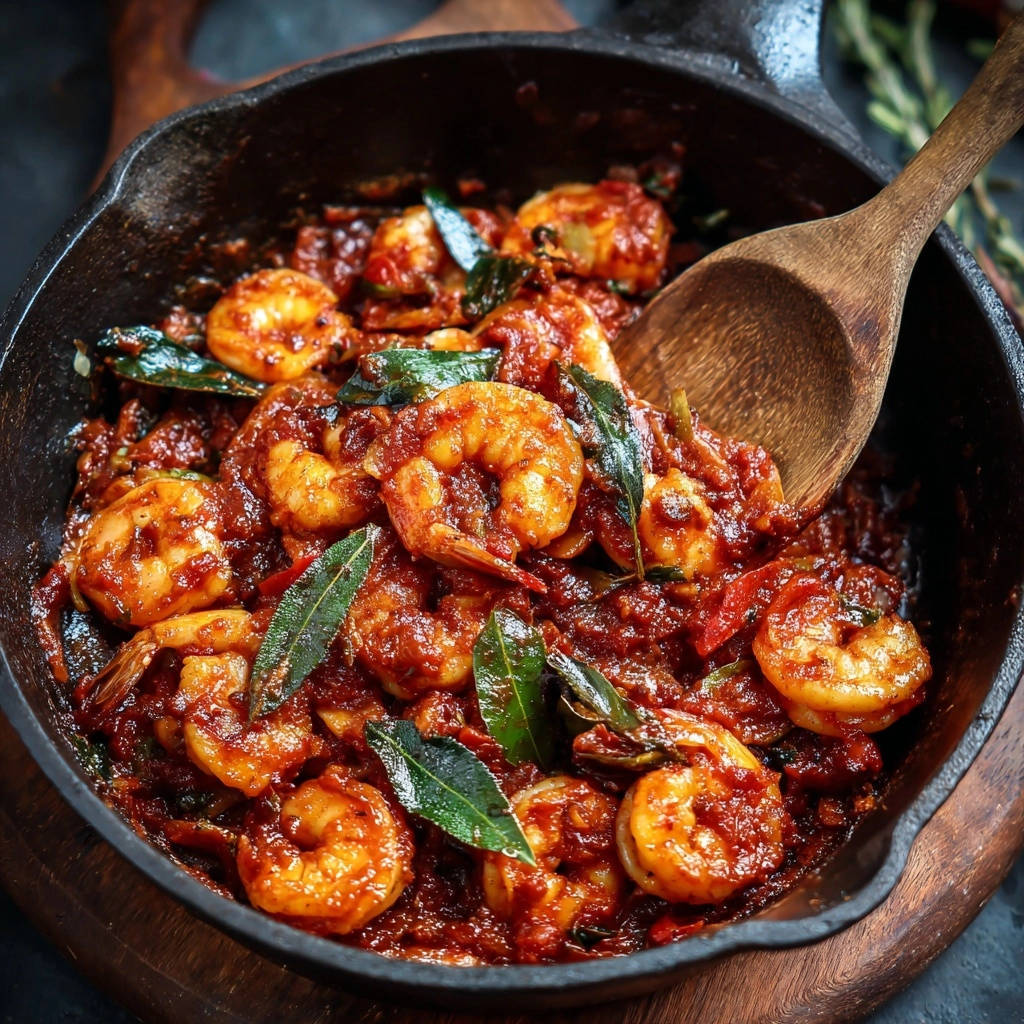
This simmering process concentrates the sweetness of the tomatoes and allows the bay leaves and rosemary to fully infuse, developing complexity usually reserved for hours of cooking.
Convenience and Cleanup: A True One-Pan Wonder
Using a single, heavy cast iron skillet means you can transition seamlessly from stovetop cooking to tabletop serving.
The rustic presentation of serving the Rich Skillet Shrimp directly from the pan enhances the meal experience and minimizes dishwashing.
Essential Equipment for Skillet Success (The Cast Iron Advantage)
Why Cast Iron Is Non-Negotiable for This Recipe
Cast iron is indispensable here because of its phenomenal thermal mass and superior heat retention capabilities.
Even after removing the skillet from the burner, it radiates enough latent heat to gently and evenly cook the large shrimp to opaque perfection in just a few minutes.
Other Necessary Tools for Prep and Simmering
While the cast iron is the star, a few other tools ensure smooth execution:
- Sturdy Wooden Spoon: Essential for stirring thick sauces without scratching the pan’s seasoned surface.
- Trivet or Protector: Absolutely necessary for placing the intensely hot skillet on a protected countertop immediately after removal from the stove.
- Measuring Cups/Spoons: Crucial for accurate spice and liquid ratios during the flavor build stage.
Building Blocks of Richness: Essential Ingredients Breakdown
Selecting the Perfect Shrimp Size and Preparation
We specifically call for 1.5 pounds of large shrimp (U15 or U20 size) because smaller shrimp will overcook too quickly with the residual heat technique.
Always use peeled and deveined shrimp for better texture and ease of eating; the choice between tail-on or tail-off is purely aesthetic.
The Aromatic Foundation: Onion, Garlic, and Quality Oil
Finely diced yellow onion and minced garlic form the irreplaceable aromatic base that provides foundational depth for the sauce.
Sautéing the onion until fully softened is critical; rushing this step results in a harsh, crunchy texture in the final sauce.
Deepening the Tomato Flavor Profile
Crushed tomatoes are superior to diced or whole tomatoes in this dish because they provide the ideal starting consistency for a thick, coating sauce.
Quality matters here-look for high-acid, imported crushed tomatoes to ensure a bright, balanced flavor profile that reduces well.
The Spice Powerhouse: Smoked Paprika and Cayenne
Smoked paprika is necessary for its intensely savory, slightly smoky note, which distinguishes this dish from standard marinara.
Cayenne pepper (or chili powder) adds necessary warmth and complexity without aggressive heat, perfectly balancing the richness of the tomato reduction.
Harnessing Fresh Herbs for Complexity (Rosemary and Bay Leaf)
Using fresh bay leaves and rosemary sprigs provides a much brighter, complex aroma than dried alternatives during the long simmer.
Remember to remove the entire sprigs and leaves before serving; consuming bay leaves or woody rosemary stems is unpleasant.
Mastering the Method: Detailed Steps to Perfect Rich Skillet Shrimp
Step 1: Preparing the Aromatic Base and Spices
- Instruction: Heat the skillet, add oil, onion, and cook until softened.
Ensure your heavy cast iron skillet is properly preheated over medium heat before adding the olive oil.
Cook the onions until they are translucent and sweet-this takes a full five to seven minutes. Next, add the garlic, paprika, and cayenne, and stir for exactly one minute.
Cooking the spices briefly, known as blooming, maximizes their flavor extraction into the hot oil and prevents them from tasting raw.
Step 2: The Crucial Sauce Simmer and Reduction
- Instruction: Add tomatoes, stock, and herbs; simmer low and slow for 15-20 minutes.
Pour in the crushed tomatoes and stock, seasoning generously with salt and pepper immediately.
Allow the sauce to simmer uncovered on low heat for 15 to 20 minutes; this slow reduction is essential for achieving a deeply concentrated flavor and a rich, velvety consistency.
The sauce is ready when it “coats the back of a spoon”-meaning if you drag your finger across the spoon’s back, the sauce should hold the distinct line and not immediately run back together.
Step 3: The Tender Shrimp Technique (The Critical Step)
- Instruction: Remove the skillet completely from the heat source.
This is the moment that guarantees tender shrimp: Once the sauce is reduced, you must remove the skillet completely from the heat source and place it safely on a trivet.
Adding the shrimp while the cast iron pan remains on the heat, even on low, will cause immediate and aggressive overcooking-the very mistake this recipe avoids.
Step 4: Gentle Cooking with Residual Heat
- Instruction: Stir the shrimp into the hot sauce, cover, and let rest for 3-5 minutes.
Arrange the large, prepared shrimp evenly on top of the hot sauce, then gently stir them until fully submerged in the thick, piping hot liquid.
Cover the skillet loosely and let the retained heat of the cast iron do the work for precisely three to five minutes, depending on the shrimp size.
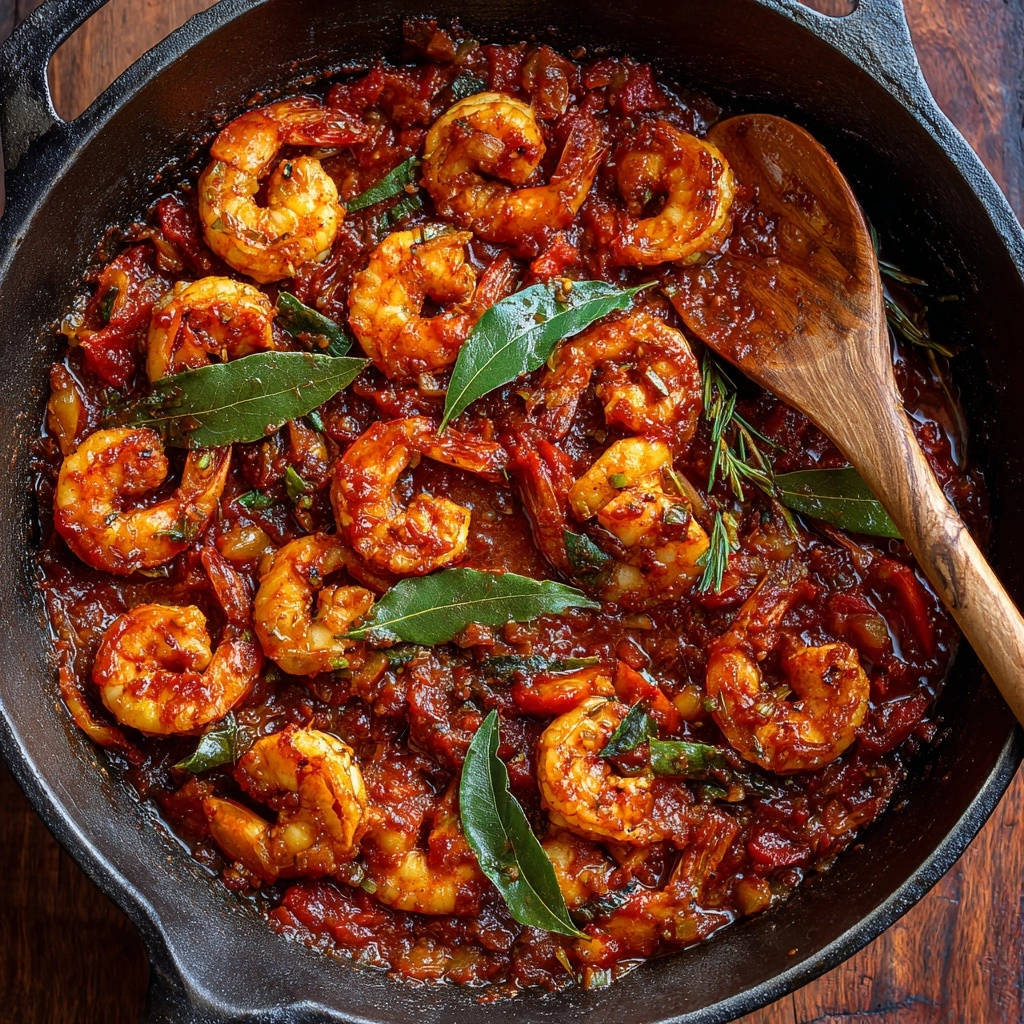
The controlled, decreasing residual heat cooks the seafood until they are opaque and curled into a perfect “C” shape, locking in moisture without causing the muscle fibers to seize up violently.
If you’re enjoying these tender shrimp bites, you might also appreciate the robust flavors in Cajun shrimp and sausage gumbo.
Step 5: Finishing Touches and Presentation
- Instruction: Remove the herbs, stir in fresh parsley/cilantro, and serve immediately.
Carefully locate and remove the spent bay leaves and rosemary sprigs, which have now fully flavored the sauce base.
Stir in a generous amount of fresh parsley or cilantro right before serving to add a vital element of freshness and color contrast to the rich tomato sauce.
Chef’s Secrets: Elevating and Troubleshooting Your Skillet Dish
Troubleshooting: My Sauce is Too Thin!
If the sauce hasn’t reduced sufficiently after 20 minutes, scoop out about half a cup and let it reduce separately in a small saucepan over high heat.
Once thickened, stir it back into the main skillet. Do not add the shrimp until you achieve that desired thickness that truly coats the spoon.
The Quality Check: Don’t Forget the Salt and Pepper
Seasoning must occur at two critical stages: first, generously when adding the crushed tomatoes to build the internal flavor.
Second, taste and adjust right before serving. The sauce reduction concentrates flavors, so a final grinding of fresh black pepper is often crucial for brightness.
Quick Substitution: Using Dried Herbs (When Fresh Isn’t Available)
If fresh rosemary or bay leaves are unavailable, substitute them using the ratio of one teaspoon of dried herbs for every one tablespoon of fresh specified.
Dried herbs must be added much earlier-right alongside the onion and garlic-to allow enough time for their flavor to fully hydrate and infuse during the simmer.
A Brighter Finish: The Power of Acid
A rich, long-simmered tomato sauce sometimes benefits from a final acidic lift to cut through the heavy richness.
Add a small splash of fresh lemon juice or a teaspoon of quality red wine vinegar just before stirring in the fresh parsley to brighten the entire dish.
Perfect Pairings: What to Serve with Rich Skillet Shrimp
Sopping Up the Sauce: Starches and Grains
This savory, thick sauce demands an absorbent pairing to ensure you utilize every last drop of flavor.
- Crusty Bread: Ideal for tearing and dipping into the tomato sauce (known as making “scarpetta”).
- Creamy Polenta: Provides a soft, neutral bed that complements the richness of the spices beautifully.
- Fluffy White Rice: Simple white rice is perfect for absorbing the skillet sauce without competing with the complexity of the seafood.
Light and Bright Counterpoints
Because the main dish is so savory and hearty, it pairs best with simple, clean greens.
A straightforward side of steamed asparagus or a light green salad dressed with a sharp vinaigrette offers a necessary textural and flavor contrast.
What to Try Next
To round out your meal with the Rich Skillet Shrimp, consider these complementary dishes.
- For a comforting, savory addition, try these Savory Bacon and Herb Dumplings, which share a similar richness.
- Complement the shrimp with earthy flavors by making these Roasted Garlic Mushrooms & Onions, offering a deeply savory element.
The Ideal drink pairing for Tomato and Spice
When pairing grape juice with rich tomato and paprika, look for options that balance acidity and fruit without heavy tannins.
Crisp, high-acid white grape juice like sparkling grape juice or a dry, light-bodied Italian sparkling grape juice (Rosato) are excellent choices that stand up well to the subtle spice found in the Rich Skillet Shrimp.
Make-Ahead & Storage: Planning Your Rich Skillet Shrimp Feast
Can I Prepare the Sauce in Advance?
Yes, absolutely. You can prepare the sauce (Steps 1 through 3) up to the point of reduction and safely store it in an airtight container for up to three days.
When ready to serve, simply reheat the sauce gently in the cast iron skillet until piping hot, remove from heat, and proceed with the shrimp technique (Steps 4 and 5).
Storing and Reheating Leftovers Safely
Store leftover Rich Skillet Shrimp in a shallow, airtight container in the refrigerator for a maximum of two days.
To reheat without sacrificing the texture of the shrimp, use very low heat on the stovetop or reheat briefly in a 300°F oven until just warmed through.
Your Top Questions Answered About Making This Skillet Dish
Can I use frozen shrimp directly in this recipe?
No. Frozen shrimp will release too much water as they thaw, instantly thinning your carefully reduced sauce.
Furthermore, the icy temperature will immediately drop the residual heat of the cast iron, preventing the shrimp from cooking evenly or properly.
What if I don’t own a cast iron skillet?
You can substitute with a heavy-bottomed stainless steel pan or a Dutch oven, but you will lose significant heat retention capabilities.
If substituting, add the shrimp, cover, and then return the pan to the lowest possible burner setting for exactly three minutes, monitoring closely to ensure the sauce does not come back to a rolling boil.
Can I add vegetables like bell peppers or zucchini?
Yes, but dice them finely and sauté them right after the onion to ensure they soften completely before the crushed tomatoes are added.
Be aware that vegetables contain moisture and may require a slightly longer reduction time for the sauce to thicken properly.
How do I adjust the spice level?
To keep the deep, smoky flavor without any heat, simply omit the cayenne pepper or chili powder completely; the richness will remain intact.
For extra heat, increase the cayenne by a quarter teaspoon at a time, testing the spice level after the initial sauce simmer.
Ready to Impress? Share Your Rich Skillet Shrimp Masterpiece!
This precise technique for cooking Rich Skillet Shrimp is reliable, deeply flavorful, and ensures you never serve rubbery seafood again.
Embrace the power of the cast iron skillet and prepare to impress your family and guests with this tender, savory weeknight feast. We encourage you to try the technique and share your experience below!
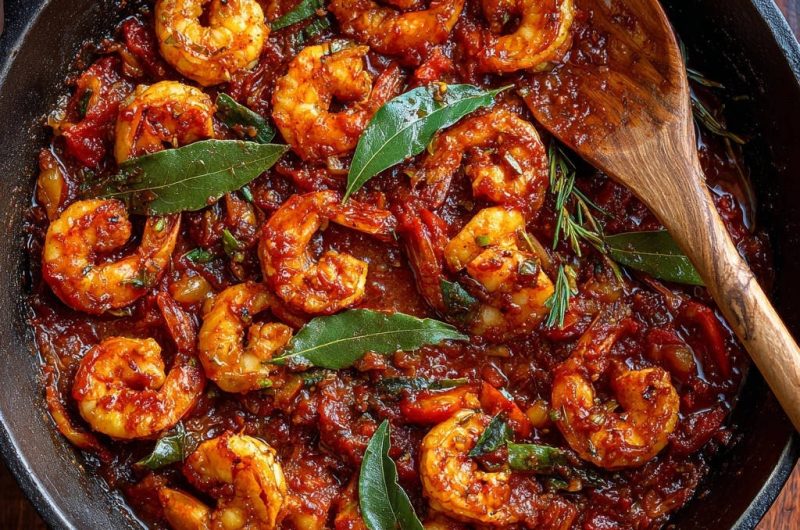
Shrimp
Course: Main CourseCuisine: InternationalDifficulty: easy4
servings10
minutes25
minutes240
kcal35
minutesIf you’ve struggled with tough seafood, this technique is a game changer. We use the residual heat of a cast iron skillet to cook shrimp perfectly, resulting in plump, tender bites every single time, simmered in a rich tomato sauce.
Ingredients
1.5 pounds large shrimp peeled and deveined (tails optional)
2 tablespoons olive oil
1 large yellow onion finely diced
4 cloves garlic minced
1 teaspoon smoked paprika
1/2 teaspoon cayenne pepper or chili powder
1 (14.5 ounce) can crushed tomatoes
1/2 cup water or vegetable stock
2 fresh bay leaves
2 sprigs fresh rosemary
1/4 cup chopped fresh parsley or cilantro
Salt and freshly ground black pepper to taste
Directions
- Prepare the Sauce Base: Heat a large, heavy cast iron skillet over medium heat. Add the olive oil. Once shimmering, add the diced onion and cook until softened, about 5 to 7 minutes. Add the minced garlic, paprika, and cayenne pepper and cook for 1 minute until fragrant.
- Build Flavor and Consistency: Pour in the crushed tomatoes and the water or stock. Season generously with salt and pepper. Stir well. Add the bay leaves and rosemary sprigs directly into the sauce.
- Reduce the Sauce: Bring the sauce to a gentle simmer. Reduce the heat to low and let the sauce cook uncovered for 15 to 20 minutes, stirring occasionally, until the sauce has thickened significantly and coats the back of a spoon. This long, slow simmer is crucial to deepening the flavor and achieving the rich consistency shown in the image.
- The Tender Shrimp Technique: Once the sauce has reached the desired thickness, remove the skillet completely from the heat source. Place the skillet on a protected counter or trivet. The cast iron pan will hold enough residual heat to cook the shrimp perfectly without the risk of overcooking.
- Finish the Shrimp: Arrange the prepared shrimp evenly on top of the hot sauce. Gently stir the shrimp into the sauce until they are fully submerged. Cover the skillet loosely with a lid or foil. Let the shrimp sit, covered, for exactly 3 to 5 minutes, depending on their size. The residual heat of the sauce and the pan will gently cook the shrimp until they are opaque and fully curled into a C-shape. Do not put the skillet back on the burner.
- Serve: Remove the bay leaves and rosemary sprigs. Stir in the chopped fresh parsley or cilantro immediately before serving. Serve hot, directly from the skillet.
Notes
- For a more intense smoky flavor, toast the smoked paprika in the skillet for about 30 seconds before adding the onions. If you prefer a milder spice, start with just a pinch of cayenne and add more to taste after the sauce has simmered.