

I remember countless attempts at roasting squash, only to pull a sad, watery mess from the oven. It was frustrating! But through much kitchen experimenting, I finally perfected these Roasted Parmesan Squash Slices, ensuring they’re always perfectly tender with crisp, golden edges, never soggy.
This recipe transforms humble squash into an irresistible side dish, thanks to one simple, game-changing trick that guarantees incredible flavor and texture every single time.
Unlock Perfect Roasting: Why This Squash Recipe Reigns Supreme
The “Never Soggy” Breakthrough
The most common complaint about roasted squash is its tendency to turn mushy and watery. This recipe directly addresses that issue with a crucial pre-roasting step.
By drawing out excess moisture before roasting, we prevent the squash from steaming in the oven, allowing it to truly caramelize and achieve that coveted tender-crisp texture. Say goodbye to disappointing, limp squash!
Effortless Elegance: Simple Ingredients, Stunning Results
You don’t need a pantry full of exotic ingredients to create something truly special. This recipe relies on a handful of accessible items you likely already have.
The magic lies in how these simple components-fresh squash, olive oil, and quality Parmesan-combine to deliver a dish that tastes and looks far more gourmet than its minimal effort suggests.
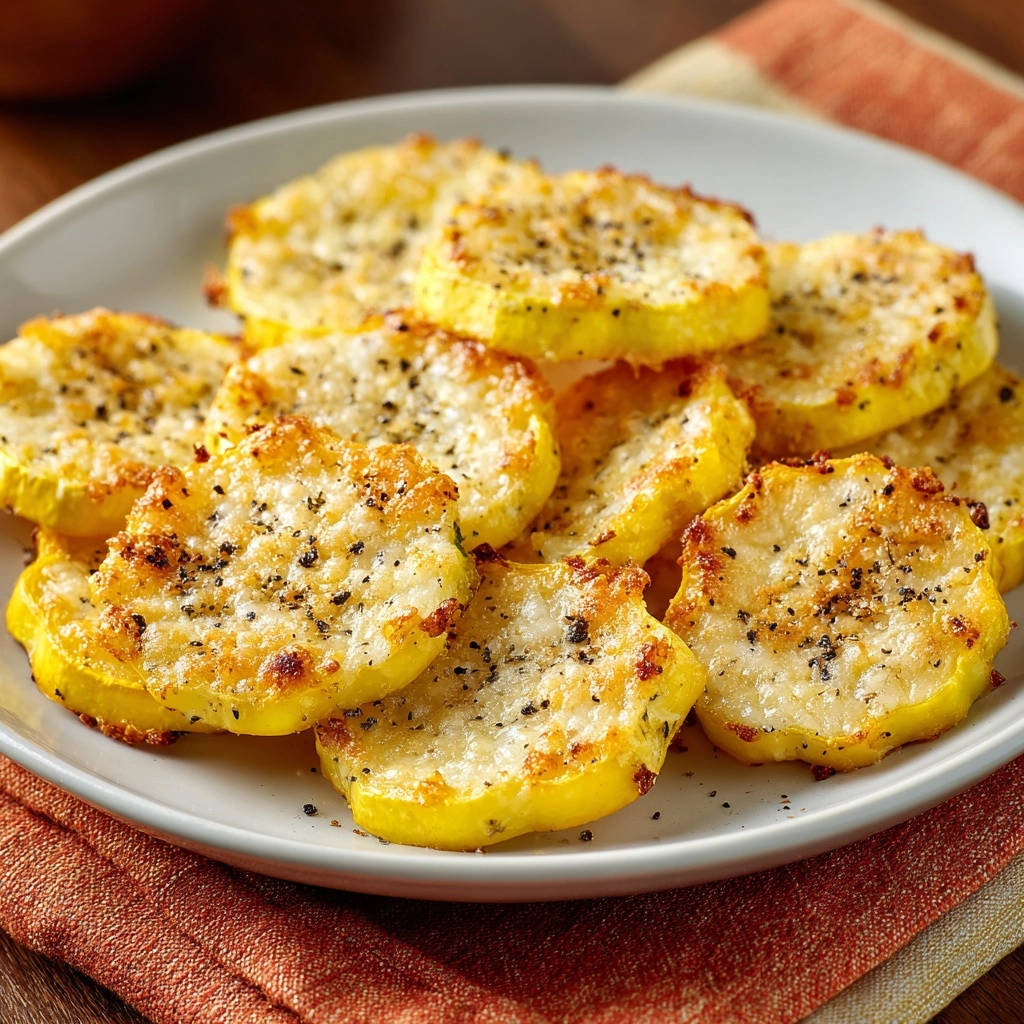
Versatility on Your Plate: A Side for Every Occasion
These parmesan roasted vegetables are incredibly versatile, making them a perfect companion for almost any meal. They effortlessly transition from a quick weeknight side to an elegant addition for holiday dinners.
Their appealing flavor and texture make them a crowd-pleaser for diverse palates, ensuring everyone at your table will enjoy them.
Essential Elements: Building Your Flavorful Roasted Parmesan Squash Slices
The Star: Selecting Your Squash
For the best Roasted Parmesan Squash Slices, I recommend using medium yellow squash, zucchini, or a combination of both. Look for squash that feels firm to the touch, with smooth, blemish-free skin.
Avoid any that feel soft or have visible nicks, as these can indicate an older or less flavorful vegetable. Their mild flavor perfectly complements the rich Parmesan and aromatic thyme.
The Binder & Seasoning: Olive Oil, Salt, and Pepper
Good quality olive oil is essential; it not only helps seasonings adhere but also facilitates browning and caramelization during roasting. A generous amount of salt and freshly ground black pepper are crucial for bringing out the squash’s natural sweetness.
Remember, salt serves a dual purpose here: initial draining and final seasoning, so adjust to taste at the end.
The Finishing Touch: Parmesan & Fresh Thyme
Using freshly grated Parmesan cheese is non-negotiable for this recipe. Pre-shredded cheese often contains anti-caking agents that hinder proper melting and browning, leading to a less satisfying crust.
Fresh thyme adds a vibrant, earthy aroma and flavor that beautifully complements the squash and cheese. You could also experiment with other fresh herbs like chopped rosemary or oregano for a different aromatic profile.
Tools for Success: What You’ll Need
Basic Kitchen Essentials
A large baking sheet is crucial for allowing the squash to spread out in a single layer, promoting even roasting and preventing steaming. Lining it with parchment paper is a small step that makes a huge difference, ensuring easy cleanup and preventing sticking.
A spacious mixing bowl allows for thorough tossing of the squash with oil and seasonings, ensuring every slice is perfectly coated.
The Secret Weapon: Clean Kitchen Towels
This humble item is absolutely critical for achieving truly crispy roasted squash. A few clean kitchen towels (or a generous stack of paper towels) are indispensable for the pre-roasting draining process.
They effectively absorb the moisture wicked out by the salt, setting the stage for perfectly caramelized and tender squash, making them the unsung hero of this recipe.
The Game-Changing Trick: Achieving Crispy, Never-Soggy Roasted Squash
Why Salting and Draining Matters
The key to eliminating soggy roasted squash lies in a simple yet powerful technique: salting and draining. Salt acts as a desiccant, drawing out excess water from the squash cells through osmosis.
For another great root vegetable option, try these honey garlic roasted carrots.
This crucial step removes the moisture that would otherwise turn into steam in the hot oven, effectively pre-drying the squash so it can truly roast and caramelize, rather than boil or steam.
Blotting for Perfection: The Key to Texture
After salting, you’ll notice beads of moisture on the squash slices. Thoroughly blotting these slices dry with a clean towel or paper towels is absolutely non-negotiable.
This final removal of surface moisture ensures that when the squash hits the hot pan, it immediately begins to brown and crisp, resulting in that irresistible golden crust and tender interior we’re aiming for.
Your Step-by-Step Guide to Irresistible Roasted Parmesan Squash Slices
- Step 1: Preheat and Prep Your Pan
Preheat your oven to 400°F (200°C) to ensure it’s hot enough for immediate roasting. Line a large baking sheet with parchment paper; this prevents sticking and makes cleanup incredibly easy.
- Step 2: Wash and Slice the Squash
Wash and trim the ends of your squash. Slice them into even 1/4-inch thick rounds. This uniform thickness is important for consistent cooking, ensuring every slice cooks through without becoming overly soft or remaining too firm.
- Step 3: The Salting Secret to Prevent Soggy Squash
Arrange the squash slices in a single layer on clean kitchen towels or several layers of paper towels. Sprinkle them generously with salt. Let them sit for 10-15 minutes.
You’ll visibly see moisture bead up on the surface, indicating the salt is working its magic to draw out excess water, crucial for a truly tender squash recipe.
- Step 4: Blotting for Optimal Texture
Using another clean towel or fresh paper towels, thoroughly blot the squash slices until they are completely dry. This step removes the drawn-out moisture, ensuring your squash roasts to a beautiful golden brown instead of steaming.
Don’t rush this part; it’s the most important step for achieving a perfect texture.
- Step 5: Toss with Olive Oil and Seasonings
In a large bowl, combine the dried squash slices with olive oil, 1/2 teaspoon of salt, and 1/4 teaspoon of black pepper. Toss gently until every slice is evenly coated.
For more ideas on how to infuse flavor, explore these cast iron thyme roasted potatoes.
Ensure seasonings are well-distributed for maximum flavor in every bite.
- Step 6: Arrange on Baking Sheet (Don’t Overcrowd!)
Spread the seasoned squash in a single layer on your prepared baking sheet. It’s absolutely critical not to overcrowd the pan. If necessary, use a second baking sheet.
Overcrowding traps steam, preventing proper caramelization and leading to soggy results.
- Step 7: Initial Roast
Roast the squash for 10-12 minutes. At this point, the edges should start to look slightly golden, and the squash will begin to soften.
- Step 8: Flip for Even Browning
Carefully flip each squash slice. This ensures even cooking and browning on both sides, contributing to a more uniform tender texture and golden appearance. Continue roasting for another 5-7 minutes.
- Step 9: Add the Parmesan Perfection
Remove the baking sheet from the oven and evenly sprinkle the grated Parmesan cheese over all the squash slices. The cheese will melt and form a delicious, savory crust.
- Step 10: Final Roast Until Golden and Tender
Return the baking sheet to the oven and roast for an additional 5-8 minutes. The squash should be fully tender, and the Parmesan cheese melted and lightly browned and bubbly.
- Step 11: Garnish and Serve Immediately
Carefully remove the sheet from the oven. Sprinkle with fresh thyme leaves just before serving. Enjoy your perfectly Roasted Parmesan Squash Slices immediately for the best flavor and texture.
Chef’s Notes & Pro Tips for Your Best Roasted Parmesan Squash Slices
Don’t Crowd the Pan! A Golden Rule for Crispy Veggies: This is arguably the most important tip. Overcrowding forces vegetables to steam rather than roast. Always use multiple baking sheets if needed to ensure a single layer for proper air circulation and browning.
Achieving Optimal Browning: Oven temperatures can vary, so know your oven. For deeper browning, ensure your oven is fully preheated and consider roasting on the middle or lower-middle rack. Using parchment paper helps prevent sticking while still allowing for good caramelization.
Experimenting with Herbs & Spices: While fresh thyme is classic, don’t hesitate to customize your parmesan roasted vegetables. A pinch of garlic powder, smoked paprika, or a mix of Italian herbs can add fantastic depth. Fresh rosemary or finely chopped parsley also pair beautifully.
What else to make
If you enjoyed these roasted squash slices, you might like these other satisfying chicken and shrimp dishes.
- For a creamy pasta dish with bright flavors, try this creamy sun-dried tomato chicken orzo.
- If you’re in the mood for seafood, consider this creamy garlic shrimp tortellini for a flavorful meal.
Parmesan Perfection: Cheese Selection & Quality: Always opt for a block of Parmesan and grate it yourself just before use. Pre-grated cheeses contain anti-caking agents that hinder proper melting and can result in a grainy texture. For a dairy-free alternative, nutritional yeast or a good quality vegan Parmesan can be used.
Monitoring Doneness: Touch and Sight Cues: Your squash is perfectly done when it’s fork-tender but still holds its shape, with golden-brown edges and a bubbling, golden Parmesan crust. Don’t overcook, or it can become mushy; trust your eyes and a gentle poke with a fork.
Beyond the Basics: Creative Twists & Serving Ideas
Flavor Boosts & Creative Substitutions
Elevate your easy squash side dish with a drizzle of balsamic glaze just before serving for a tangy-sweet note. A squeeze of fresh lemon juice brightens the flavors beautifully. For an extra kick, a sprinkle of red pepper flakes during the final roast adds warmth.
If yellow squash or zucchini aren’t available, try this technique with sliced eggplant or even bell peppers for similarly delicious results. For a dairy-free option, use a plant-based Parmesan alternative or omit the cheese entirely for a simple, savory roasted squash.
Perfect Pairings: What to Serve With It
These versatile slices pair wonderfully with almost any main course. They’re excellent alongside grilled chicken or a flaky baked fish.
For a heartier meal, serve them next to a juicy beef roast, such as our incredible Juicy Beef Roast with Caramelized Onions. They also complement a warming bowl of soup or a simple grain dish for a light lunch.
Make Ahead & Storage Savvy: Enjoying Your Roasted Squash Later
Refrigeration Best Practices
Store any leftover Roasted Parmesan Squash Slices in an airtight container in the refrigerator for up to 3-4 days. Ensure they are completely cooled before storing to prevent condensation, which can lead to sogginess.
Reheating for Optimal Texture
To revive their crispness, reheat the squash in a single layer on a baking sheet in a 350°F (175°C) oven or an air fryer for 5-10 minutes, or until warmed through and re-crisped. Microwaving is not recommended as it will make them soggy.
Can You Freeze Roasted Squash Slices?
While technically possible, freezing roasted squash is not ideal for maintaining its best texture. Upon thawing and reheating, the squash tends to become softer and more watery due to the freezing process. It’s best enjoyed fresh or from the refrigerator.
Troubleshooting Your Roasted Parmesan Squash Slices: Common Questions Answered
Why Is My Squash Still Soggy?
The most common culprit is insufficient draining. You must rigorously salt and then blot the squash dry to remove excess moisture. Another reason could be overcrowding the baking sheet, which steams the squash instead of roasting it. Ensure adequate spacing between slices.
My Parmesan Didn’t Brown!
This often happens if you used pre-shredded Parmesan, which contains anti-caking agents preventing proper melt and browning. Always use freshly grated Parmesan. Ensure your oven is hot enough and give the cheese adequate time to brown in the final roasting step.
Squash Too Bland?
If your squash tastes bland, it likely needs more seasoning. Don’t be shy with the salt and pepper, especially after the initial draining. A pinch of garlic powder or a few more fresh thyme leaves can significantly boost the flavor.
Your Roasted Parmesan Squash Slices Questions, Answered
Can I use frozen squash for this recipe?
I don’t recommend using frozen squash for this specific recipe, as its high water content makes it challenging to achieve the desired crispy, never-soggy texture. The salting and drying method works best with fresh squash.
What other vegetables can I roast this way?
This salting and roasting technique is excellent for other high-moisture vegetables! Try it with eggplant slices, bell peppers, or even thicker-cut tomatoes for a similar delicious outcome. For more delightful roasted vegetable ideas, explore our recipe for Perfectly Roasted Carrots and Crispy Chickpeas.
Is this recipe naturally gluten-free and vegetarian?
Yes, these Roasted Parmesan Squash Slices are naturally gluten-free and vegetarian. For a vegan option, simply substitute the Parmesan cheese with a high-quality plant-based Parmesan alternative or nutritional yeast for a cheesy flavor.
How do I choose the best squash at the grocery store?
When selecting squash, look for vibrant colors and a firm texture. Avoid any squash that feels soft, spongy, or has brown spots or blemishes. Smaller to medium-sized squash usually have fewer seeds and a more tender flesh, perfect for this recipe.
Embrace the Flavor: Your New Favorite Roasted Vegetable
These Roasted Parmesan Squash Slices are more than just a side dish; they’re a testament to how simple techniques can unlock incredible flavor and texture. No more watery, disappointing squash!
With this recipe, you’ll consistently achieve tender, caramelized, and utterly delicious results that will quickly become a family favorite. Give it a try tonight and discover the “never soggy” secret for yourself!

Roasted Squash
Course: Side DishCuisine: AmericanDifficulty: easy4
servings15
minutes20
minutes240
kcal35
minutesThis recipe reveals the secret to perfectly tender, flavorful roasted squash that’s never soggy. A super simple trick makes all the difference, ensuring amazing results every time for this easy side dish.
Ingredients
2 medium yellow squash, or a mix of yellow squash and zucchini
2 tablespoons olive oil
1/2 teaspoon salt, plus more for draining
1/4 teaspoon black pepper, freshly ground
1/4 cup grated Parmesan cheese
1 teaspoon fresh thyme leaves, chopped
Directions
- Preheat your oven to 400°F (200°C). Line a large baking sheet with parchment paper for easier cleanup.
- Wash and trim the ends of the squash. Slice the squash into rounds, about 1/4 inch thick.
- To prevent sogginess: Arrange the squash slices in a single layer on a clean kitchen towel or several layers of paper towels. Sprinkle generously with salt. Let them sit for 10-15 minutes. You will see moisture bead up on the surface.
- Using another clean towel or more paper towels, blot the squash slices thoroughly dry. This step is crucial for achieving that perfectly roasted texture and preventing a watery dish.
- In a large bowl, toss the dried squash slices with olive oil, 1/2 teaspoon of salt, and 1/4 teaspoon of black pepper until evenly coated.
- Spread the squash in a single layer on the prepared baking sheet. Do not overcrowd the pan; use two baking sheets if necessary to ensure even browning. Overcrowding traps steam and can lead to soggy squash.
- Roast for 10-12 minutes, then flip the slices. Continue roasting for another 5-7 minutes, or until the squash is tender and slightly golden on the edges.
- Remove the baking sheet from the oven. Sprinkle the grated Parmesan cheese evenly over the squash slices.
- Return to the oven and roast for an additional 5-8 minutes, or until the cheese is melted and lightly browned and the squash is fully tender.
- Remove from the oven, sprinkle with fresh thyme leaves, and serve immediately.
Notes
- Crucial to blot squash dry with salt to prevent sogginess. Do not overcrowd baking sheet.