There’s nothing more rewarding than serving a dish that truly melts in your mouth, and I know the frustration of tough, chewy ribs. My journey to perfect Slow-Cooked Beef Short Ribs transformed when I discovered the genuine secrets to achieving that coveted fall-off-the-bone tenderness.
This recipe isn’t just another set of instructions; it’s a guaranteed path to incredibly rich, tender beef short ribs every single time, making it ideal for cozy family dinners or impressing guests with minimal stress.
For more ideas on achieving that melt-in-your-mouth tenderness, explore this slow-simmered savory beef stew.
Why Our Melt-in-Your-Mouth Short Ribs Will Be Your Go-To Recipe
The Secret to Fall-Off-The-Bone Perfection
The magic behind truly tender beef short ribs lies in the “low and slow” braising method. This gentle, extended cooking process at a moderate temperature meticulously breaks down the tough connective tissues within the meat.
It transforms them into gelatin, creating an unparalleled succulent texture where the meat practically falls off the bone with the slightest touch of a fork.
Rich Flavor, Effortless Elegance
This recipe for Slow-Cooked Beef Short Ribs builds complex, savory flavors through strategic searing and aromatic ingredients, yet the process remains surprisingly straightforward. The resulting rich, deeply flavored sauce elevates the dish.
Whether it’s a special occasion or a comforting weeknight meal, these flavorful short ribs deliver an elegant dining experience without requiring constant attention.
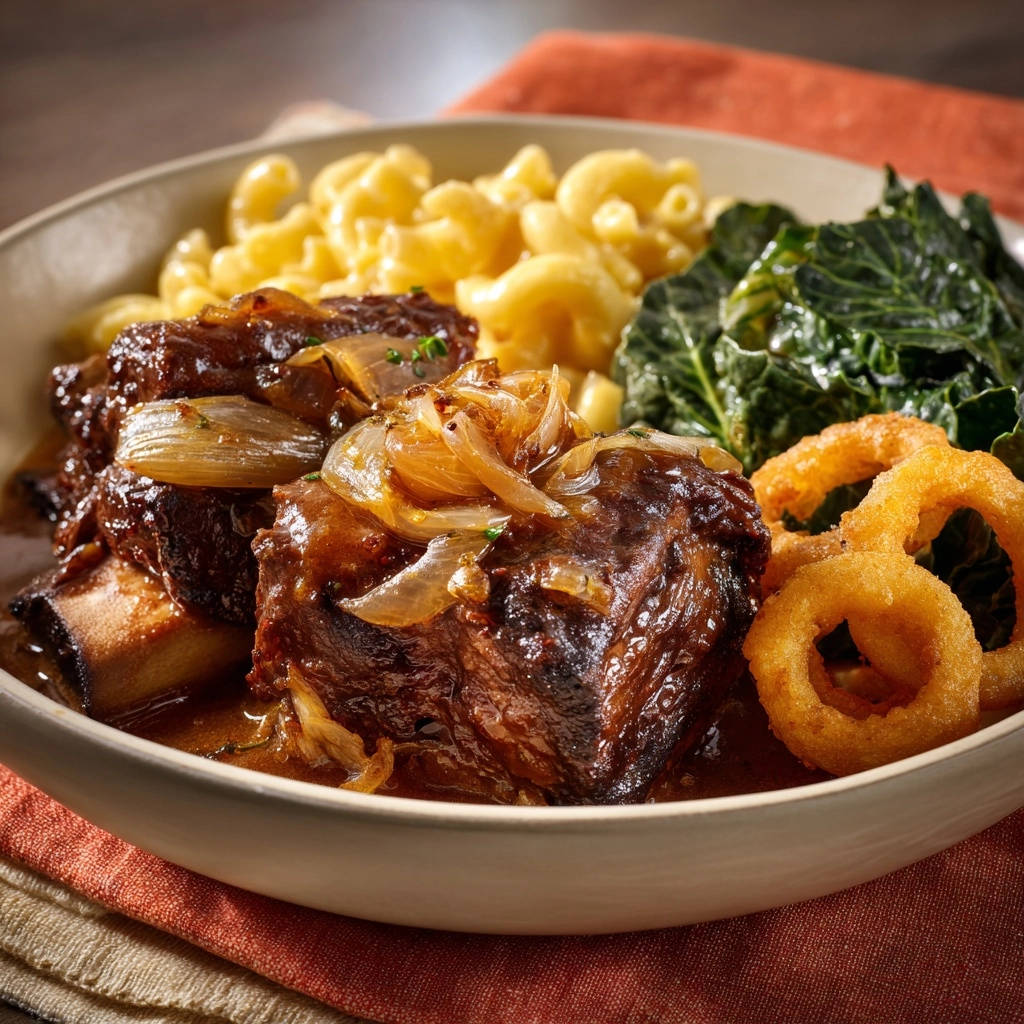
Crafting Culinary Magic: The Key Ingredients for Tender Short Ribs
The Star: Bone-In Beef Short Ribs
Bone-in beef short ribs are crucial here. The bone not only infuses the braising liquid with deeper flavor, but it also helps the meat retain moisture and tenderness throughout the long cooking process.
Look for well-marbled ribs, ideally cut into uniform pieces for even cooking, typically 2-3 inches thick.
Aromatic Foundation: Onions, Garlic, Thyme, and Bay Leaf
Sliced onions caramelize to provide a foundational sweetness and depth, while minced garlic adds a pungent warmth.
Fresh thyme sprigs and a bay leaf are vital for infusing the braising liquid with classic, earthy aromatics, creating a rich sauce that complements the beef perfectly.
The Braising Liquid: Beef Broth & Flour for Richness
High-quality beef broth forms the luscious braising liquid, carrying all the slow-cooked flavors. Good broth is key to a robust and savory sauce base.
All-purpose flour, when cooked with the aromatics, creates a foundational roux. This not only thickens the sauce to a perfect consistency but also adds a subtle, nutty depth of flavor.
Seasoning for Depth: Salt, Pepper, and Olive Oil
Generous seasoning with salt and black pepper before searing is essential. It penetrates the meat, enhancing its natural savory qualities and creating a crucial flavor crust.
Olive oil facilitates the crucial searing step, ensuring a beautiful, deep brown crust on the short ribs, locking in moisture and intensifying flavor through the Maillard reaction.
Gearing Up: Essential Equipment for Braising Success
The Indispensable Dutch Oven
A heavy-bottomed Dutch oven is truly the star kitchen tool for this recipe. Its exceptional heat retention and even distribution ensure consistent braising temperatures throughout the long cook time.
The tight-fitting lid is equally important, sealing in moisture and flavors, allowing the tough short ribs to become incredibly tender in their own flavorful steam.
Supporting Cast: From Tongs to Spoons
Beyond the Dutch oven, a few other tools will make your cooking seamless. Sturdy tongs are invaluable for safely searing and transferring the hot short ribs.
A wooden spoon is perfect for scraping up those flavorful browned bits from the bottom of the pot, while paper towels are essential for patting the beef dry, which is critical for a good sear.
Your Path to Irresistibly Tender Short Ribs: A Step-by-Step Guide
- Prepare the Ribs:
Pat the beef short ribs very dry with paper towels to ensure a good sear. This step is crucial for developing a rich crust.
Season generously all over with salt and black pepper, ensuring even coverage for maximum flavor penetration.
- Sear for Deep Flavor:
Heat the olive oil in a large Dutch oven or oven-safe pot with a heavy bottom over medium-high heat. Once the oil is shimmering, carefully place the short ribs into the pot, ensuring not to overcrowd.
Sear ribs on all sides until deeply browned, about 3-4 minutes per side. This crucial step creates a flavorful crust and locks in savory juices.
Remove the browned ribs and set aside.
- Sauté Aromatics:
Reduce the heat to medium. Add the sliced onion to the pot and cook, stirring occasionally, until softened and lightly caramelized, about 8-10 minutes. This builds a sweet, savory base.
Add the minced garlic and cook for another minute until fragrant, being careful not to burn it.
- Build the Roux:
Sprinkle the flour over the onions and garlic, stirring constantly for 1 minute to cook out the raw flour taste. This foundational step helps to thicken the braising liquid for a richer, more luxurious sauce.
- Deglaze and Simmer:
Slowly pour in the beef broth, scraping up any browned bits from the bottom of the pot with a wooden spoon – these bits are pure, concentrated flavor. Bring the liquid to a simmer.
- Add Herbs:
Stir in the fresh thyme sprigs and bay leaf to infuse the braising liquid with aromatic depth. These herbs will impart a beautiful, earthy fragrance as the short ribs cook.
- Return Ribs to Pot:
Nestle the seared short ribs back into the pot, ensuring they are mostly submerged in the liquid. This setup is key for even, tender cooking, allowing the flavors to meld beautifully.
- Begin the Braise:
Cover the Dutch oven tightly with its lid. Transfer the pot to a preheated oven set at 325°F (160°C). The consistent oven heat is perfect for slow braising.
- Low and Slow Cooking:
Braise the short ribs for a minimum of 3 hours. For truly fall-off-the-bone perfection, continue cooking for up to 3 hours 30 minutes, or even 4 hours. The low and slow temperature gently breaks down connective tissues, yielding incredibly tender short ribs.
Check occasionally to ensure the liquid is still simmering gently; add a splash more broth if needed to keep the ribs submerged and moist, preventing them from drying out.
- Finish and Serve:
Once cooked, carefully remove the short ribs from the pot. Skim off any excess fat from the surface of the sauce for a cleaner finish. Taste the sauce and adjust seasonings if necessary, then discard the thyme sprigs and bay leaf.
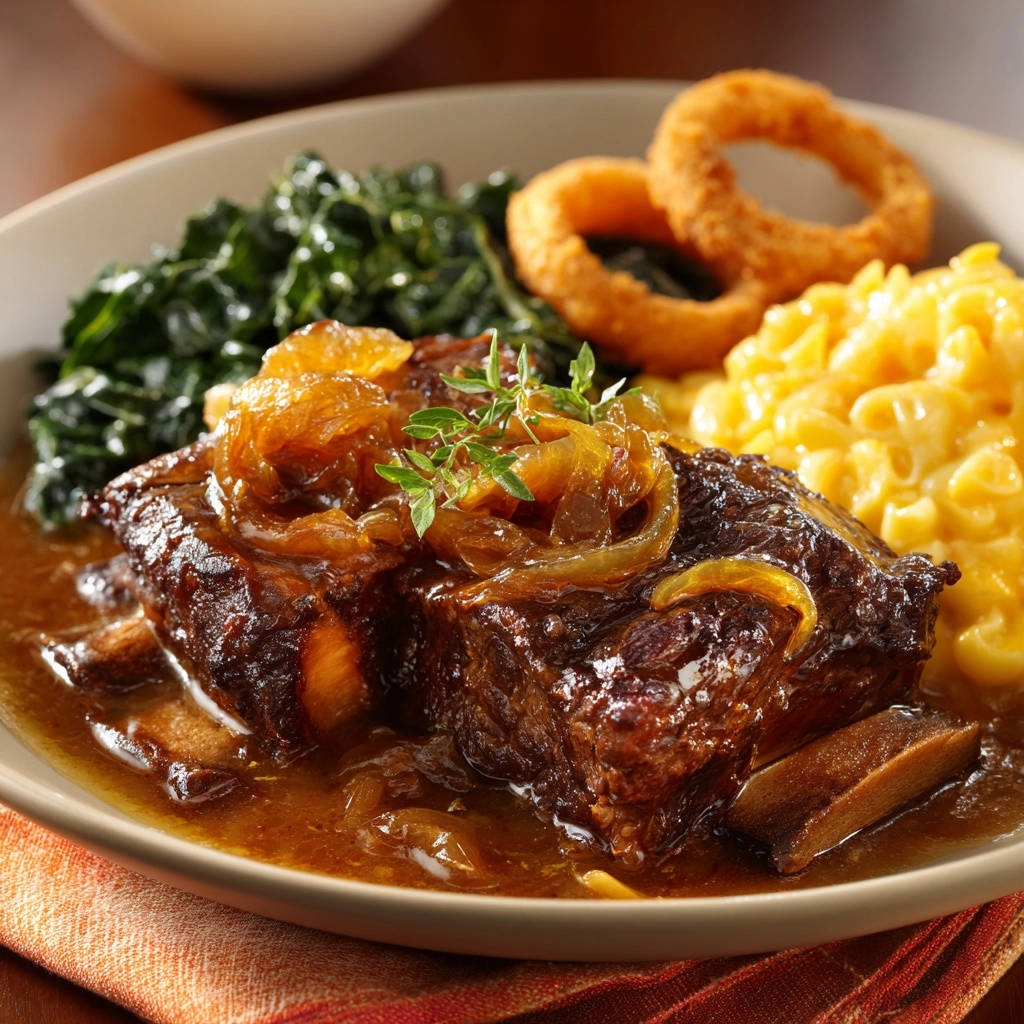
Serve immediately, spooning the rich sauce and caramelized onions over the incredibly tender Slow-Cooked Beef Short Ribs for a truly memorable meal.
Chef’s Secrets: Elevating Your Slow-Cooked Short Ribs to Perfection
Don’t Skip the Sear: The Foundation of Flavor
Searing isn’t just about color; it’s about building foundational flavor. The deep, dark crust created by the Maillard reaction on the beef short ribs adds incredible complexity and savory depth that permeates the entire dish.
Ensure your pan is hot enough and don’t overcrowd the pot; sear in batches if necessary to achieve that perfect golden-brown crust on all sides.
The Flour is Your Friend: Thickening and Flavor Development
The small amount of flour serves a dual purpose beyond just thickening. When cooked with the aromatics, it creates a roux that adds a subtle, nutty undertone to the sauce.
This ensures your braising liquid transforms into a rich, velvety sauce that clings beautifully to the tender beef short ribs.
The Golden Rule: Low and Slow Braising Temperature
This is arguably the most critical tip for perfect short ribs. The sustained low temperature, typically 325°F (160°C), allows collagen to slowly break down into luscious gelatin.
Rushing the process with higher heat results in dry, tough meat, so trust the slow cooker and give it time.
Maintaining Moisture: Checking Liquid Levels
While the Dutch oven provides a sealed environment, it’s wise to occasionally check the liquid level during the braising process, especially towards the end. If the liquid dips too low, the exposed meat can dry out.
Add a splash of additional beef broth if needed to ensure the short ribs remain mostly submerged, guaranteeing moist and tender results.
Perfect Pairings: What to Serve with Your Braised Beef Short Ribs
Classic Sides: Creamy Polenta or Mashed Potatoes
The rich, savory sauce from these Slow-Cooked Beef Short Ribs is truly a gift, and creamy polenta or fluffy mashed potatoes are ideal for soaking up every delicious drop.
For another rich beef dish, explore slow-braised beef and apricot stew.
These comforting starchy sides provide a perfect canvas for the deep flavors of the beef, creating a satisfying and well-rounded meal.
Green Companions: Balancing the Richness
To balance the inherent richness of the short ribs, lighter, fresh vegetable sides are excellent choices. Consider simply steamed green beans, roasted asparagus, or a crisp mixed green salad with a bright vinaigrette.
The freshness and slight acidity of these greens cut through the richness, creating a more dynamic and enjoyable dining experience.
Drink pairing for an Elevated Experience
For an elevated experience, pair your braised short ribs with a robust red grape juice. A sparkling grape juice, or even a sparkling grape juice will complement the deep, savory notes of the beef beautifully.
The tannins in these grape juice can help cleanse the palate, making each bite of the rich short ribs even more enjoyable.
Plan Ahead: Making, Storing, and Reheating Your Short Ribs
The Make-Ahead Advantage: Flavor Deepens Overnight
Slow-Cooked Beef Short Ribs are often even better the next day, as the flavors have more time to meld and deepen. You can prepare the entire dish a day or two in advance.
After cooking, allow the ribs and sauce to cool completely before refrigerating. This also makes skimming off any solidified fat much easier before reheating.
Storing Leftovers: Keeping Them Fresh and Delicious
Store any leftover short ribs, submerged in their braising liquid, in an airtight container in the refrigerator for up to 3-4 days. The liquid helps keep them moist.
For longer storage, the short ribs can be frozen in their sauce for up to 3 months. Thaw overnight in the refrigerator before reheating.
Gentle Reheating for Optimal Tenderness
To maintain the tender texture, reheat short ribs gently. The best method is in the oven, covered, at a low temperature (around 300°F/150°C) until warmed through, usually 20-30 minutes.
Alternatively, you can gently warm them on the stovetop over low heat, ensuring they are always covered in their flavorful braising liquid to prevent drying out.
Common Challenges & Simple Solutions for Short Rib Success
Why Are My Short Ribs Still Chewy?
If your short ribs are still chewy, the most common reason is simply insufficient cooking time. Braising isn’t about reaching a specific internal temperature, but rather about allowing enough time for the tough connective tissues to completely break down.
Simply return them to the oven and continue cooking, checking every 30-60 minutes, until they are fork-tender and practically falling apart.
My Sauce Isn’t Thick Enough!
If your braising liquid hasn’t thickened to your liking, don’t worry. You have a few options: you can remove the ribs and simmer the sauce uncovered on the stovetop to reduce it to your desired consistency.
Alternatively, create a quick slurry by whisking 1 tablespoon of flour or cornstarch with 2 tablespoons of cold water, then slowly whisk it into the simmering sauce until thickened.
Ribs Lack Depth of Flavor?
A lack of depth usually points to not searing the beef short ribs sufficiently in the initial step. A deep, dark sear is crucial for developing flavor.
Ensure you’re deglazing the pot thoroughly after searing and sautéing aromatics, as those browned bits are packed with flavor. Also, be sure to taste and adjust the seasoning (salt and pepper) of the sauce before serving.
Your Questions Answered: Slow-Cooked Beef Short Ribs Edition
Can I use boneless short ribs for this recipe?
Yes, you can use boneless short ribs, but be aware of a few differences. Boneless ribs may cook slightly faster, so start checking for tenderness a bit earlier.
The flavor profile might also be slightly less robust without the marrow from the bone, but they will still be incredibly tender and delicious.
What can I substitute for beef broth?
While beef broth provides the richest flavor, you can substitute with chicken broth or even a good quality vegetable broth if needed, though the overall taste will be milder.
For a richer, more complex flavor, a combination of broth and a small amount of tomato paste or red grape juice (if not avoiding alcohol) can deepen the profile, similar to some braises for hearty beef stew.
How do I know when the short ribs are done?
The definitive test for done short ribs is tenderness. They are ready when you can easily pierce the meat with a fork and twist, and the meat begins to shred and fall away from the bone with very little resistance.
Visually, the meat should also be pulling away from the bone noticeably, indicating that the connective tissues have completely broken down.
Can I make this in a slow cooker instead of a Dutch oven?
Absolutely! This recipe adapts beautifully to a slow cooker. You’ll still want to sear the short ribs and sauté the aromatics on the stovetop first for maximum flavor, then transfer everything to your slow cooker.
Cook on low for 6-8 hours or on high for 3-4 hours, until the meat is wonderfully fork-tender, adjusting liquid levels as needed.
Embrace the Melt: Your New Favorite Slow-Cooked Beef Short Ribs Recipe Awaits!
There’s an undeniable joy in creating a dish that truly surpasses expectations, and these Slow-Cooked Beef Short Ribs will undoubtedly become a treasured recipe in your repertoire. The transformation from humble ribs to a fork-tender, flavor-packed masterpiece is pure culinary magic.
Completing Your Meal
To accompany your tender beef short ribs, consider these dishes that share a comforting, hearty character.
- For a smooth foundation to your short ribs, prepare some creamy mashed potatoes with rich gravy; the velvety texture is a classic pairing.
- Add another layer of savory depth with thyme beef stuffing, which brings a moist texture and complementary beefy notes.
So, gather your ingredients, trust the process, and prepare to indulge in the most succulent, melt-in-your-mouth short ribs you’ve ever experienced. Don’t forget to share your success and favorite pairings with us!
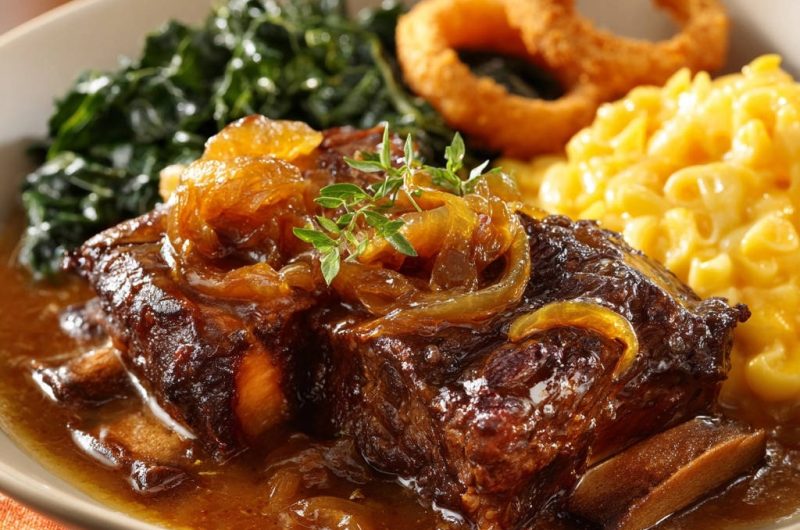
Beef Short Ribs
Course: Main CourseCuisine: AmericanDifficulty: medium4
servings20
minutes3
hours650
kcal200
minutesUnlock the secret to truly tender, melt-in-your-mouth beef short ribs. This recipe guarantees fall-off-the-bone perfection through a slow braising method, resulting in incredibly moist and flavorful meat with a rich sauce.
Ingredients
4 pounds bone-in beef short ribs
2 tablespoons olive oil
1 large onion, sliced
3 cloves garlic, minced
2 tablespoons all-purpose flour
4 cups beef broth
2 sprigs fresh thyme
1 bay leaf
Salt to taste
Black pepper to taste
Directions
- Pat the beef short ribs very dry with paper towels. Season generously all over with salt and black pepper.
- Heat the olive oil in a large Dutch oven or oven-safe pot with a heavy bottom over medium-high heat. Once the oil is shimmering, carefully place the short ribs into the pot, ensuring not to overcrowd. Sear the ribs on all sides until deeply browned, about 3-4 minutes per side. This crucial step develops deep flavor. Remove the browned ribs and set aside.
- Reduce the heat to medium. Add the sliced onion to the pot and cook, stirring occasionally, until softened and lightly caramelized, about 8-10 minutes. Add the minced garlic and cook for another minute until fragrant.
- Sprinkle the flour over the onions and garlic, stirring constantly for 1 minute to cook out the raw flour taste. This helps to thicken the braising liquid later.
- Slowly pour in the beef broth, scraping up any browned bits from the bottom of the pot with a wooden spoon. Bring the liquid to a simmer. Add the fresh thyme sprigs and bay leaf.
- Return the seared short ribs to the pot, nestling them into the liquid so they are mostly submerged. The key to fall-off-the-bone tenderness is slow, gentle cooking.
- Cover the Dutch oven tightly with its lid. Transfer the pot to a preheated oven set at 325°F (160°C).
- Braise the short ribs for at least 3 hours. For truly fall-off-the-bone perfection, continue cooking for up to 3 hours 30 minutes, or even 4 hours. The low and slow temperature allows the connective tissues in the meat to break down gradually, resulting in incredibly tender, moist ribs that practically slide off the bone with a fork. Check occasionally to ensure the liquid is still simmering gently and add a splash more broth if needed.
- Once cooked, carefully remove the short ribs from the pot. Skim off any excess fat from the surface of the sauce. Taste the sauce and adjust seasonings if necessary. Discard the thyme sprigs and bay leaf.
- Serve the incredibly tender short ribs immediately, spooning the rich sauce and caramelized onions over them.
Notes
- For extra depth of flavor, don’t rush the searing process; ensure a good, even brown crust on all sides of the short ribs before moving to the next step. When adding the beef broth, take your time scraping up all those delicious browned bits from the bottom of the pot – they’re packed with flavor!