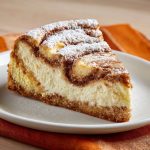
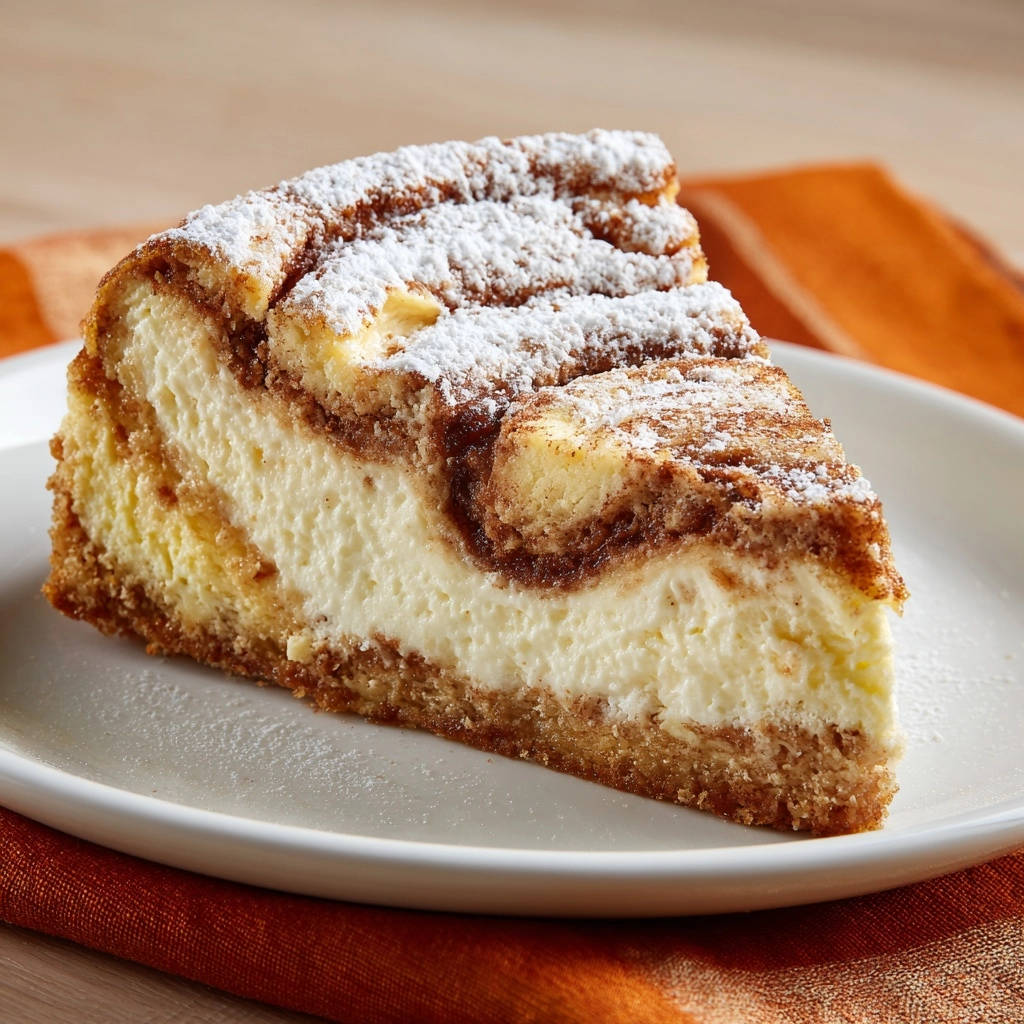
Oh, the elusive perfect cheesecake! I remember countless attempts ending in dreaded cracks, until I finally perfected this incredible Swirled Cinnamon Cheesecake. This isn’t just another recipe; it’s your foolproof guide to a show-stopping, flawlessly smooth dessert, guaranteed to impress every time.
The Secret to a Silky Smooth, Crack-Free Swirled Cinnamon Cheesecake
Why This Recipe is Your New Best Friend in the Kitchen
Cheesecake often carries a reputation for being tricky, prone to frustrating cracks and uneven textures. This recipe specifically tackles those common anxieties head-on, transforming a daunting bake into an enjoyable, confident process.
For more ideas on achieving that perfect texture, check out these chocolate caramel cheesecake bars.
We’ve implemented specific techniques, from precise mixing to a genius slow-cooling method, that virtually eliminate the risk of those disheartening cracks. You’ll achieve a perfect finish every single time.
If you appreciate the rich flavor here, you’ll also enjoy the depth of this caramel pecan cheesecake lush.
What Makes Our Swirled Cinnamon Cheesecake Truly Irresistible?
Beyond its flawless appearance, this Swirled Cinnamon Cheesecake offers an exquisite balance of creamy indulgence and warm spice. The rich, velvety texture melts in your mouth, perfectly contrasted by the crisp graham cracker crust.
More Sweet Ideas
After enjoying a slice of this Swirled Cinnamon Cheesecake, you might want to explore other baked treats.
- For a delightful morning or afternoon bite, consider these assorted fruit and chocolate scones, offering a different texture to complement your cheesecake experience.
- If you’re in the mood for something soft and fluffy, these diner-style fluffy pancakes provide a comforting contrast.
A mesmerizing cinnamon swirl ribbons through each slice, adding both a beautiful visual appeal and a comforting, aromatic note. It’s a dessert that’s as delightful to behold as it is to savor.
Gather Your Essentials: Key Ingredients for Swirled Cinnamon Cheesecake Perfection
For the Sturdy & Flavorful Graham Cracker Crust
The foundation of any great cheesecake is a robust and flavorful crust. Our graham cracker base provides a delightful crunch and a sweet, buttery counterpoint to the creamy filling.
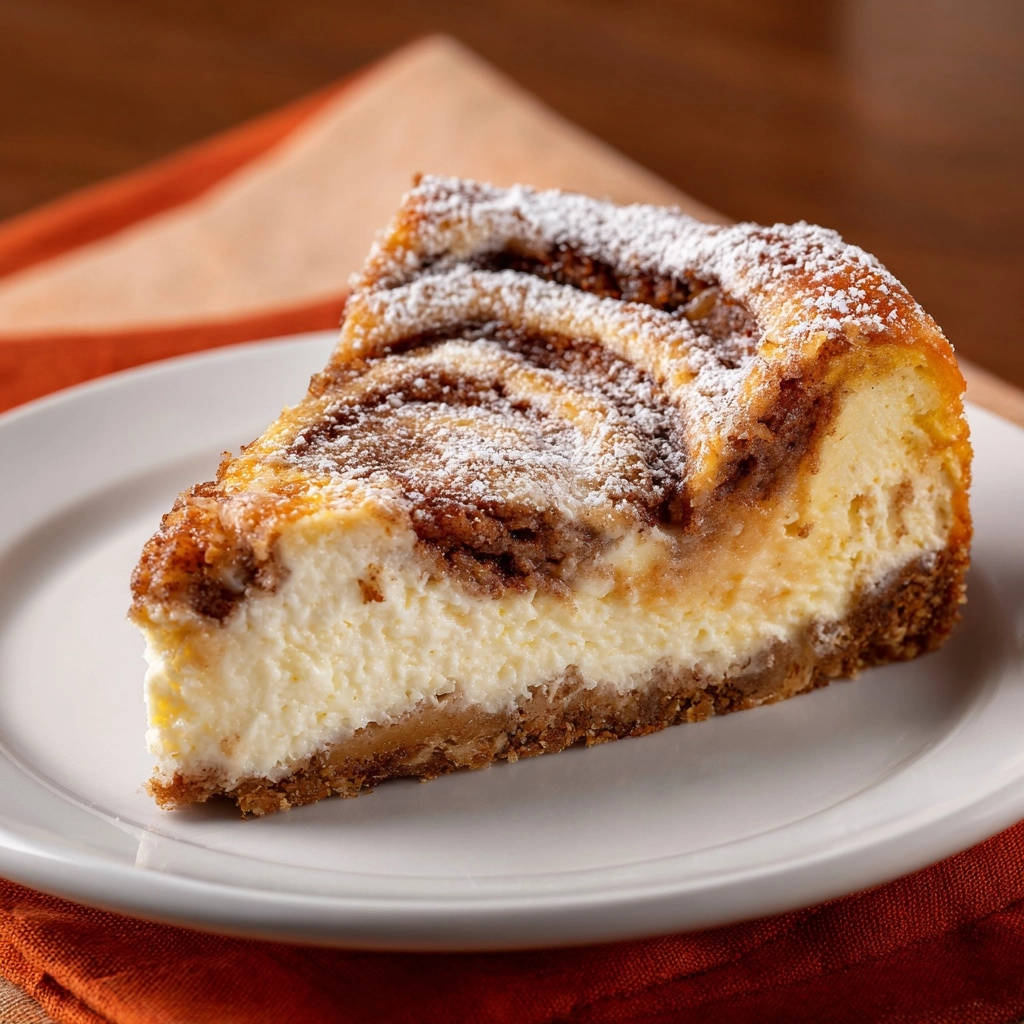
Using good quality graham cracker crumbs and melted unsalted butter ensures a cohesive crust that bakes up perfectly, preventing any dreaded sogginess.
The Aromatic Heart: Crafting the Cinnamon Swirl
The cinnamon swirl is more than just a beautiful accent; it infuses every bite with a comforting warmth. A simple blend of granulated sugar and ground cinnamon creates this aromatic ribbon.
Choosing a fresh, fragrant cinnamon truly elevates the flavor, making this “swirled cinnamon cheesecake” live up to its name with every fragrant bite.
Building the Dream: Inside the Creamy Cheesecake Filling
Cream Cheese: Opt for full-fat block cream cheese, softened to room temperature. This is non-negotiable for a truly smooth, lump-free batter.
Granulated Sugar: Sweetens the filling, balancing the tang of cream cheese. Ensure it’s fully dissolved for a silky texture.
All-Purpose Flour: A small amount of flour helps stabilize the cheesecake, preventing cracks and providing a smoother consistency.
Vanilla Extract: Use pure vanilla for the best flavor, enhancing the overall richness of the cheesecake.
Sour Cream: Also at room temperature, sour cream adds a wonderful tang and contributes to the cheesecake’s characteristic creamy texture.
Large Eggs: Room temperature eggs incorporate more evenly. They bind the ingredients and contribute to the rich, custardy structure of the filling.
Finishing Touches: Simple Garnish Ideas
A light dusting of powdered sugar adds an elegant finish and a subtle sweetness that complements the rich cheesecake. It’s the classic touch for this dessert.
For extra flair, consider a sprinkle of toasted pecans, a drizzle of caramel, or a few fresh berries when serving. These additions enhance both appearance and flavor.
Essential Tools for Your Cheesecake Baking Adventure
The Mighty Springform Pan & Its Foil Armor
A 9-inch springform pan is indispensable for cheesecakes, allowing for easy removal without damaging the delicate sides. Its removable base is key for a beautiful presentation.
The heavy-duty aluminum foil wrapping creates a vital waterproof barrier around the pan. This prevents water from the bath seeping in, which would ruin your crust.
Mixers, Bowls, and Spatulas: Your Kitchen Companions
An electric mixer, either stand or hand-held, is essential for achieving the perfect creamy consistency of the filling. It ensures all ingredients are smoothly incorporated.
You’ll need a variety of mixing bowls for preparing the crust, cinnamon swirl, and cheesecake batter. Sturdy rubber spatulas are crucial for scraping down the bowl sides, ensuring an evenly mixed batter.
The Water Bath Setup: Roast Pan & Hot Water
The water bath, or bain-marie, is the ultimate secret weapon for crack-free cheesecakes. It provides gentle, even heat, mimicking a steam oven to prevent the edges from setting too quickly.
A large roasting pan is needed to hold the springform pan, and hot water ensures the bath immediately starts working its magic. This setup creates the ideal baking environment for a smooth, custardy texture.
Your Path to a Flawless Swirled Cinnamon Cheesecake: Step-by-Step Guide
- Preheating Perfection & Pan Prep:
Preheat your oven to 350°F (175°C) and meticulously wrap the outside bottom and sides of your 9-inch springform pan with heavy-duty aluminum foil. This complete seal is absolutely crucial to prevent any water from entering during the water bath.
- Crust Creation: The Foundation of Flavor:
In a medium bowl, combine the graham cracker crumbs, 1/4 cup granulated sugar, and melted butter. Press this mixture firmly and evenly into the bottom of the prepared springform pan. Bake for just 10 minutes to help set the crust, then remove and set aside. Immediately reduce your oven temperature to 325°F (160°C).
- Swirl Prep: Aromatic Bliss in the Making:
In a small bowl, quickly mix together the 1/4 cup granulated sugar and ground cinnamon. This simple step prepares the aromatic element that will create the beautiful swirl in your finished Swirled Cinnamon Cheesecake. Set it aside until needed.
- Creamy Dream Filling: The Art of Gentle Mixing (Crack-Free Secret #1):
In a large bowl, using an electric mixer on medium speed, beat the softened cream cheese until it is exceptionally smooth and creamy, which typically takes about 2-3 minutes. Gradually add 1 1/4 cups granulated sugar and the flour, mixing on low speed just until combined. Remember to scrape down the sides of the bowl frequently to ensure even mixing and no lumps.
- The Crucial Egg Incorporation: Don’t Overmix! (Crack-Free Secret #2):
Now, add the vanilla extract and sour cream, mixing on low speed until smooth. This is key for a crack-free top: add the eggs one at a time, mixing on low speed just until each egg is incorporated. Do not overmix after adding the eggs; too much air introduced at this stage expands during baking and can lead to those dreaded cracks. The batter should remain smooth but not overly aerated.
- Layering & Swirling: Unveiling the Marbled Masterpiece:
Pour two-thirds of the plain cheesecake batter evenly over the baked crust in your springform pan. Evenly sprinkle the cinnamon sugar mixture over this batter layer. Carefully spoon the remaining one-third of the plain cheesecake batter over the cinnamon layer. Use a butter knife or a thin skewer to gently swirl the cinnamon layer into the plain batter, creating a beautiful marbled effect. Be mindful not to over-swirl or scrape the crust during this process.
- The Water Bath Method: Your Ultimate Crack Prevention Shield (Secret #3):
Place the foil-wrapped springform pan inside a larger roasting pan. Very carefully pour hot water into the roasting pan until it reaches halfway up the sides of the springform pan. This water bath creates a moist, consistent baking environment, preventing the cheesecake from drying out and cracking, ensuring that coveted smooth top.
- Baking & The Crucial Slow Cool Down (Secret #4):
Carefully transfer the roasting pan with the cheesecake to your preheated 325°F (160°C) oven. Bake for 65-75 minutes, or until the edges are set but the center still jiggles only slightly when gently shaken. This slow, gradual cooling is the most critical step: turn off the oven, but leave the cheesecake inside with the oven door ajar for 1 hour. This prevents temperature shock that commonly causes cracks.
- The Waiting Game: Chilling for Perfection:
After the slow cool-down in the oven, remove the cheesecake from the oven and the water bath. Let it cool completely on a wire rack at room temperature. Once it’s truly cool, cover the cheesecake loosely with plastic wrap and refrigerate for at least 4 hours, or preferably overnight. Chilling solidifies the texture, intensifies flavors, and makes for clean slices.
- The Grand Reveal: Garnish & Serve:
When you’re ready to serve your magnificent Swirled Cinnamon Cheesecake, carefully remove the sides of the springform pan. Dust the top generously with powdered sugar for that classic elegant finish. Slice with a warm, clean knife, and proudly enjoy your perfectly smooth, crack-free masterpiece!
Mastering Your Swirled Cinnamon Cheesecake: Expert Tips & Tricks
Room Temperature Rules Everything: Ensure all cold ingredients, especially cream cheese, sour cream, and eggs, are truly at room temperature. This is fundamental for achieving a smooth, lump-free batter and proper emulsification, which contributes directly to a creamy, consistent texture.
The Gentle Hand of Mixing: When incorporating eggs, mix on the lowest speed possible and only until just combined. Excessive air introduced into the batter will cause it to puff up like a soufflé during baking, then inevitably collapse and crack as it cools. Be gentle!
Perfecting the Swirl: Less is More: For that captivating marbled effect in your Swirled Cinnamon Cheesecake, resist the urge to over-swirl. Just a few gentle passes with a butter knife or skewer are sufficient. Too much swirling will completely blend the cinnamon into the batter, losing that distinct visual and flavor ribbon.
Patience is a Virtue, Especially for Cooling: Never rush the cooling process. The crucial slow cool-down in the oven, followed by complete room temperature cooling, and then thorough chilling, are non-negotiable. These steps are paramount for achieving the perfect dense, creamy texture and a truly crack-free finish.
Water Bath Wisdom: Hot Water is Key: Always use hot (not just warm) water when preparing your water bath. This helps maintain a consistent, gentle heat around your cheesecake from the very start of baking, contributing significantly to its smooth, even texture and preventing curdling.
Troubleshooting Your Swirled Cinnamon Cheesecake: Common Issues Solved
“Why Did My Cheesecake Crack?”
Cracking is most commonly due to sudden temperature changes, overmixing, or overbaking. Ensure ingredients are at room temperature, mix eggs gently and minimally, and strictly adhere to the slow cooling process in the oven.
Overbaking can also dry out the cheesecake, leading to cracks. Bake until the edges are set but the center still has a slight jiggle, then rely on residual heat to finish cooking during the slow cool.
“My Cheesecake is Soggy on the Bottom!”
A soggy bottom usually indicates water seeping into the crust during the water bath. Double-check that your springform pan is meticulously wrapped with heavy-duty aluminum foil, creating a completely watertight seal around the bottom and sides.
Another cause can be an underbaked or inadequately pressed crust. Ensure you bake the crust for the recommended 10 minutes and press it very firmly into the pan before baking.
“The Cinnamon Swirl Disappeared!”
If your cinnamon swirl vanished, it’s likely due to over-swirling. The goal is a marbled effect, not a fully integrated mixture. Use a light hand and only a few passes with your knife or skewer.
Additionally, ensure the cinnamon-sugar mixture is sprinkled evenly and that the final layer of plain batter is spooned gently over it, not poured forcefully, to maintain distinct layers for swirling.
“My Cheesecake is Too Soft/Too Dense.”
A cheesecake that’s too soft might be underbaked or didn’t chill long enough. Ensure the center has a slight jiggle upon removal from the oven, and always chill for a minimum of 4 hours, preferably overnight.
Conversely, a dense texture can result from overmixing the batter, especially after adding eggs, or from overbaking. Follow the gentle mixing instructions and rely on the visual cues for doneness rather than baking too long.
Serving, Storing, & Making Ahead: Enjoying Your Swirled Cinnamon Cheesecake Longer
Elegant Presentation: Beyond Powdered Sugar
While a simple dusting of powdered sugar is always lovely, elevate your Swirled Cinnamon Cheesecake with other elegant garnishes. A few fresh raspberries or blueberries add a burst of color and tartness.
Consider a light drizzle of homemade caramel sauce or melted dark chocolate for added decadence. Toasted pecans or candied orange peel can also provide a sophisticated textural and flavor contrast.
Keeping it Fresh: Storage Solutions for Optimal Flavor
To maintain its exquisite flavor and texture, store leftover Swirled Cinnamon Cheesecake in an airtight container in the refrigerator. This prevents it from absorbing odors from other foods.
Properly stored, your cheesecake will remain fresh and delicious for up to 3-4 days. For the best experience, allow slices to come to room temperature for about 15-20 minutes before serving.
Can I Make it Ahead? Planning for Perfection
Absolutely! Cheesecake is an ideal make-ahead dessert, often tasting even better the next day as the flavors meld. You can prepare and bake it up to 2-3 days in advance.
After baking and cooling completely, cover it loosely and refrigerate. This advanced preparation frees up your time for other dishes, making entertaining a breeze.
Your Swirled Cinnamon Cheesecake Questions Answered
Can I use a different type of crust?
Yes, you can certainly experiment with other crusts! A crushed shortbread cookie crust or even an oatmeal crumble base would pair wonderfully with the cinnamon flavor. Just ensure your chosen crust is firm and baked adequately.
Can I make this gluten-free?
Making this a gluten-free Swirled Cinnamon Cheesecake is straightforward. Simply substitute the graham cracker crumbs with gluten-free graham crackers or a nut-based crust like almond flour and butter.
The small amount of all-purpose flour in the filling can be replaced with a gluten-free all-purpose flour blend (ensure it contains xanthan gum) or, for a truly flourless option, omit it entirely, knowing the cheesecake might be slightly more delicate.
What if I don’t have a springform pan?
While a springform pan is highly recommended for its easy release, you can use a regular 9-inch round cake pan. Line the bottom and sides with parchment paper, leaving an overhang on two sides to lift the cheesecake out.
Alternatively, you could make individual mini cheesecakes in a muffin tin lined with paper liners, adjusting the baking time significantly downwards. For smaller cheesecakes, consider these delightful mini caramel cheesecakes, which use a similar baking approach.
Can I freeze Swirled Cinnamon Cheesecake?
Yes, cheesecake freezes beautifully! Once completely cooled and chilled, wrap the entire cheesecake (or individual slices) tightly in several layers of plastic wrap, then a layer of aluminum foil. This prevents freezer burn.
It can be frozen for up to 1 month. To thaw, transfer the wrapped cheesecake to the refrigerator overnight. Unwrap it only once thawed, then dust with powdered sugar and serve.
Is a water bath absolutely necessary for this recipe?
For achieving the truly crack-free, silky smooth texture that makes this Swirled Cinnamon Cheesecake so special, a water bath is unequivocally necessary. It creates a humid, gentle baking environment that prevents rapid temperature fluctuations.
Without a water bath, your cheesecake is much more likely to develop cracks, and the texture might be firmer or less custardy. While still edible, it won’t have the signature flawless finish this recipe promises.
Your Swirled Cinnamon Cheesecake Journey Begins Now!
Share Your Masterpiece & Join Our Baking Community
Now that you have all the expert tips and a foolproof guide, it’s time to create your own stunning Swirled Cinnamon Cheesecake! This recipe truly takes the intimidation out of cheesecake baking, leaving you with pure culinary joy.
We absolutely love seeing your creations! Bake this magnificent dessert, share your results with us, and join our vibrant community of home bakers. Your perfect cheesecake moment awaits!
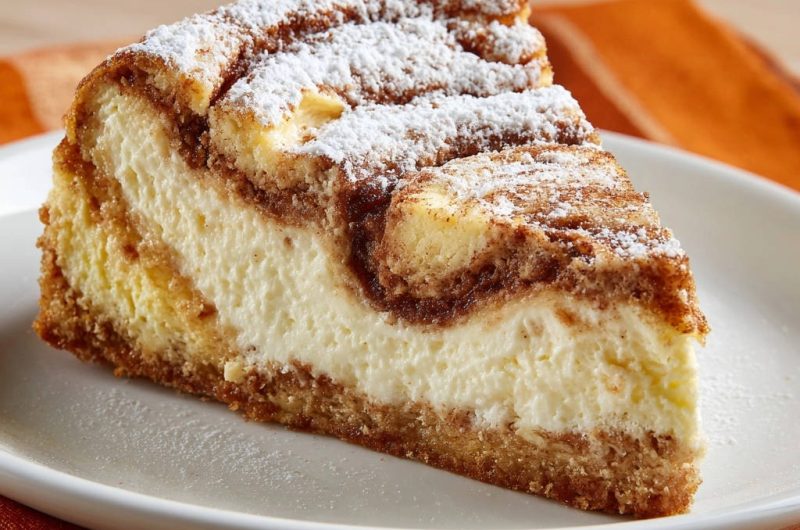
Cheesecake
Course: DessertCuisine: AmericanDifficulty: medium12
servings25
minutes1
hour10
minutes450
kcal240
minutesCheesecake doesn’t have to be intimidating! This foolproof swirled cinnamon cheesecake guarantees a perfectly smooth, crack-free top every time. With a delicious graham cracker crust, creamy filling, and a beautiful cinnamon swirl, it’s an impressive dessert.
Ingredients
For the Crust:
1 1/2 cups graham cracker crumbs
1/4 cup granulated sugar
6 tablespoons unsalted butter, melted
For the Cinnamon Swirl:
1/4 cup granulated sugar
1 tablespoon ground cinnamon
For the Cheesecake Filling:
32 ounces cream cheese, softened to room temperature
1 1/4 cups granulated sugar
1/4 cup all-purpose flour
2 teaspoons vanilla extract
1 cup sour cream, room temperature
4 large eggs, room temperature
For Garnish:
Powdered sugar, for dusting
Directions
- Preheat your oven to 350°F (175°C). Wrap the outside bottom and sides of a 9-inch springform pan with heavy-duty aluminum foil, ensuring it is completely sealed to prevent water from entering during the water bath.
- Prepare the Crust: In a medium bowl, combine the graham cracker crumbs, 1/4 cup granulated sugar, and melted butter. Press the mixture firmly into the bottom of the prepared springform pan. Bake for 10 minutes, then remove from oven and set aside. Reduce oven temperature to 325°F (160°C).
- Prepare the Cinnamon Swirl: In a small bowl, mix together 1/4 cup granulated sugar and ground cinnamon. Set aside.
- Prepare the Cheesecake Filling: In a large bowl, using an electric mixer on medium speed, beat the softened cream cheese until smooth and creamy, about 2-3 minutes.
- Gradually add 1 1/4 cups granulated sugar and flour to the cream cheese, mixing on low speed until just combined. Scrape down the sides of the bowl.
- Add the vanilla extract and sour cream, mixing on low speed until smooth.
- This is key for a crack-free top: Add the eggs one at a time, mixing on low speed just until each egg is incorporated. Do not overmix after adding the eggs; too much air incorporated at this stage can lead to cracks. The batter should be smooth but not overly aerated.
- Pour two-thirds of the cheesecake batter over the baked crust in the springform pan.
- Sprinkle the cinnamon sugar mixture evenly over the batter. Carefully spoon the remaining one-third of the plain cheesecake batter over the cinnamon layer. Use a butter knife or skewer to gently swirl the cinnamon layer into the plain batter, creating a marbled effect. Be careful not to swirl too much or scrape the crust.
- The ultimate crack-prevention step: The Water Bath. Place the foil-wrapped springform pan inside a larger roasting pan. Carefully pour hot water into the roasting pan until it reaches halfway up the sides of the springform pan.
- Carefully transfer the roasting pan with the cheesecake to the preheated 325°F (160°C) oven. Bake for 65-75 minutes, or until the edges are set and the center jiggles only slightly when gently shaken.
- Critical Slow Cooling: Turn off the oven, but leave the cheesecake inside with the oven door ajar for 1 hour. This slow, gradual cooling prevents temperature shock that often causes cracks.
- Remove the cheesecake from the oven and the water bath. Let it cool completely on a wire rack at room temperature.
- Once completely cool, cover the cheesecake loosely with plastic wrap and refrigerate for at least 4 hours, or preferably overnight, before serving.
- When ready to serve, carefully remove the sides of the springform pan. Dust the top generously with powdered sugar. Slice and enjoy your perfectly smooth, crack-free cheesecake!
Notes
- Features key steps like a water bath and slow cooling to ensure a perfectly smooth, crack-free top. Best chilled overnight for optimal setting.