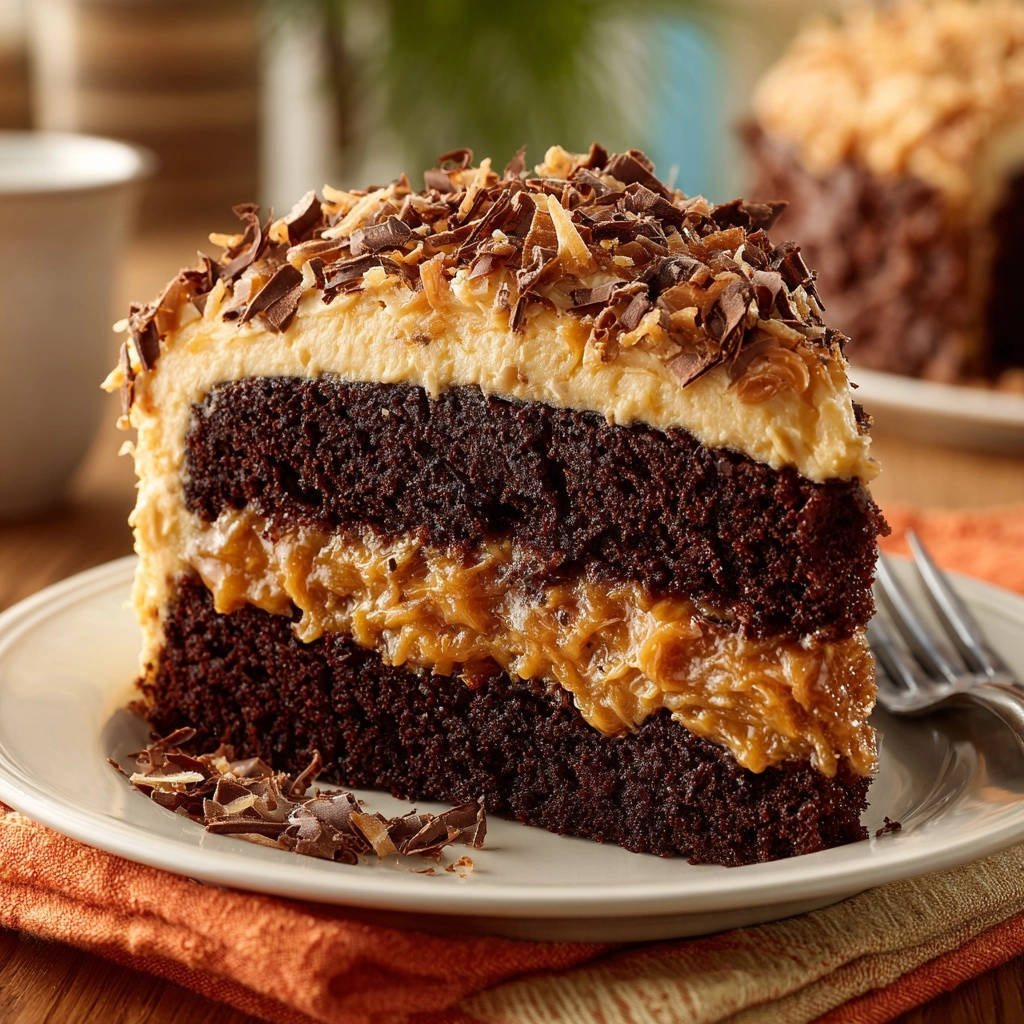
For years, my pursuit of the perfect, non-drying chocolate cake felt like a battle against dense, disappointing layers.
This recipe for the Ultimate Chocolate Layer Cake changes everything by employing one crucial technique-the hot liquid “Moisture Lock”-that guarantees a perfectly fluffy, damp, and intensely chocolatey crumb every single time.
Beyond Basic: The Moisture Lock Secret to the Ultimate Chocolate Layer Cake
Solving the Dry Cake Dilemma: The Problem with Traditional Recipes
Many traditional chocolate cake recipes fail because they lack the necessary liquid to fully hydrate the cocoa powder and the flour.
The batter ends up too thick, leading to a structure that bakes into a dense, coarse, and ultimately dry crumb once cooled.
The Secret Weapon: Why Hot Coffee is a Game Changer
Adding hot liquid-either strong brewed coffee or boiling water-at the very end of the mixing process is the key to deep flavor and moisture.
This hot liquid immediately “blooms” the cocoa powder, releasing its full flavor compounds, while simultaneously thinning the batter to the perfect pourable consistency necessary for a light rise.
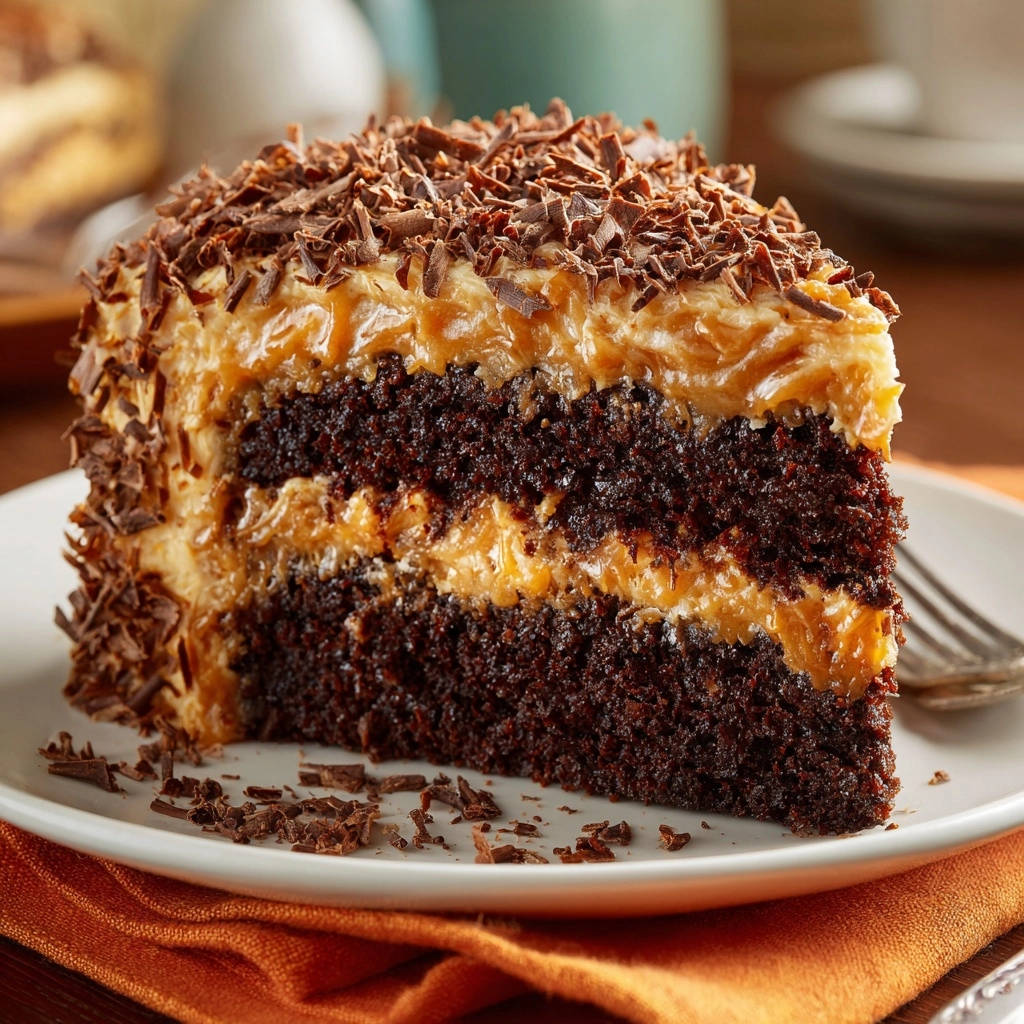
Achieving the Perfect Crumb: Light, Velvet, and Damp
The resulting texture is incredibly soft, with a velvet mouthfeel that remains moist for days, eliminating the fear of dry cake.
- Intense Color: The blooming process deepens the chocolate’s natural dark color.
- Superior Moisture: The thin, fully hydrated batter bakes up damp, not sticky or dense.
- Extended Shelf Life: The high moisture content keeps the cake fresh longer, even under refrigeration.
The Architecture of Flavor: Essential Ingredients for a Masterpiece
High-Impact Cake Foundation: Cocoa, Buttermilk, and Oil
Cocoa Powder Quality Matters
Always use a high-quality, unsweetened cocoa powder, preferably one with a deep color.
High quality cocoa determines the ultimate flavor and dark hue of your chocolate layer cake; inferior cocoa results in a flat, muddy taste.
If you enjoy this approach to chocolate, check out the strategy for walnut fudge brownies.
The Role of Buttermilk and Baking Soda
Buttermilk provides essential acidity that reacts immediately with the baking soda, creating rapid carbon dioxide bubbles for leavening.
This acid-base reaction ensures the cake rises beautifully and contributes to a final, melt-in-your-mouth tenderness.
Choosing the Right Fat
We use vegetable oil instead of solid butter because oil is 100% fat and remains liquid at room temperature.
This choice dramatically increases moisture retention compared to butter, keeping the layers damp long after they have cooled.
The Unexpected Twist: German Style Coconut Pecan Filling
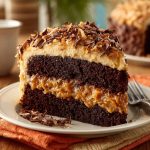
This recipe incorporates a classic German-style filling, which provides a welcome textural contrast to the soft cake layers.
Evaporated milk and large egg yolks cook down to form a rich, caramelized custard base, which then cradles toasted coconut and crunchy pecans.
For similar richness, consider learning about decadent chocolate lava cakes.
Vanilla Buttercream: Structure and Smoothness
The buttercream serves as the perfect smooth, white canvas against the dark cake and rich filling.
Using perfectly softened butter is essential for achieving the necessary light and airy volume required to stabilize the layers and make the frosting spreadable.
Baking the Layers: Your Step-by-Step Guide to Fluffy Perfection
-
Prepping Your Pans for Success
Ensure your 8-inch pans are properly greased, floured, and lined with parchment paper to guarantee easy release and prevent sticking.
This three-step preparation is non-negotiable, especially for delicate chocolate layers.
-
Whisking Dry Ingredients and Combining Wet Elements
Thoroughly whisk the dry ingredients to eliminate any lumps of cocoa powder, ensuring an even texture.
Use an electric mixer on low speed when combining the wet and dry mixtures; mix only until just combined (about two minutes) to prevent gluten development.
-
Executing the Moisture Lock Technique (The Hot Liquid Step)
This is the most crucial step: Slowly introduce the hot coffee or water while the mixer is running on low speed.
The batter will become very thin and look almost watery-this is exactly what you want for the velvety crumb, so do not panic or add more flour.
-
Baking and Cooling Standards
Bake the layers for 30 to 35 minutes until a toothpick comes out clean, rotating the pans halfway through for even color.
Always allow a minimum of 10 minutes cooling in the pan before inverting. Cooling completely on the wire rack prevents steam from creating a gummy bottom and stops residual baking.
A Match Made in Heaven: Crafting the German Coconut-Pecan Filling and Buttercream
Making the Creamy German-Style Filling
The key to the German filling is low heat and patience. Constant stirring prevents scorching and ensures the egg yolks properly emulsify and thicken the mixture into a custard.
Cook the mixture until it coats the back of a spoon thickly, then remove it immediately from the heat before stirring in the toasted nuts and coconut.
Ensure the filling cools fully to room temperature before assembly; otherwise, it will melt the surrounding frosting and slide off the cake layer.
Whipping Up the Light and Spreadable Vanilla Buttercream
Start by beating the butter until it is pale and airy before gradually adding the confectioners’ sugar one cup at a time to incorporate air and stabilize the structure.
Adjust the consistency using heavy cream or milk, adding just one tablespoon at a time until the frosting is perfect for spreading and piping.
The final buttercream should be light enough to spread easily but firm enough to hold the weight of the second cake layer.
Flawless Assembly and Garnish
Place the dense German filling directly on the first layer, pushing it flush to the edge to lock in the lower layer’s moisture.
The second layer should then only receive the lighter vanilla buttercream, preventing the cake from becoming overly rich or too heavy.
The 30-minute chill time after assembly is mandatory for clean slicing and superior structural integrity, especially when working with the soft filling.
Chef’s Secrets: Troubleshooting and Elevating Your Ultimate Chocolate Layer Cake
Temperature is King: Ingredients and Oven Calibration
Ensure all cold ingredients (eggs, buttermilk) are at room temperature. This allows them to emulsify correctly with the oil and prevents a curdled-looking batter that bakes unevenly.
Use an oven thermometer. Many ovens fluctuate wildly, and proper temperature control is essential for an even rise and preventing dry edges.
Preventing the Dome (And How to Handle It)
If your layers consistently dome, try using cake strips soaked in water around the pans. This insulates the edges, forcing the cake to rise evenly in the center rather than browning too quickly on the outside.
If layers still dome, level them gently with a serrated knife once fully cooled. Reserve the trimmings for cake pops or a quick baker’s snack!
The Importance of Quality Cocoa
Invest in a high-quality, dark unsweetened cocoa powder. Since the flavor relies heavily on this ingredient, a cheap alternative will result in a flat, muddy flavor profile that lacks intensity.
Never Rush the Cool Down
Resist the urge to frost warm cakes. Residual heat will cause the German filling to run and the buttercream to immediately melt, ruining the structure and compromising the final presentation.
Serving and Storing Your Ultimate Chocolate Layer Cake Masterpiece
Make-Ahead Tips for Stress-Free Entertaining
The cake layers can be baked, cooled completely, tightly wrapped in plastic wrap, and frozen for up to three months.
Thaw the layers overnight in the refrigerator before unwrapping and frosting.
The German filling can also be made up to two days in advance and stored in the refrigerator, but it must be brought back fully to room temperature before spreading.
Optimal Storage for Maximum Freshness
Because of the perishable ingredients, including the egg yolks in the filling, the assembled cake should be stored, loosely covered, in the refrigerator.
For best flavor and texture, always remove the cake from the refrigerator 30 to 45 minutes before serving to allow the frosting to soften slightly and the cake layers to come to a comfortable temperature.
Ultimate Chocolate Layer Cake FAQs
Can I substitute hot water for the hot coffee?
Yes, you can substitute hot water for the hot brewed coffee without affecting the cake’s structural integrity or moisture.
The hot liquid is essential for blooming the cocoa and adding moisture, but the coffee simply enhances the deep chocolate flavor without tasting distinctly like coffee itself.
How can I make this recipe dairy-free or gluten-free?
For gluten-free: Substitute the all-purpose flour with a high-quality 1:1 gluten-free baking blend that contains xanthan gum.
For dairy-free: Use a non-dairy milk alternative (like soy or oat milk) mixed with vinegar for the ‘buttermilk’ substitute, and ensure you use a reliable plant-based butter alternative for the frosting and filling.
Why did my cake sink in the middle?
Sinking usually happens if the cake was underbaked, or if the oven door was opened too early during the baking process, causing a temperature shock.
It can also occur if too much baking soda or baking powder was used, causing an initial rapid rise that cannot be sustained and collapses.
How long does this cake last?
When stored properly in an airtight container in the refrigerator, this Ultimate Chocolate Layer Cake will remain fresh and remarkably moist for 4 to 5 days, thanks to the moisture lock technique.
Ready to Impress? Share Your Ultimate Chocolate Layer Cake Masterpiece!
With the secret Moisture Lock technique in your toolkit, you are ready to bake a truly unforgettable Ultimate Chocolate Layer Cake that promises velvet moisture and intensely rich flavor every time.
We encourage you to try this technique and share your results! What was the reaction of your guests to the deep, damp layers?
Complementary Treats
To round out your chocolate cake experience, consider these baked goods.
- For a sweet and spiced variation, try these Cookies and Cream Cinnamon Rolls, which offer a different kind of comforting swirl.
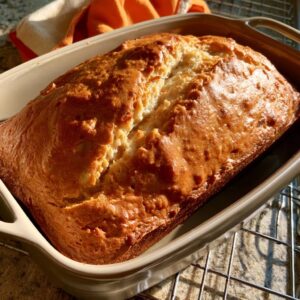
- If you enjoy baked goods with fruit and nuts, this Chocolate Chip Walnut Banana Bread provides a moist crumb and satisfying flavors.
Chocolate Layer Cake
Course: DessertCuisine: AmericanDifficulty: medium12
servings45
minutes35
minutes850
kcal180
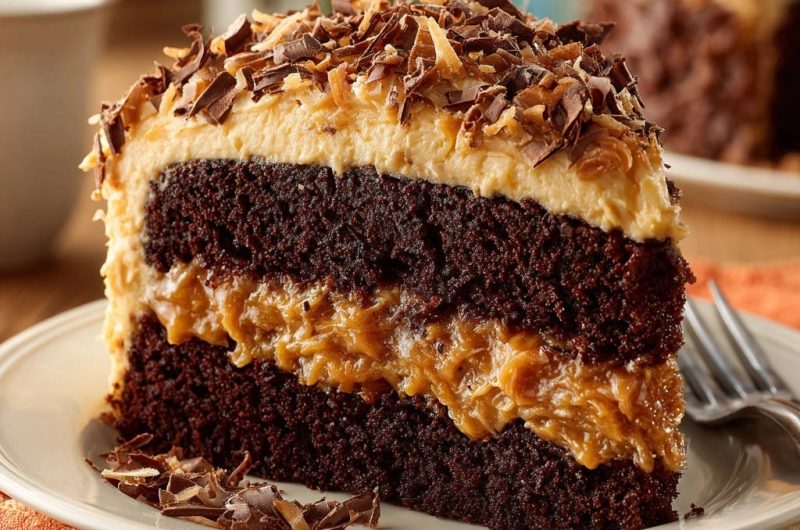
minutesThis recipe guarantees an incredibly moist and surprisingly light chocolate cake every time, thanks to a simple technique involving hot coffee. It is layered with a rich German-style coconut pecan filling and finished with smooth vanilla buttercream.
Ingredients
For the Ultimate Moist Chocolate Cake Layers:
2 cups all-purpose flour
2 cups granulated sugar
3/4 cup unsweetened cocoa powder (high quality)
1 teaspoon baking powder
2 teaspoons baking soda
1 teaspoon salt
1 cup vegetable oil
1 cup buttermilk (or 1 cup milk mixed with 1 tablespoon white vinegar)
2 large eggs
1 teaspoon vanilla extract
1 cup hot brewed coffee (or hot water)
For the German Style Coconut Pecan Filling:
1 cup evaporated milk
1 cup granulated sugar
1/2 cup butter, unsalted
3 large egg yolks
1 teaspoon vanilla extract
1 cup shredded coconut, toasted
1 cup chopped pecans
For the Vanilla Buttercream Frosting:
1 cup unsalted butter, softened
4 cups confectioners’ sugar
1/2 cup heavy cream or milk
1 teaspoon vanilla extract
Pinch of salt
Chocolate shavings and extra toasted coconut for garnish
Directions
- Prepare the Cake Layers: Preheat oven to 350 degrees F. Grease and flour two 8-inch round cake pans. Line the bottoms with parchment paper.
- Mix the Dry Ingredients: In a large bowl, whisk together the flour, sugar, cocoa powder, baking powder, baking soda, and salt. Make sure there are no lumps of cocoa.
- Combine Wet Ingredients: In a separate medium bowl, whisk together the oil, buttermilk, eggs, and vanilla extract. Add the wet mixture to the dry mixture and beat with an electric mixer on medium speed until just combined (about 2 minutes). The batter will be thick.
- The Moisture Lock Technique: This is the key step for moisture and color depth. Carefully and slowly pour the 1 cup of very hot brewed coffee or hot water into the batter while the mixer is running on low speed. Mix until the batter is smooth and very thin. Do not overmix. This hot liquid step blooms the cocoa powder and introduces necessary moisture for a fluffy, damp crumb that stays moist even after refrigeration.
- Bake: Divide the batter evenly between the two prepared pans. Bake for 30 to 35 minutes, or until a wooden toothpick inserted into the center comes out clean. Let the cakes cool in the pans for 10 minutes before inverting them onto a wire rack to cool completely.
- Prepare the German Style Filling: While the cakes cool, prepare the filling. In a medium saucepan, combine the evaporated milk, sugar, butter, and egg yolks. Cook over medium-low heat, stirring constantly, until the mixture thickens significantly, about 10 to 12 minutes. Do not boil rapidly. Once thick (it should coat the back of a spoon), remove from heat and stir in the vanilla extract, toasted coconut, and chopped pecans. Set aside to cool to room temperature. It will thicken further as it cools.
- Prepare the Frosting: In a large bowl, beat the softened butter until light and fluffy. Gradually add the confectioners’ sugar one cup at a time. Add the cream (or milk), vanilla, and salt. Beat on medium-high speed until the frosting is smooth, light, and spreadable. If it is too stiff, add cream one tablespoon at a time.
- Assemble the Cake: Place the first cake layer on your serving platter. Spread the cooled German Style Filling evenly across the layer, pushing it right to the edges. Place the second cake layer on top. Frost the top of the cake generously with the Vanilla Buttercream.
- Garnish and Serve: Immediately garnish the frosting with shaved chocolate curls and extra toasted coconut flakes. Chill for at least 30 minutes before slicing for the cleanest presentation.
Notes
- The ‘Moisture Lock Technique’ involves slowly adding hot brewed coffee or hot water to bloom the cocoa and ensure maximum moisture.