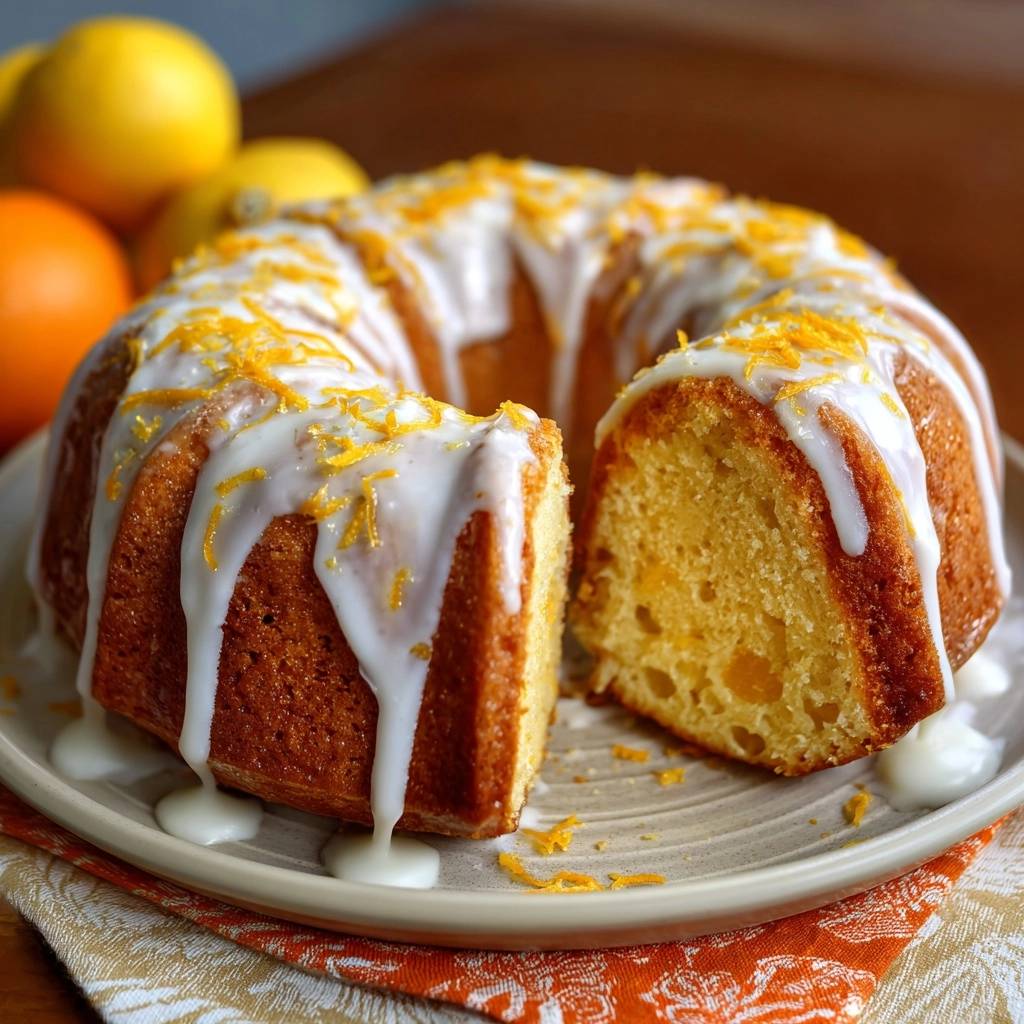
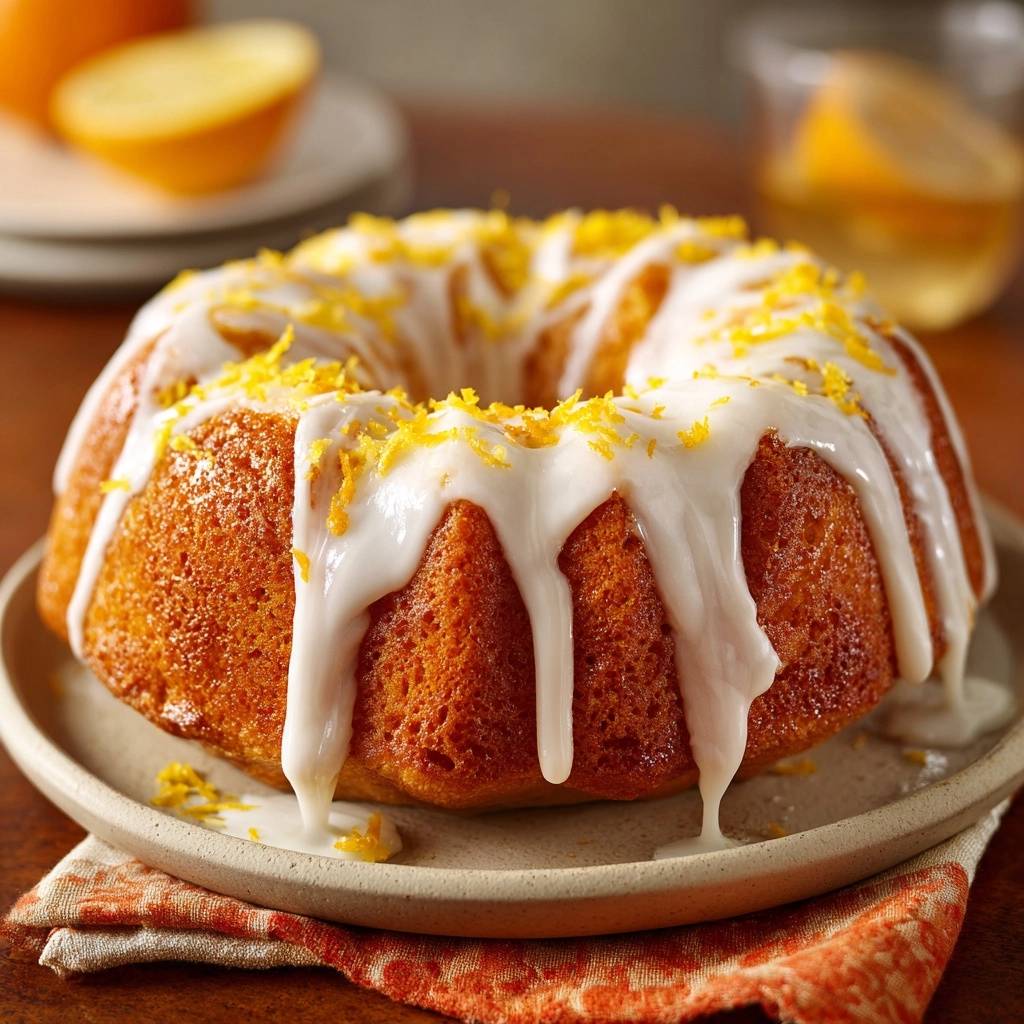
Picture this: you’ve poured your heart into a gorgeous bundt cake, only to watch chunks stick to the pan as you invert it. Disaster. But this zesty orange bundt cake flips that nightmare into triumph with a simple three-step pan prep that guarantees perfect release every time. The citrus burst hits you first, bright and tangy, followed by a moist, tender crumb that melts on your tongue.
So why does this orange bundt cake recipe stand out from the rest? It nails the balance of fresh zest and juice for intense flavor without dryness. Plus, the foolproof method ensures you get that stunning ring shape intact. You’ll smell the oranges blooming in the oven, and that first slice? Pure joy.
Here’s the expertise kicker: always start with a cold bundt pan. The chill sets the butter-flour coating into a solid barrier. Therefore, no more sticking, just effortless inversion and a cake that wows.
Mastering Bundt Pan Prep for Zesty Orange Bundt Cake
Grab a cold bundt pan straight from the fridge or freezer. Generously coat every nook with softened butter using a pastry brush. In addition, tilt in two tablespoons of flour, tap to cover evenly, and knock out the excess over the sink. This combo beats sprays because it creates a sturdy, non-slip layer.
Refrigerate the pan for 10 minutes. That quick chill solidifies the fats, locking the coating in place. Consequently, your zesty orange bundt cake releases cleanly, no crumbs left behind.
Pro tip: if your pan has intricate designs, double-check those crevices. A missed spot means trouble later. However, with this method, you’re set for success.
Why Cold Pan Beats Room Temperature
A cold bundt pan makes the butter solidify fast, forming crystals that grip the flour tightly. Room temp butter smears and melts unevenly during baking. Therefore, the cold start ensures superior adhesion and release for your orange bundt cake.
Try chilling 15 minutes for extra insurance on humid days. You’ll notice the difference in that flawless invert.
Pastry Brush vs. Fingers for Coating
Fingers work okay for simple pans, but a pastry brush reaches deep into bundt crevices without wasting butter. It spreads thin and even, perfect for intricate designs. As a result, your zesty orange bundt cake pops out pristine.
Brushes save time too. No greasy hands means cleaner prep overall.
Key Ingredients Unlocked for Moist Zesty Orange Bundt Cake
Start with three cups all-purpose flour for structure that holds the cake’s shape. One teaspoon baking powder and half teaspoon baking soda provide lift, reacting with citrus acids. Don’t skip the half teaspoon salt; it sharpens all the flavors.
One cup softened unsalted butter creams light and fluffy, trapping air for tenderness. Two cups sugar adds sweetness and structure. Four large eggs bind everything, while room-temp ones emulsify smoothly.
A cup of sour cream keeps it ultra-moist; its fat and acid tenderize the crumb. Fresh orange and lemon juices plus zests deliver zing, and a teaspoon vanilla rounds it out. For glaze, two cups powdered sugar with juices makes a drizzly shine.
More Citrus Delights
If you’re enjoying the bright orange flavors of the Bundt cake, you might want to try these other orange-inspired treats.
- For more individual-sized orange baked goods, check out these glazed zesty orange muffins, which offer a similar zesty profile.
- If you appreciate a good crumb topping, these orange streusel muffins provide a streusel element that complements the citrus notes.
Citrus Zest and Juice Balance Explained
Zest packs the essential oils for bold aroma, while juice brings tart acids. Use zest from two oranges and one lemon, with quarter cup each juice. This ratio brightens without bitterness; too much pith makes it bitter.
For more citrus ideas, see how to make a perfect glazed lemon loaf cake.
Zest finely with a microplane, avoiding the white part. Fresh beats bottled for vibrant flavor in your zesty orange bundt cake.
Sour Cream’s Role in Cake Tenderness
Sour cream’s acidity breaks down gluten, yielding a soft crumb. It adds moisture too, preventing dryness. Plain yogurt works as a sub, but sour cream gives richer tang.
Science of Citrus-Infused Batter Chemistry
Citrus acids trigger baking soda to release CO2 bubbles, creating rise. The butter-sugar creaming incorporates air, and eggs stabilize it all. Mix gently on low to preserve those bubbles; overmixing toughens the batter.
pH balance from juices ensures a golden crumb. Therefore, your orange bundt cake rises tall and stays moist. Keep wet ingredients at room temp for even emulsification.
Acid-Base Lift in Orange Bundt Cake
Half teaspoon baking soda plus citrus juices produce perfect lift without collapse. Neutral batters fall flat; this combo bubbles just right. Exact ratios prevent a dense result.
Phase 1: Creaming Butter for Zesty Orange Bundt Cake Base
Preheat to 350°F. Beat one cup butter and two cups sugar for three minutes until pale and fluffy; you’ll see it lighten and smell sweet. Add eggs one at a time, beating well after each for smooth incorporation.
Mix in quarter cup each orange and lemon juice, zests, sour cream, and vanilla. The batter turns fragrant and silky. Avoid overbeating here to keep it light.
Phase 2: Dry Mix Integration and Batter Pour
Whisk dry ingredients in a bowl: flour, baking powder, soda, salt. Add gradually to wet on low speed, mixing just until no streaks remain. Overmixing develops gluten and toughens your zesty orange bundt cake.
Pour into the chilled pan, smooth the top, and tap firmly three times. This releases air bubbles for even baking. Batter should fill about two-thirds full.
Phase 3: Precise Baking and Inversion Timing
Bake 45 to 50 minutes; a toothpick in the center comes out clean. The top springs back lightly, and you’ll catch that citrus aroma. Cool exactly 10 minutes in the pan on a rack.
Run a thin knife around edges, then invert onto a rack. The cake releases easily thanks to your prep. Cool fully for best texture.
Glaze Perfection for Zesty Orange Bundt Cake Finish
Whisk two cups powdered sugar with three tablespoons orange juice and one tablespoon lemon juice until smooth and drizzle-thick. If lumpy, sift the sugar first. Spoon over the cooled cake; it sets shiny.
Sprinkle fresh orange zest on top right away. Store unglazed to avoid sogginess, glazing just before serving. Pro tip: chill glaze briefly for thicker lines.
For more rich, sweet treats, explore the walnut fudge brownies strategy.
Avoiding Pitfalls in Zesty Orange Bundt Cake Baking
Sunken centers often mean overmixing or low oven temp; check your thermometer. Sticking? Blame poor pan prep; always chill. Dry crumb comes from skipping sour cream or overbaking; test early.
Prevention is key: measure accurately and follow timings. Therefore, you’ll bake foolproof zesty orange bundt cakes every time.
Overmixing’s Impact on Cake Texture
Overmixing after adding flour builds gluten fast, making tunnels and toughness. Stop at no streaks for tender crumb. Batter thickens slightly but stays scoopable.
Perfect Cool-Down Window Decoded
Ten minutes lets the cake set without steaming stuck. Shorter causes crumble; longer fuses to pan. Internal temp drops just enough for clean release.
Flavor Twists on Zesty Orange Bundt Cake
Swap lemon for lime zest for tropical zing. Add half teaspoon almond extract or two tablespoons poppy seeds for crunch. White chocolate chips folded in melt gorgeously.
For minis, halve batter and bake 20 to 25 minutes. Keep the citrus core; it shines. These tweaks keep it fresh and exciting.
Ideal Pairings for Zesty Orange Bundt Cake
Black coffee cuts the sweetness perfectly. Fresh berries add juicy contrast, and lightly whipped cream brings fluff. Yogurt dollops echo the tang.
Sparkling cranberry juice complements the citrus. Serve at brunch or dessert; it fits both seamlessly.
Storage and Make-Ahead for Zesty Orange Bundt Cake
Wrap unglazed cake airtight at room temp for three days. Freeze slices up to two months; thaw overnight in fridge. Glaze after thawing to keep it crisp.
Pro tip: portion before freezing for easy grabs. It stays moist longer than most bundts.
Troubleshooting Zesty Orange Bundt Cake Issues
How do I store leftovers of zesty orange bundt cake?
Store unglazed cake wrapped tightly in plastic at room temperature for up to three days. For longer, freeze slices in a freezer bag up to two months; they thaw beautifully without sogginess. Reheat gently in a 300°F oven for five minutes to refresh. Glaze only after thawing to avoid melting.
Why did my bundt cake stick despite pan prep?
Usually, it’s uneven coating or skipping the chill. Butter must hit every crevice, floured thoroughly, and refrigerated 10 minutes to set. If humid, chill 15 minutes. Always cool exactly 10 minutes before inverting; too long fuses sugars to pan. Retry with cold pan for guaranteed release.
Can I substitute sour cream in zesty orange bundt cake?
Yes, full-fat plain Greek yogurt works one-to-one; it tenderizes similarly with acidity and fat. Buttermilk dilutes moisture, so mix one cup milk with one tablespoon lemon juice instead. Avoid low-fat versions; they dry out the crumb. Sour cream yields the moistest result, though.
Why is my zesty orange bundt cake dense or sunken?
Overmixing after flour kills air bubbles, or oven too cool slows rise. Mix just until combined, and verify 350°F with a thermometer. Test doneness early; overbaking deflates too. Acid-base balance from juices boosts lift, so don’t skip fresh citrus.
How do I adjust for high altitude baking orange bundt cake?
Increase flour by two tablespoons, reduce baking powder to three-quarters teaspoon, and baking soda to quarter teaspoon. Add an extra egg for structure. Batter dries faster up high, so tent foil if browning too quick. These tweaks prevent collapse and dryness.
Why is my glaze too runny on zesty orange bundt cake?
Too much juice thins it; start with two tablespoons and add one at a time while whisking. Sift powdered sugar to remove lumps first. For thicker glaze, chill five minutes before drizzling. It sets firm on a cooled cake, balancing the moist crumb perfectly.
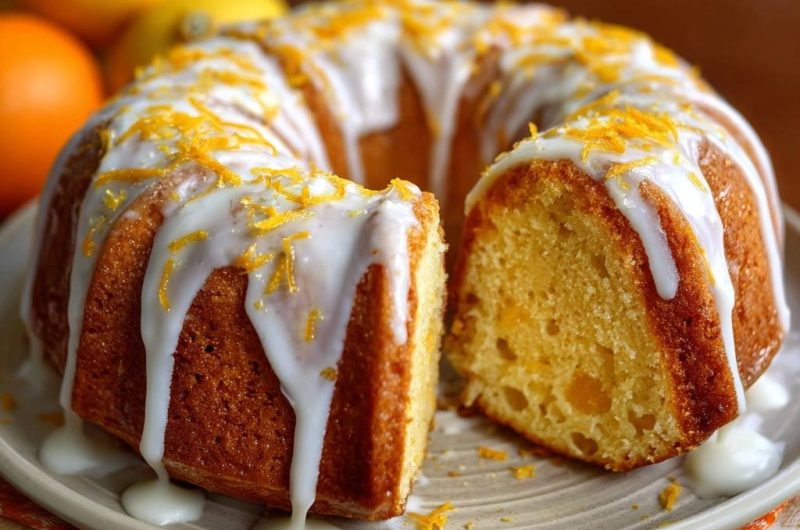
Orange Bundt Cake
Course: DessertCuisine: AmericanDifficulty: medium12
servings20
minutes50
minutes450
kcal70
MinutesTired of bundt cakes crumbling or sticking when you invert them? This zesty orange cake delivers perfect release every time with a simple 3-step pan prep that locks in success, plus a moist crumb bursting with fresh citrus.
Ingredients
3 cups all-purpose flour
1 teaspoon baking powder
1/2 teaspoon baking soda
1/2 teaspoon salt
1 cup unsalted butter, softened
2 cups granulated sugar
4 large eggs
1/4 cup fresh orange juice
1/4 cup fresh lemon juice
Zest of 2 oranges
Zest of 1 lemon
1 cup sour cream
1 teaspoon vanilla extract
For the glaze:
2 cups powdered sugar
3 tablespoons fresh orange juice
1 tablespoon fresh lemon juice
Zest of 1 orange, for garnish
Directions
- Preheat oven to 350 degrees F. For foolproof pan release, start with a cold bundt pan. Generously coat every crevice with softened butter using a pastry brush, ensuring no spots are missed. Add 2 tablespoons flour, tilt and tap the pan to coat evenly, then tap out excess over the sink. This butter-flour barrier prevents sticking better than spray alone. Refrigerate the prepared pan for 10 minutes to set the coating.
- In a medium bowl, whisk flour, baking powder, baking soda, and salt. Set aside.
- In a large bowl, beat butter and sugar until light and fluffy, about 3 minutes. Add eggs one at a time, beating well after each. Mix in orange juice, lemon juice, orange zest, lemon zest, sour cream, and vanilla until smooth.
- Gradually add dry ingredients to wet, mixing on low just until combined. Do not overmix.
- Pour batter into prepared pan, smooth top, and tap pan on counter 3 times to release air bubbles. Bake 45 to 50 minutes, until toothpick inserted in center comes out clean.
- Cool in pan on wire rack for exactly 10 minutes. This brief cooling firms the cake without causing shrinkage or sticking. Run a thin knife around edges, then invert onto rack. Cool completely.
- Whisk powdered sugar with orange and lemon juice until smooth. Drizzle over cooled cake, sprinkle with orange zest. Slice and serve. Perfect release guaranteed!
Notes
- For foolproof pan release: Generously coat cold bundt pan with softened butter, add 2 tbsp flour, tilt to coat evenly, tap out excess, and refrigerate for 10 minutes. Cool cake in pan exactly 10 minutes before inverting.